Window Bars in Seattle, WA — Local Guide, Fire Codes & Best Products 2026
April 28, 2026·6 min read·SWB Research Team
Seattle’s property crime landscape makes home security a practical priority for residents. With a burglary rate of 3.6 incidents per 1,000 residents, neighborhoods like South Seattle, Rainier Valley, Georgetown, and White Center have experienced elevated break-in activity in recent years. Window security bars serve as a visible deterrent and physical barrier that can significantly reduce your home’s vulnerability to opportunistic thieves. Many Seattle homeowners in these higher-risk areas have found that quality window protection complements alarm systems and reinforced locks as part of a comprehensive security strategy.
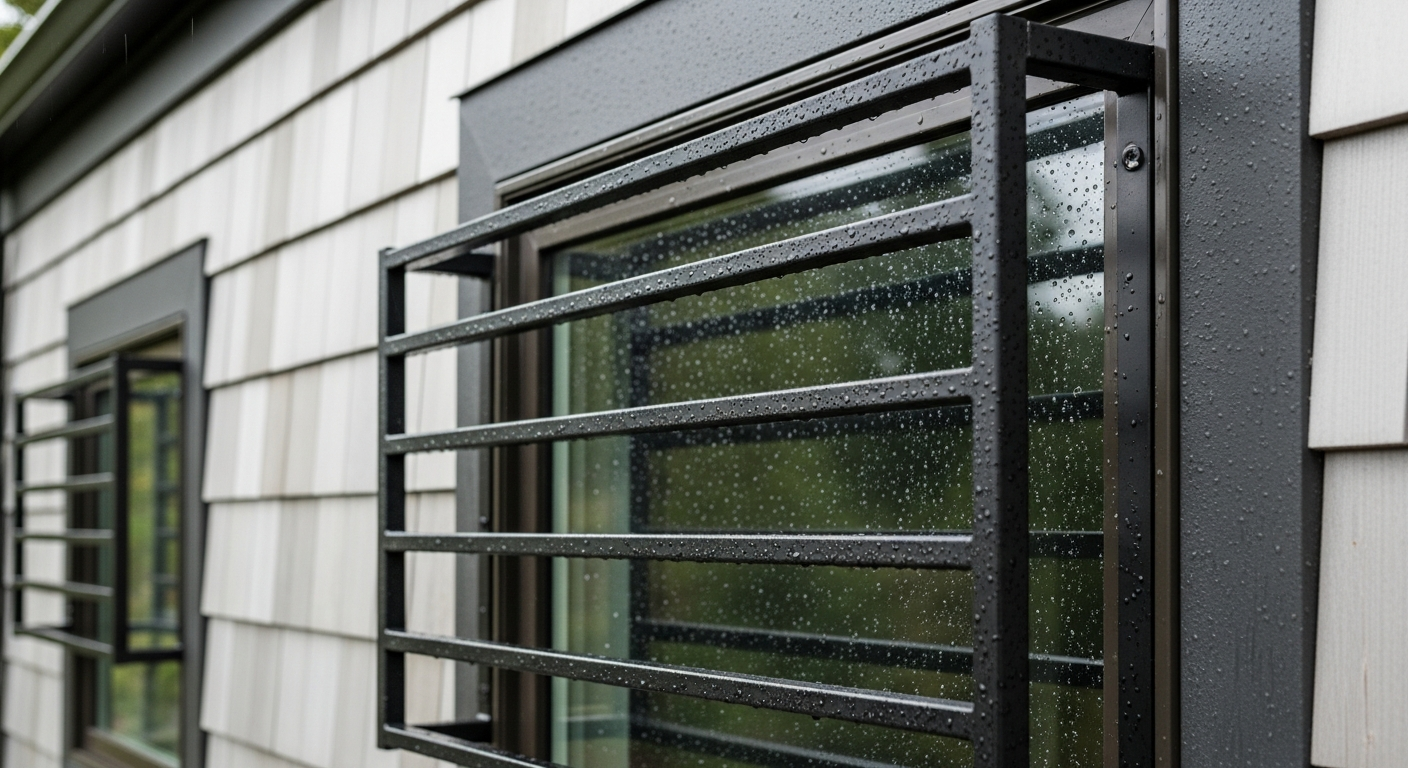
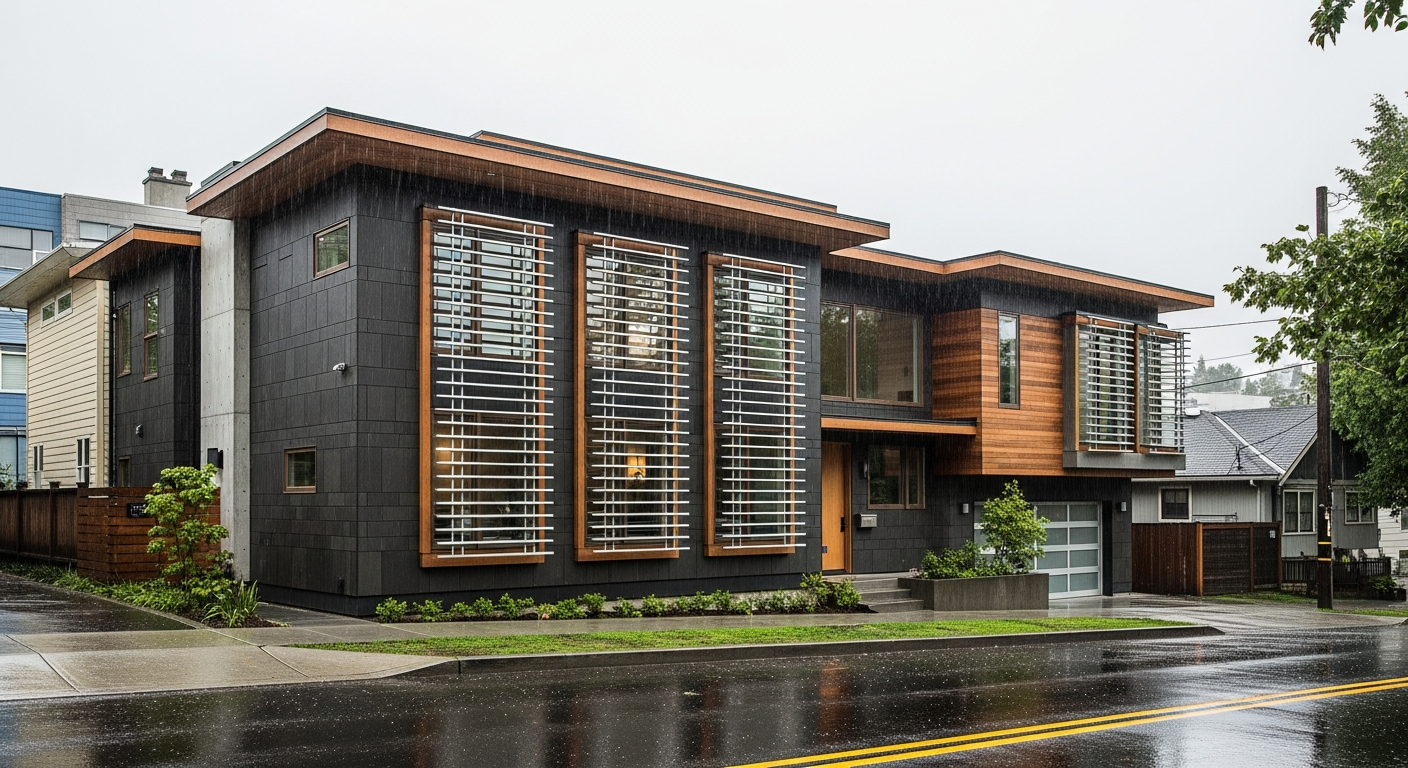
Seattle’s wet climate presents unique challenges for window bar durability and longevity. The region’s mild oceanic weather brings frequent rain and moisture that can rapidly corrode unprotected steel—bare metal bars typically develop significant rust within 18 months of exposure. For Seattle installations, galvanized or powder-coated window bars are essential investments that resist rust and maintain their appearance over time. Regular maintenance, including occasional cleaning and inspection of coatings, helps extend the lifespan of your security bars and ensures they remain both functional and visually appealing on your home’s exterior.
Washington State’s International Building Code (IBC) governs window bar installation requirements, particularly regarding emergency egress and fire safety. Compliant bars must allow quick release mechanisms or removable sections to prevent trapping occupants during fires—a critical safety consideration for bedrooms and other sleeping areas. Seattle homeowners should work with licensed installers familiar with current Washington State codes to ensure their window bars meet all safety requirements. This approach protects your family while avoiding potential code violations that could impact insurance coverage or home sales. Professional installation guarantees your security investment meets both safety standards and local expectations.
Window Bars in Seattle, WA
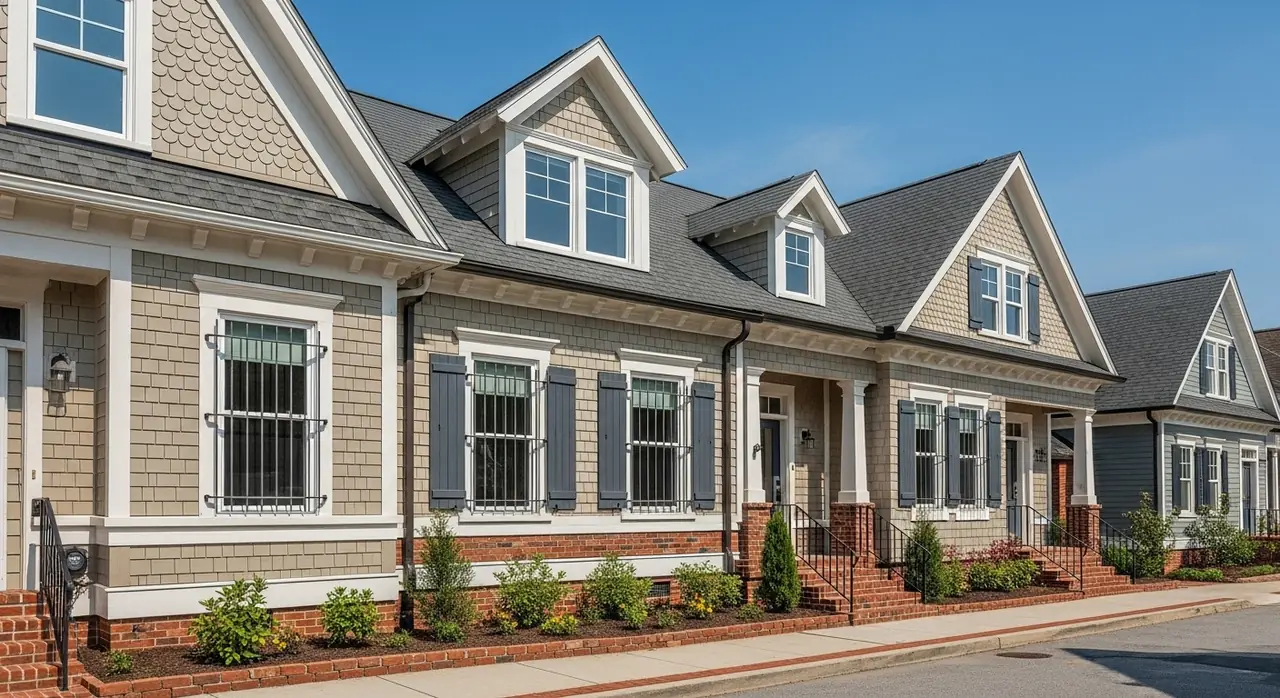
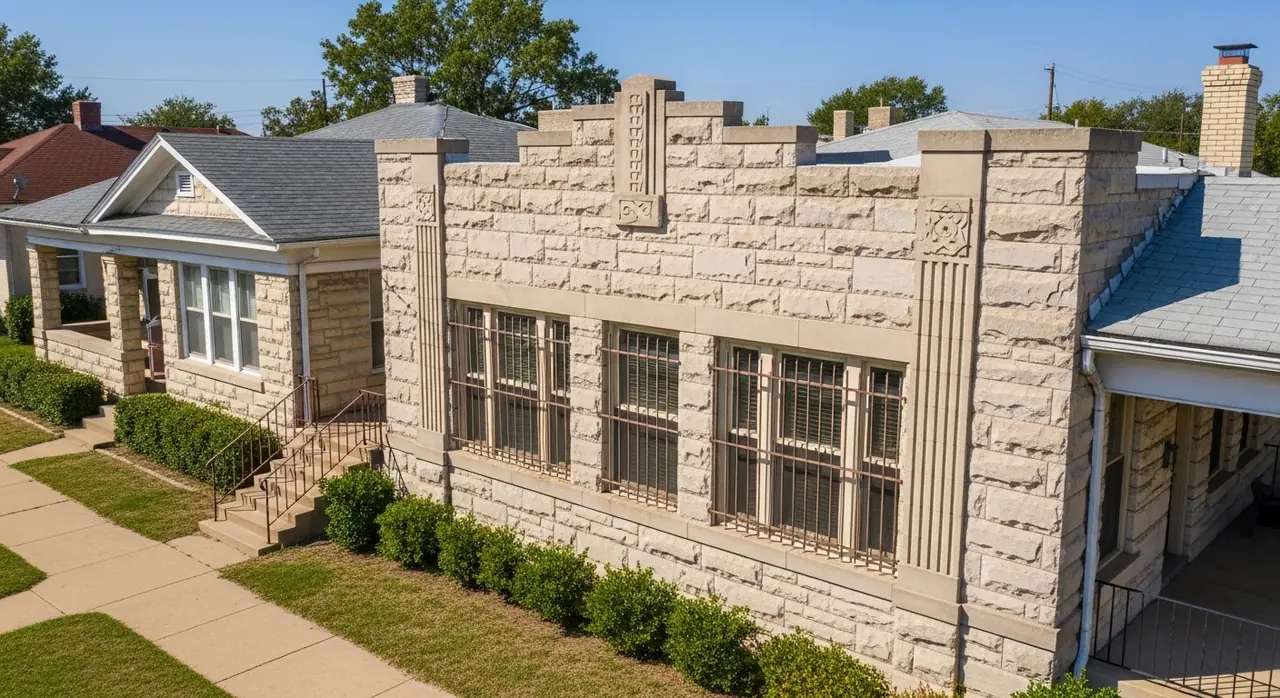
Seattle has seen increasing property crime rates in recent years. Residential burglary is most common in neighborhoods with dense older housing stock and in areas near transit corridors. Whether you’re protecting a ground-floor apartment, a single-family home, or a commercial space, window bars remain one of the most cost-effective and visible deterrents against forced entry. This guide covers everything you need to know about window bars in Seattle: local fire codes, the best materials for marine with heavy rainfall conditions, installation considerations, and a curated selection of products that meet WA requirements.
Before diving into local specifics, bookmark our Complete Guide to Window Security Bars — the most comprehensive resource covering all bar types, materials, and installation methods.
Local Fire Code Requirements for Seattle
Seattle and Washington State follow the Washington State Building Code (WSBC), which aligns closely with IBC standards. The Seattle Department of Construction & Inspections (SDCI) enforces local building codes. Quick-release mechanisms are required on all window bars installed over designated egress windows per WSBC R310.
Seattle’s older housing stock — much of it built in the 1920s–1950s — often features non-standard window dimensions. Permits are required for permanent structural window bar installations and can be obtained through the SDCI permit counter.
Applicable code: Washington State Building Code (WSBC R310)
Quick-release required: YES on all egress windows
Permit: Required for permanent installations (SDCI)
Older housing stock: Non-standard window dimensions common
Always verify current requirements with your local building authority before installation. Fire codes are updated periodically, and local amendments can affect what’s required in your specific building or neighborhood.
Best Window Bar Types for Seattle
Seattle’s marine with heavy rainfall climate makes material selection critical. Hot-Dip Galvanized Steel is the recommended choice for most Seattle installations because: Seattle receives 37+ inches of rain per year, with persistent cloud cover and marine humidity from Puget Sound. This creates one of the highest corrosion environments in the continental US for steel products. Hot-dip galvanized steel is the only coating that reliably withstands Seattle’s rainy season. Powder coat will fail within 3-4 years on exposed installations.
Seattle’s predominant construction type — craftsman bungalows, older apartments, and new-build condos — also influences which bar styles work best:
Fixed-mount bars: Best for ground-floor security in craftsman bungalows, older apartments, and new-build condos. Permanently anchored and most resistant to forced entry. Requires professional installation in most Seattle building types.
Quick-release bars: Required by WA code on all egress/bedroom windows. Feature an interior release lever that opens the bar in seconds during an emergency.
Removable bars (pin-lock): Popular for renters in Seattle’s apartment market — install and remove without permanent hardware in some models.
Burglar bars with hinged door: Allow window ventilation while maintaining security. Popular in Seattle’s warmer months for first-floor units.
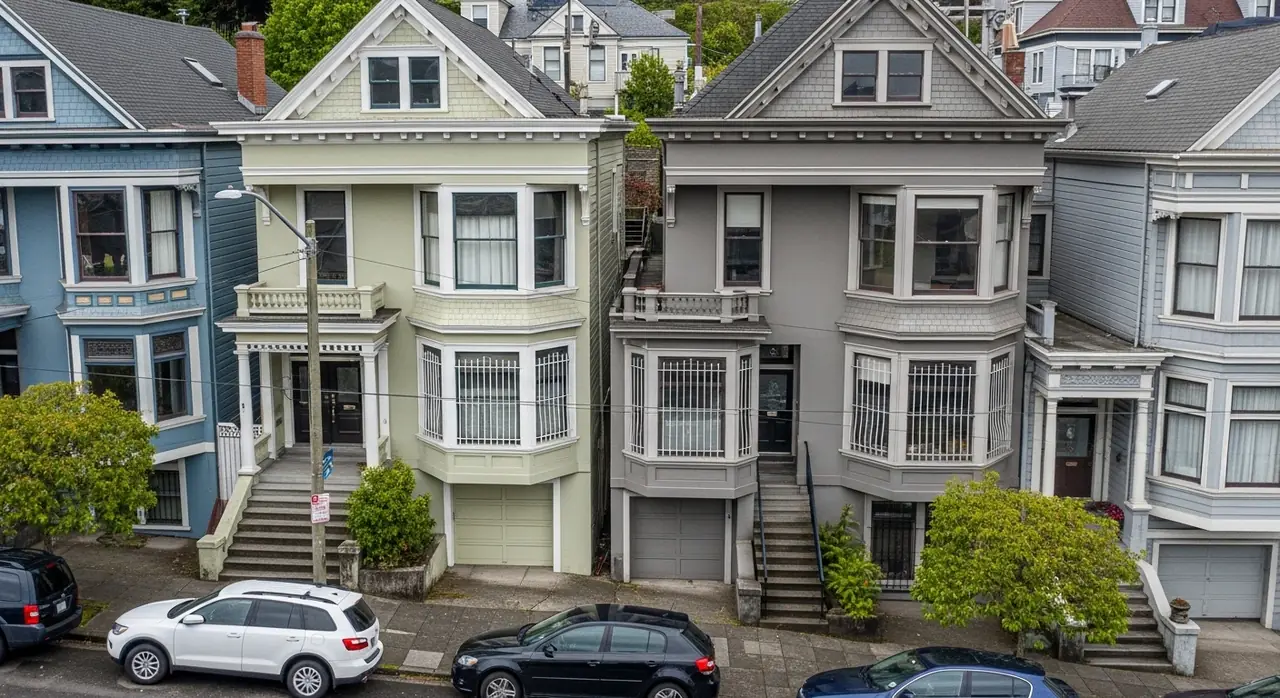
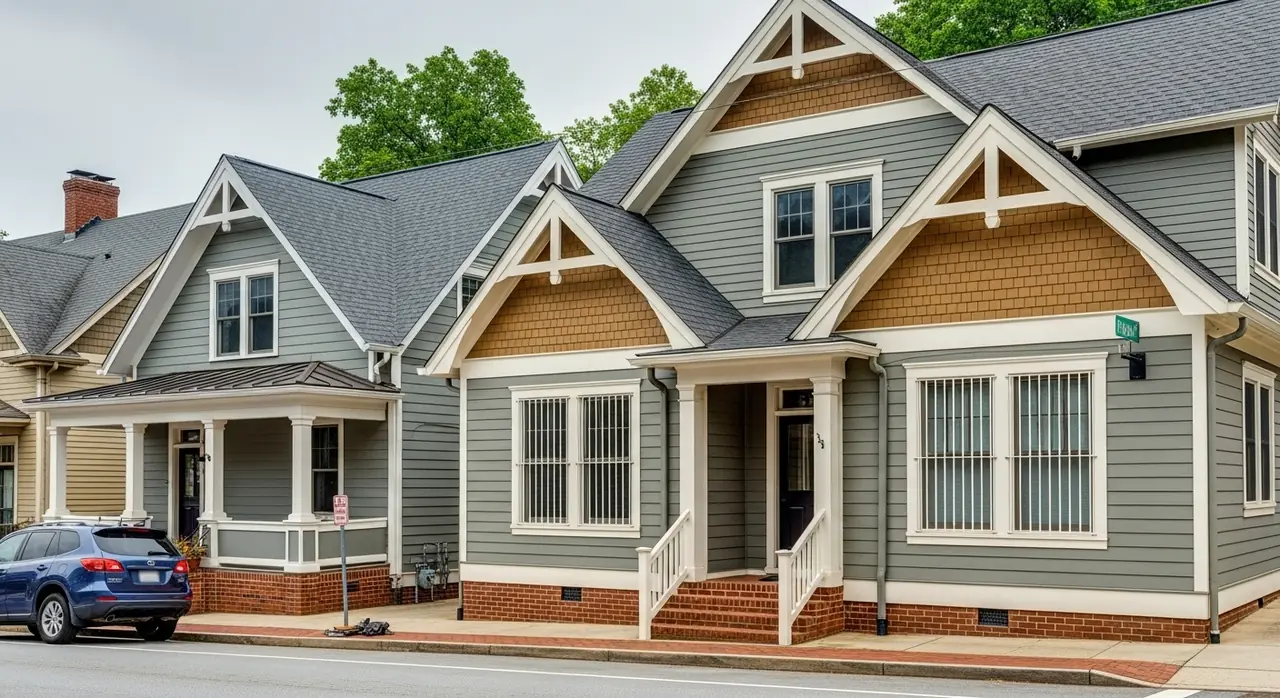
Seattle’s craftsman and bungalow homes often have distinctive window frame styles. Many older homes have wood window frames in various states of decay — inspect frame integrity before installation. Professional installation is recommended to ensure proper anchoring in Seattle’s varied construction types.
DIY vs. Professional Installation in Seattle
DIY Installation — Best for:
Wood-frame homes with accessible wall studs
Adjustable or no-drill tension-mount bars
Single windows (not multi-window runs)
Homeowners with basic drill skills
Professional Installation — Best for:
Masonry, brick, or concrete block buildings
Multi-family or multi-window projects
Buildings requiring permit inspections
Properties in seismic or hurricane zones
Frequently Asked Questions — Window Bars in Seattle
What’s the best window bar material for Seattle’s rainy climate?
Hot-dip galvanized steel is the only reliable option for Seattle’s persistent rain, marine humidity, and cloud-heavy climate. Powder coat corrodes significantly faster in Seattle’s wet environment.
Do Seattle’s old houses have unusual window sizes?
Yes — 1920s–1950s Seattle craftsman bungalows often have non-standard window dimensions. Measure carefully; adjustable-width bars or custom fabrication may be needed.
Does Seattle require a permit to install window bars?
Yes — the Seattle SDCI requires permits for permanent structural window bar installations. Contact SDCI at seattle.gov/sdci for the current permit process.
Are window bars common in Seattle?
Less common than in sunnier cities, but growing. Seattle’s property crime rate — particularly residential burglary in certain neighborhoods — has increased demand for window security solutions.
Ready to Secure Your Seattle Property?
Browse our full selection of window bars — from quick-release egress-compliant bars to heavy-duty fixed-mount options for Seattle’s marine with heavy rainfall climate.
Still have questions? Our Complete Window Bars Guide covers installation tips, material comparisons, code compliance, and more — written by window security experts.