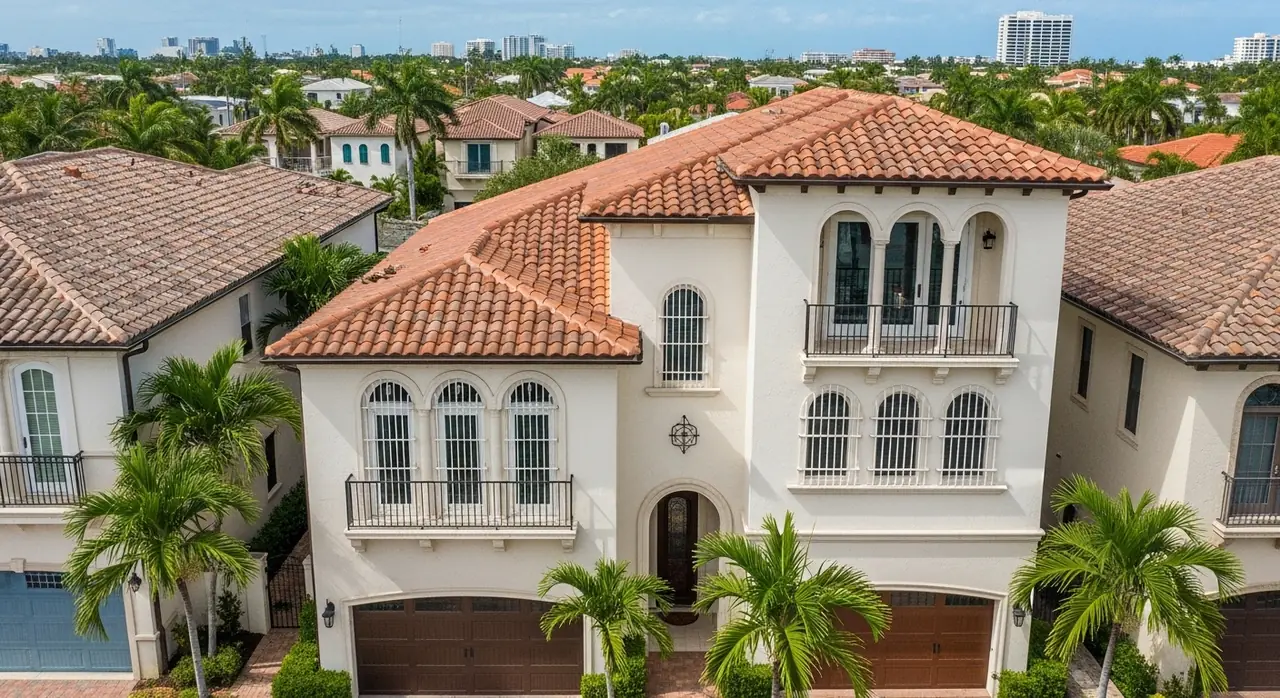
Window Bars in Miami, FL — Local Guide, Fire Codes & Best Products 2026
April 28, 2026·6 min read·SWB Research Team
Miami residents face a burglary rate of 4.3 incidents per 1,000 residents, making window security a practical consideration for homeowners throughout the city. Neighborhoods including Overtown, Little Haiti, Liberty City, and Allapattah experience higher crime rates, creating particular urgency for property protection in these areas. Window security bars have become a standard defensive measure for many Miami families looking to deter break-ins and protect their homes from unauthorized entry. Beyond crime prevention, bars serve a secondary but important function during hurricane season, reinforcing windows against severe weather that threatens the region annually.
Miami’s tropical climate presents unique challenges for window bar installation and maintenance. The combination of intense sun, salt air, and frequent moisture requires homeowners to select materials that withstand corrosion and degradation. Stainless steel and powder-coated steel bars are popular choices that resist rust better than standard steel in Miami’s humid environment. Regular maintenance, including inspection for rust spots and repainting when necessary, helps ensure bars remain functional and visually appealing over time. Proper installation that accounts for Miami’s climate conditions extends the lifespan of security systems significantly.
Florida Building Code compliance, specifically IBC 1030 regulations, governs window bar installation throughout Miami. These codes mandate that security bars include quick-release mechanisms or removable sections to allow emergency egress during fires. This requirement means homeowners cannot install permanent, non-opening bars on egress windows in bedrooms and living areas. Working with licensed contractors familiar with local building codes ensures your installation meets all safety and legal requirements. Before purchasing or installing bars, verify your property’s specific code requirements and obtain necessary permits through your city or county building department. Proper compliance protects your family’s safety while providing the security and hurricane protection Miami residents need.
Window Bars in Miami, FL
Miami has significant property crime rates, particularly in Overtown, Liberty City, Little Havana, and Allapattah neighborhoods. Window bars are a standard security feature in many Miami residential buildings. Whether you’re protecting a ground-floor apartment, a single-family home, or a commercial space, window bars remain one of the most cost-effective and visible deterrents against forced entry. This guide covers everything you need to know about window bars in Miami: local fire codes, the best materials for tropical with hurricane season June–November conditions, installation considerations, and a curated selection of products that meet FL requirements.
Before diving into local specifics, bookmark our Complete Guide to Window Security Bars — the most comprehensive resource covering all bar types, materials, and installation methods.
Local Fire Code Requirements for Miami
Miami is located in the Miami-Dade High-Velocity Hurricane Zone (HVHZ) — one of the most stringent building code jurisdictions in the US. Under the Florida Building Code (FBC) with Miami-Dade amendments, structural products including window bars must carry a valid NOA (Notice of Acceptance) from the Miami-Dade County Product Control Division, or meet equivalent impact-resistance standards.
This is a critical legal distinction: standard window bars without an NOA may not be installed in Miami-Dade County. Quick-release mechanisms are also required on all egress window bars per FBC §1030. Contact the Miami-Dade Building Department to verify NOA requirements for your specific property type.
Applicable code: Florida Building Code + Miami-Dade HVHZ amendments
NOA required: YES — products must have Miami-Dade NOA or equivalent
Quick-release required: YES on all egress windows
Hurricane season: June–November — verify installations before storm season
Authority: Miami-Dade Building Dept. / Product Control Division
Always verify current requirements with your local building authority before installation. Fire codes are updated periodically, and local amendments can affect what’s required in your specific building or neighborhood.
Best Window Bar Types for Miami
Miami’s tropical with hurricane season June–November climate makes material selection critical. Stainless Steel Or Marine-Grade Hot-Dip Galvanized With Noa Compliance is the recommended choice for most Miami installations because: Miami’s tropical climate combines extreme humidity, salt air, and hurricane-force wind events. Only stainless steel or hot-dip galvanized steel with marine-grade coating will withstand Miami’s conditions. Standard powder coat will rust visibly within 1-2 years. Any installation must comply with HVHZ requirements and carry appropriate NOA documentation.
Miami’s predominant construction type — condos, apartment towers, and waterfront single-family homes — also influences which bar styles work best:
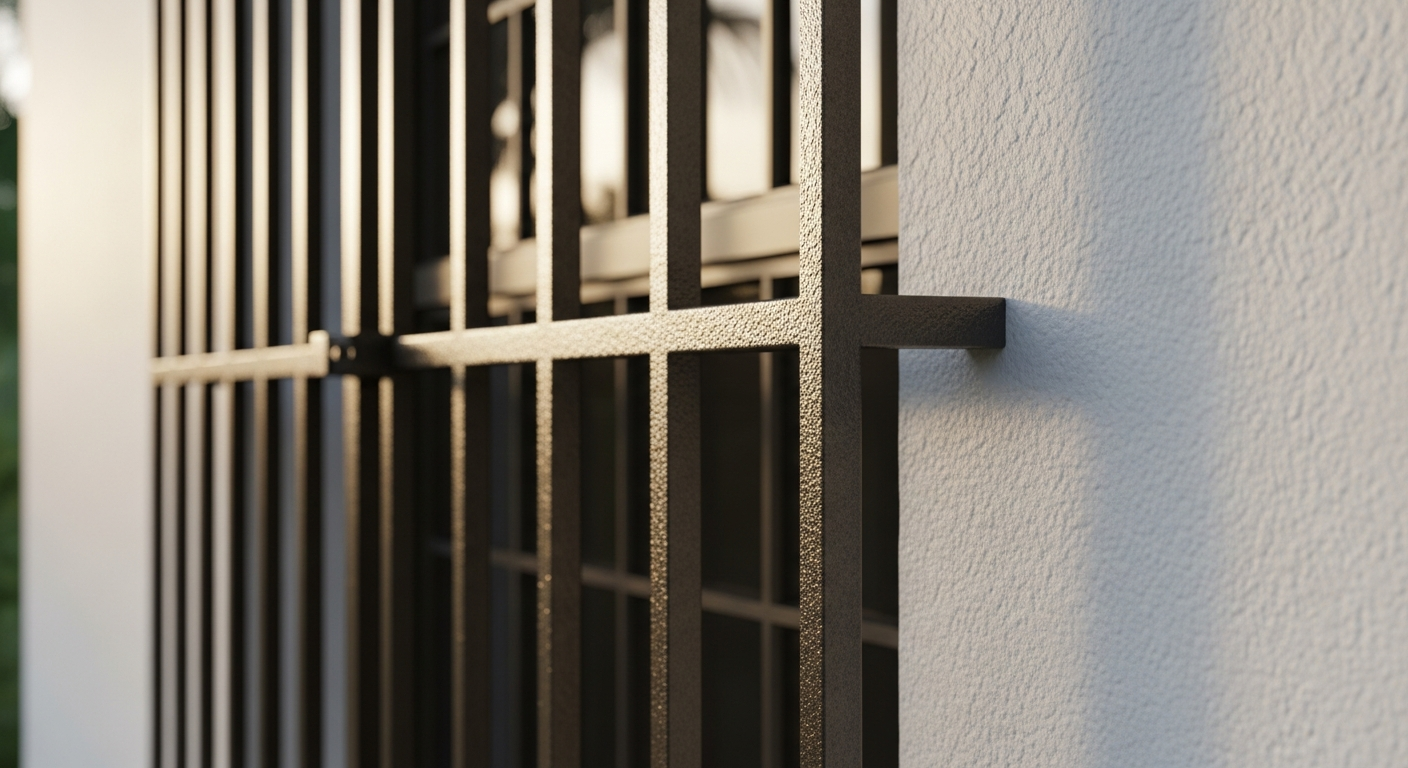
Fixed-mount bars: Best for ground-floor security in condos, apartment towers, and waterfront single-family homes. Permanently anchored and most resistant to forced entry. Requires professional installation in most Miami building types.
Quick-release bars: Required by FL code on all egress/bedroom windows. Feature an interior release lever that opens the bar in seconds during an emergency.
Removable bars (pin-lock): Popular for renters in Miami’s apartment market — install and remove without permanent hardware in some models.
Burglar bars with hinged door: Allow window ventilation while maintaining security. Popular in Miami’s warmer months for first-floor units.
Miami-Dade HVHZ requirements make professional installation mandatory for compliance. NOA documentation must be on file for inspections. Consult a licensed Florida contractor familiar with Miami-Dade HVHZ requirements before any window bar installation.
DIY vs. Professional Installation in Miami
DIY Installation — Best for:
Wood-frame homes with accessible wall studs
Adjustable or no-drill tension-mount bars
Single windows (not multi-window runs)
Homeowners with basic drill skills
Professional Installation — Best for:
Masonry, brick, or concrete block buildings
Multi-family or multi-window projects
Buildings requiring permit inspections
Properties in seismic or hurricane zones
Frequently Asked Questions — Window Bars in Miami
What is a NOA and why does Miami require it for window bars?
A Notice of Acceptance (NOA) is Miami-Dade County’s product certification for structural products used in the High-Velocity Hurricane Zone. It certifies wind-load resistance. Window bars without an applicable NOA may not legally be installed in Miami-Dade County.
Can standard window bars from online retailers be installed in Miami?
Not without verifying NOA compliance. Miami-Dade HVHZ requires certified products. Contact the Miami-Dade Product Control Division to verify whether a specific product has a valid NOA.
What material withstands Miami’s salt air and humidity?
Stainless steel is the premium choice. Hot-dip galvanized steel with marine-grade coating is an alternative. Standard powder coat is not suitable for Miami’s climate — expect visible rust within 1-2 years.
How does hurricane season affect window bar planning in Miami?
Inspect all window bar hardware before June each year. Ensure anchor bolts are tight, corrosion has not compromised structural integrity, and quick-release mechanisms are functional. Replace corroded hardware before storm season.
Ready to Secure Your Miami Property?
Browse our full selection of window bars — from quick-release egress-compliant bars to heavy-duty fixed-mount options for Miami’s tropical with hurricane season June–November climate.
Still have questions? Our Complete Window Bars Guide covers installation tips, material comparisons, code compliance, and more — written by window security experts.