Utility and energy facilities are built around a hard truth: the most valuable parts of the operation often sit at remote, unmanned sites for days or weeks at a time. Substation control buildings, water and wastewater treatment offices, gas field offices, and pump houses all contain switchgear, telemetry, copper, tools, and records that thieves actively target. Yet many of these ground-floor buildings still rely on a standard window latch as their last line of defense. With 83% of forced entries coming through a window or door (FBI, 2024), the window is exactly where a determined intruder looks first. Properly specified window security bars close that gap without rewiring a single panel.
Why Utility Buildings Are a Soft Target
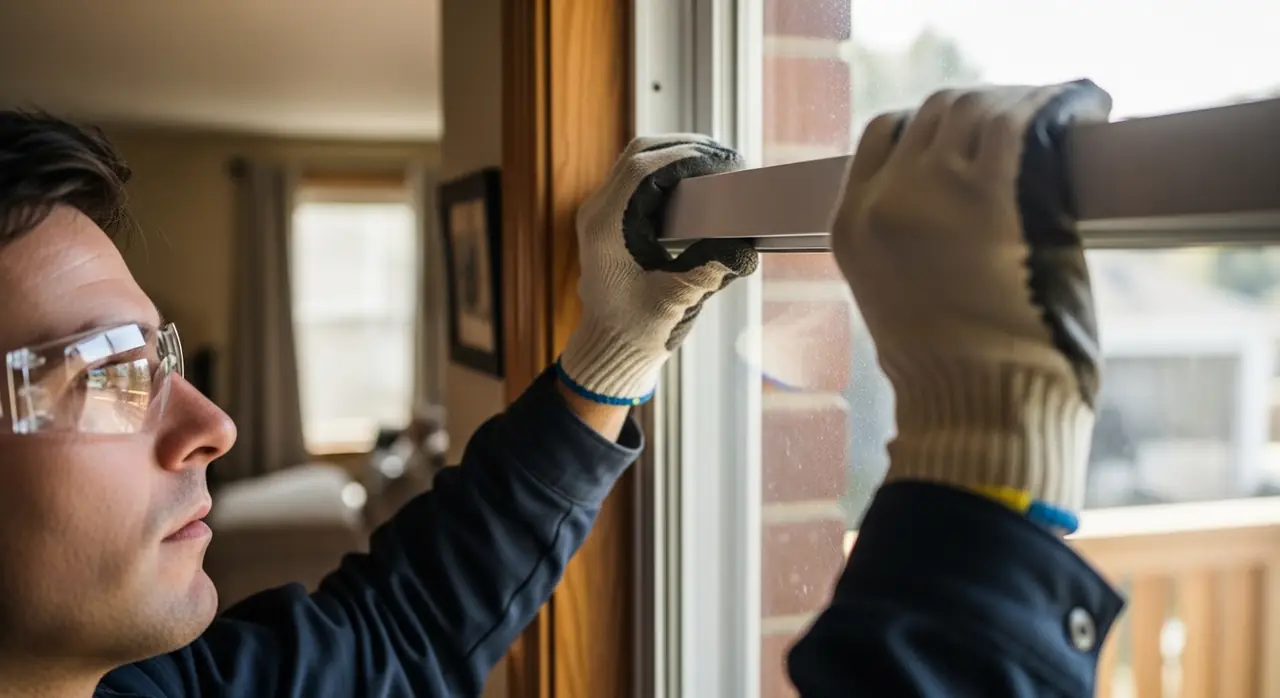
Critical-infrastructure sites face a different threat profile than a retail storefront. Copper grounding, wire, and equipment carry real resale value, and field offices store tools and controlled access credentials. Because remote sites can go unmonitored for long stretches, an intruder has time to work undisturbed. The encouraging news for operators: 85% of opportunistic break-ins are abandoned if the intruder is not inside within 60 seconds, and 60% of burglars skip a building entirely when they see visible bars. A hardened ground-floor window turns a quick smash-and-grab into a slow, exposed effort most intruders will not attempt. The average loss per incident still runs $2,661 — and at a utility site the downtime and equipment cost can dwarf that figure.
What SWB Bars Actually Protect
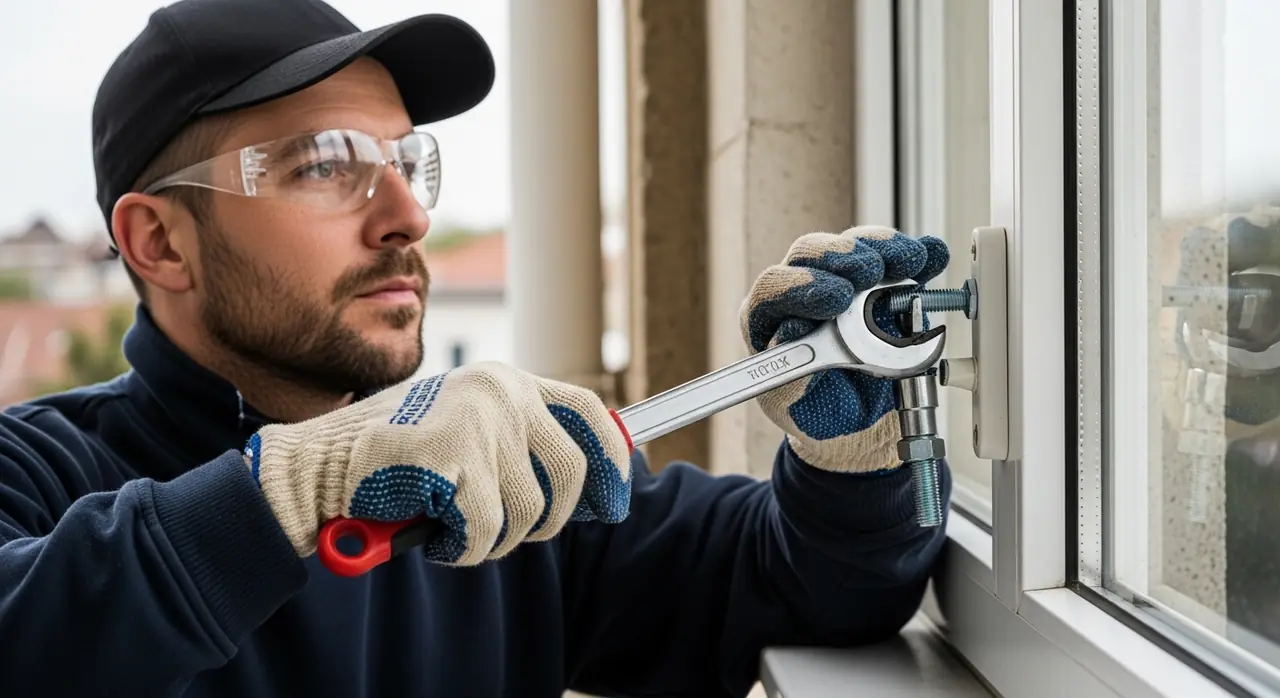
Be clear about scope. Security Window Bars are designed to harden the standard ground-floor windows of control buildings, treatment offices, pump houses, and field offices. They are not a substitute for perimeter fencing, gates, or substation-yard hardening — that is a separate layer. Where SWB excels is the perimeter building: the points where a person could physically climb through glass into a room full of switchgear, SCADA terminals, or copper. SWB units are telescopic and modular galvanized steel with an electrostatic paint finish, rated for a 30-plus-year lifespan, and installed DIY in 15 to 30 minutes per window. At $85 per core module versus $300–$1,500+ for custom welded bars, an operator can harden every window across a fleet of remote sites for a fraction of a single fabrication quote.
Choosing the Right Model for Your Site
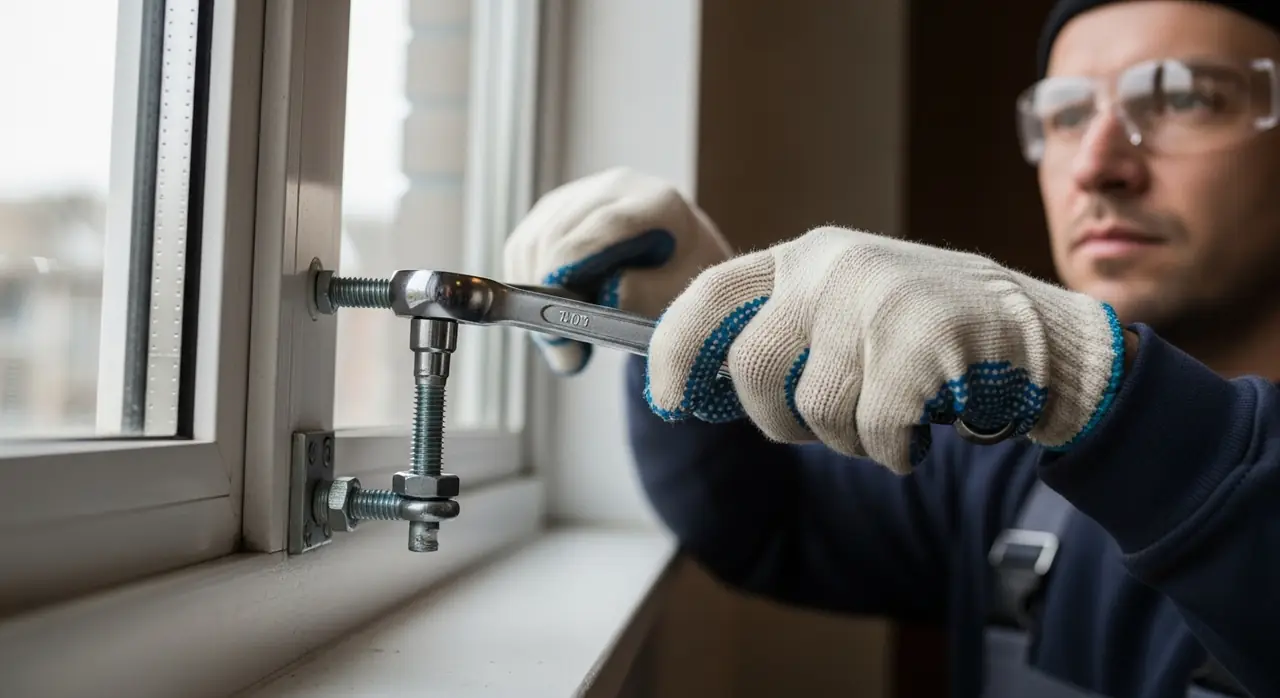
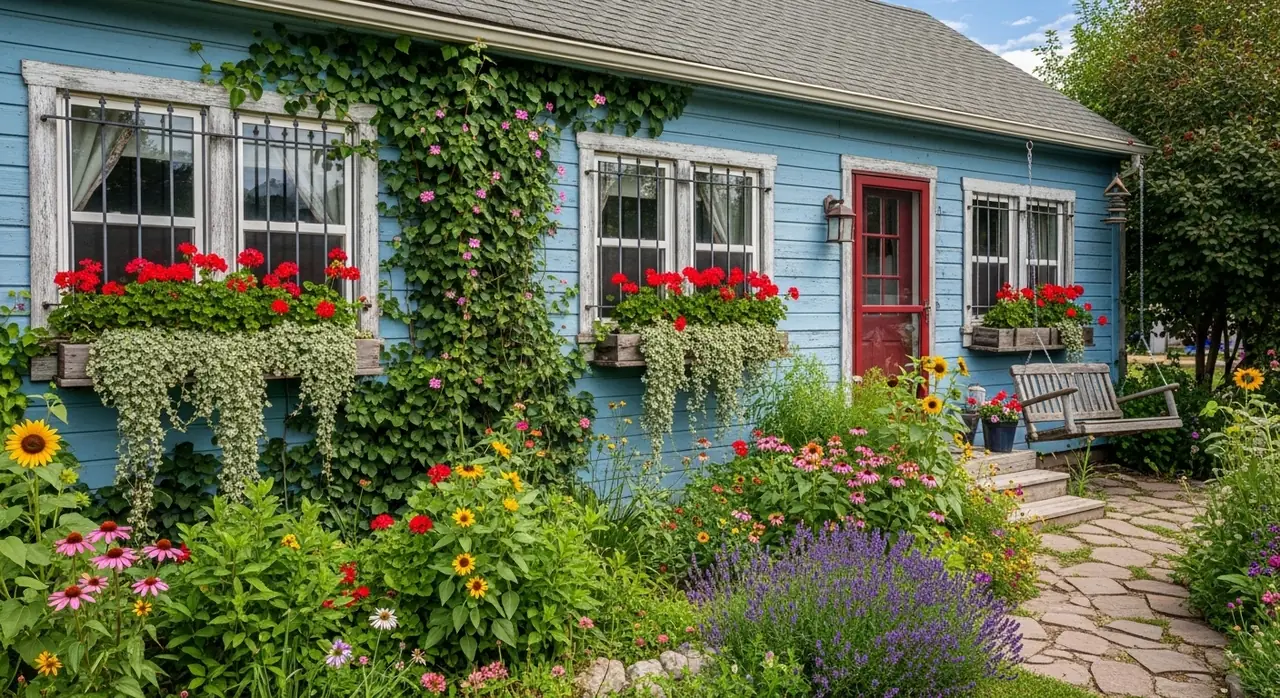
Utility buildings range from cinder-block pump houses to staffed control rooms, so the right model depends on wall type and occupancy. Use the table below to match the building to the product.
| Model | Best For | Mounting |
|---|---|---|
| Model B | Masonry/concrete pump houses & control buildings | Wall-mount into brick, block, concrete, or stucco with heavy-duty exterior-rated anchors |
| Model A | Standard office & field-building windows | Telescopic 10″–65″, modular to ~79″, frame or wall mount |
| Model A/EXIT | Staffed control rooms with egress windows | Tool-free quick-release, inoperable from outside |
Remote and Unmanned Sites
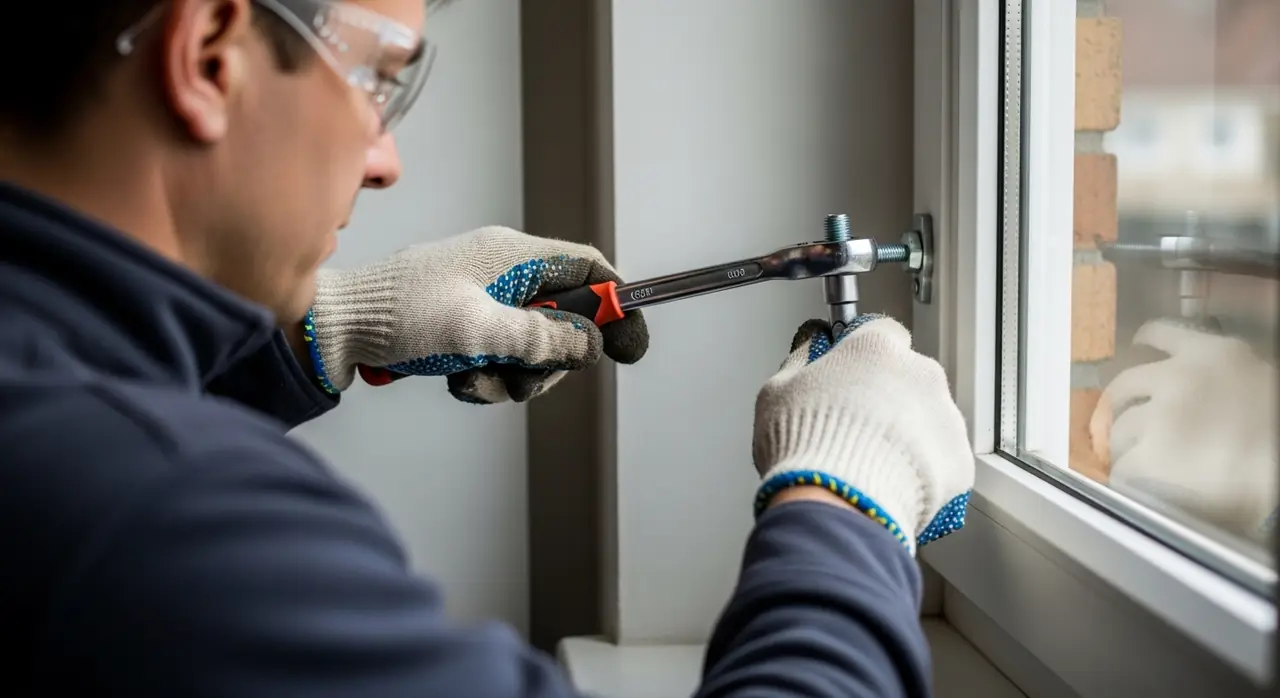
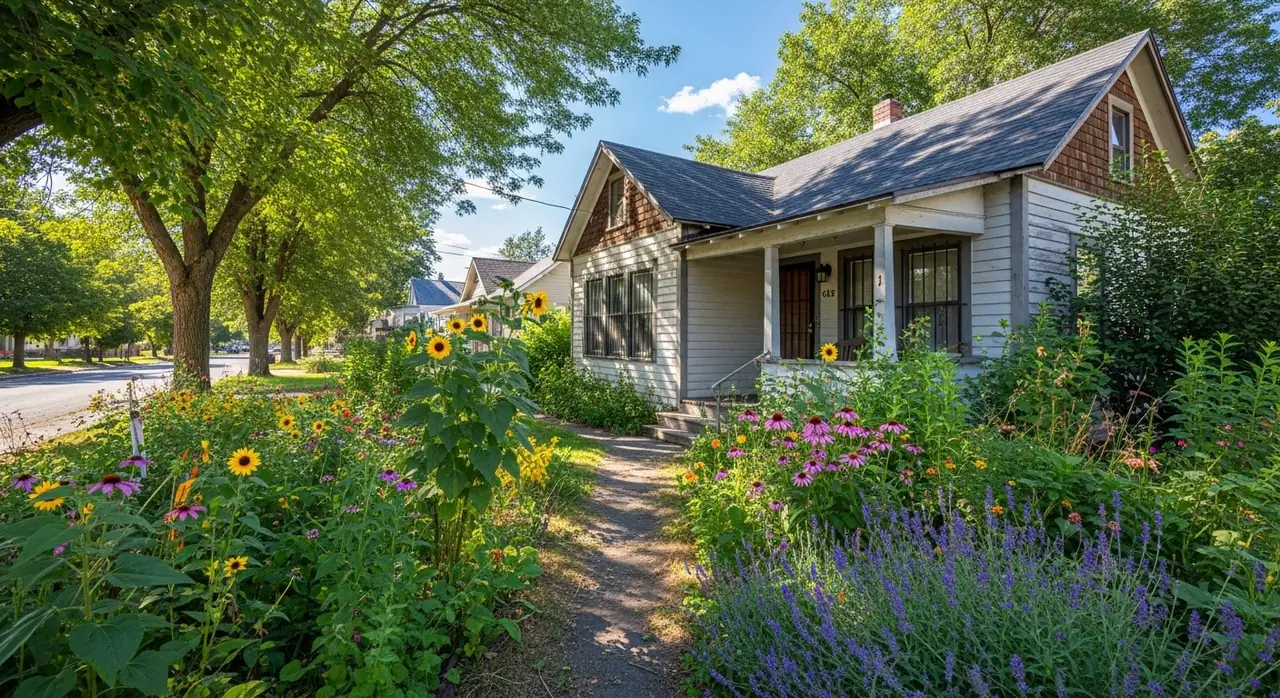
The hardest sites to protect are the ones no one visits for weeks. A remote masonry pump house or unmanned substation control building has no guard, no foot traffic, and often no reliable cellular alarm coverage. Physical deterrence has to carry the load on its own. Because SWB bars are visible from the approach, they do the deterrent work continuously — a passing or scouting intruder sees a hardened building and moves on. And because installation is tool-light and fast, a single technician can outfit an entire route of remote sites in one trip rather than scheduling a welding crew per location.
Meeting Regulatory and Security Expectations
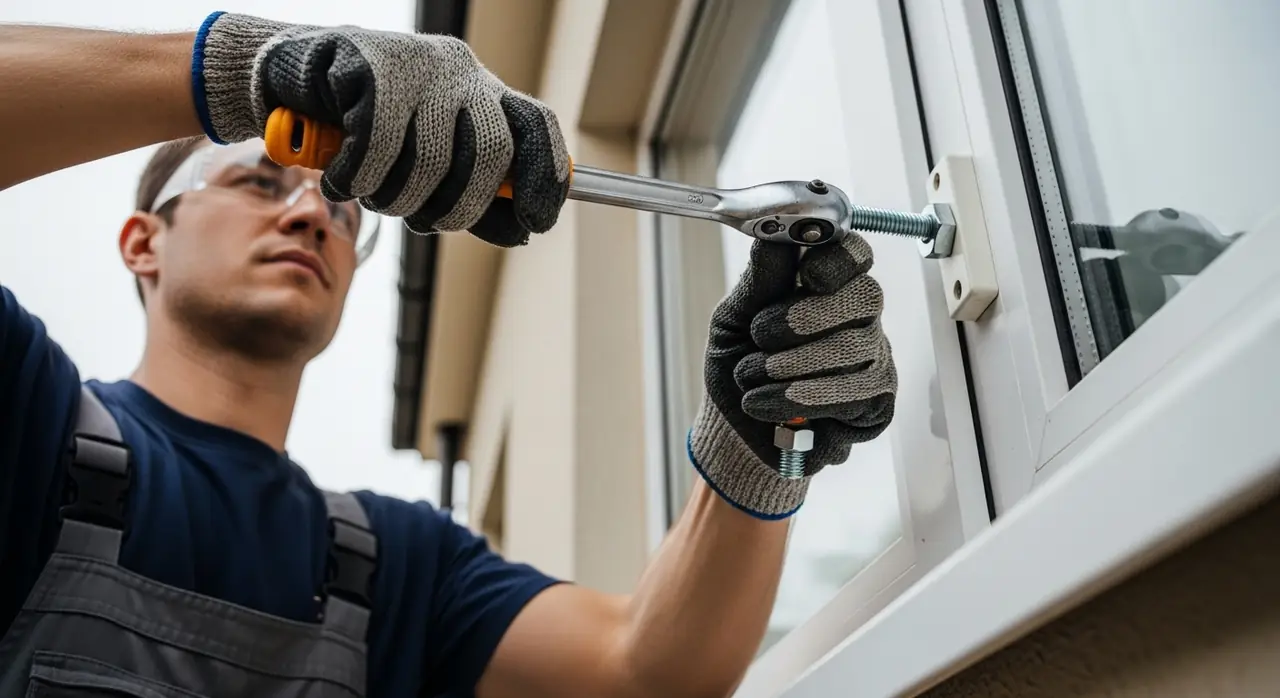
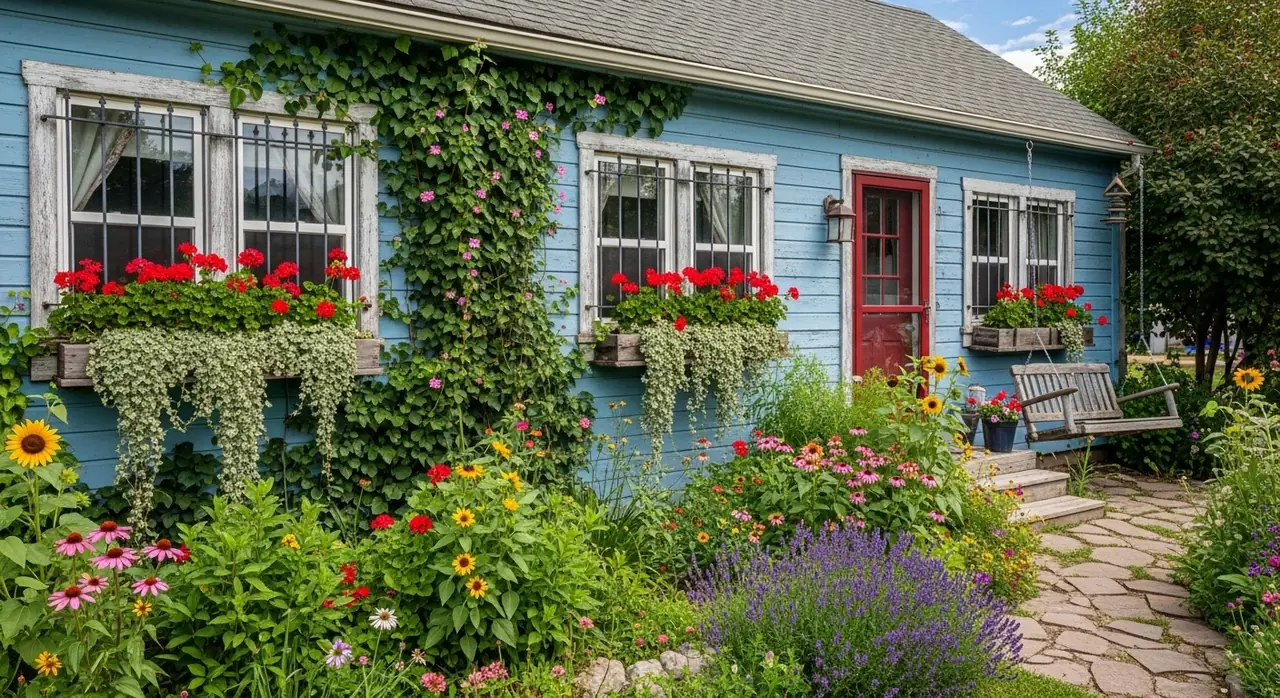
Energy and water utilities operate under broad physical-security expectations from regulators, insurers, and internal risk policies. While the specific frameworks vary by sector, the common thread is documented, reasonable barrier protection on accessible openings. Visible, professionally specified window bars give an operator something concrete to show an auditor or underwriter: every ground-floor window on a perimeter building is hardened with rated steel and proper anchors. Pair the full SWB product line with a written site survey and you have a defensible, repeatable standard across the fleet.
Fire Code and Egress: Don’t Lock People In
Any window bar on a building people occupy must respect egress requirements. If a control room, lab, or office is a designated sleeping or staffed space with a window serving as an emergency escape, that window needs a quick-release bar. The Model A/EXIT is built for exactly this: it is tool-free quick-release from the inside, inoperable from outside, and compliant with IBC, NFPA 101, and IRC R310. Use fixed Model A or Model B bars on unoccupied pump houses and equipment rooms; use Model A/EXIT on any staffed egress window. Review the details on our window bars fire code guide before you finalize a site spec.
Frequently Asked Questions
Will Window Bars Interfere With Equipment Ventilation or Access?
No. SWB bars mount over the window opening and leave the sash, louvers, and any wall vents fully operable. For windows that staff open routinely, the quick-release Model A/EXIT keeps the opening usable while still locking out an intruder.
Can One Technician Install These Across Multiple Remote Sites?
Yes. Each window takes 15 to 30 minutes with common tools, and the telescopic design adjusts on site, so a single technician can harden a full route of pump houses and field offices in a day rather than waiting on a fabrication and welding schedule.
Do Bars Really Deter Intruders at Unmanned Sites?
They do. Because 60% of burglars skip buildings with visible bars and most opportunistic break-ins are abandoned within 60 seconds, a hardened, clearly barred window removes the easy entry that remote sites otherwise offer. For unmanned locations with no live monitoring, that visible deterrence is often the most reliable layer you have.
Harden Every Control Building, Pump House & Field Office in Your Fleet
Rated steel window bars, DIY install in 15–30 minutes, $85 per module — built to protect critical-infrastructure perimeter buildings for 30-plus years.
Request a Commercial Quote →