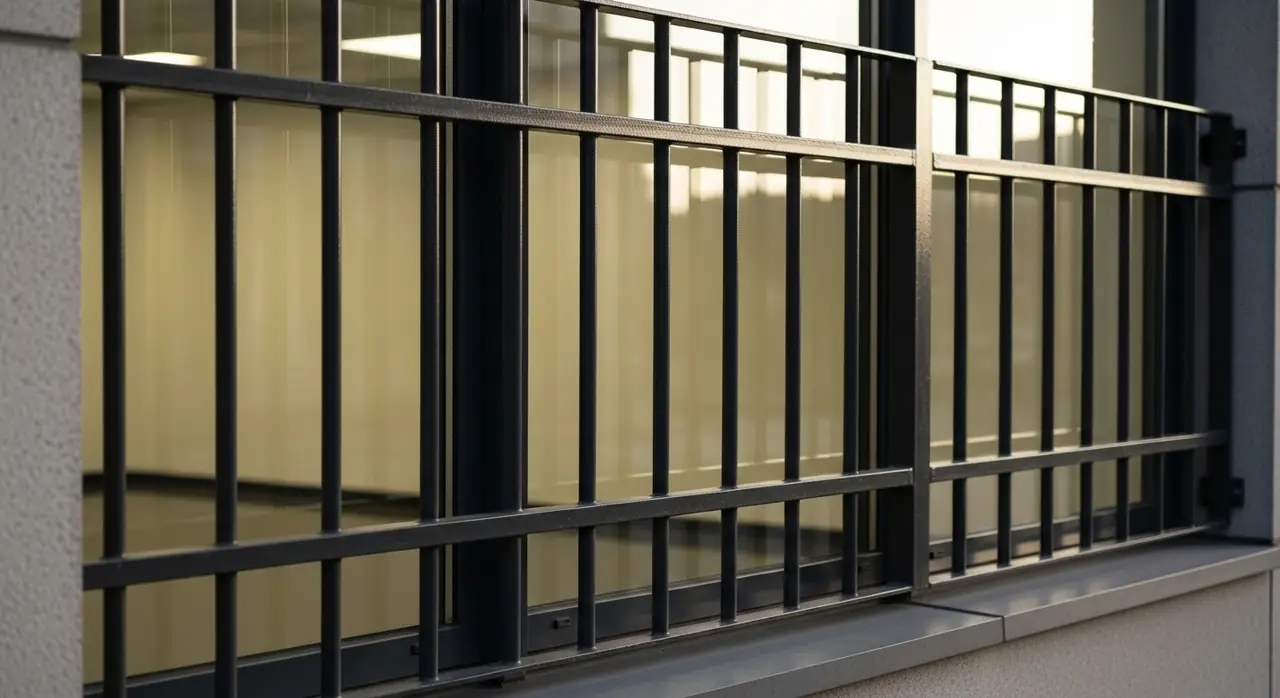
Window Bars for Ports and Maritime Facilities: Securing Critical Maritime Infrastructure
- Introduction: Why Maritime Security Matters
- The Risk Landscape of Ports and Maritime Facilities
- The Role of Window Bars in Maritime Security
- Compliance, Regulations, and Safety Standards
- Technical Design Requirements for Maritime Environments
- Window Bars vs Other Maritime Security Measures
- Real-World Use Cases in Ports and Terminals
- Advanced FAQ
- Conclusion
Ports and maritime facilities are essential gateways for global trade, energy supply, and national security. From container terminals to shipyards and ferry ports, these environments combine high asset value, public access, and complex operational demands.
For this reason, window bars for ports and maritime facilities are not an afterthought. They are a deliberate component of layered physical security, designed to protect critical areas while supporting regulatory compliance and operational continuity.
The Risk Landscape of Ports and Maritime Facilities

Maritime facilities face a unique blend of risks rarely found in other sectors. These include exposure to public areas, harsh environmental conditions, and the concentration of high-value assets.
- Unauthorized access to restricted zones
- Theft, smuggling, and vandalism
- Sabotage of critical infrastructure
- Operational disruptions affecting global supply chains
Even minor security breaches at ports can have international economic consequences.
The Role of Window Bars in Maritime Security

Window bars are commonly installed in maritime facilities to secure non-public and semi-public areas such as:
- Port authority offices
- Customs and inspection buildings
- Maintenance and utility structures
- Ground-level warehouses and terminals
In these contexts, window bars act as a passive security layer that operates continuously without relying on power or network connectivity.
Compliance, Regulations, and Safety Standards
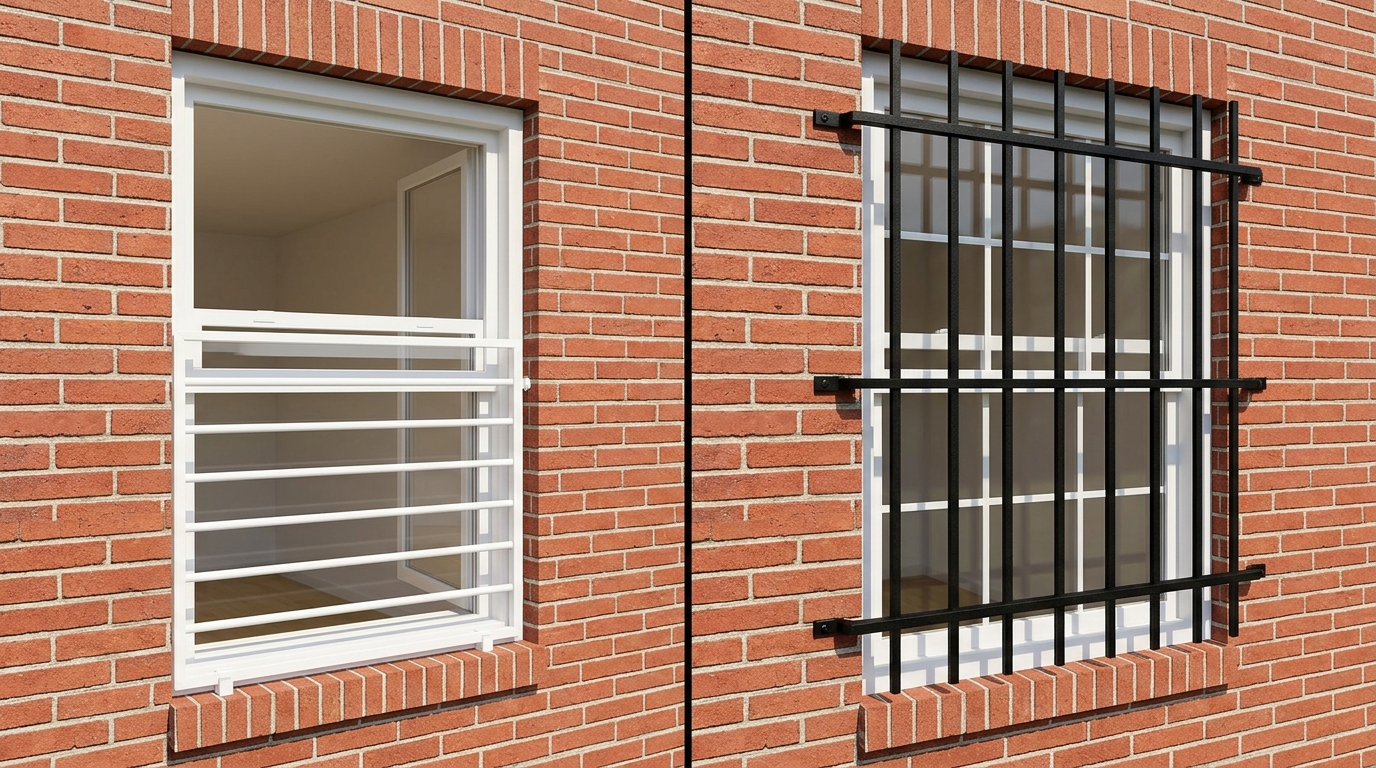
Contrary to common assumptions, window bars can be fully compliant with fire safety and occupational regulations when designed correctly.
- Quick-release mechanisms where egress is required
- Coordination with fire and safety authorities
- Routine inspections and documentation
- Integration with maritime safety protocols
Technical Design Requirements for Maritime Environments

Maritime environments impose demanding technical requirements on any physical security solution. Window bars must be engineered to withstand:
- High humidity and salt exposure
- Corrosion and long-term material fatigue
- Impact and forced-entry attempts
- Vibration from heavy equipment and vessels
Window Bars vs Other Maritime Security Measures

| Security Measure | Strength | Durability | Operational Impact |
|---|---|---|---|
| Window Bars | High | Very High | Minimal |
| Alarms | Medium | Medium | Reactive |
| Security Screens | Low | Low | Limited |
Real-World Use Cases in Ports and Terminals
Port authorities around the world deploy window bars strategically rather than uniformly. Typical use cases include:
- Securing administrative offices near docks
- Protecting customs processing areas
- Hardening perimeter-adjacent buildings
- Supporting layered security in restricted zones
Advanced FAQ
Are window bars allowed in ports?
Yes. When designed and installed correctly, window bars are widely used in ports and maritime facilities and approved by relevant authorities.
Do window bars interfere with maritime operations?
No. They are typically installed in controlled or non-public areas and do not affect daily port activities.
Can window bars meet fire and safety codes?
Yes, provided they include compliant release mechanisms where required.
Conclusion: Strengthening Maritime Infrastructure Through Physical Security
Window bars for ports and maritime facilities provide a reliable, long-lasting security solution for protecting critical maritime infrastructure. They complement electronic systems while offering continuous, passive protection.
As global trade and maritime security challenges evolve, investing in robust physical security measures is an essential step toward resilience and operational stability.
Security WB Home