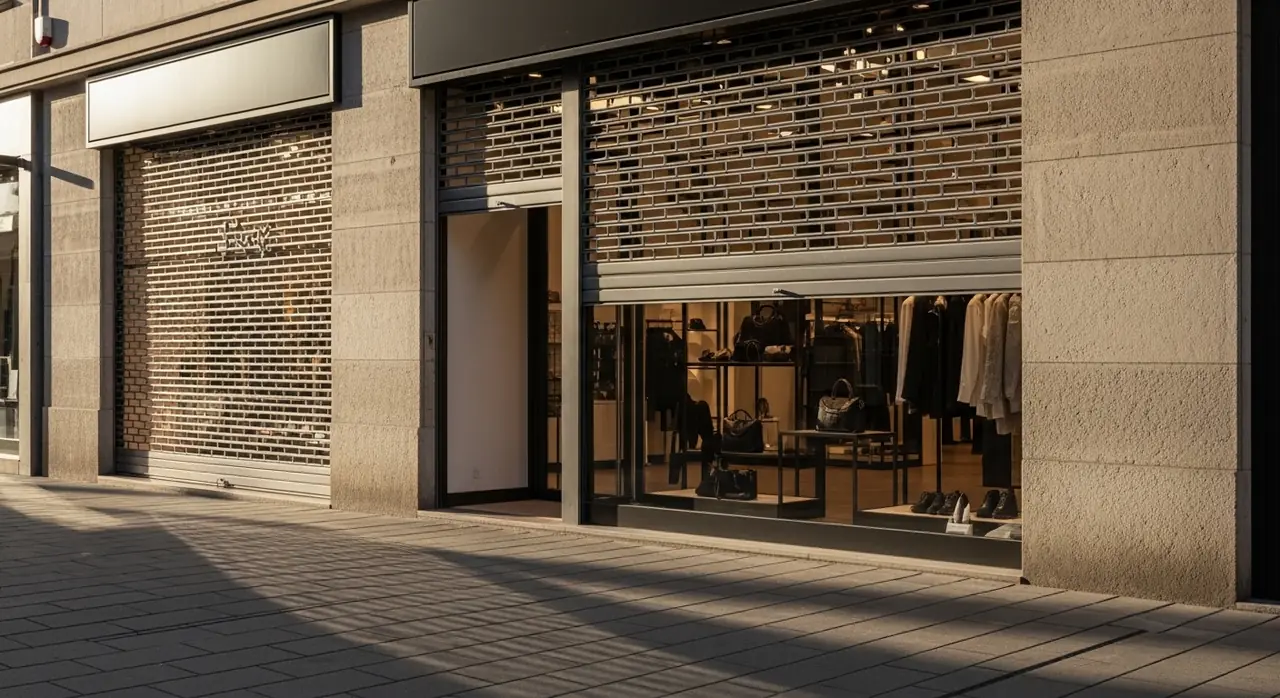
For a retail store, a broken window is rarely the end of the loss — it’s the beginning. According to the FBI’s 2024 crime data, 83% of forced entries happen through a window or door, and the average commercial burglary now costs a retailer $2,661 per incident before you count the smashed display glass, the lost overnight sales, and the insurance fallout. Smash-and-grab and ram-raid crews target stores precisely because a single pane of glass is the only thing between them and your inventory. Commercial window bars change that math by putting hardened steel where the glass alone used to fail.
Why Retail Windows Are the Weak Point
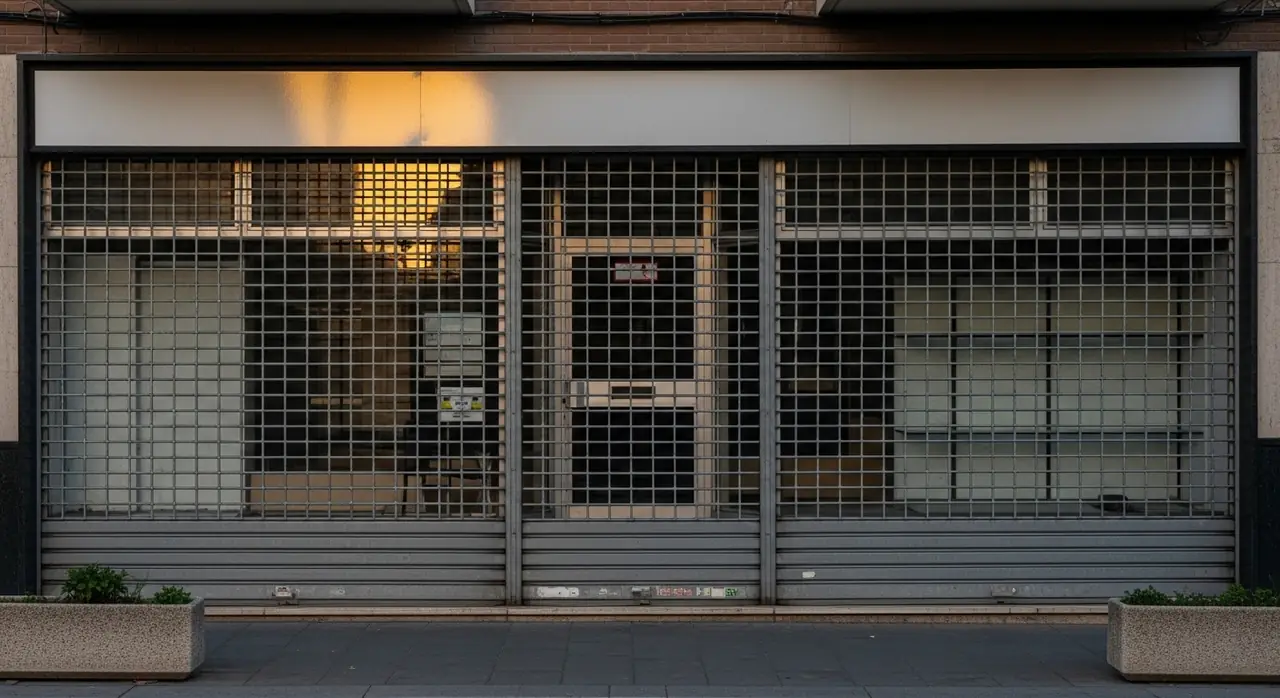
Storefront display windows, side-alley stockroom windows, and rear back-of-house openings each carry a different risk, but they share one thing: glass is fast to defeat and silent to breach after hours. Jewelry, electronics, and apparel stores absorb the worst of opportunistic shrink because their merchandise is portable, resaleable, and visible from the sidewalk. The data is blunt — 85% of opportunistic burglars abandon a target if they can’t get in within 60 seconds, and 60% will skip a storefront entirely when they see visible bars. Security Window Bars are built to win that 60-second decision before it’s ever made.
Deterrence You Can See From the Sidewalk
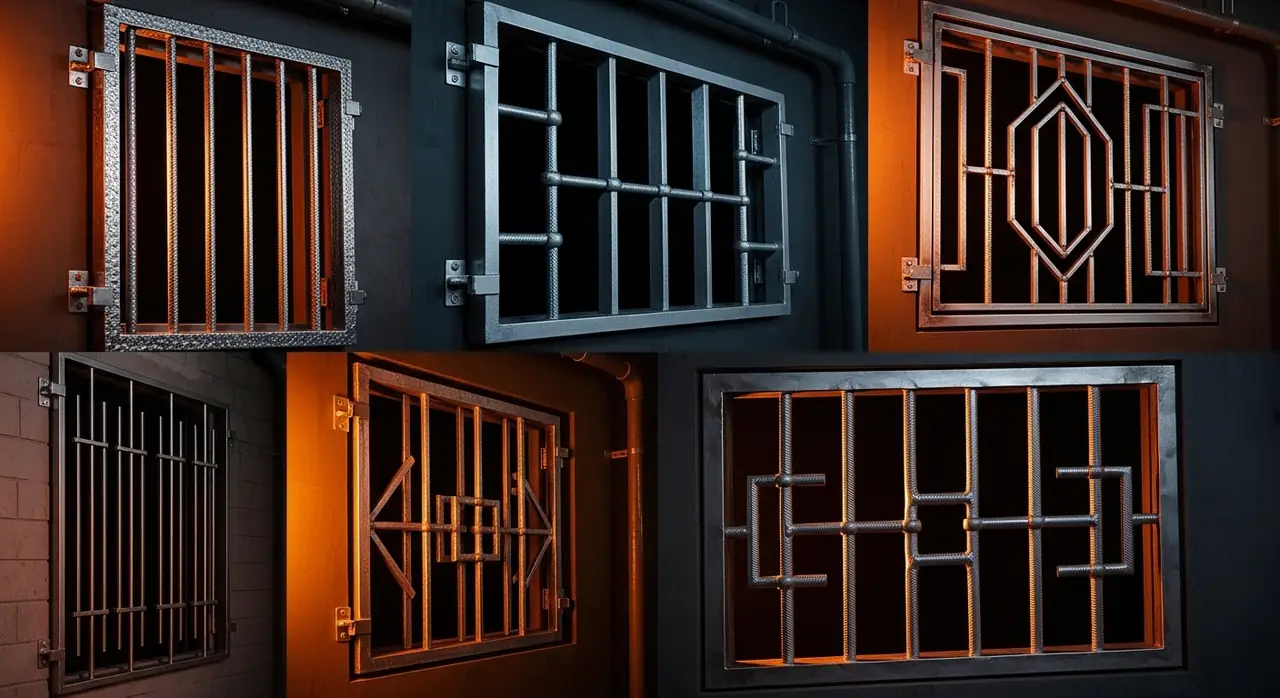
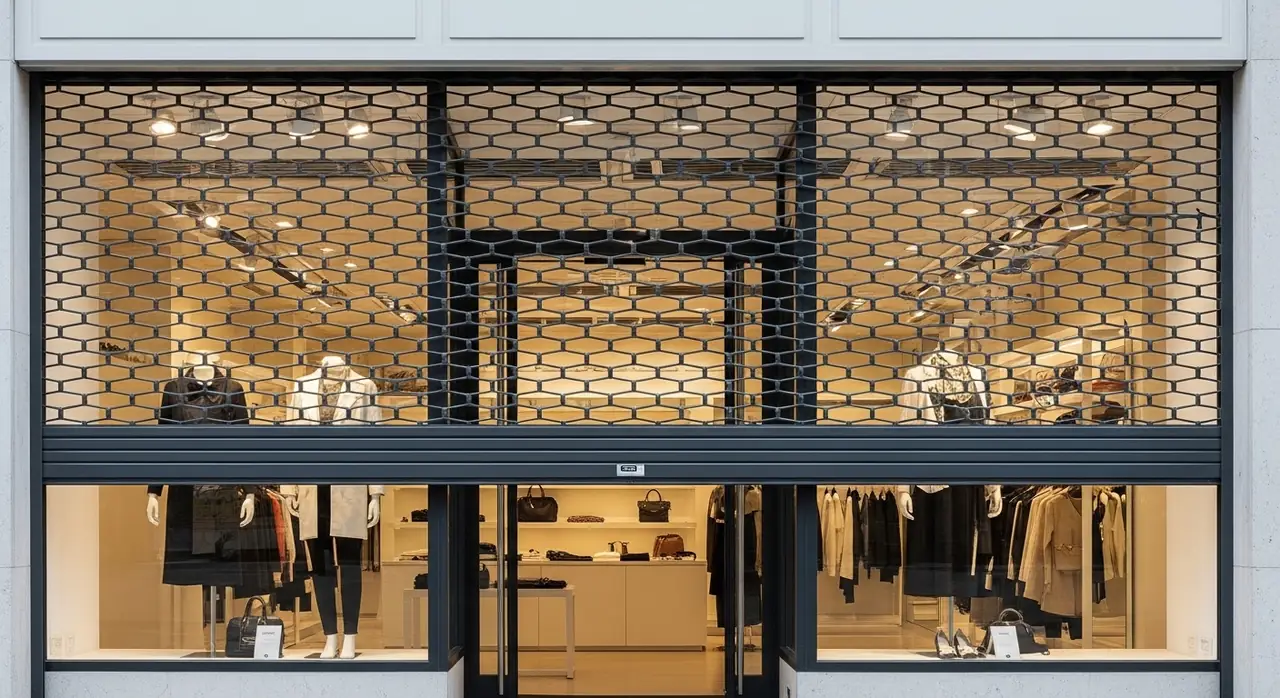
Most retail break-ins aren’t sophisticated; they’re opportunistic. A would-be thief walks the block, sizes up the easiest entry, and moves on the moment your store looks like work. Visible steel bars are the cheapest deterrent in security because they shift the decision before the crowbar ever comes out. SWB bars use a telescopic, modular steel design with a galvanized base and electrostatic paint finish — engineered for a 30+ year lifespan and, just as importantly, a clean modern look rather than a “prison-bar” cage that scares off paying customers.
Protecting Stockrooms, Offices, and Rear Access
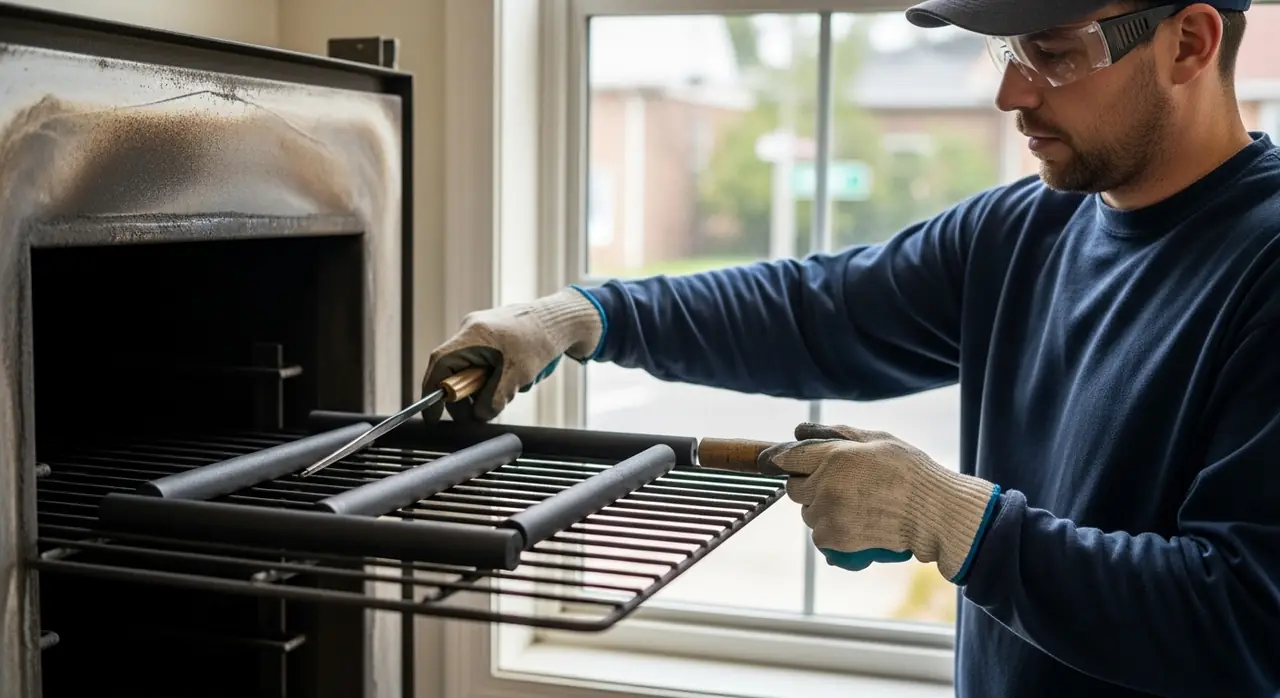
Front display glass gets the attention, but the quiet entry points — a stockroom window in the loading alley, a back-office vent window, an upper-floor opening above the awning — are where determined burglars actually go. The Model A handles standard back-office and upper windows with a telescopic span from 10″ to 65″ (modular to roughly 79″), mounting to either the frame or the wall. For ground-floor stockrooms and brick or stucco exteriors, the Model B anchors directly into masonry with heavy-duty, exterior-rated hardware that’s light-commercial approved for storefronts.
Choosing the Right Model for Your Store

| Model | Best For | Mount |
|---|---|---|
| Model B | Masonry/brick storefronts & stockroom walls | Wall-mount, masonry/concrete/stucco |
| Model A | Standard back-office & upper windows | Frame or wall mount |
| Model A/EXIT | Staffed back rooms & offices with egress windows | Frame or wall, tool-free quick-release |
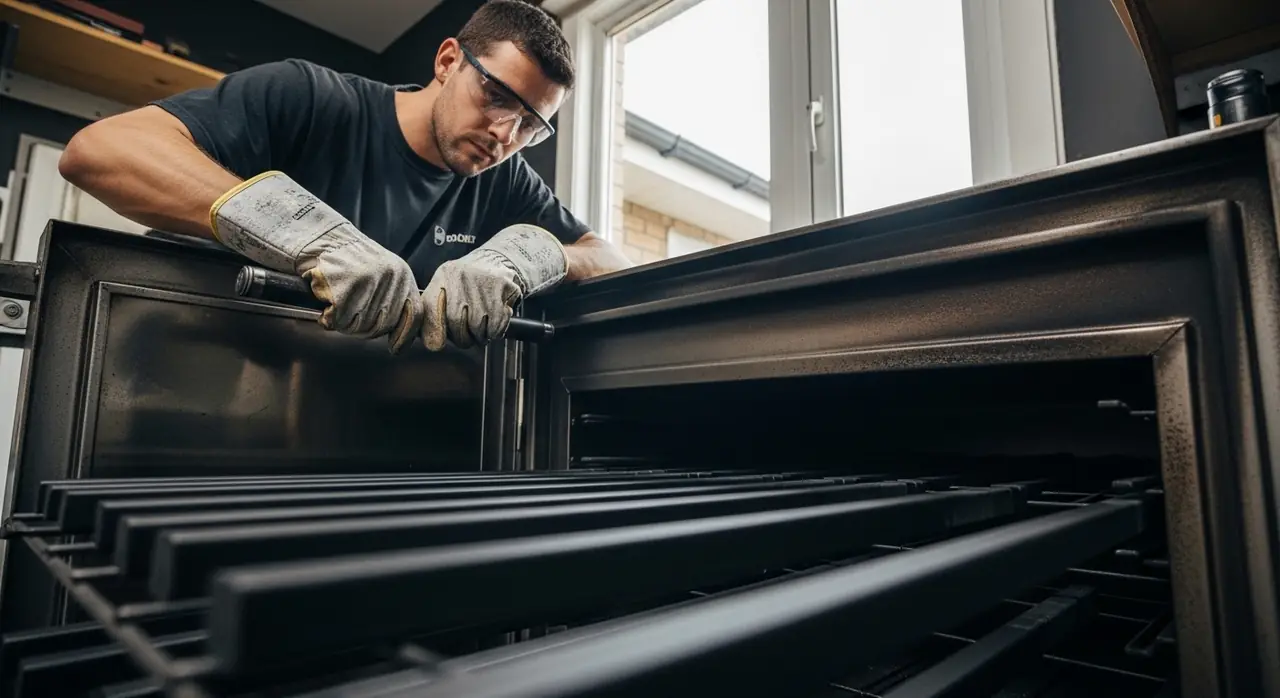
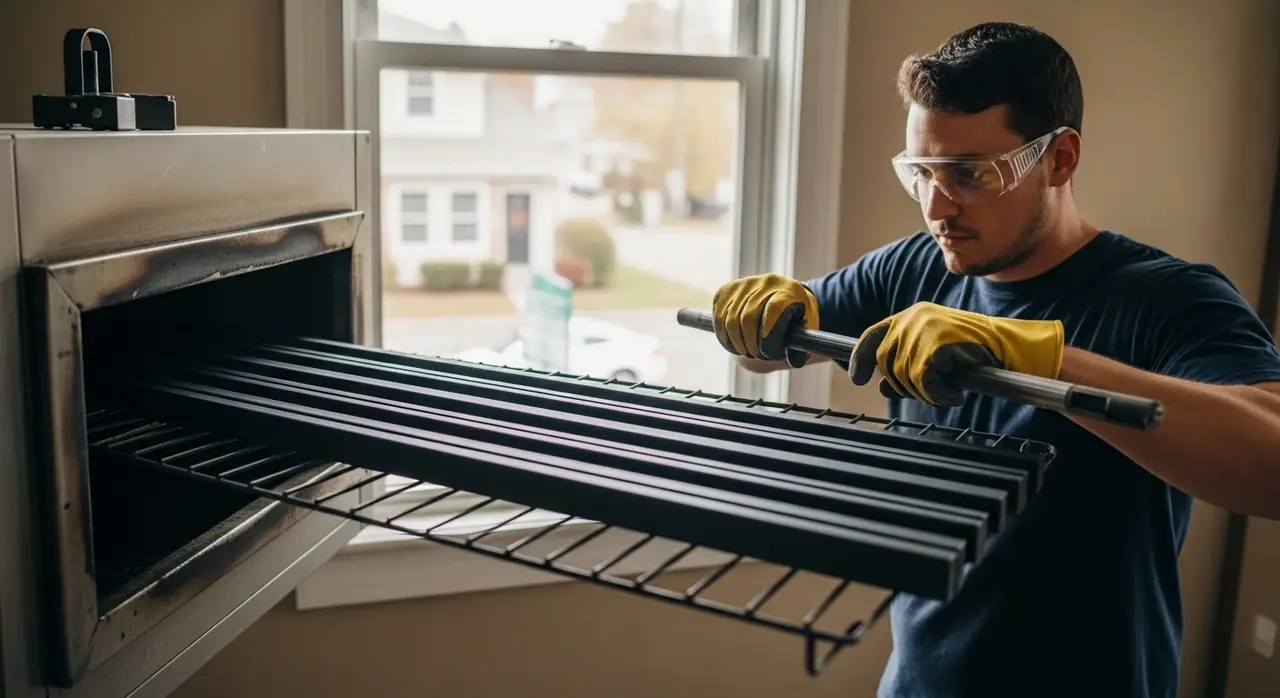
Every model installs DIY in 15–30 minutes and runs $85 per core module — a fraction of the $300–$1,500+ you’d pay for custom welded ironwork, with no contractor and no downtime for your store.
Fire Code and Egress: Don’t Bar a Staffed Exit Shut
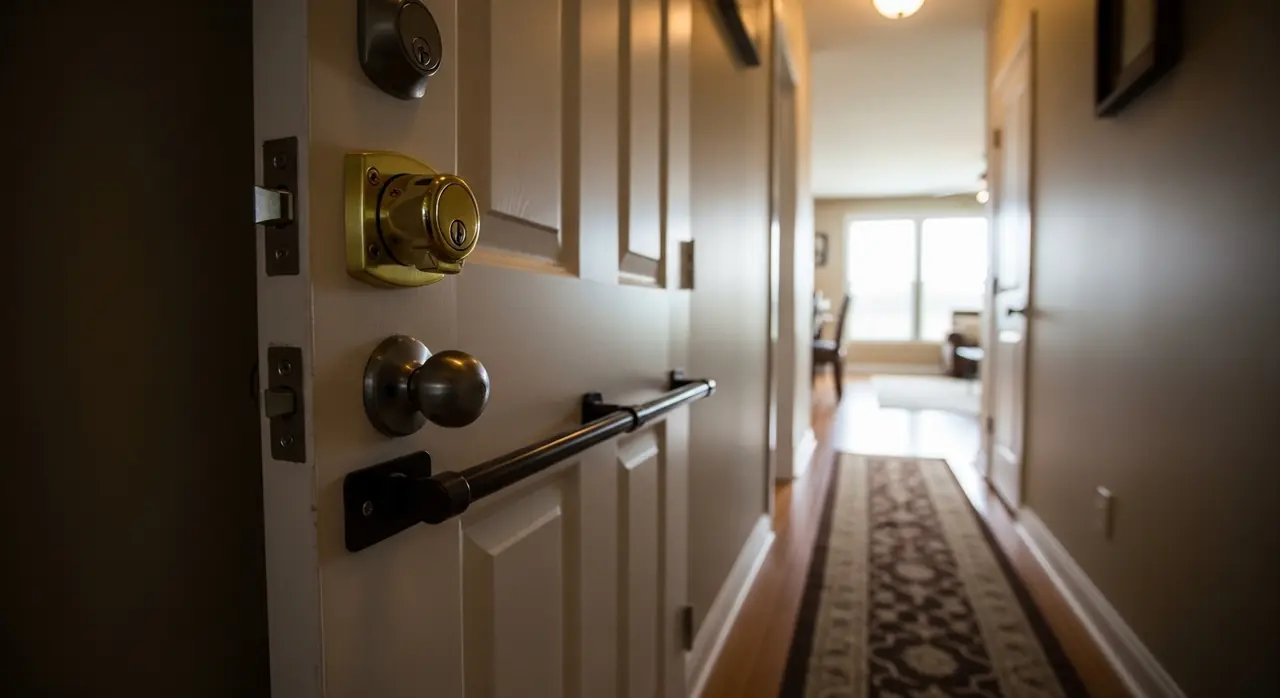
This is the detail that gets retailers in trouble. Any window that serves as an emergency exit in a staffed back room or office cannot be permanently barred. The Model A/EXIT solves this with a tool-free quick-release mechanism that opens instantly from the inside yet stays inoperable from outside. It’s compliant with IBC, NFPA 101, and IRC R310 egress requirements — the same standards your fire marshal inspects against. Bar a required egress window with a fixed grille and you’re not just risking a failed inspection; you’re risking lives. Review the full window bars fire code guidance before you order for any occupied space.
Where Bars End and Glass Protection Begins
An honest word on coverage: SWB bars are the right answer for ground-floor, rear, and stockroom windows — the openings a burglar can physically climb through. They are not a substitute for protecting a large plate-glass display window against a thrown object or a vehicle ram. For full storefront glass, pair your bars with security window film or roll-down grilles so the deterrence works at both the entry and the display. The strongest retail perimeter layers steel where bodies pass and film where glass faces the street.
Frequently Asked Questions
Will Window Bars Make My Store Look Like a Pawn Shop?
No. SWB’s modular bars use a clean, powder-finished steel profile designed to read as deliberate security, not a cage. On rear and stockroom windows they’re barely noticed by customers, and on visible ground-floor openings they signal “protected” to thieves without the heavy, dated look of welded prison bars.
Can I Install These Myself Without Closing the Store?
Yes. Each unit is telescopic and modular, so it adjusts to your opening and mounts in 15–30 minutes with basic tools — no welding, no contractor, no downtime. Most retailers bar a full bank of stockroom and office windows in a single afternoon. Browse the full product lineup to match models to your openings.
Do Bars Stop a Ram-Raid Through the Front Glass?
Bars stop a person from climbing through a breached window, which covers the overwhelming majority of overnight break-ins. A vehicle ram-raid against a large display pane is a separate threat best handled by bollards and security film at the glass, with bars protecting the climb-through openings around it. Used together, they close both gaps.
Lock Down Your Storefront Before the Next Smash-and-Grab
Get a commercial quote on telescopic steel bars sized to your store’s windows — shipped ready for a 15-minute install.