Government buildings carry a unique burden: they hold public records, taxpayer-funded equipment, and sensitive case files behind windows that empty out every night and weekend. Municipal offices, courthouse annexes, DMV branches, and public-works depots are rarely staffed around the clock, yet they sit on busy ground-floor frontage that anyone can study from the sidewalk. The weakest point is almost never the front door — it is the ground-floor and perimeter window. According to the FBI (2024), 83% of forced-entry incidents exploit a window or door, and an unhardened public-facing office is exactly the kind of soft target opportunists count on.
Why Government Buildings Are a Target
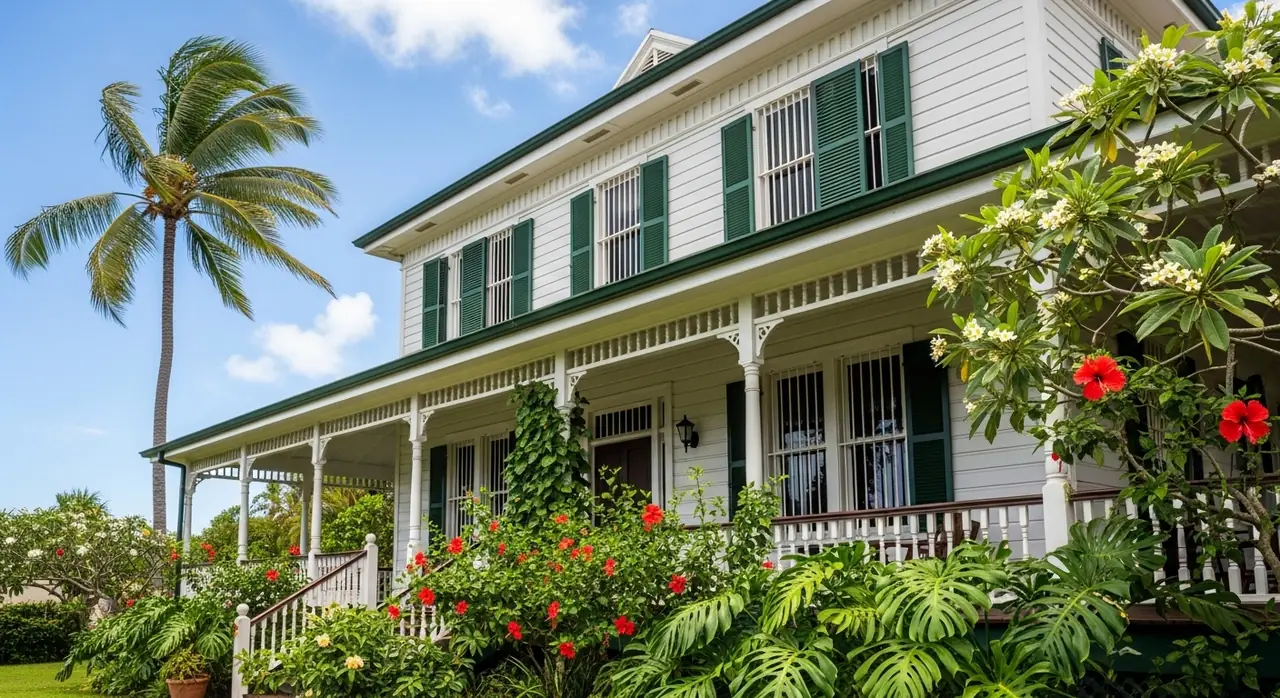
Public buildings combine high-value contents with predictable, after-hours vacancy. A records annex or permit office may sit dark from Friday evening to Monday morning, giving an intruder a long, undisturbed window of opportunity.
- Public records and case files — identity data, property records, and legal documents that are costly and slow to replace.
- Taxpayer-funded equipment — computers, survey gear, and depot tools that walk out fast and hit the public purse.
- Predictable vacancy — posted hours tell anyone watching exactly when ground-floor offices empty out.
What Window Bars Add To A Layered Defense
Alarms and cameras report a break-in; they do not stop one. A visible steel barrier changes the math before an intruder ever commits. Roughly 60% of burglars skip buildings with visible bars, and 85% of opportunistic break-ins are abandoned if entry is not achieved within 60 seconds. With an average loss of $2,661 per burglary — plus the far higher cost of breached public records — a physical barrier that buys those 60 seconds is the difference between a deterred attempt and an incident report. SWB bars complement, not replace, your alarms and access control as the hardened first layer.
Choosing The Right SWB Model By Building Type
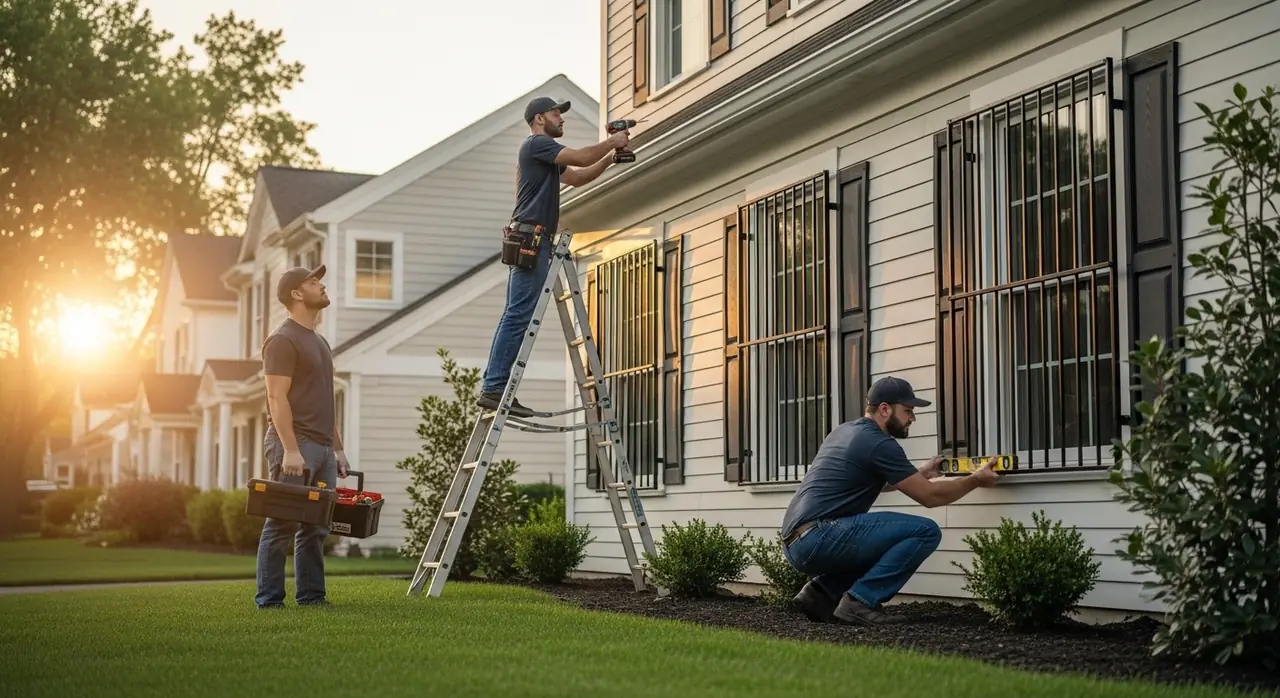
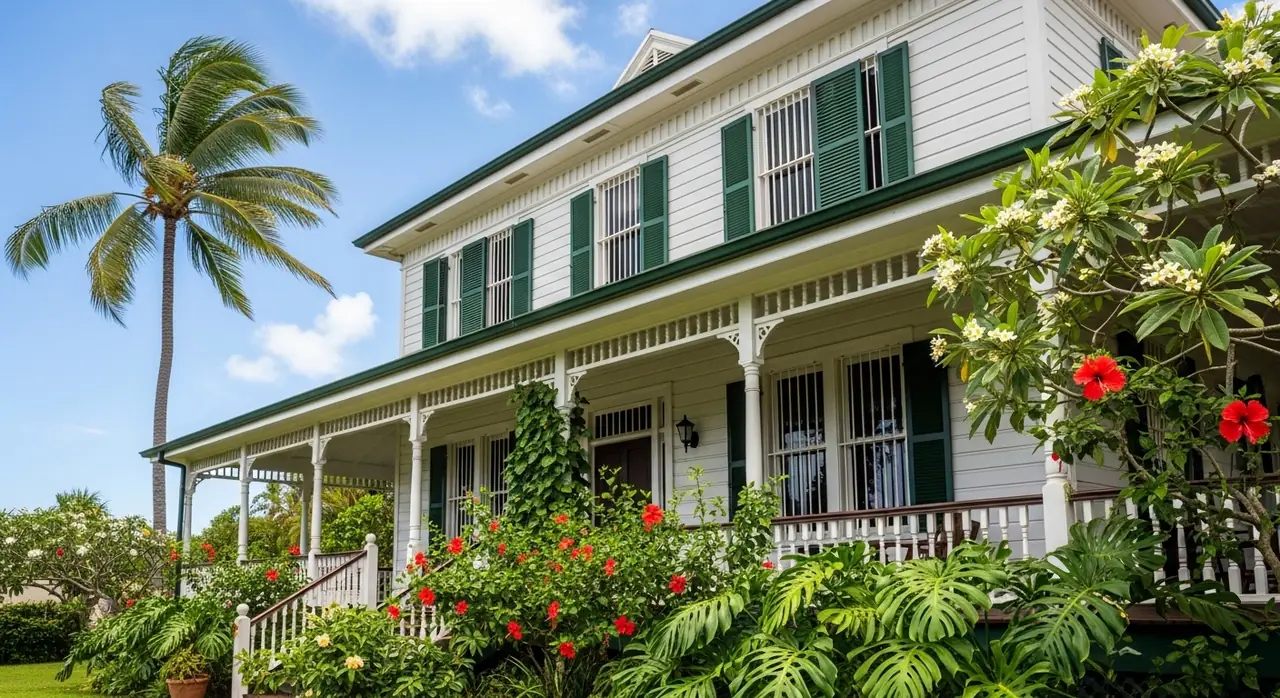
SWB makes telescopic and modular steel window security bars in galvanized steel with an electrostatic paint finish — a 30+ year lifespan, DIY installation in 15–30 minutes, and $85 per core module versus $300–$1,500+ for custom commercial fabrication. Match the model to the wall and the room.
| SWB Model | Best For | Mounting |
|---|---|---|
| Model B | Masonry, concrete, brick, or stucco walls — older courthouses, depots, records buildings | Wall-mount, heavy-duty anchors included, exterior-rated |
| Model A | Standard residential and light-commercial window frames — municipal offices, annexes | Frame or wall mount, telescopic 10″–65″, modular to ~79″ |
| Model A/EXIT | Staffed or occupied rooms that double as egress windows | Tool-free quick-release, inoperable from outside |
Fire Code Is Non-Negotiable On A Staffed Facility
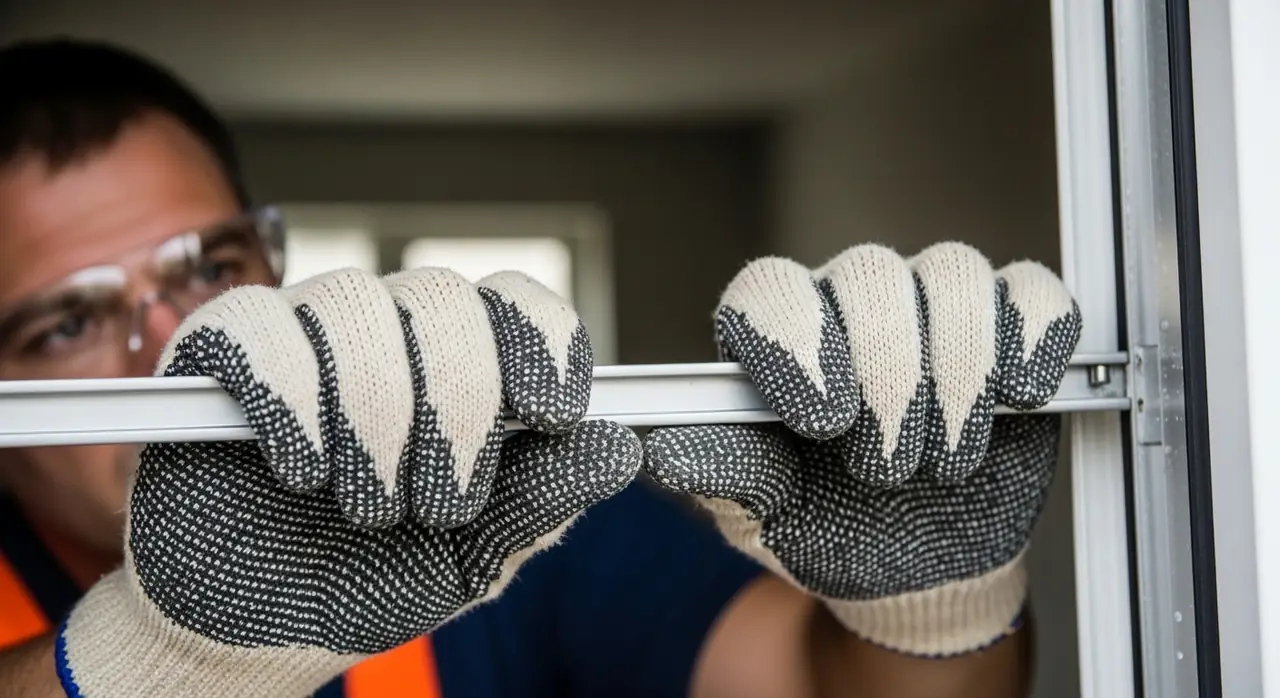
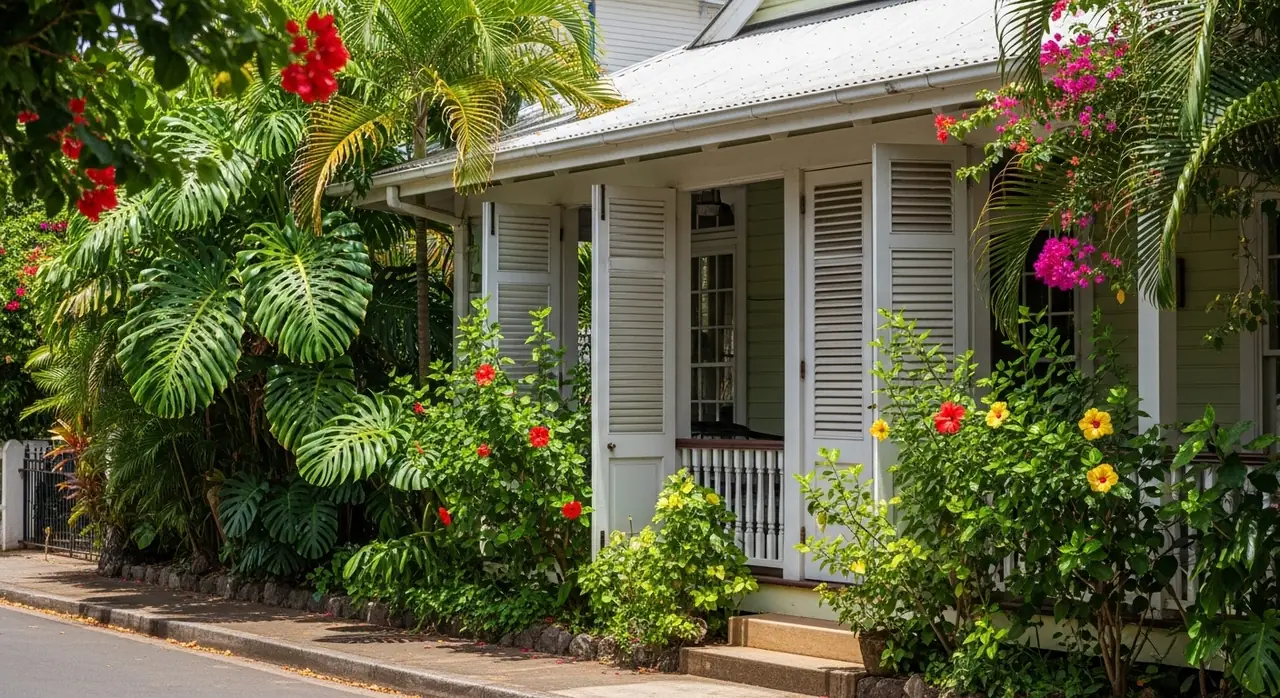
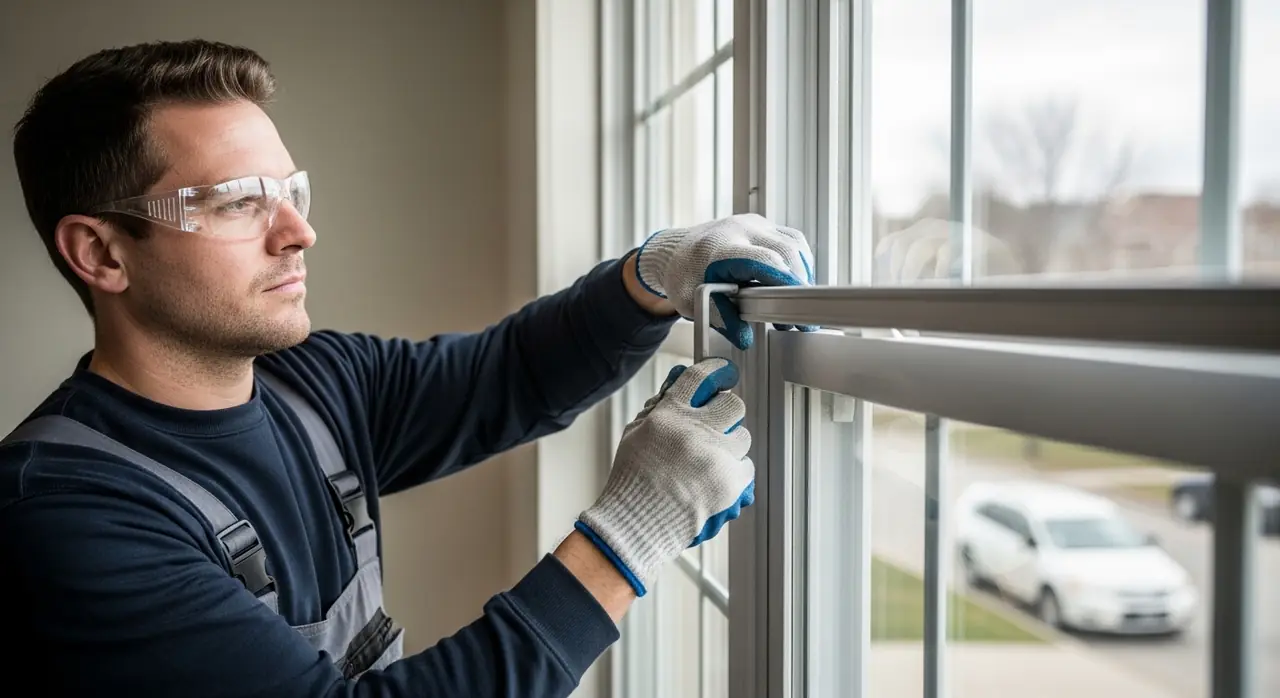
Any room where the public or staff are present must keep its egress windows openable from the inside without a key, tool, or special knowledge. On a fixed bar that fails. The Model A/EXIT solves it with an integrated tool-free quick-release — lift the bolt and push — that is IBC, NFPA 101, and IRC R310 compliant, yet inoperable from the outside. Use fixed bars on storage, records, and mechanical rooms; use Model A/EXIT on any office, lobby, or staffed area that a building official will inspect. Our window bars and fire code guide breaks down where each applies.
Specifying At Scale
For a building department, the appeal is straightforward stewardship of public money. Custom commercial bars run $300–$1,500+ per opening; SWB core modules are $85, install in under half an hour with in-house facilities staff, and carry a 30+ year service life with no recurring contract. A standardized order across a portfolio of annexes and field offices keeps spares interchangeable and procurement simple. Browse the full commercial window bars line or the complete product range to spec by opening size.
One honest note: SWB supplies DIY residential and light-commercial bars suited to standard ground-floor and perimeter windows. They are an excellent hardened first layer for public-facing offices and annex buildings — not a substitute for vault-grade hardening on evidence rooms or high-security archives, which call for purpose-built fortification.
Frequently Asked Questions
Will Window Bars Violate Fire Or Building Codes On A Public Building?
Not if you spec correctly. Egress windows in staffed or occupied rooms require the Model A/EXIT with its tool-free quick-release, which meets IBC, NFPA 101, and IRC R310. Fixed bars are appropriate for non-occupied storage and records rooms.
Are These Bars Strong Enough For An Older Masonry Courthouse?
Yes. Model B is built for masonry, concrete, brick, and stucco, ships with heavy-duty anchors, and is exterior-rated and light-commercial approved for older perimeter walls.
Can Facilities Staff Install These Without A Contractor?
Yes. Each unit is a DIY install in 15–30 minutes using standard tools, so your in-house team can outfit a portfolio of offices without paying for custom fabrication or recurring service contracts.
Harden your ground-floor and perimeter windows for a fraction of custom-fabrication cost.
Get a commercial quote sized to your public buildings — no fabrication contract required.
Request a Commercial Quote →