Transportation infrastructure runs around the clock, but the buildings that support it rarely do. Long after the last bus pulls into the depot, ground-floor windows at maintenance garages, dispatch offices, and fare back-of-house sit dark and unmanned. Those windows are exactly where forced entry happens: the FBI reported in 2024 that 83% of break-ins exploit a window or door. For transit agencies and contractors protecting fare revenue, expensive diagnostic tooling, fuel, and replacement parts, a hardened ground-floor opening is one of the cheapest and most effective deterrents available. Security Window Bars deliver that hardening without custom fabrication or a contractor crew.
Why Transportation Support Buildings Are a Target
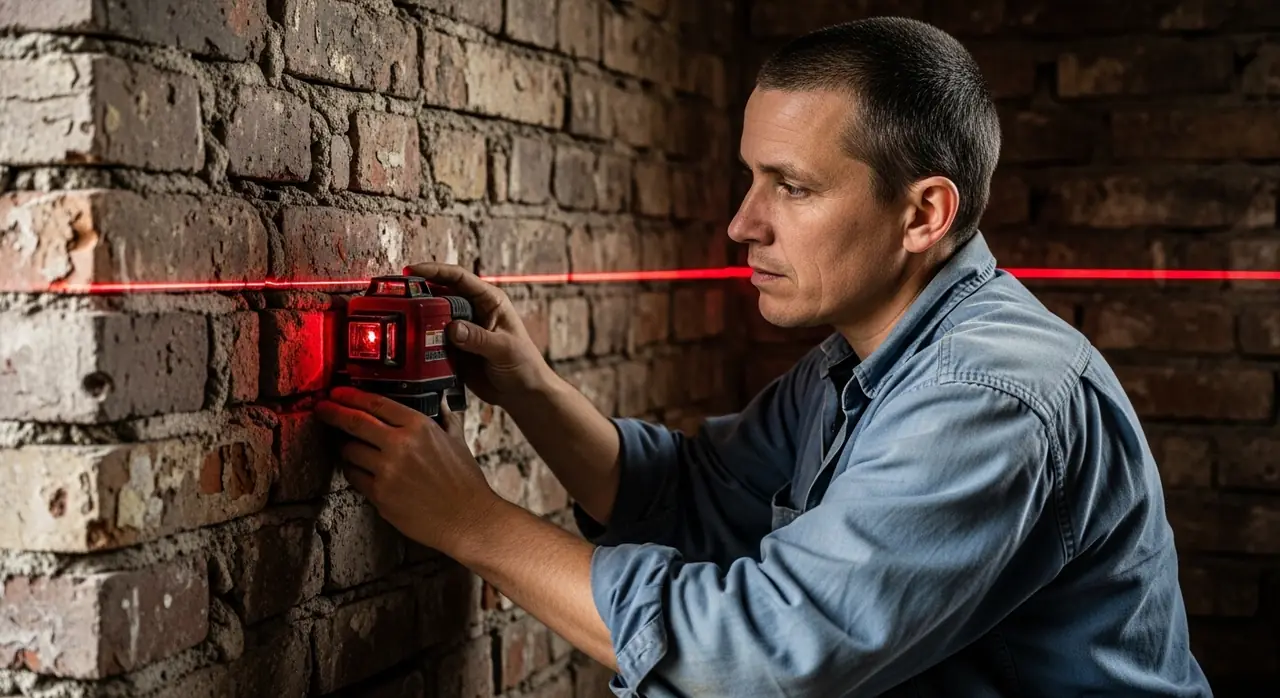
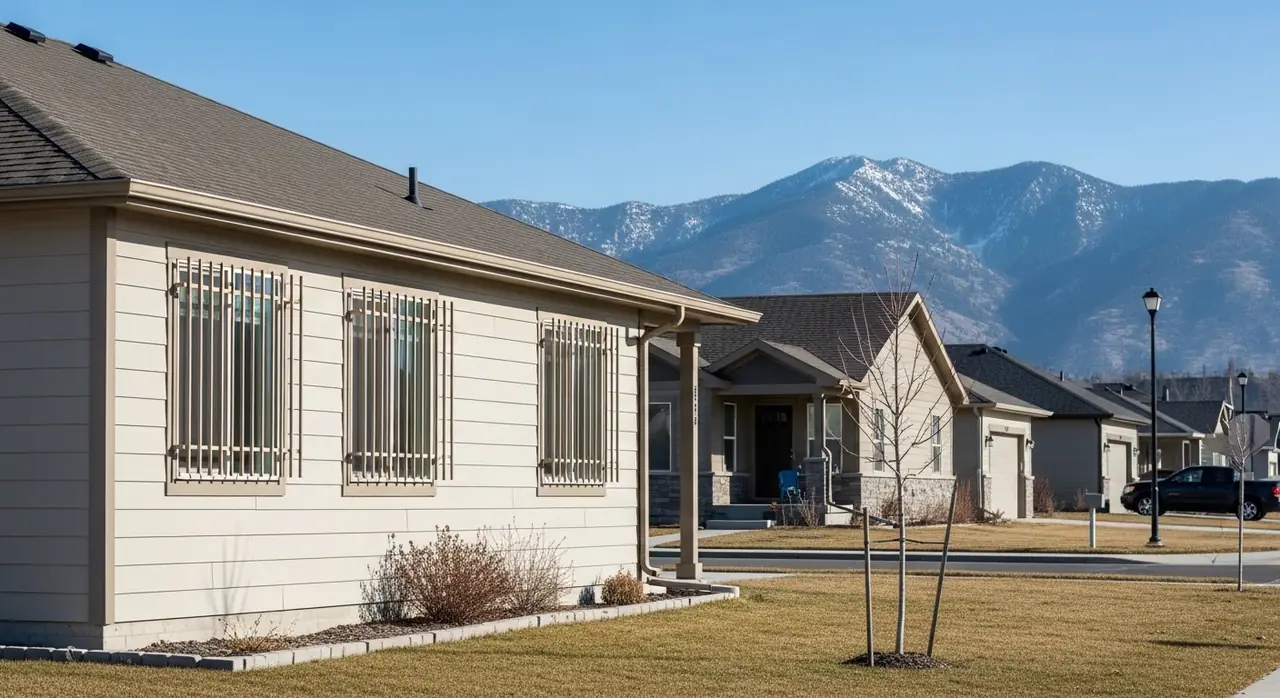
Bus depots, rail maintenance shops, and toll-collection facilities concentrate value in a small footprint: cash drawers and fare boxes, calibrated tools, fleet parts, and bulk fuel. Most of these assets sit behind standard masonry or framed windows on the ground floor, often facing a quiet yard or rear lot with limited overnight foot traffic. Opportunistic intruders read those conditions instantly. Research shows 85% of opportunistic break-in attempts are abandoned if entry is not gained within 60 seconds, and 60% of burglars skip a building entirely when they see visible bars. A rigid steel barrier turns a 30-second smash-and-grab into a noisy, time-consuming job that most intruders walk away from.
Securing 24/7 Operations With Unmanned Overnight Windows
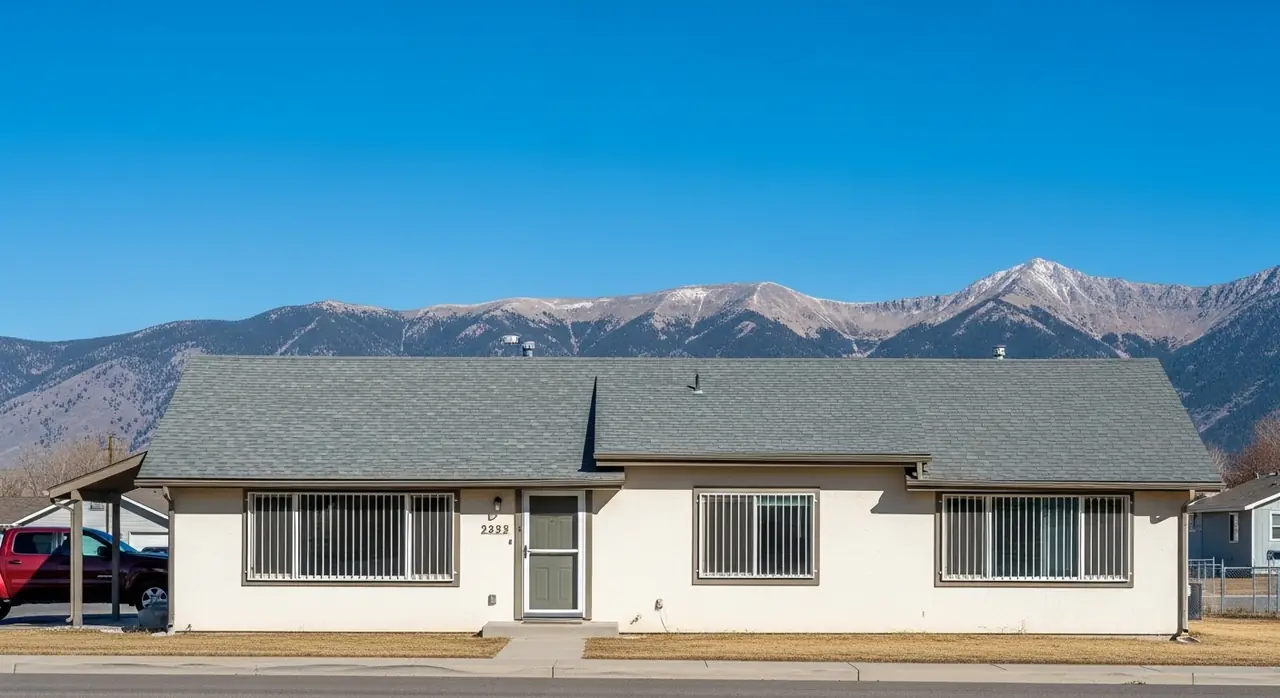
The challenge unique to transit is the schedule. Operations offices and dispatch rooms may be staffed in shifts, while the adjacent garage bays and parts storage go dark overnight. That mix demands two different approaches: permanent fixed bars on storage and maintenance windows that never need to open, and quick-release egress bars on any window in a room where staff sleep, rest, or work alone. SWB covers both with the same telescopic, modular system, so a single order can harden an entire facility consistently.
Choosing the Right Model for Each Building
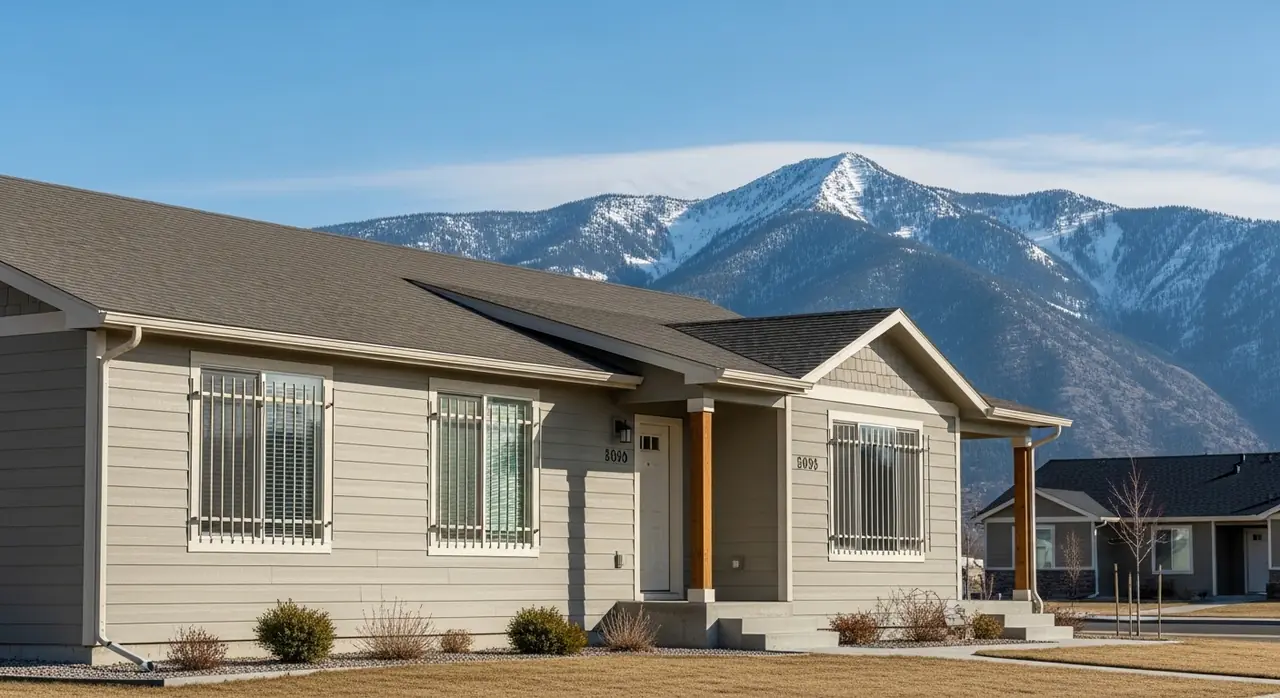
Transportation campuses mix masonry maintenance structures, framed office windows, and staffed rooms that require legal egress. The table below maps each SWB model to the conditions you will find across a typical depot or rail yard.
| Model | Best For | Mounting & Key Features |
|---|---|---|
| Model B | Masonry maintenance and garage buildings — brick, concrete, block, or stucco walls | Exterior-rated wall mount with heavy-duty anchors for solid masonry |
| Model A | Standard office and depot windows in framed or finished walls | Telescopic 10″–65″, modular to ~79″, frame or wall mount |
| Model A/EXIT | Staffed dispatch and break rooms with egress-required windows | Tool-free quick-release, inoperable from outside, code-compliant egress |
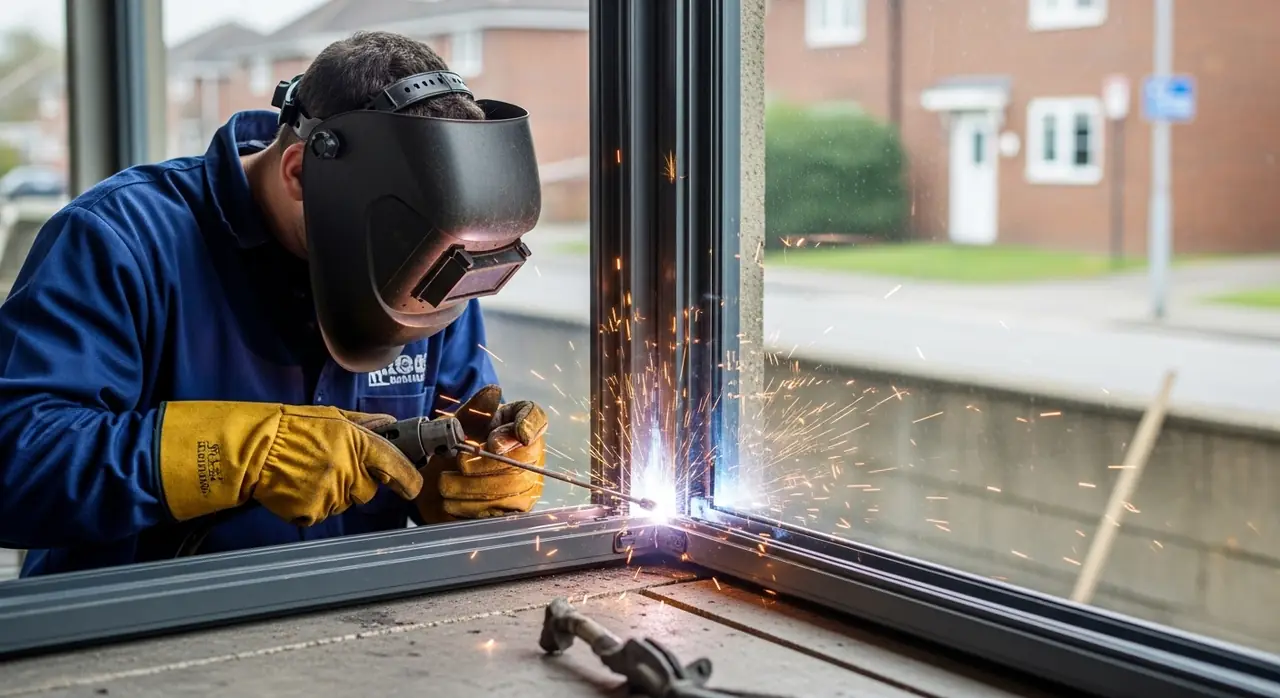
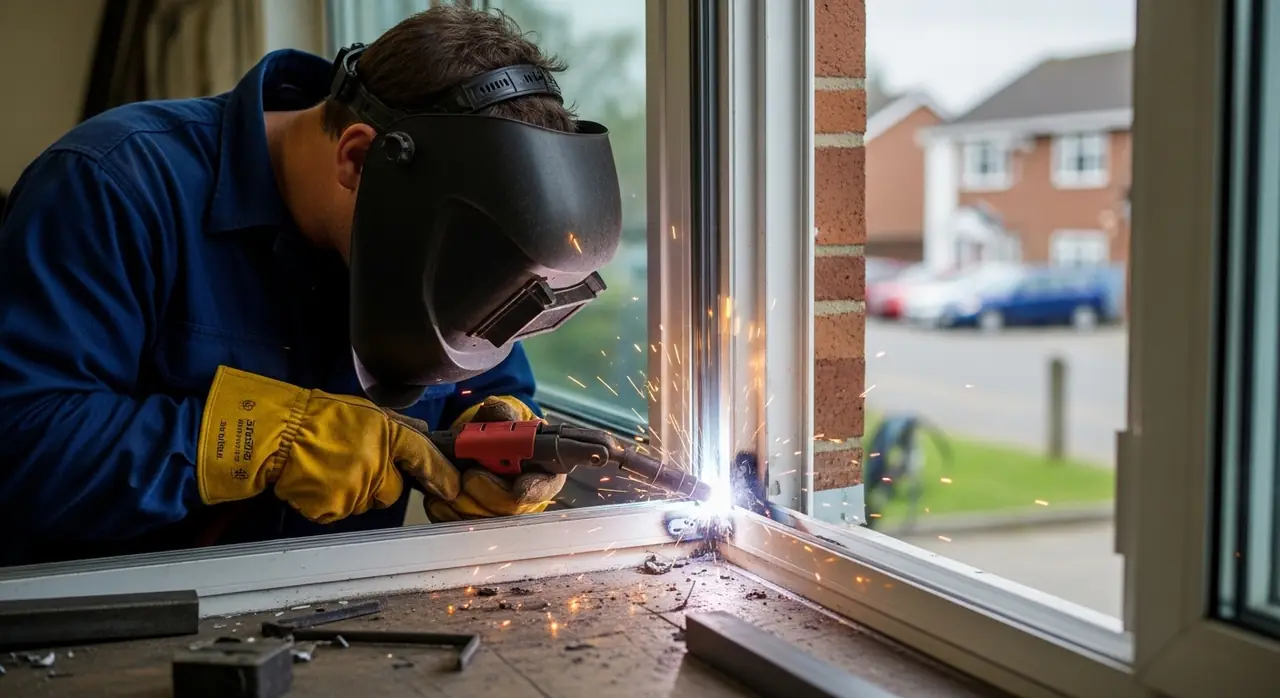
All three share the same core construction: galvanized steel finished with electrostatic paint for a 30-plus-year lifespan, DIY installation in 15 to 30 minutes, and a price of $85 per core module — a fraction of the $300 to $1,500-plus a custom welded barrier typically costs. With an average break-in loss of $2,661, a single prevented incident covers an entire building’s worth of bars.
Fire Code and Egress in Staffed Transit Spaces
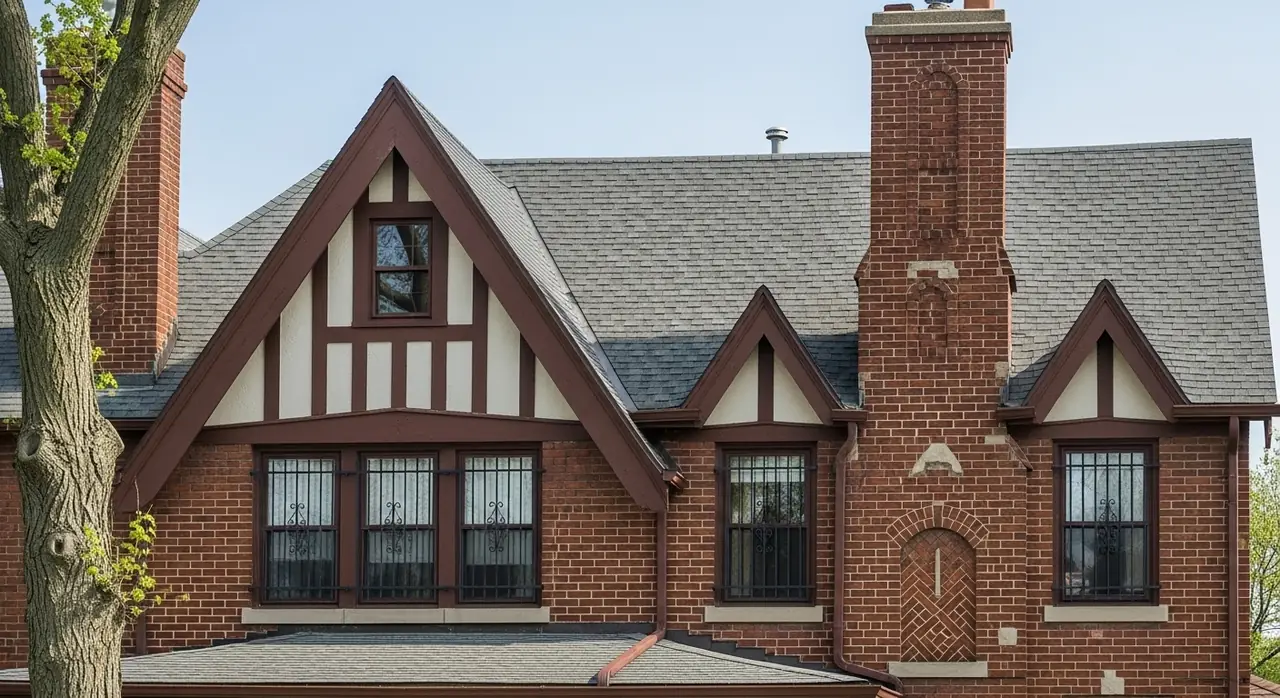
Any room where employees regularly work, rest, or could be sleeping during overnight shifts is treated as occupied space under building codes, and that triggers egress requirements. Fixed bars are not permitted on a window that serves as an emergency exit. The Model A/EXIT solves this with a tool-free quick-release mechanism that opens instantly from inside but remains inoperable from outside. It meets IBC, NFPA 101, and IRC R310 requirements for egress openings, so dispatch offices and break rooms stay both secure and compliant. Storage rooms, parts cages, and unoccupied maintenance bays have no egress requirement and can use fixed Model A or Model B units. Review the details on our window bars fire code page before specifying a staffed room.
What SWB Bars Are — and Are Not — Built For
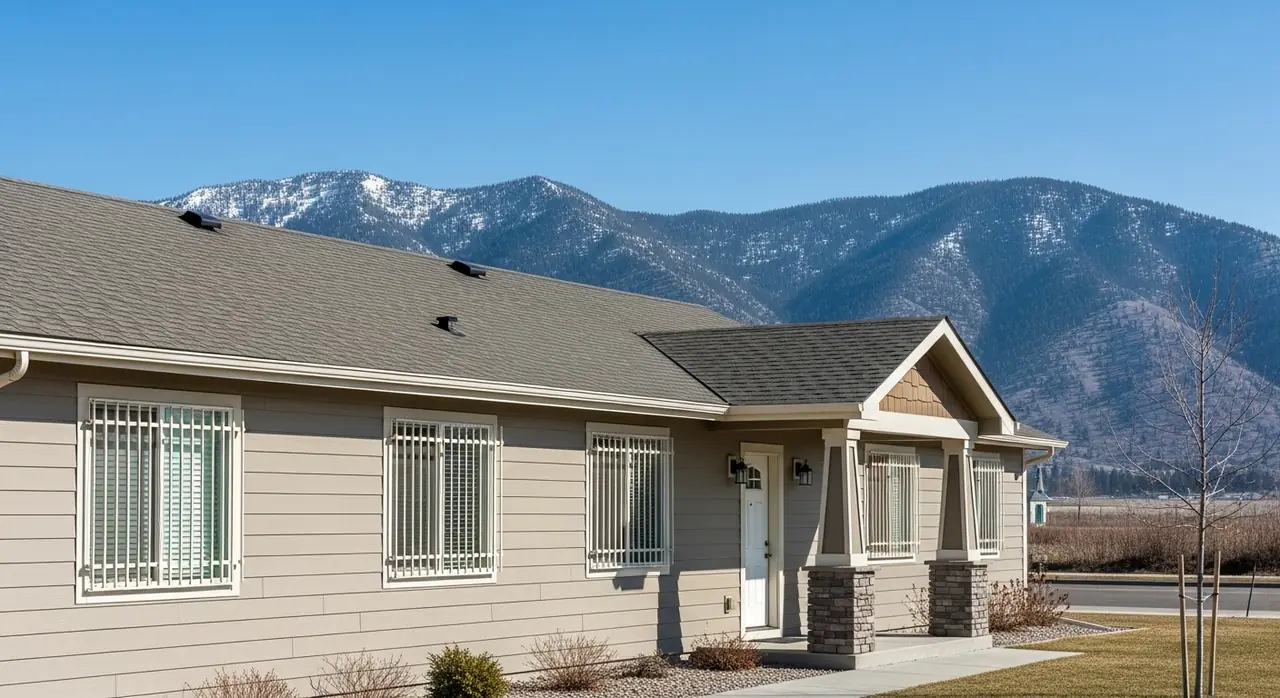
Being honest about scope matters. SWB bars are engineered for the standard ground-floor windows of support, office, and maintenance buildings — the openings most vulnerable to opportunistic entry. They are not a substitute for vehicle gates, fare-platform hardening, or perimeter fencing, and they are not designed to secure large roll-up bay doors or transit-platform structures. Use SWB where it excels: the ticketing back-of-house, the dispatch office, the parts room, the toll-booth support building, and the parking-structure office. For those windows, the protection-to-cost ratio is hard to beat.
Frequently Asked Questions
Can SWB Bars Be Installed Without Closing a 24/7 Facility?
Yes. Each unit installs in 15 to 30 minutes with basic hand tools, so a maintenance team can harden windows building by building during normal hours without shutting down operations or hiring a contractor crew.
Will Bars on a Staffed Dispatch Office Violate Fire Code?
Not if you use the Model A/EXIT. Its tool-free quick-release is built to satisfy IBC, NFPA 101, and IRC R310 egress rules, letting staff exit instantly in an emergency while the bars stay locked against entry from outside.
Are These Bars Strong Enough for Exterior Masonry Garage Walls?
The Model B is purpose-built for masonry, concrete, brick, and stucco. It mounts to the exterior with heavy-duty anchors and is exterior-rated to withstand weather and forced-entry attempts on depot and garage buildings.
Protect Fare Revenue, Tooling, and Parts at Every Depot Window
Get a commercial quote for telescopic, code-compliant window bars sized to your transit facility — installed in minutes, built to last 30-plus years.
Request a Commercial Quote →