Window Bars Fire Safety: Egress Rules, Release Types & Tips
Window bars fire safety guide: 2021 IRC escape-window sizes, quick-release rules and how to secure bedrooms without blocking your exit.
Why Is Window Bars Fire Safety a Real Concern?
Window bars solve one problem and can create another. They make a ground-floor or basement window much harder to force, but a window is also an emergency exit. In a house fire, the hallway and the front door may be blocked by smoke or flames, and the bedroom window can be the only way out. Bars that cannot be opened from the inside turn that exit into a barrier.
This is not a theoretical worry. The NFPA Security Bar Safety sheet warns that some security bars "can trap you in a fire" and can "keep firefighters from getting in to rescue you," and it tells every household to find at least two ways out of every room. Fixed, welded bars on a bedroom window defeat that plan, which is why building codes regulate them.
The good news is that you do not have to choose between security and escape. The right hardware lets an adult open the bars from inside with no key and no tools, while the release cannot be worked from outside. The rest of this guide explains what that hardware looks like, which rooms need it, and how to avoid the common mistakes.
If you want the code side in more depth, our window bars fire code guide walks through how local rules typically apply. This article focuses on the practical choices: what to buy, where to put it, and how to keep everyone in the home safe.
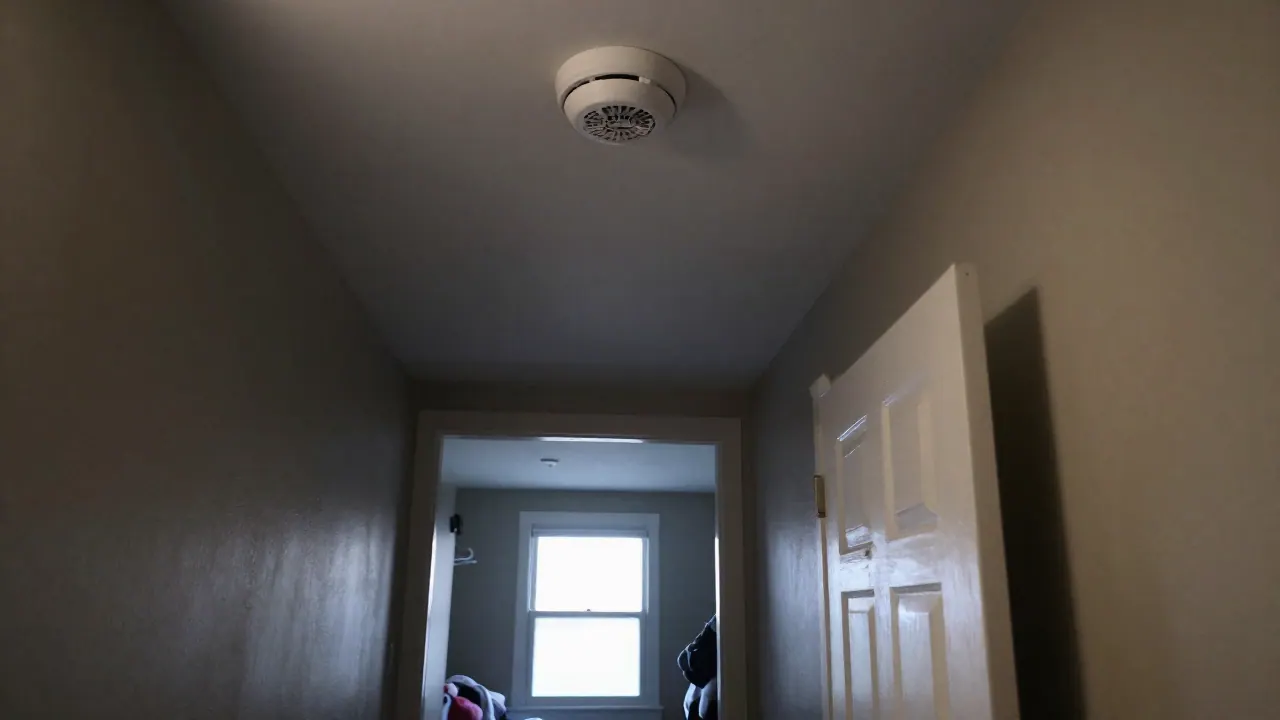
What Does the Code Say About Window Bars Fire Safety and Escape Openings?
The 2021 International Residential Code (IRC), published by the International Code Council (ICC), requires basements, habitable attics and every sleeping room to have at least one operable emergency escape and rescue opening (Section R310.1). There are limited exceptions, for example a basement used only to house mechanical equipment. A county summary of the 2021 text (Boulder County, CO building publication B10 (2021 IRC R310)) lists the core numbers: a net clear opening of at least 5.7 square feet, or 5 square feet for grade-floor openings (R310.2.1); a net clear height of at least 24 inches and a net clear width of at least 20 inches (R310.2.2); and a bottom of the opening no more than 44 inches above the floor (R310.2.3). Those two minimum dimensions do not multiply to the minimum area, so a real opening has to be larger than 24 by 20 inches.
Two sections matter for bars. Section R310.1.1 says escape openings must be operational from the inside "without the use of keys, tools or special knowledge." Section R310.4.4 says bars, grilles, covers, screens or similar devices placed over an escape opening must leave the required net clear opening and must be "releasable or removable from the inside without the use of a key or tool or force greater than that required for the normal operation of the escape and rescue opening." In plain terms, a person who is half asleep and scared must be able to open the bars by instinct. A padlock with the key on a hook across the room does not meet that standard.
Remember that the IRC is a model code, and section numbers change between editions (these are 2021 numbers). Your city or state adopts it with amendments, and enforcement varies. Rentals, multifamily buildings, and commercial spaces may fall under other rules. Before you install anything on an escape window, confirm the local requirement with your building department or fire marshal. For apartment-specific situations, see our page on window bars for apartments, and always get your landlord's written approval first.
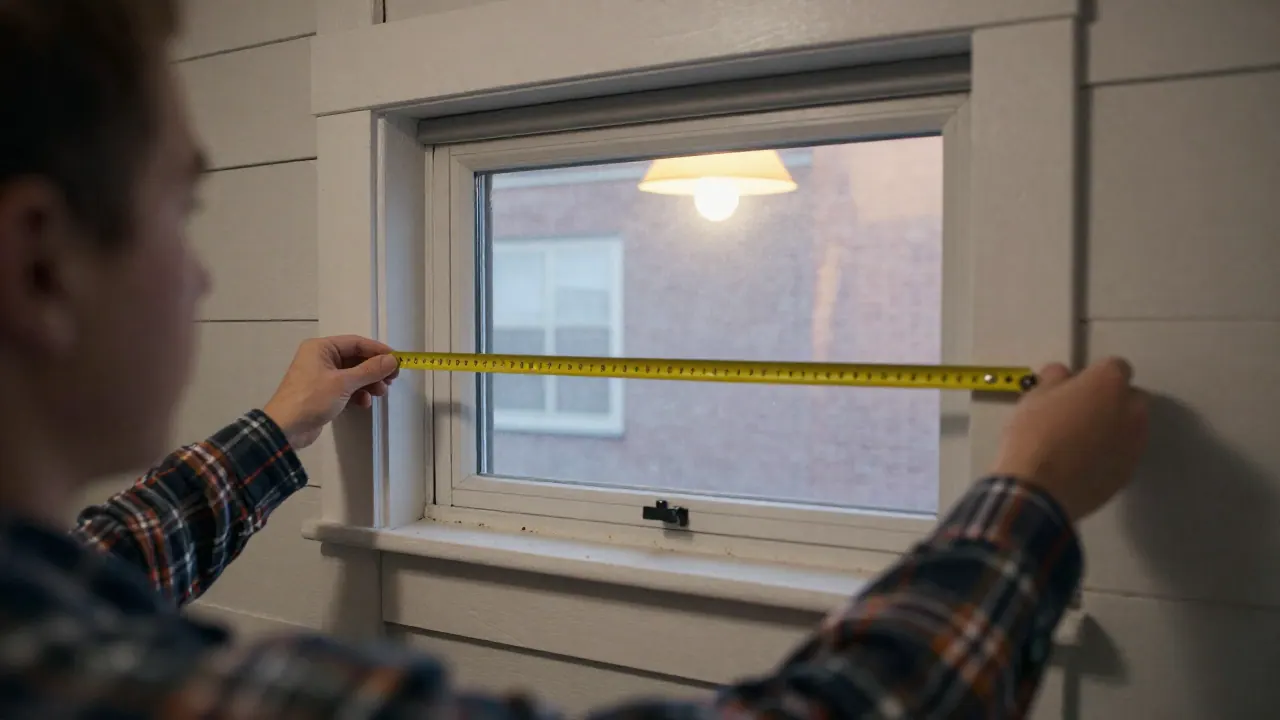
One more point worth stating: the code governs the opening, not just the bars. If your window already barely meets the minimum size, adding any hardware that narrows the clear opening can push it out of compliance. Measure the opening with the window fully open and the bars in their released position, not just the glass area.
Key Locks, Quick-Release Latches or Fixed Bars: Which Is Safe?
Not all window safety bars behave the same in an emergency. Fixed bars are welded or bolted so they cannot move. They are fine on windows that are not escape routes, such as a small bathroom window or a high utility window, but they should never cover a bedroom escape opening. Their strength is also their risk.
Key-operated locks are a gray area for security, but not for escape. They keep the bars secure against outside tampering, but they depend on someone finding and using a key under stress. The NFPA Security Bar Safety sheet says all exits, including barred windows, must open easily from the inside. The 2021 IRC language above rules out a key-operated release on a required escape opening. If you use a keyed lock anywhere, treat it as a security feature for non-escape windows only.
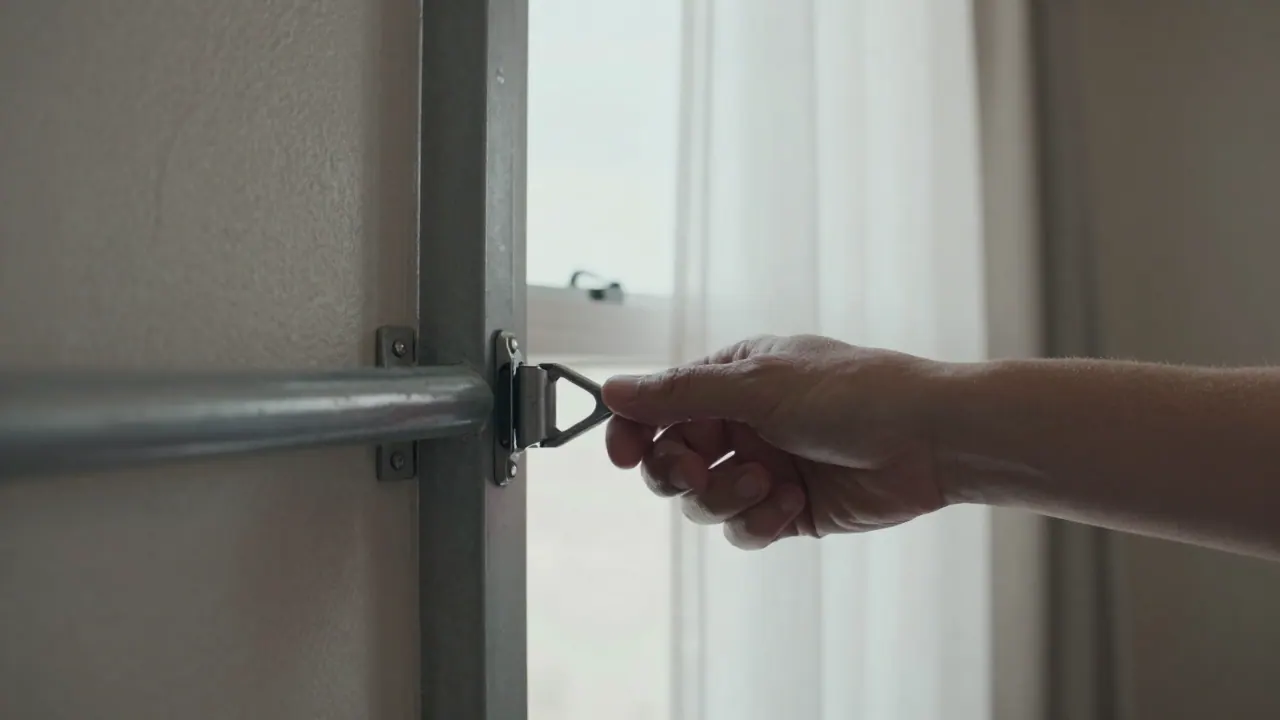
The preferred design for escape windows is an interior quick-release mechanism that operates by hand, without a key or tool. The release should be reachable from the floor or bed, obvious in the dark, and simple enough that a guest or an older family member could use it on the first try. After releasing, the bars should swing, slide, or lift clear so the full opening is available.
The same logic applies to a safety door bar or a safety bar for front door use. A bar that braces a door against forced entry is useful at night, but it should come off in one motion from the inside, in line with NFPA's advice that every exit open easily from within. Anything that needs a second hand, a key, or a trick is a hazard. Test any door or window device by releasing it in the dark with your eyes closed. If that is awkward, choose a different product.
Which Window Bars Fit Which Room?
Start by sorting your windows into two groups: those that must serve as an escape route and those that do not. Under the 2021 IRC, every sleeping room needs an escape opening and a basement needs at least one. Other windows, like a pantry, a small laundry room or a garage side window, are usually not required escape routes, though you should confirm with local rules.
| Room or window | Escape opening required? | Bar choice |
|---|---|---|
| Bedroom (any sleeping room) | Yes, at least one per sleeping room (IRC R310.1) | Quick-release only. SWB Model A/EXIT |
| Basement bedroom | Yes, for the sleeping room (R310.1) | Quick-release only. SWB Model A/EXIT |
| Basement window that is the basement's escape opening | Yes, unless an exception applies (R310.1) | Quick-release only. SWB Model A/EXIT |
| Bathroom, laundry, pantry, utility or garage window | Usually not, but confirm with your building department | Fixed or non-releasable bar can be acceptable. SWB Model A, or Model B on masonry |
For bedrooms, SWB's Model A/EXIT is the quick-release model. SWB describes it as its egress-compliant bar, with a hand-operated lift-bolt release that works from inside and cannot be worked from outside. No product makes a window code-compliant by itself, though: your building official judges the installed opening, including whether the net clear opening still meets the minimums once the bar is released. Our overview of window bar types explains how telescopic bars compare with fixed and decorative styles.
For windows that do not need to serve as an exit, Model A is the entry point: SWB lists it at $85 per core module (the price on the product page when this was checked), 35 to 65 inches high, with 16 inches of width per module, so wider windows use stacked modules. Model A has no integrated quick-release; SWB's fire code page names the A/EXIT as the only model in its lineup with one built in. Model B is SWB's wall-mount option for masonry and stucco, and SWB lists it as not rated for fire code or egress, so keep it off escape windows. SWB lists installation at 15 to 30 minutes. Use our burglar bars for windows page if break-in resistance is your main driver.
Do not mix categories in your head. The product that is right for a bedroom is not automatically the one that is right for a basement storage window, and vice versa. If you are unsure which of your windows count as escape routes, describe your windows and rooms when you request a quote, and take the final answer to your local building department or fire marshal.
Can Window Bars Protect Children and Pets?
Many families look at window safety grills because they worry about falls or an escaping pet. Be clear about what security bars do. SWB's own product guidance says its bars are not designed as a child fall-prevention device, and their bar spacing is 5.25 inches, wide enough that you should not count on them to hold back a small child or a pet.
If fall prevention is your goal, use a product made for it. The NFPA Security Bar Safety sheet notes that a window guard or gate, or a window stop or wedge, can keep a child from falling out of an open window. Keep furniture away from windows so there is nothing to climb, and supervise children near any window. Bars can be one layer of a plan, not the whole plan.
Pets add their own wrinkles. Do not rely on 5.25-inch spacing to contain a cat or a small dog, and remember that a frightened animal may push against the bars during an alarm or storm. Make sure nothing can pinch a paw or a tail when the bars are released or re-secured.
Finally, make sure every adult and older teen in the household knows how the release works, including babysitters and houseguests who sleep in that room. In a fire, there is no time to read instructions. A quick walkthrough when the bars are installed, and again each time someone new stays over, does more for safety than any feature on the product sheet.
What Is the Window Bars Fire Safety Checklist for Install, Testing and Upkeep?
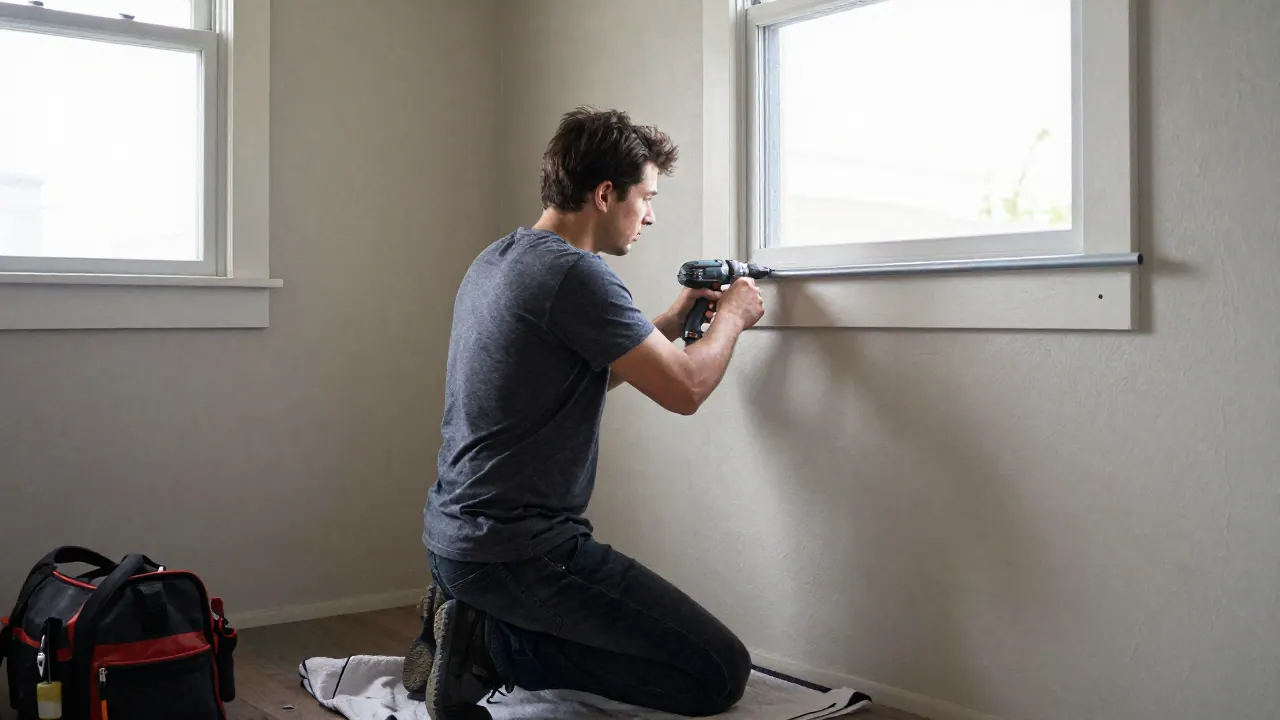
Even the best hardware fails if it is installed badly. Measure the window width carefully, confirm the mounting surface is solid, and follow the manufacturer's instructions for anchoring. Our window bars installation guide covers measuring and mounting step by step. SWB lists installation at 15 to 30 minutes, and its manual has you drill pilot holes and use the included anchors, so allow more time for unusual frames or masonry.
After installation, test the release the way you would use it in an emergency. Practice from inside the room, at night, with the lights off. Time yourself informally, and have a second adult try it. If anyone struggles, adjust your approach or the placement of the release before you call the job done.
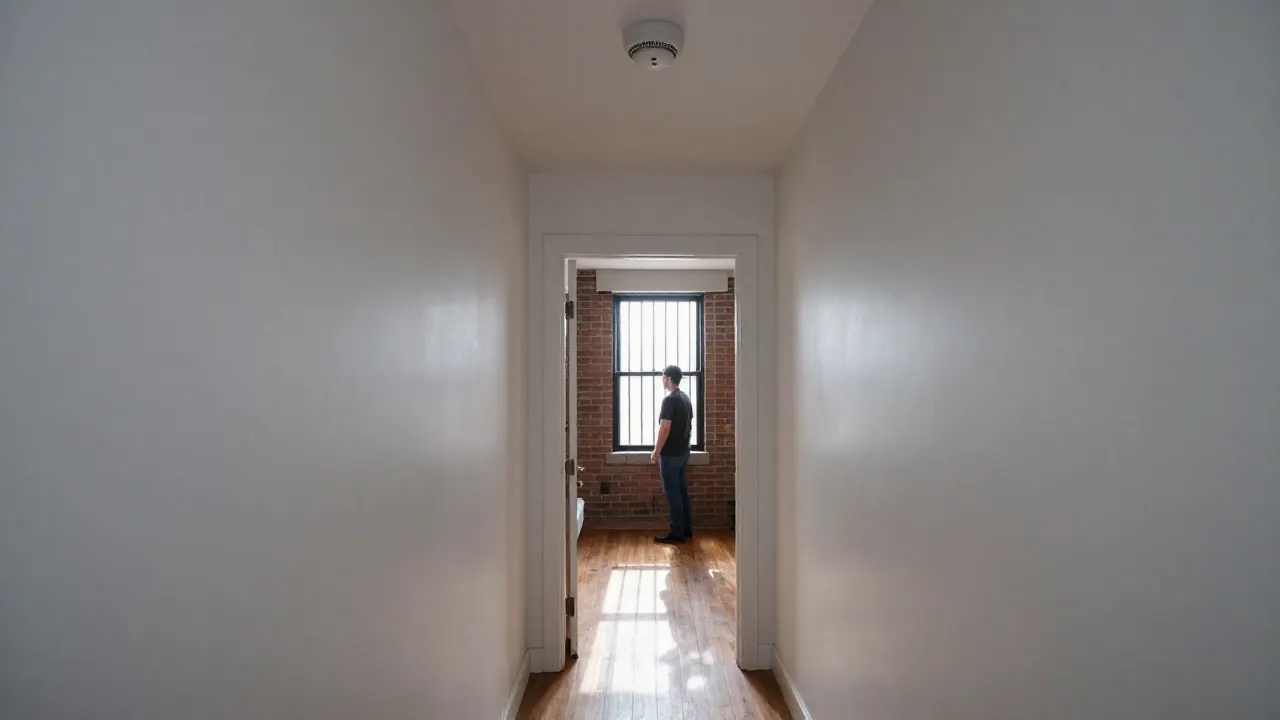
Pair the bars with working smoke alarms in every bedroom, outside each sleeping area, and on every level of the home, including the basement, as the NFPA Smoke Alarms at Home sheet recommends. NFPA also says to test all smoke alarms at least once a month and to replace them when they are 10 years old. Alarms buy you the time that an escape window needs. Keep a flashlight near the bed, keep the area under the window clear, and agree on a meeting place outside the home.
Test the release at least twice a year, for example during a home fire drill (NFPA suggests drills twice a year), and test smoke alarms monthly. Look for rust, paint that has glued the release shut, loose fasteners, and anything stacked in front of the window. If you repaint or renovate, protect the moving parts. Finally, if you move, rent out the property, or change who sleeps in a room, revisit the plan, because the right answer for one occupant is not always right for the next.
Frequently Asked Questions
Can I put security bars on a bedroom window?
Yes, but only if the bars can be opened from the inside without a key, tool or special knowledge, and the opening still meets your local escape requirements. SWB's quick-release option for bedrooms is the Model A/EXIT. Always confirm with your local building department.
Are fixed window bars ever acceptable?
Fixed bars can be appropriate on windows that are not required as escape routes, such as small bathroom or utility windows, subject to local code. They should not cover a bedroom or basement escape opening. When in doubt, ask your fire marshal or building official.
Is a safety bar for a front door a fire hazard?
It can be if it needs a key, a tool, or two hands to remove. A door bar should release in a single, obvious motion from the inside so anyone can leave quickly. Test it in the dark before relying on it overnight.
How big must a bedroom escape window be?
Under the 2021 IRC, a net clear opening of at least 5.7 square feet (5 square feet at grade), at least 24 inches high and 20 inches wide, with the bottom of the opening no more than 44 inches above the floor. Local codes can differ, so check with your building department.
Do window security bars keep children from falling out?
Not by design. SWB says its bars are not a child fall-prevention device, and their spacing is 5.25 inches. For falls, use a guard or window stop made for that purpose, and supervise children.
How often should I test an escape-window release?
At least twice a year, for example during a home fire drill as NFPA suggests, and again after any painting or repair. Test smoke alarms every month.
Sources (facts checked 2026-10-30)
- Boulder County (CO) Community Planning & Permitting, B10 Emergency Escape & Rescue Openings, per 2021 IRC R310
- NFPA, Security Bar Safety (c) 2019, hosted by the City of Kinston, NC
- NFPA, Smoke Alarms at Home (c) 2018, hosted by the Delaware State Fire School
Code numbers refer to the 2021 International Residential Code; your city or state may have adopted a different edition. Confirm with your local building department or fire marshal.
Window bars and fire safety do not have to conflict, as long as every bedroom keeps a fast, key-free way out. Choose the Model A/EXIT for sleeping rooms, consider Model A for non-escape windows (and Model B on masonry where the window is not an exit), and browse the full SWB shop when you are ready to compare. Check your local code, practice the release, and keep your smoke alarms working.