Do Airbnb Hosts Need Window Security Bars?
Yes, Airbnb hosts benefit significantly from window security bars, especially at properties that sit vacant between bookings or are located in areas with higher break-in rates. However, hosts must use egress-compliant bars like the SWB Model A/EXIT on all bedroom windows to meet fire code requirements and protect against liability -- standard bars without a quick-release mechanism on sleeping area windows violate building codes and expose hosts to negligence claims if a guest is injured during an emergency.
The question of whether Airbnb hosts "need" window security bars depends on your property's risk profile, your local fire code requirements, your insurance policy, and how much you value protecting your investment from break-ins during the vulnerable gaps between guest bookings. This post breaks down the full picture so you can make an informed decision.
Host Liability: What Airbnb Requires and What the Law Demands
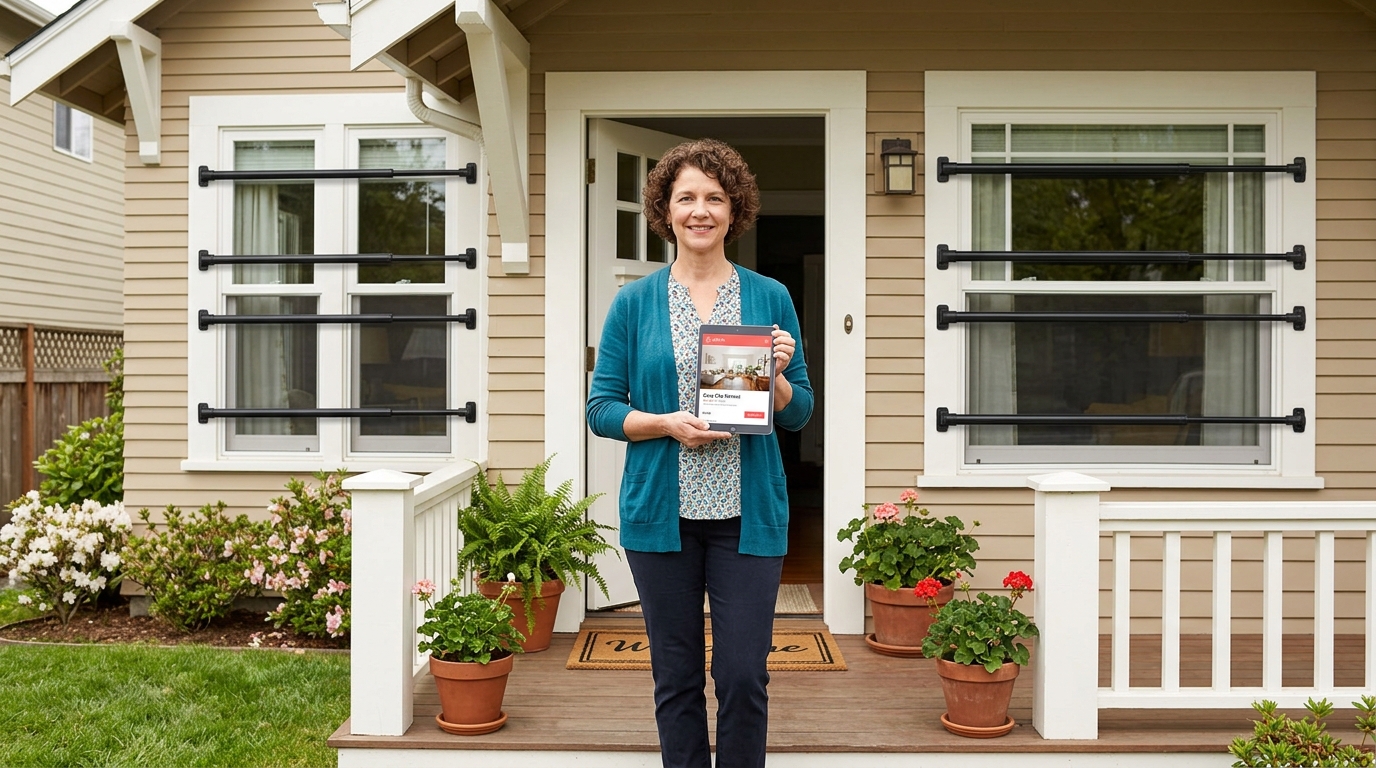
When you list a property on Airbnb, you enter a legal relationship with your guests that goes beyond a simple rental agreement. You are operating a hospitality business, and you owe your guests a duty of care -- a legal obligation to maintain a reasonably safe property.
This duty of care has two sides that are directly relevant to window security bars:
Side 1: Protecting Guests from External Threats
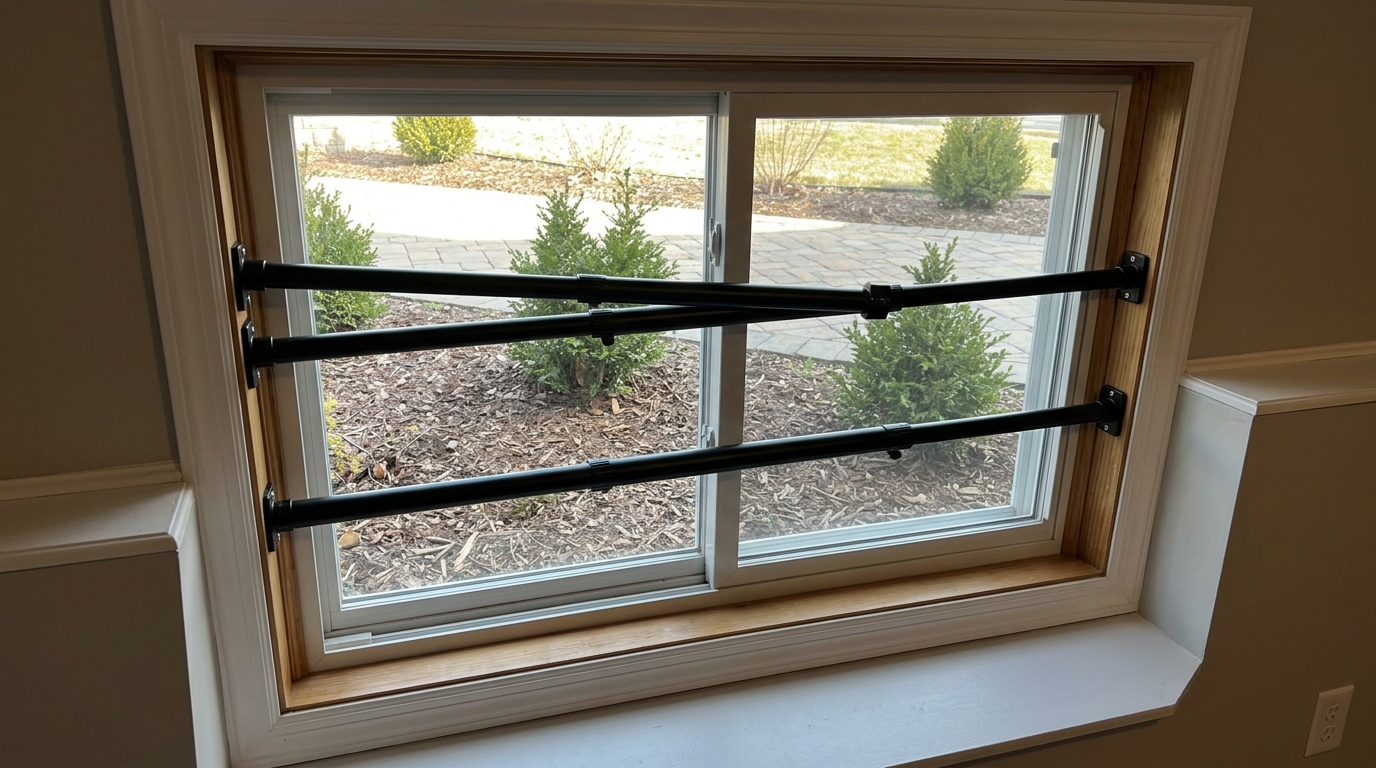
If your property is in an area with documented burglary activity and you take no steps to protect guests from break-ins, you may face liability if a guest is harmed during a burglary. Window security bars demonstrate that you took reasonable physical security precautions. You are not required to make your property impenetrable, but you are expected to take sensible steps -- and steel bars on ground-floor windows in a high-risk area are the definition of a sensible step.
Side 2: Protecting Guests from Your Security Measures
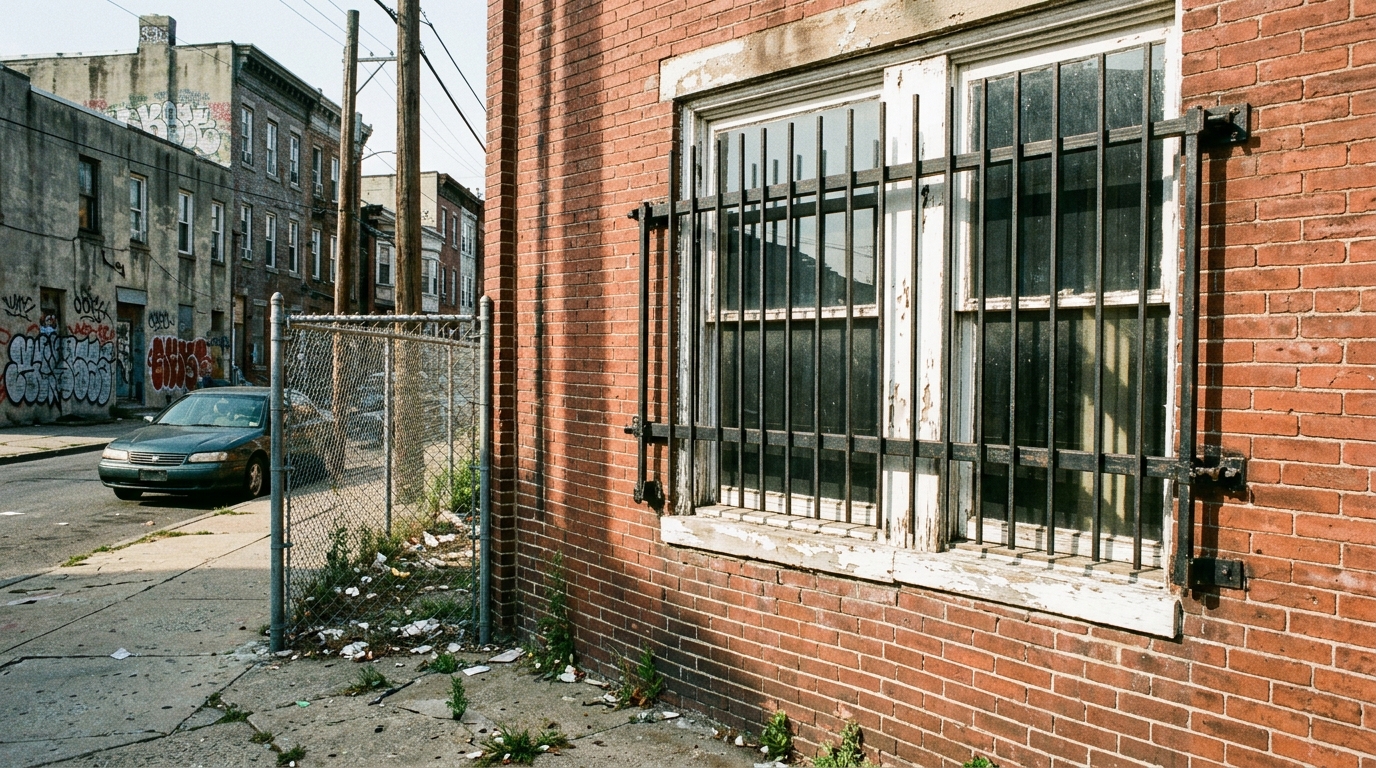
This is where many hosts get it wrong. If you install window bars to protect your property, those bars must not trap guests inside during an emergency. A fire in a home with barred bedroom windows and no quick-release mechanism creates a death trap. If a guest is injured or killed because your window bars prevented emergency escape, you face criminal liability for negligence, civil liability for wrongful death, and the permanent end of your hosting career.
The solution is simple: use egress-compliant bars on every bedroom window. The SWB Model A/EXIT (~$92) opens from inside with a quick-release mechanism that requires no tools, no keys, and no prior instruction. It satisfies IBC, NFPA, and OSHA requirements and resolves both sides of the liability equation -- protecting guests from break-ins while ensuring they can escape during emergencies.
Fire Code and Egress: The Non-Negotiable Rule for Bedroom Windows
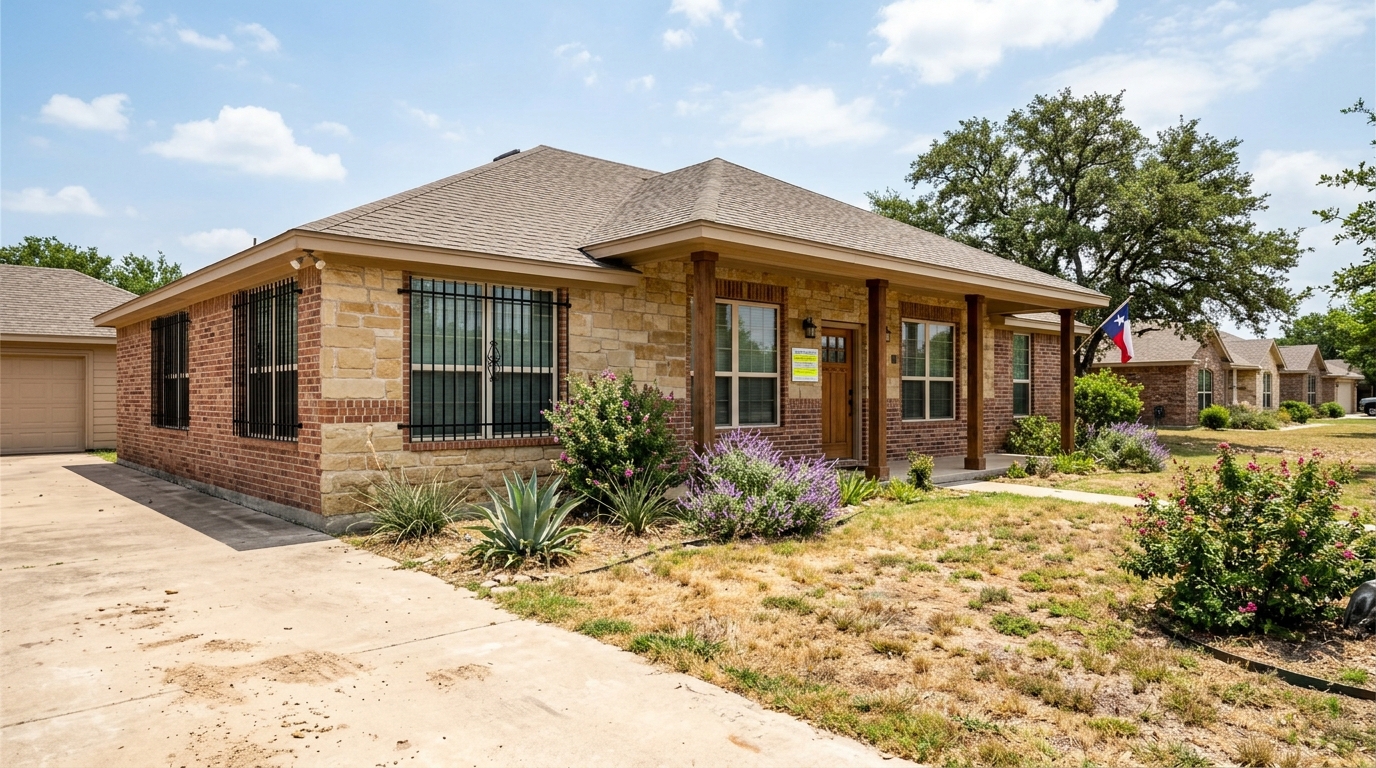
Fire code compliance is not optional for Airbnb hosts. It is the law. Here is the rule, stated as simply as possible:
Every window in a room where guests sleep must allow emergency egress without tools, keys, or special knowledge.
This rule comes from the International Building Code (IBC) and is enforced by the National Fire Protection Association (NFPA) through local fire departments. If you install window bars on bedroom windows at an Airbnb property, those bars must have a quick-release mechanism that allows the bar to be opened from the inside in seconds.
What Counts as a Sleeping Area?
For Airbnb properties, the definition of "sleeping area" is broader than just bedrooms:
- Any designated bedroom
- Any room with a sofa bed or pull-out couch listed as a sleeping arrangement
- Any loft, den, or bonus room advertised as accommodating overnight guests
- Any room where a guest might reasonably choose to sleep, even if not designated (family rooms with comfortable couches, finished basements with daybeds)
The conservative approach -- and the approach we recommend for liability protection -- is to treat every room where a guest could conceivably sleep as a sleeping area. Install egress-compliant bars on those windows and standard bars on windows in clearly non-sleeping areas (kitchen, bathroom, laundry, garage).
What Airbnb Hosts Must Do
- Use only egress-compliant bars on bedroom/sleeping area windows -- the SWB Model A/EXIT satisfies this requirement
- Post egress instructions inside each bedroom -- a simple card or sticker explaining how to open the quick-release mechanism
- Include fire safety information in your house manual -- mention the quick-release bars and where fire extinguishers are located
- Demonstrate the quick-release mechanism in your check-in instructions -- a 30-second video in your digital guidebook works well
For a state-by-state breakdown of fire code requirements for window bars, see our fire code compliance guide.
The Between-Bookings Vulnerability
The period between guest check-out and the next check-in is when your Airbnb property is most vulnerable to break-ins. During this gap:
- The property is empty and confirmed empty (the cleaning crew has come and gone)
- Your listing may show available dates that signal vacancy to anyone checking
- Guest-facing cameras may be powered down per Airbnb's privacy policy during turnovers
- Smart locks may be in transition between guest codes
- You or your property manager may not visit the property again until the next guest arrives
For properties in resort or vacation areas, these between-booking gaps can stretch from days to weeks, especially during the off-season. A beach property that goes three weeks between November bookings has a three-week vulnerability window.
The Practical Workflow
Window bars installed during between-booking gaps close this vulnerability. The workflow is straightforward:
- Guest checks out. Cleaning crew arrives, cleans, and departs.
- After cleaning: Install standard Model A bars on non-bedroom windows by snapping them into pre-installed brackets. Takes 1-2 minutes per window.
- Model A/EXIT bars on bedroom windows stay installed permanently -- they provide security while maintaining egress compliance.
- Before next check-in: Remove non-bedroom bars and store in a closet, garage, or storage area. 1-2 minutes per window.
Your property manager or cleaning crew can handle steps 2 and 4 with no special training. The bracket system is designed for exactly this kind of operational simplicity. For more on removable bar options for seasonal and rental properties, see our removable window bars for seasonal properties guide.
Insurance Implications for Hosts
Airbnb's Host Protection Insurance provides some coverage for guest injury claims, but it does not replace your own property insurance, and it has limits that may not cover the full cost of a burglary loss. Your own vacation rental insurance policy is your primary financial protection.
How Window Bars Affect Your Insurance
- Premium discounts: Many carriers offer 2-10% premium reductions for documented physical security measures on rental properties. Window bars qualify.
- Claim support: If your property is burglarized through a door (the windows were barred), the documented presence of window bars demonstrates you took reasonable precautions. This strengthens your claim.
- Liability protection: Egress-compliant bars on bedroom windows demonstrate fire code compliance, which is critical if a guest injury claim arises. Non-compliant bars could void your liability coverage.
- Vacancy clause: Some rental property policies reduce coverage during periods between bookings. Documented security measures may help extend coverage during these gaps.
Documentation for Your Insurer
- Purchase receipts for all window bar units
- Product specification sheets showing egress compliance (Model A/EXIT certification)
- Photos of bars installed on all windows
- Your fire safety protocol showing egress instructions posted in each bedroom
Guest Reviews and Experience Impact
A common concern among Airbnb hosts is that window bars will create a negative guest impression -- making the property look like it is in a dangerous area. The reality is more nuanced.
When Bars Improve Reviews
- Urban properties in neighborhoods with visible crime concerns -- guests feel safer knowing the windows are protected, especially ground-floor units
- Properties that advertise security as a feature -- "steel window bars on all ground-floor windows" in your listing description attracts security-conscious travelers
- Solo female travelers -- a significant demographic for Airbnb who actively look for security features in listing descriptions
- Business travelers -- professionals traveling with laptops, equipment, and documents appreciate visible security
When to Remove Bars During Guest Stays
- Vacation and resort properties where the aesthetic is part of the appeal -- beach views, mountain panoramas, and lake settings are why guests book your property. Remove non-bedroom bars before check-in.
- Luxury listings -- high-end properties where every visual detail matters. Remove standard bars; keep egress bars on bedrooms (their clean profile is unobtrusive).
- Properties where the neighborhood is demonstrably safe and bars might seem incongruous
How to Present Bars in Your Listing
If bars will be visible during guest stays, frame them positively in your listing description:
- "Professional-grade security bars on ground-floor windows for your peace of mind"
- "All bedroom windows equipped with quick-release security bars -- fire-code compliant for your safety"
- "Steel window protection with interior quick-release for emergency egress"
Transparency builds trust. Guests who arrive to find unexpected bars may feel the host hid a safety concern. Guests who read about bars in the listing description and see them framed as a security feature appreciate the proactive investment.
Seasonal vs. Year-Round Rental Considerations
Your window bar strategy should differ based on whether your Airbnb operates seasonally or year-round.
Seasonal Rentals (Significant Off-Season Vacancy)
Seasonal Airbnb properties -- beach homes rented May through September, ski cabins rented December through March -- have long off-season vacancy periods that create the highest burglary risk.
- During booking season: Remove standard bars for guest aesthetics. Keep A/EXIT bars on bedroom windows for safety and security.
- During off-season: Install standard Model A bars on every window. The property is empty, no one needs to enjoy the view, and maximum security is the priority.
- Between bookings during season: Install bars during gaps of 3+ days. For 1-2 day turnovers, the effort may not be worth it depending on your risk assessment.
Year-Round Rentals (Consistent Bookings)
Properties with back-to-back bookings year-round have shorter vulnerability windows but higher cumulative exposure because the property address is shared with dozens or hundreds of guests per year.
- Keep A/EXIT bars installed permanently on bedroom windows -- they provide security without affecting aesthetics or egress
- Install standard bars during longer gaps (4+ days between bookings)
- Skip bar installation for 1-2 night turnovers -- the exposure window is short and the operational overhead is not justified
- Focus on other security layers for short gaps: smart locks, cameras, and neighbor awareness
Recommended Window Bar Setup for Airbnb Properties
Based on the liability, fire code, insurance, and guest experience factors covered above, here is the setup we recommend for Airbnb and VRBO hosts:
Permanent Installation (Year-Round)
- All bedroom windows: SWB Model A/EXIT (~$92) -- egress compliant, clean profile, stays installed during guest stays
- Post egress instruction cards inside each bedroom (include in your check-in guide)
Seasonal/Between-Booking Installation
- All non-bedroom ground-floor windows: SWB Model A (~$90) -- install during vacancy, remove before check-in
- Sliding glass doors: Modular Model A stack -- install during vacancy, remove before check-in
- Pre-install brackets on all windows so bars can be snapped in and out in minutes by you, your property manager, or your cleaning crew
Cost for a Typical 3-Bedroom Airbnb
- 3x Model A/EXIT for bedrooms: $276
- 5x Model A for non-bedroom ground-floor windows: $450
- 2x Model A for sliding glass door: $180
- Total: $906 one-time
This is less than what most hosts spend on a single piece of furniture for their listing photos. It protects your property for 20+ years with no monthly fees. For the full cost breakdown and comparison with other security options, see our window security bars cost and pricing guide.
Frequently Asked Questions
Does Airbnb require hosts to install window security bars?
No, Airbnb does not require hosts to install window security bars. However, Airbnb does require hosts to maintain a safe property that meets local building and fire codes. If you choose to install window bars, bedroom windows must have egress-compliant bars with a quick-release mechanism. Airbnb's safety policies require functioning smoke detectors, carbon monoxide detectors, and fire extinguishers -- window bars are an additional measure that hosts can choose to implement for property protection.
Can I put regular window bars on Airbnb bedroom windows?
No. Regular window bars without a quick-release mechanism on bedroom windows violate IBC and NFPA fire egress codes. This applies to any room where guests sleep, including bedrooms, dens with sofa beds, and lofts with sleeping arrangements. You must use egress-compliant bars like the SWB Model A/EXIT, which opens from inside without tools or keys. Installing non-egress bars on Airbnb bedroom windows creates serious legal liability and could result in criminal negligence charges if a guest is harmed during a fire.
Will window bars hurt my Airbnb reviews?
It depends on how you handle them. Bars that surprise guests upon arrival can generate negative reviews. Bars that are disclosed in the listing description, framed as a security feature, and accompanied by clear egress instructions are generally received positively -- especially by solo travelers, business travelers, and guests staying in urban properties. For vacation and resort properties where aesthetics matter most, remove standard bars during guest stays and keep only the low-profile egress bars on bedroom windows. Transparency in your listing prevents negative surprises.
How do I explain window bars to Airbnb guests?
Include a brief mention in your listing description such as "Professional security bars on ground-floor windows for guest safety." In your check-in guide, add a section explaining the quick-release mechanism on bedroom windows with a photo or short video demonstrating how it works. Post a simple instruction card inside each bedroom near the barred window. Frame the bars as a proactive safety investment, not a response to danger. Most guests appreciate transparency and see security measures as a sign of a thoughtful, responsible host.
Are window bars worth the cost for Airbnb hosts?
Yes. The total cost to protect a typical 3-bedroom Airbnb property with window bars is approximately $906 one-time with zero recurring fees. A single burglary at a vacation rental averages $5,000 to $27,000 in direct costs (stolen property, damage, emergency repairs, lost bookings) plus indirect costs (insurance premium increases, negative reviews, repeat targeting). The bars pay for themselves many times over with a single prevented break-in, and they last 20+ years. Additionally, many insurance carriers offer 2-10% premium discounts for documented physical security measures.