Window Security Bars With Quick Release Egress: A Buyer's Guide
Window security bars with quick release egress: what the 2021 IRC requires, how to judge a release, and which SWB model fits each room.
What Are Window Security Bars With Quick Release Egress?
A window bar that cannot be opened from the inside is a fixed barrier, and a fixed barrier over a bedroom window is a fire hazard. Window security bars with quick release egress solve that problem. It lets an occupant open the bar fast, while the bar stays locked against someone outside. The goal is to do two jobs at once: keep intruders out and keep your exit open.
The phrase "quick release" gets used loosely, so it helps to define it. A true egress release can be operated from the inside without a key, a tool, or special knowledge. It has to work in the dark, in smoke, and for a person who is half asleep or frightened. If a bar needs a key kept in a drawer, a code, or a multi-step routine to open, it is not an egress release, whatever the product page says.
This is why terms like egress window security, egress window bars, fire escape window bars and fire safe window bars describe a function rather than a style. The same steel bar can be a hazard with one design and a sound choice with another, and the difference is almost entirely the release. Appearance, paint finish and bar spacing matter far less than whether you can get out.
Within the SWB lineup, the Model A/EXIT quick-release window bar is the version built for bedrooms. The rest of this guide explains what to look for in any quick release system, how the code treats escape openings, and how to match a product to each room in your home.
Why Do Fixed Bars Fail in a Fire, and What Does the Code Require?
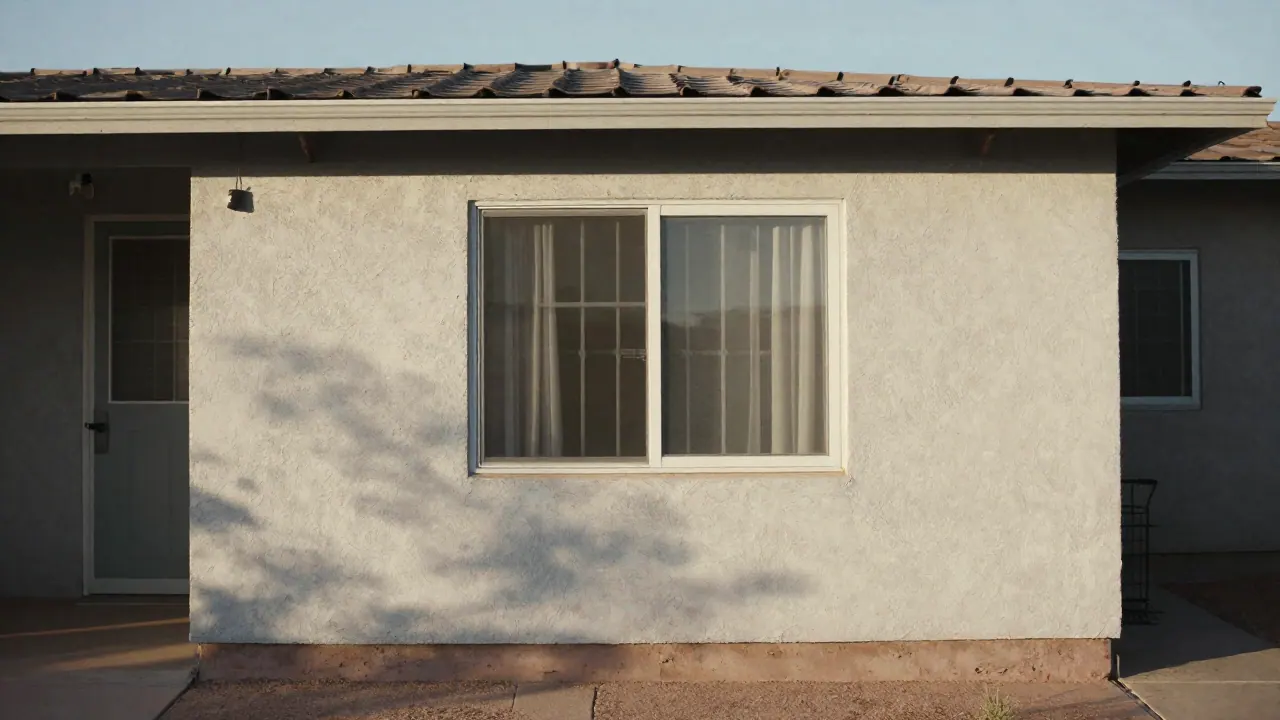
Fires produce heat and smoke that can make a hallway or stairwell unusable very quickly. When the door route is blocked, the bedroom window is often the only remaining way out, and rescuers may need it to reach you. The NFPA Security Bar Safety sheet warns that some security bars can "keep firefighters from getting in to rescue you." A bar that cannot be opened turns that last exit into a trap. This is the central reason egress rules exist, and why a bar that looks secure can be dangerous if it cannot be released.
The 2021 International Residential Code (IRC), published by the International Code Council, requires basements and every sleeping room to have at least one emergency escape and rescue opening (Section R310.1). As summarized by Boulder County, CO building publication B10 (2021 IRC R310), the model code sets a minimum net clear opening of 5.7 square feet (5 square feet for grade-floor openings) in R310.2.1, a minimum net clear height of 24 inches and width of 20 inches in R310.2.2, and a bottom of the opening no more than 44 inches above the floor in R310.2.3. Section R310.1.1 requires the opening to work from the inside without keys, tools or special knowledge. Section R310.4.4 covers bars, grilles, covers and screens over these openings: they must leave the required net clear opening and be "releasable or removable from the inside without the use of a key or tool or force greater than that required for the normal operation of the escape and rescue opening."
Two practical points follow. First, the opening must still meet those dimensions once the bar is released, so a bar that clears the full opening is preferable to one that leaves part of the frame obstructed. Second, local governments adopt different editions of the model code and add their own amendments, so the requirement in your city may differ from the base text. Your local building department or fire marshal has the final word.
Our companion page on window bars and fire code requirements covers the rules in more depth. Here, the takeaway is simple: where a window serves as an escape route, the release is not optional, and it must be something an untrained person can operate under stress.
How Do You Judge Window Security Bars With Quick Release Egress Before You Buy?
Marketing language is cheap, so evaluate the mechanism against a short checklist. Start with the most important test: can an adult who has never seen this bar open it, from inside, without a key, a tool, or instructions? If the answer depends on someone having been told how it works, it fails the "special knowledge" test in IRC R310.1.1. Ask this about every person who may sleep in the room, including guests and house sitters.
Next, consider reach and position. The release should be within easy reach of someone standing or kneeling at the window, not hidden behind a dresser or high above a bed. Think about the actual path you would take in a fire: out of bed, low to the floor, toward the window. A release you cannot find in the dark is a release you will not use.
Then look at the security side, because a release that can be worked from outside defeats the purpose of buying bars. The mechanism should not be operable from outside the window, including through a gap in the sash, a screen, or broken glass. Heavy steel construction and solid anchoring to the frame matter here, since a strong lock on a weak bar protects nothing.
Finally, ask for plain documentation about how the product meets egress rules rather than trusting a badge or a vague claim. Be skeptical of any listing that mentions certifications without naming who issued them. A reputable seller will describe how the release works, which rooms it is meant for, and tell you to confirm local requirements. If a vendor cannot explain the release in two sentences, keep looking.

Model A/EXIT, Model A or Model B: Which Should You Choose?
SWB makes galvanized steel telescopic window security bars in three models. On the product pages, Model A is 35 to 65 inches high and adds 16 inches of width per module; Model A/EXIT starts from a 35-inch-high, 43-inch-wide base, telescopes up to 65 inches and expands with modules; Model B is 35 to 61 inches high. Measure your opening against the product page and its module table before ordering. Prices below are the ones listed when this article was checked, so confirm them on the product pages.
| Model | Quick-release built in? | SWB's listed use | Listed price |
|---|---|---|---|
| Model A/EXIT | Yes. Hand-operated lift-bolt release, inside only | Bedrooms, basement bedrooms, windows that serve as the escape opening | Quote only (online exclusive) |
| Model A | No. SWB's fire code page names the A/EXIT as the only model with one built in | Windows that are not escape routes | $85 per core module |
| Model B | No. SWB lists it as not rated for fire code or egress | Masonry, stucco and irregular walls on windows that are not escape routes | $85 per core module |
For bedrooms and any other sleeping room, start with the Model A/EXIT. SWB describes it as its egress-compliant model, designed so the bar releases from the inside with a hand-operated lift bolt and stays rigid from outside. If a window in a sleeping room is your required emergency escape opening, this is the model built for that role. Compliance of the installed window is still your building official's call.
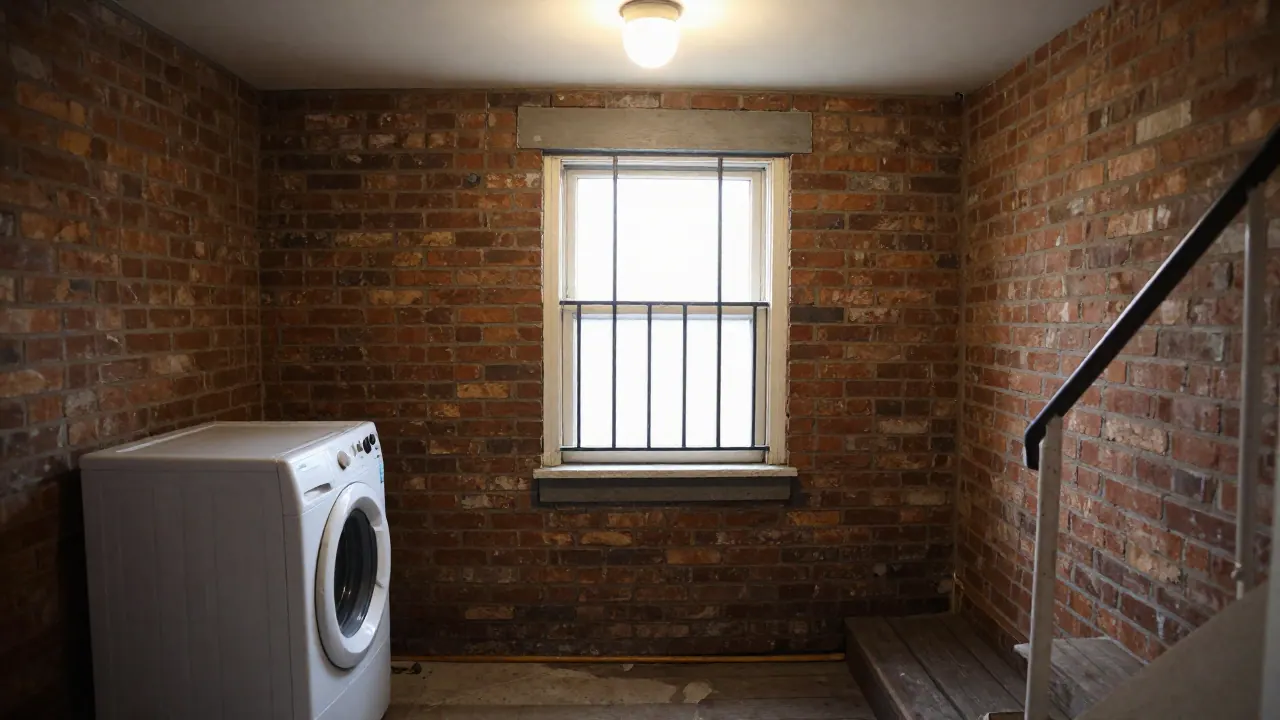
The Model A suits windows that are not part of a required escape route. Common examples are a laundry room, a bathroom, a small utility space or a storage area, where the goal is straightforward break-in resistance. Before choosing a non-releasable bar for any window, confirm with your local building department that the room does not need an escape opening. When in doubt, choose the egress version, because the cost of being wrong is far higher than any price difference.
The Model B is built for masonry, stucco and irregular walls, and it stays off escape windows. If you are covering several windows in different rooms, you may well mix models: Model A/EXIT for sleeping rooms, and Model A or Model B elsewhere. If you are unsure which windows count as escape openings in your home, request a quote and describe your windows, and take the code question to your building department.
How Do You Install, Test and Rehearse the Exit?
SWB lists Model A installation at 15 to 30 minutes, and its manual has you drill pilot holes and use the included anchors. Check your opening's width and height against the product page and module table first, then follow the instructions for your model. Our guide to installing window bars step by step walks through the process, including what to check on different frame types.
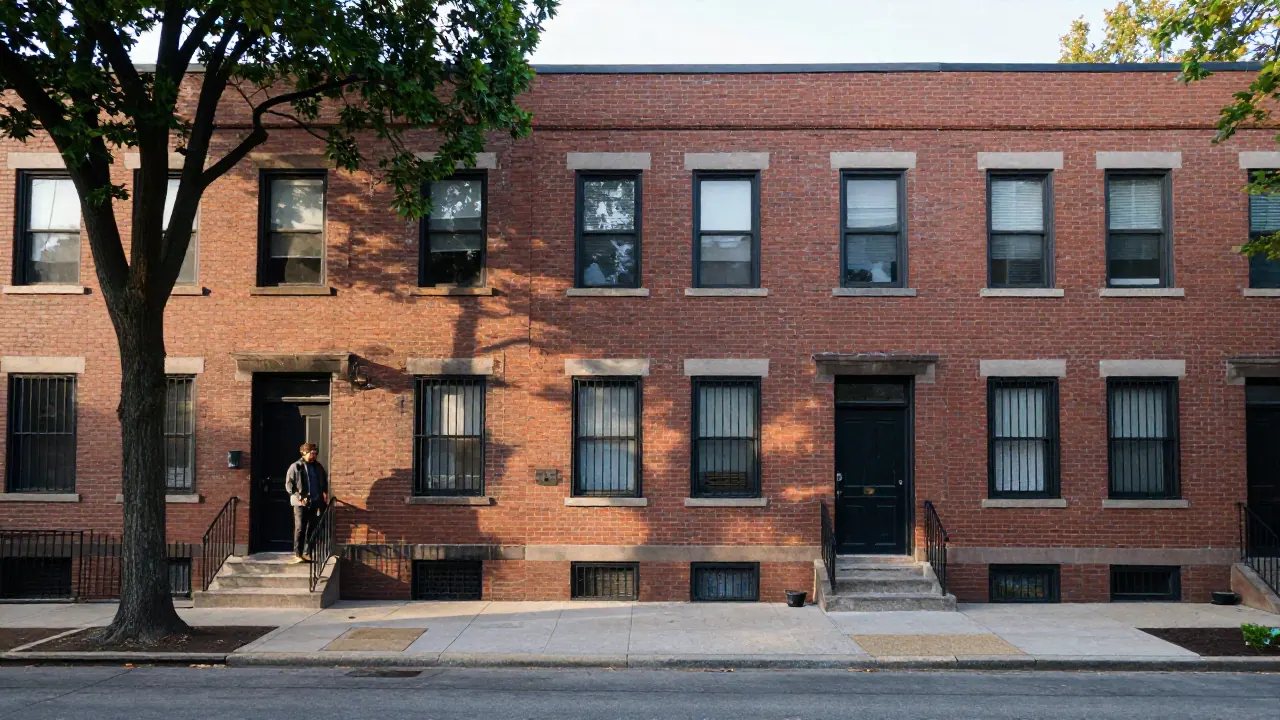
Renters should get written permission before installing anything. Many leases restrict changes to windows, and some landlords will approve a releasable bar. Because the install uses pilot holes, ask what repairs they expect when it comes out. The page on window bars for apartments covers the lease conversation and how to protect your deposit. If you are securing a lower level, basement window bars deserve special attention, since basement windows are often both a break-in target and a required escape route.
Installation is only half the job. Once the bar is in place, test the release from inside, from the position where you would actually be, such as sitting up in bed. Do it with the lights off. Then have every adult in the household do it once, so nobody discovers the mechanism for the first time during an emergency. Repeat the test whenever a new person starts sleeping in that room.
Pair the bar with working smoke alarms. The NFPA Smoke Alarms at Home sheet says to install alarms inside every bedroom, outside each sleeping area and on every level of the home, including the basement, and to test them monthly. An alarm gives you the time to use the exit, and the bar makes sure the exit is still there. Also agree on a family plan: which window, who goes first, and where everyone meets outside.
Which Mistakes Defeat an Egress Release?
Most egress failures are not caused by a broken mechanism. They come from ordinary household habits that quietly block the exit. The most common is furniture: a dresser, bed frame or storage shelf pushed in front of the window. The second is clutter on the sill, such as plants, fans or window air conditioners, which can stop the bar from releasing. Keep the path from bed to window open at all times.
Paint is another quiet culprit. Repainting a room with the bar in place can seal moving parts shut, so mask or clean the release area and test it again after any painting or caulking. Rust and debris can also stiffen a mechanism, particularly in damp basements or coastal climates. Wipe the release area occasionally and check that it moves freely.
Do not store a key or tool for the release in another room. If you ever find yourself thinking "the key is in the kitchen drawer," the bar is not functioning as an egress device. Likewise, avoid adding aftermarket locks, zip ties or extra padlocks, which can turn a compliant bar into a fixed one without anyone noticing.
A simple habit keeps all of this on track: test the release at least twice a year, for example during a home fire drill as NFPA suggests, and test smoke alarms every month. It takes seconds and confirms that the opening still meets its purpose. Layered protection works best, with strong window bars for security, good locks on doors, working alarms and a practiced exit plan. For a broader look at how bars compare with other options, see our page on fire code and window bar compliance, or browse the types of bars available before you decide.
Frequently Asked Questions
Can window security bars have a quick release and still be secure?
Yes. A well-designed egress bar opens from the inside without a key or tool, but it cannot be operated from the outside. The security comes from solid steel construction and anchoring, while the release only works for someone already inside the room.
Which SWB model should I use for a bedroom window?
Use the Model A/EXIT, SWB's quick-release model. Model A ($85 per core module as listed) is for windows that are not part of a required escape route, and you should confirm with your local building department before choosing a non-releasable bar.
Do I need a permit or landlord approval to install quick release window bars?
Requirements vary by city and by lease. Renters should get written permission from the landlord before installing, and homeowners should check with their local building department or fire marshal, since local codes often differ from the model International Residential Code.
What does the building code require of bars over a bedroom window?
In the 2021 IRC, bars over an escape opening must leave the required net clear opening and be releasable or removable from the inside without a key or tool or force greater than normal operation of the opening (R310.4.4). The opening itself must work without keys, tools or special knowledge (R310.1.1).
How big must the opening be once the bar is released?
At least 5.7 square feet of net clear opening (5 square feet at grade), 24 inches high and 20 inches wide, with the bottom no more than 44 inches above the floor, under the 2021 IRC. Measure with the window fully open and the bar in its released position.
Sources (facts checked 2026-10-30)
- Boulder County (CO) Community Planning & Permitting, B10 Emergency Escape & Rescue Openings, per 2021 IRC R310
- NFPA, Security Bar Safety (c) 2019, hosted by the City of Kinston, NC
- NFPA, Smoke Alarms at Home (c) 2018, hosted by the Delaware State Fire School
Code numbers refer to the 2021 International Residential Code; your city or state may have adopted a different edition. Confirm with your local building department or fire marshal.
Good window security should never come at the cost of your way out. A quick release egress bar gives you both: steel protection against forced entry and an exit built to be opened from inside without a key or a tool. Start with the bedrooms, choose the Model A/EXIT where a window may serve as an escape route, and confirm your local requirements. When you are ready, compare the options in the SWB shop and pick the right bar for each window in your home.