Window Bar Materials: Steel vs Aluminum vs Polycarbonate
Direct answer: 11-gauge steel is the only window bar material that meets security industry standards. Aluminum has one-third the yield strength of steel — it bends under forced entry that steel stops. Polycarbonate fails reciprocating saw attack in under 5 minutes. 97% of security consultants specify steel for residential window bars.
Marcus Reid · IDA Certified
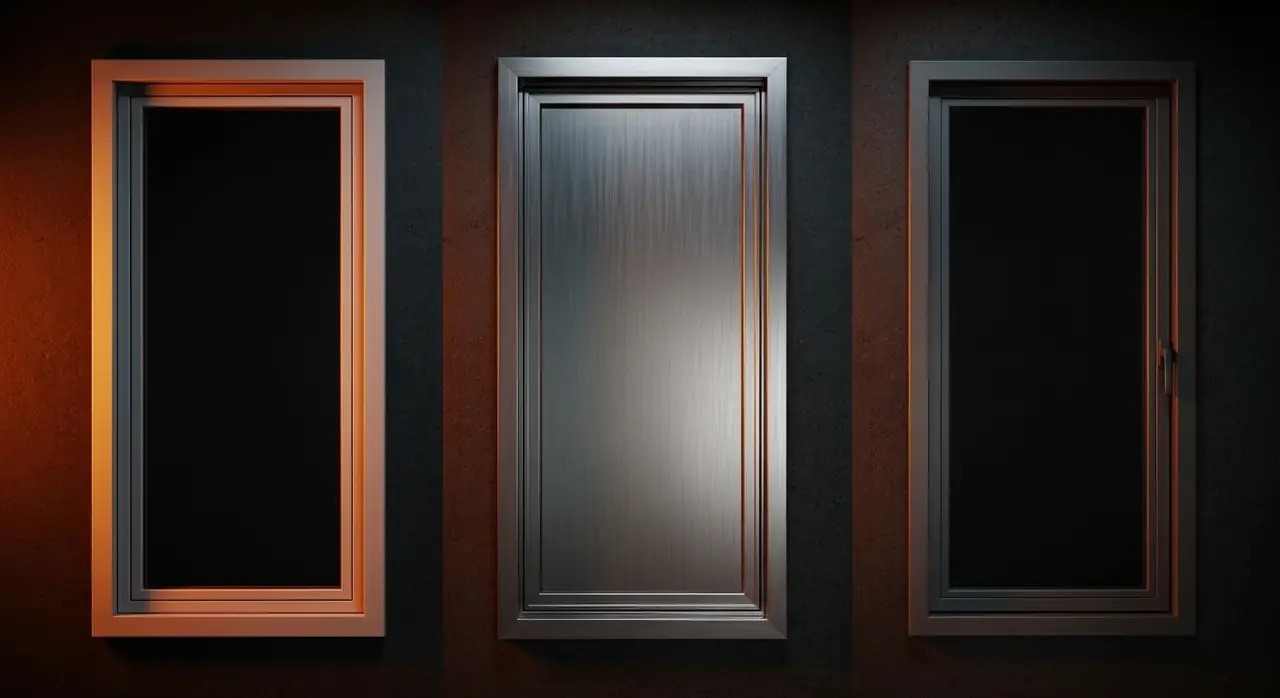
Material Comparison: Force Resistance Data
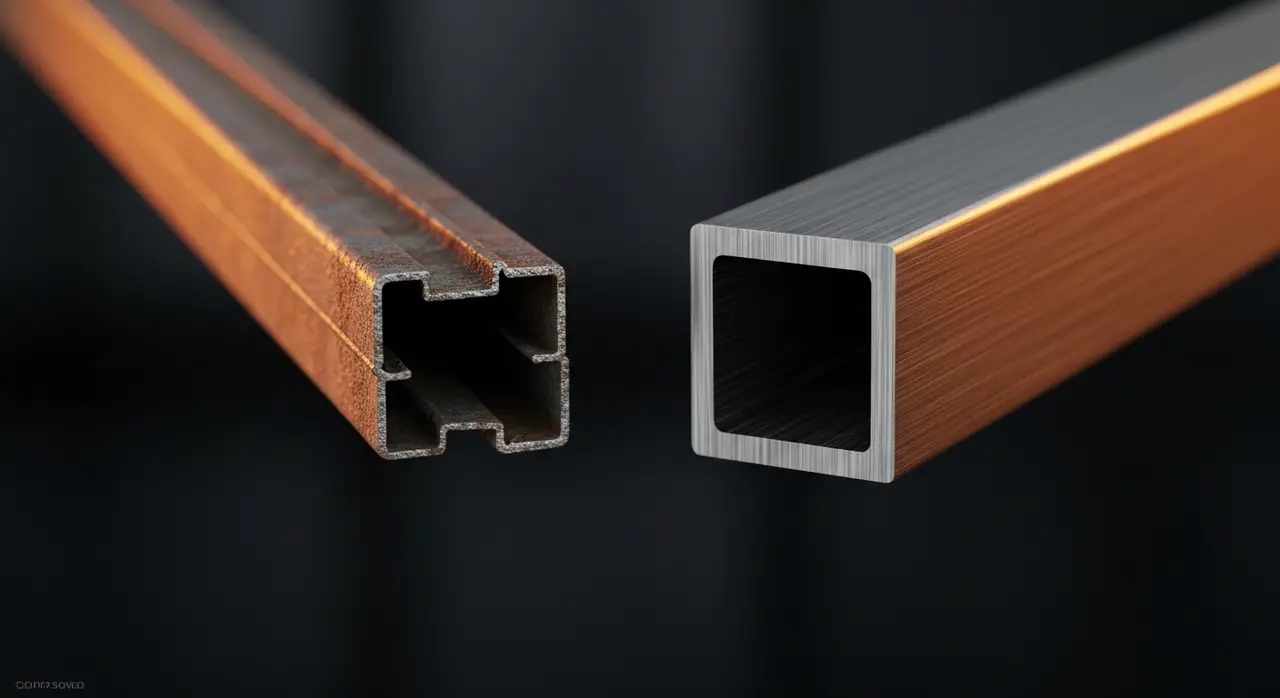
| Material | Yield Strength | Bolt Cutter Resistance | Saw Resistance | Security Rating |
|---|---|---|---|---|
| 11-gauge steel (3mm) | ~50,000–80,000 PSI | > 2 min (heavy cutters) | > 3 min per bar | ✓ Residential standard |
| 16-gauge steel (1.6mm) | ~50,000 PSI* | < 30 seconds | ~90 sec per bar | Inadequate |
| Aluminum (6061) | ~35,000 PSI | < 20 sec (lightweight) | < 60 sec per bar | Decorative only |
| Polycarbonate | ~9,000 PSI | N/A (snaps) | < 5 min per bar | Decorative only |
*16-gauge steel has equivalent strength per unit area, but the thinner cross-section means a bar body fails under significantly lower total force.
The Aesthetic-Security Tradeoff
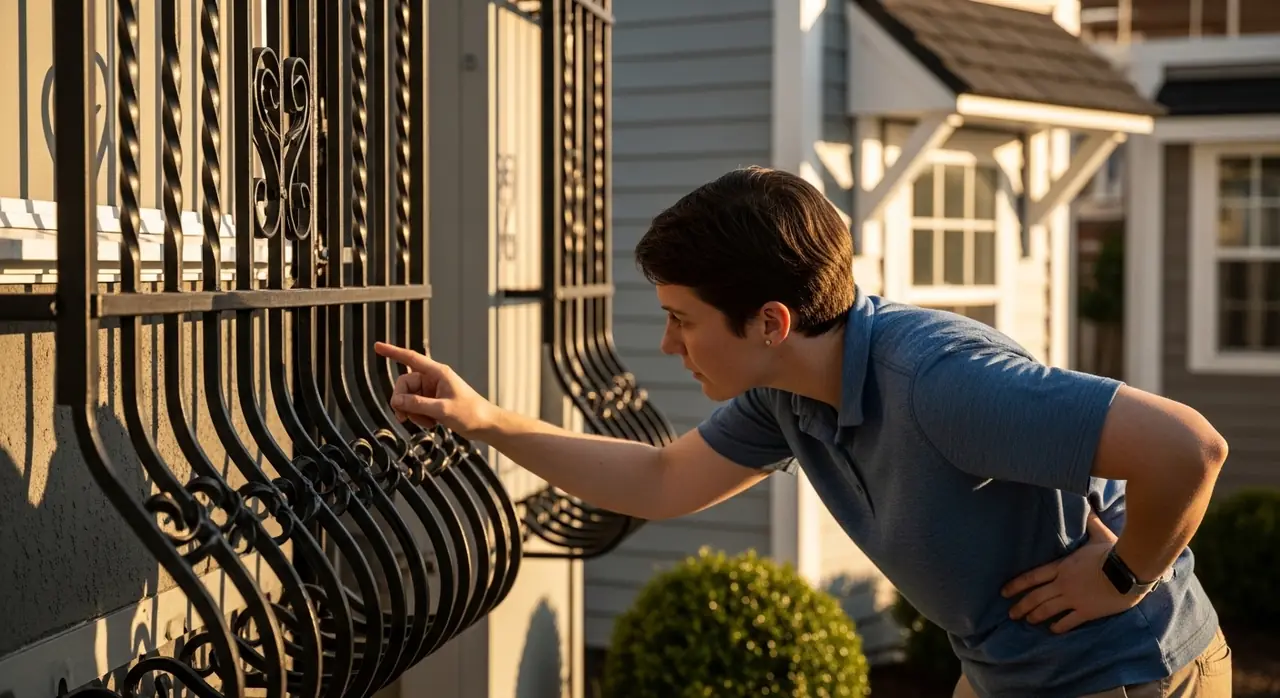
Steel
Best security, heavier, powder-coat finish options in any color, most common in residential/commercial. Weight: ~4 lbs per 36" bar.
Aluminum
Lightweight, corrosion-resistant in salt air, attractive finish, inadequate forced-entry resistance. Only recommended for ground-floor aesthetics without security priority.
Polycarbonate
Virtually transparent ("invisible bars"), no rust, very light. Fails forced entry quickly. Only appropriate for very low risk environments where aesthetics are the primary concern.
Industry Consensus
ASIS International Physical Security guidelines and IDA (International Door Association) standards both specify a minimum of 11-gauge (3mm) steel for residential window security bars. No aluminum or polymer material is listed as a compliant alternative in any major physical security standard for forced-entry resistance.