Window Bars Buying Guide: 7 Things to Know
Most buyers focus on price and look. Here are the 7 factors that actually determine whether your window bars will work — including 2 that most buyers discover too late.
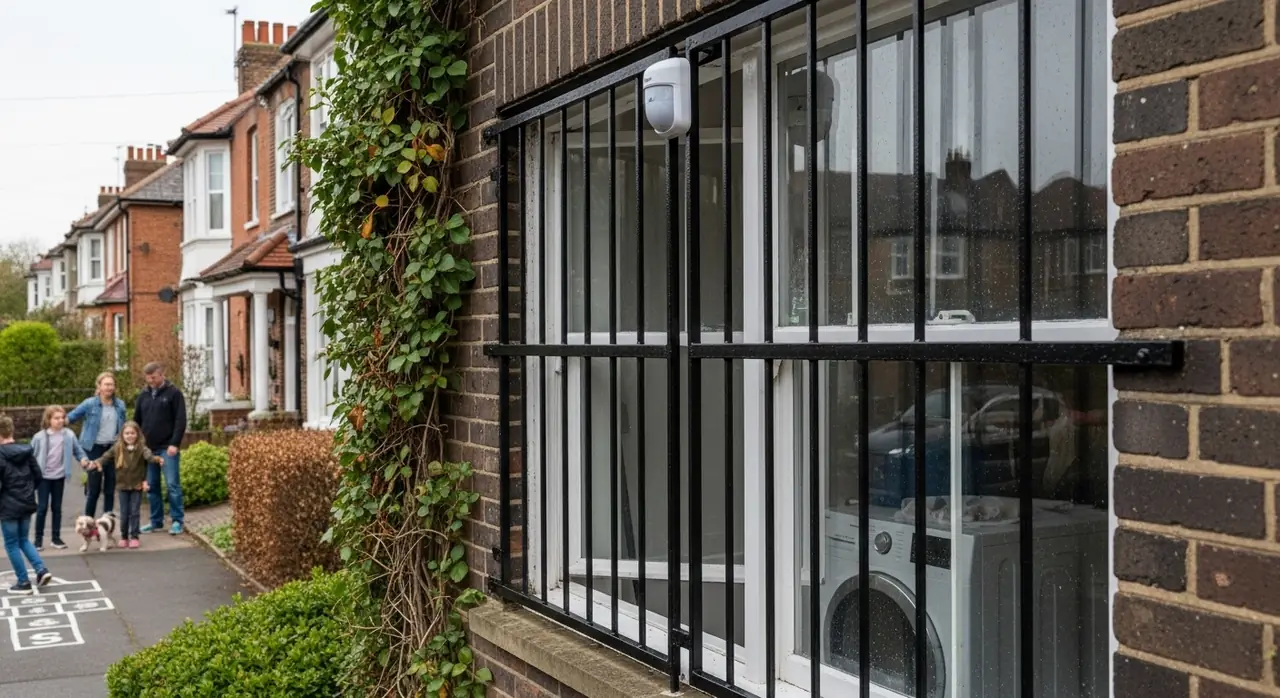
The 7 Factors
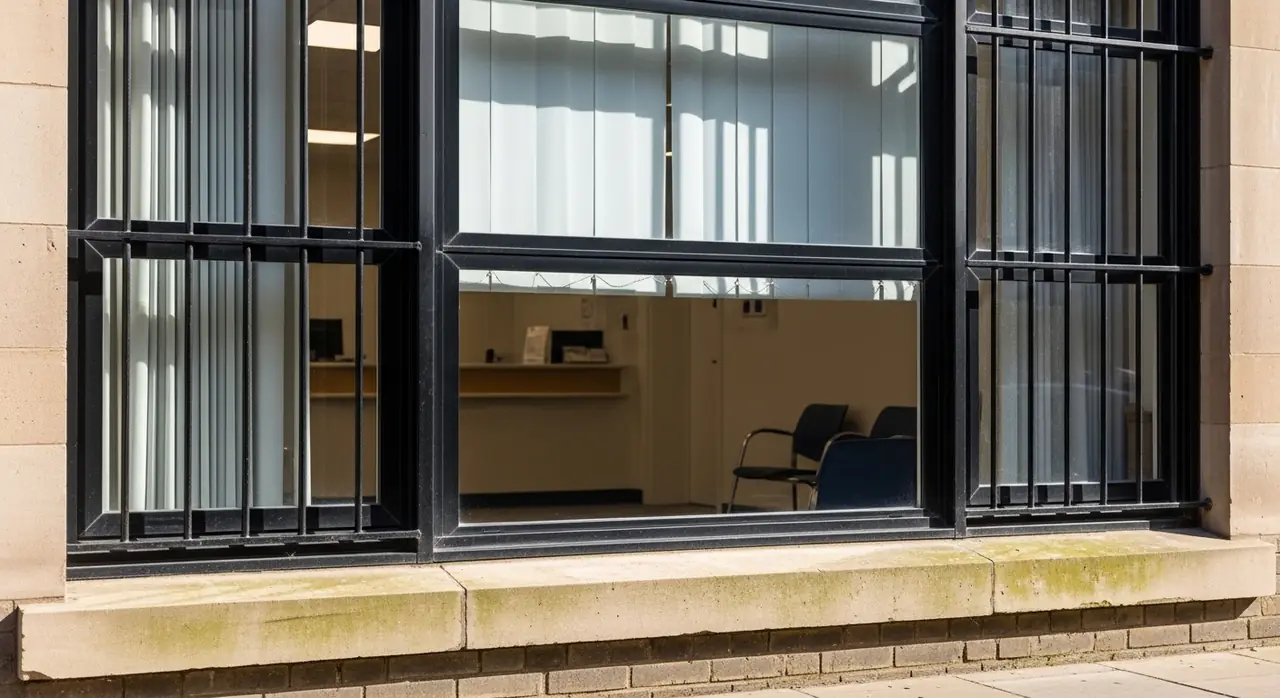
Most big-box window bars use 1.0mm steel wall thickness. This is adequate for visual deterrence but can be bent with standard tools. Commercial-grade bars use 1.5mm+ wall thickness, which resists forced entry attempts dramatically longer. Check the product spec sheet — if the manufacturer doesn't publish steel gauge, the gauge is not competitive. SWB publishes all material specifications.
If the bar you're looking at doesn't explicitly state "quick-release" or "egress release," it is not code-compliant for bedroom installation in most US states. This is not a nice-to-have — it's a legal requirement and a genuine fire safety issue. The Model A/EXIT is the only SWB product with this mechanism. Do not install a non-releasing bar on any sleeping room window.
Wood/vinyl frames: Model A. Masonry walls: Model B. Measure the interior channel width before ordering. SWB bars adjust from 26"–65". Most standard US residential windows fall in this range, but bay windows, custom windows, and some historical windows may fall outside it. Custom sizing is available.
Standard spacing of 4.25 inches (SWB default) is appropriate for homes with children over age 3–4. For homes with infants or toddlers, verify bar spacing against child safety standards. In New York City and some other jurisdictions, landlords are required to provide window guards with 4-inch maximum spacing in apartments with children under 10.
Powder-coat over galvanized steel is the correct specification for most US climates. Coastal environments (South Florida, Gulf Coast, Pacific Northwest) require the galvanized base layer to prevent corrosion under the finish coat. Raw steel or uncoated bars will rust — particularly with morning condensation or coastal humidity. Verify the finish specification.
Tension-only bars (spring-loaded, no screws) are the easiest to install but provide less resistance to sustained force. Anchored bars (4 screws into window frame) are modestly more secure and stay in position under vibration or impact. For most applications, the difference is marginal — but for high-priority windows in high-crime areas, anchored installation is recommended.
The most common buyer mistake: securing 1–2 windows while leaving 3–4 others unsecured. Burglars check every accessible window. A single unsecured window on a house with 5 barred windows is the easiest point of entry. Secure all ground-floor windows, all basement windows, and any upper-floor windows accessible from adjacent structures. The marginal cost of securing one more window is $99 — the cost of an entry point is $2,661+.
Quick Reference: Which SWB Bar for Which Window
Model A/EXIT ($114) — quick-release required by code
Model A ($99) — standard residential bar
Model B ($99) — masonry-specific hardware
Get a free quote → We'll specify the right product for your windows.