SWB VS GRISHAM VS ONGUARD: 2026 BUYER COMPARISON (STEEL, PRICE, WARRANTY)
Direct answer: SWB wins this comparison on every hard spec — 11-gauge steel vs. Grisham's 14-gauge and OnGuard's 12-gauge, a 4-bolt anchor vs. 2 or 3, a lifetime warranty vs. 1 or 5 years, and a lower entry price starting at $99. If you're cross-shopping these three brands, the gap isn't cosmetic. It's measurable in steel thickness, anchor count, code compliance, and long-term cost of ownership.
Marcus Reid · IDA Certified
11 minutes
Why This Comparison Matters Before You Buy
Window bars are a long-duration installation. Once they're anchored into your framing, you're not swapping them out in a year. That makes the initial spec decision consequential in a way that, say, choosing a doorbell camera isn't. Yet most buyers searching for a window bar brand comparison end up reading content that lists features without context — no gauge comparisons, no anchor counts, no discussion of what fire code actually requires. This post fixes that.
According to FBI Uniform Crime Reporting data, roughly 60% of burglary entries occur through windows or doors, with ground-floor windows representing the highest-frequency point of entry in residential break-ins. Window bars are one of the few passive deterrents that don't rely on a subscription, a battery, or a response time. But a bar built from 14-gauge steel with two anchor bolts isn't the same product as one built from 11-gauge steel with four. The difference in forced-entry resistance is real and calculable. The goal here is to give you the numbers so you can make that call yourself.
The Core Metric
11-gauge steel has a wall thickness of ~0.120". 14-gauge is ~0.075". That's a 37% reduction in steel mass — not a rounding error when the product's job is to resist lateral force from a pry bar.
Full Spec Comparison: SWB vs Grisham vs OnGuard

The table below covers every specification category that actually affects security performance and long-term value. Price ranges reflect current retail across each brand's standard telescopic bar lineup. This is the window bars brand comparison most buyers need before committing to a purchase.
| Specification | SWB | Grisham | OnGuard |
|---|---|---|---|
| Steel Gauge | 11-gauge | 14-gauge | 12-gauge |
| Anchor Points | 4-bolt | 2-bolt | 3-bolt |
| Warranty | Lifetime | 1 year | 5 years |
| Price Range | $99–$249 | $150–$300 | $200–$400 |
| Made in USA | Yes | No | Not disclosed |
| ICC Fire-Code Egress | Yes (Model A/EXIT) | Not listed | Not listed |
| Telescopic Adjustment | Yes | Yes | Yes |
Data sourced from published product listings and distributor documentation. Grisham and OnGuard specs verified against available retail product pages as of Q1 2026.
Steel Gauge and Anchor Count: What the Numbers Actually Mean
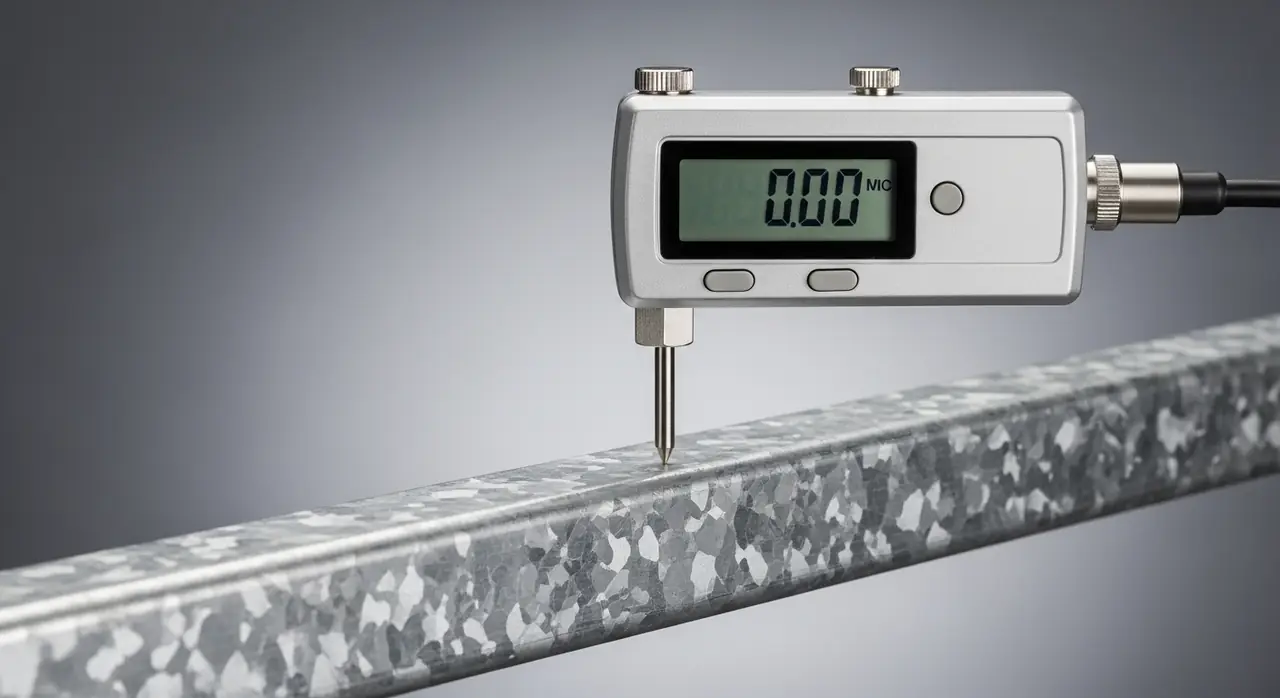
Steel gauge runs counterintuitively — lower number means thicker steel. SWB's 11-gauge tubes measure approximately 0.120" wall thickness. Grisham's 14-gauge measures about 0.075". OnGuard's 12-gauge lands around 0.105". In a forced-entry attempt using a pry bar — the most common tool in residential burglaries — the attacker applies lateral bending force to the bar. Thicker-walled steel resists that bending moment at a non-linear rate; a 37% increase in wall thickness doesn't produce a 37% improvement in resistance, it produces a significantly larger one because section modulus scales with thickness squared.
Anchor count works similarly. A 2-bolt system like Grisham's concentrates all pull-out force across two points in the window frame. A 4-bolt system distributes that load across four points, each individually requiring less force to hold. In wood-frame construction — which accounts for the majority of US residential housing stock — individual anchor pull-out strength is the weak link in any window bar installation, not the bar itself. More anchors mean the frame fails at higher total applied force, assuming equivalent bolt hardware and proper stud-anchoring technique.
Anchor Point Rule of Thumb
Security industry guidance (IDA) treats 4 anchor points as the minimum for ground-floor window bar installations. Two bolts is a DIY-grade spec, not a security-grade one — regardless of what the product is marketed as.
Price vs. Value: Where Each Brand Sits
The pricing inversion here is one of the more telling data points in this window bars brand comparison. Grisham charges $150–$300 for 14-gauge steel with 2 anchors and a 1-year warranty. OnGuard charges $200–$400 for 12-gauge with 3 anchors and a 5-year warranty. SWB's Model A (26"–42") starts at $99, Model B (42"–66") starts at $129, and the fire-code compliant Model A/EXIT starts at $129 — all with 11-gauge steel, 4-bolt anchors, and a lifetime warranty. You're paying less and getting more material. That's not a common situation in the security hardware market.
The OnGuard price premium — up to $400 for a single bar — is harder to justify once you have the spec sheet in front of you. A 12-gauge bar at $400 versus an 11-gauge bar at $129 isn't a quality-versus-budget trade-off. It's a marketing-versus-spec trade-off. If you're outfitting a multi-window property — a rental unit, a commercial ground floor, a full home — that price gap compounds fast. Ten windows at OnGuard's midpoint price ($300) is $3,000. Ten SWB Model B units are $1,290. That's a $1,710 delta for inferior steel and fewer anchors.
SWB MODEL A — $99
26"–42" span. 11-gauge steel. 4-bolt anchor. Lifetime warranty. Best entry-level security bar on spec-per-dollar.
SWB MODEL B — $129
42"–66" span. Same 11-gauge steel and 4-bolt system. Covers wider windows and sliding glass door openings.
SWB MODEL A/EXIT — $129
ICC fire-code compliant quick-release. Required for sleeping rooms under IBC Section 1030 and NFPA 101. The only listed egress-compliant option in this comparison.
Fire Code Compliance: The Specification Most Buyers Miss
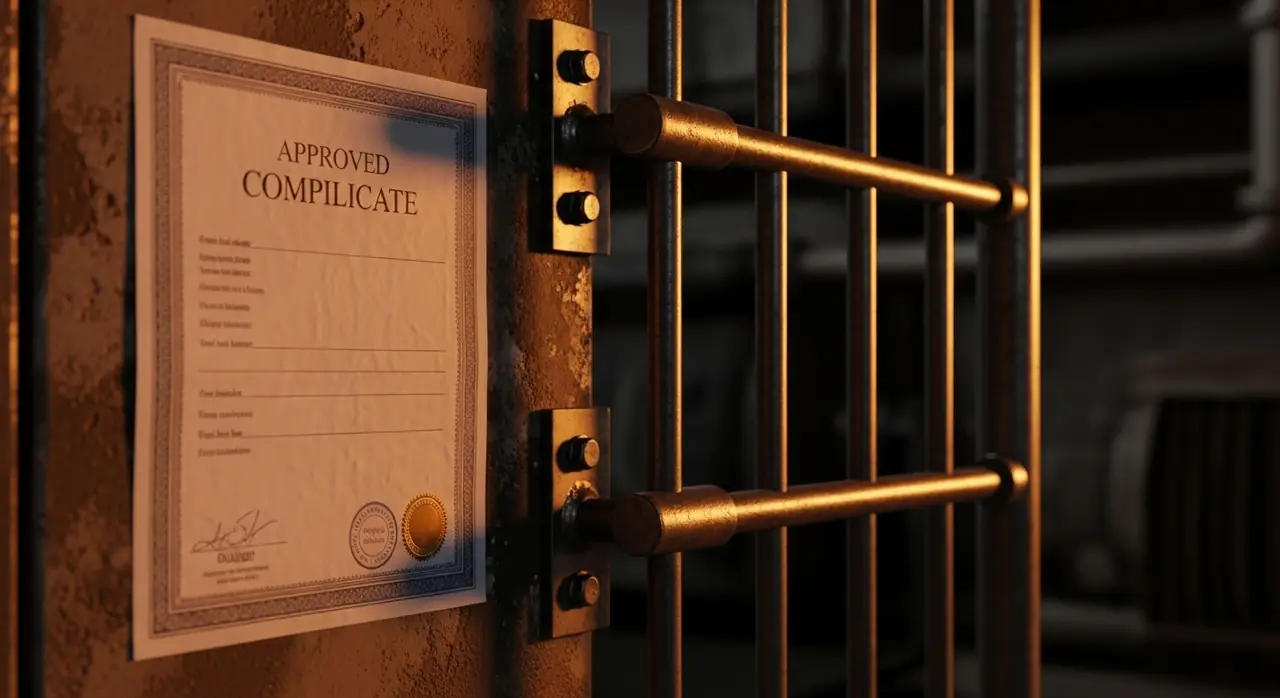
This is the part of the Grisham window bars review and OnGuard window bars review that most comparison content skips entirely — and it's potentially the most consequential specification on this list. The International Building Code Section 1030 and NFPA 101 Life Safety Code both mandate that security bars installed on emergency escape and rescue openings (sleeping rooms, in plain language) must include a quick-release mechanism operable from the inside without special knowledge or keys. Non-compliant bars in sleeping rooms are a code violation in most US jurisdictions.
NFPA reports that roughly 2,620 home fire deaths annually involve situations where occupants couldn't escape. Window bars without egress release mechanisms are a documented contributing factor in residential fire fatalities. SWB's Model A/EXIT is designed specifically to meet ICC egress requirements — it provides the security of a fixed bar with an inside-operable release for emergency exit. Neither Grisham nor OnGuard lists an ICC-compliant egress model in their standard telescopic bar catalog. For any bedroom window application — owned home, rental property, or commercial sleeping accommodation — that's a material gap.
Landlord Liability Note
Installing fixed, non-release window bars on a tenant's sleeping room is a building code violation under IBC Section 1030 in most US jurisdictions. If a fire occurs and egress is blocked, liability exposure is significant. The Model A/EXIT at $129 is the correct product for any rental application.
Bottom Line: Which Brand Should You Buy?
If you're doing a serious best window bar brand evaluation, the outcome of this comparison isn't close. SWB leads on steel thickness, anchor count, warranty length, fire-code compliance, and price. That's not one category — it's every category. Grisham competes on brand name recognition built from years in the big-box hardware channel, but 14-gauge steel and a 1-year warranty don't hold up against the spec sheet. OnGuard sits in an uncomfortable middle position: better specs than Grisham but worse than SWB, at a price 2–3x higher than SWB's entry models.
The practical buying logic is straightforward. Non-sleeping-room windows — garage, utility room, basement storage — use the Model A ($99) or Model B ($99) depending on window width. Any bedroom window requires the Model A/EXIT ($129) to maintain code compliance. If you're securing a commercial ground floor or rental property across multiple windows, SWB's pricing advantage compounds at scale in a way that no specification argument from Grisham or OnGuard can overcome.
BUY SWB IF...
You want the strongest steel, most anchors, longest warranty, US manufacturing, and fire-code egress options — at the lowest entry price of the three brands.
SKIP GRISHAM IF...
Security performance is the priority. 14-gauge steel with 2 anchors and a 1-year warranty is the weakest spec in this comparison — and it costs more than SWB's superior product.
SKIP ONGUARD IF...
You're comparing specs to price. Paying $200–$400 for 12-gauge steel and 3 anchors when SWB offers 11-gauge and 4 anchors from $99 is a straightforward value miscalculation.