Safety Bars for Doors: Security, Exit Rules and Limits to Know
Safety bars for doors can slow a break-in, but they must never block your way out. Learn the types, the exit rules and where window bars fit.
What are safety bars for doors, and what do they actually do?
It is 11 p.m. You check the deadbolt on the front door, then the sliding patio door, and you wonder if a lock alone is enough. That is the moment many people start shopping for safety bars for doors. Before you buy one, it helps to know what these products do, what they cannot do and where the hard limits sit.
The phrase covers several different products. A door brace or jammer wedges under the knob or against the floor. A safety door bar for a sliding door sits in the track or across the frame. A swing bar or door guard lets the door open a few inches while it stays attached. Each one adds resistance at a door. None of them replaces a solid door, a sound frame and a good strike plate.
Think of a door bar as one layer of protection, not the whole system. A bar can only be as strong as the thing it pushes against. If the frame is weak, the hinge screws are short or the glass beside the door is thin, a bar changes less than you hope. How much it helps depends on your door, your frame and the floor or track it presses on.
One more limit matters before anything else: every bar that blocks a door also blocks the person inside. That is why exit rules come early in this guide. If you are comparing window products too, the window security bars guide explains how those work. This post covers doors, the windows next to them and the escape rules that apply to both.
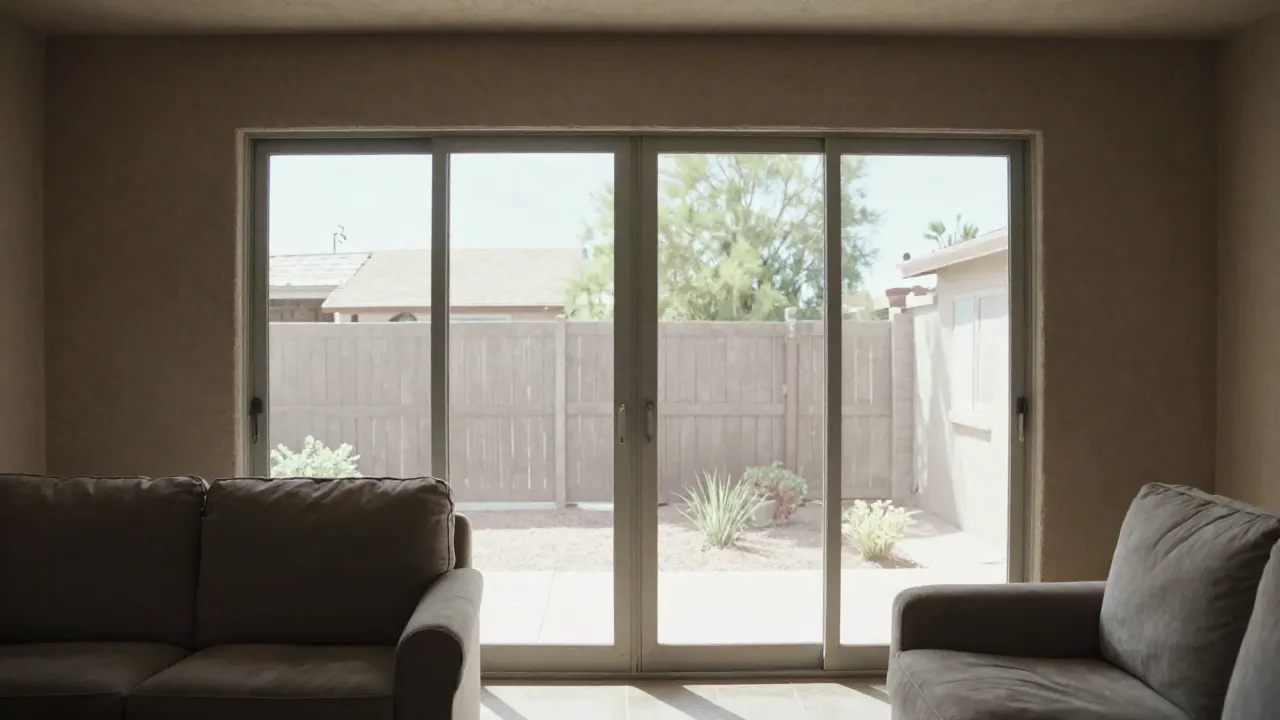
Which safety bars for doors fit which kind of door?
Not every door takes every bar. A hinged front door, a sliding patio door and a door with glass panels each fail in different ways, so each needs a different approach. Use the table below as a starting point, then check your own door and frame.
| Door type | Common bar or device | Works best when | Watch out for |
|---|---|---|---|
| Hinged exterior door | Brace or jammer, swing bar | Frame and strike plate are solid | It must come off by hand in seconds. A weak frame limits any bar. |
| Sliding patio door | Track bar or rod across the frame | The door fits its track well | It does not stop the glass from breaking. Make sure it lifts out fast. |
| Door with glass panels or sidelights | Bar on the door, plus a plan for the glass | You also deal with the panes | A bar on the door does nothing for the pane beside it. |
| Bedroom door (interior) | Simple latch or wedge | You want privacy or a short delay | Anyone in the home must be able to open it instantly. |
| Rental entry door | Removable device that leaves the door unaltered | Your lease or landlord allows it | Drilling or damaging the door can cost you your deposit. |
The table shows device categories, not product ratings. Quality varies a lot inside each category, and a device is only useful if it fits your door.
If you rent, ask in writing before you add anything that changes the door, frame or window. The window bars for apartments page covers the renter side for windows, and the same habit applies to doors: permission first, installation second.
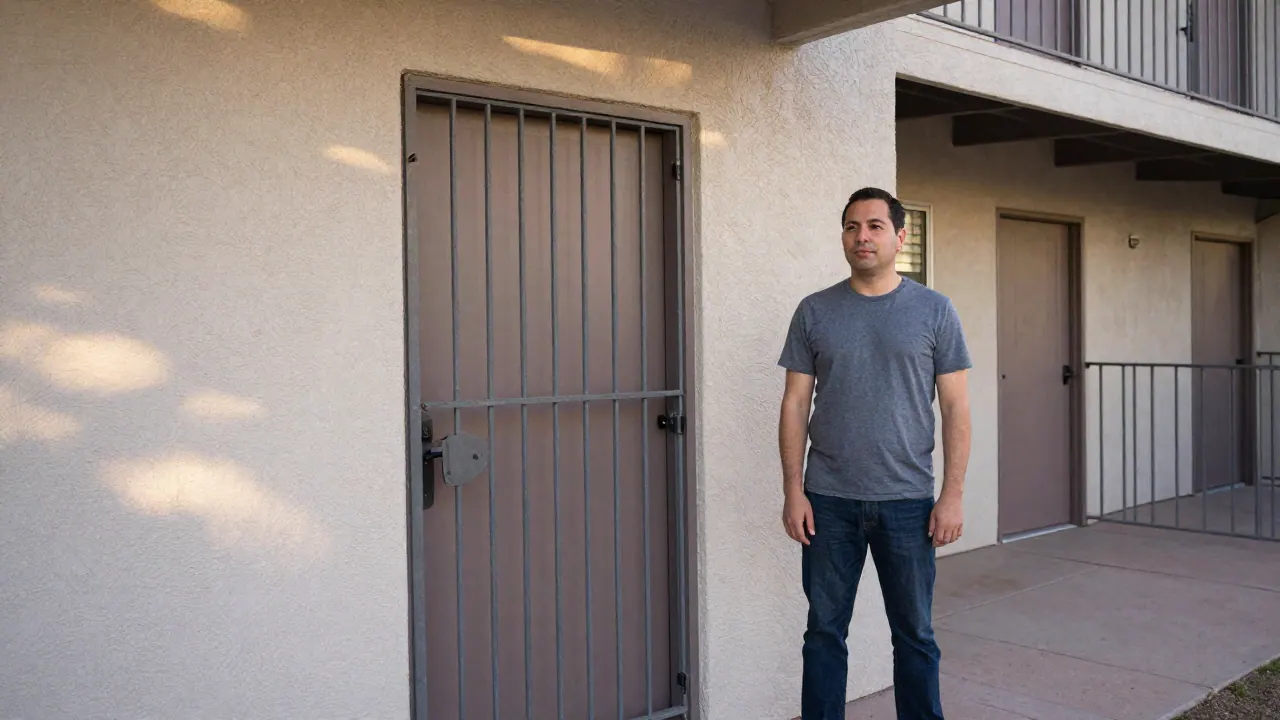
How do safety bars for doors affect your way out in a fire?
A door is an exit. In a fire you may need it in the dark, with smoke in the room and no time to think. The NFPA Security Bar Safety sheet warns that some security bars “can trap you in a fire” and “can also keep firefighters from getting in to rescue you.” The same logic applies to a door you have blocked from inside.
The same sheet says to find at least two ways out of every room. It says all exits, including barred windows, must open easily from inside. It also says to choose bars with quick-release devices and to hold a home fire drill twice a year. Use that as your test for any door bar: could every adult in the home remove it by hand, in the dark, in seconds?
Some practical rules follow. Do not use a key, a padlock or a tool-operated device on a door or window you might need as an exit. Do not brace a bedroom door in a way that someone half asleep cannot undo. If a bar goes on at night, practice taking it off as part of your drill, and make sure everyone who lives there knows how.
Windows count in this plan too. The 2021 IRC, section R310.1, calls for at least one operable emergency escape and rescue opening in basements, habitable attics and every sleeping room, with limited exceptions. R310.1.1 says the opening must be operable from the inside “without the use of keys, tools or special knowledge.” R310.4.4 says bars, grilles, covers or screens over those openings must leave the required clear opening and be releasable or removable from the inside without a key, a tool or more force than the opening itself needs. Section numbers change between editions and local code may differ, so confirm with your building department. Boulder County publishes a useful summary of emergency escape and rescue openings. For more detail, see the window bars fire code page.
The takeaway is simple. A bar that helps you feel safe at night must never be the reason someone cannot get out at 3 a.m.
Are safety bars for doors a child or pet safety product?
No. Door bars are built to resist forced entry. If your goal is to keep a young child from wandering out, or a pet from slipping through, a door bar is the wrong tool. Pick a product designed for that job and keep supervising.
Falls from windows are a separate problem with a separate fix. The NFPA sheet notes that a window guard or gate, or a window stop or wedge, can keep a child from falling out of an open window. Those devices exist for that purpose. Security bars do not replace them.
SWB is clear about its own products. Its bars are security bars. They are not child fall-prevention devices, and the 5.25-inch bar spacing on its models does not contain small children or pets. Do not rely on any security bar, SWB or otherwise, to keep a child or a pet in or safe.
There is also an exit angle here. Anything you add to a door or window must still let adults get out fast. A device that a child cannot open but an adult also struggles to open creates a different kind of risk. Before you add anything, test it with the adults in the home, and think about who else may need to open it, such as a guest, a babysitter or a neighbor helping in an emergency.
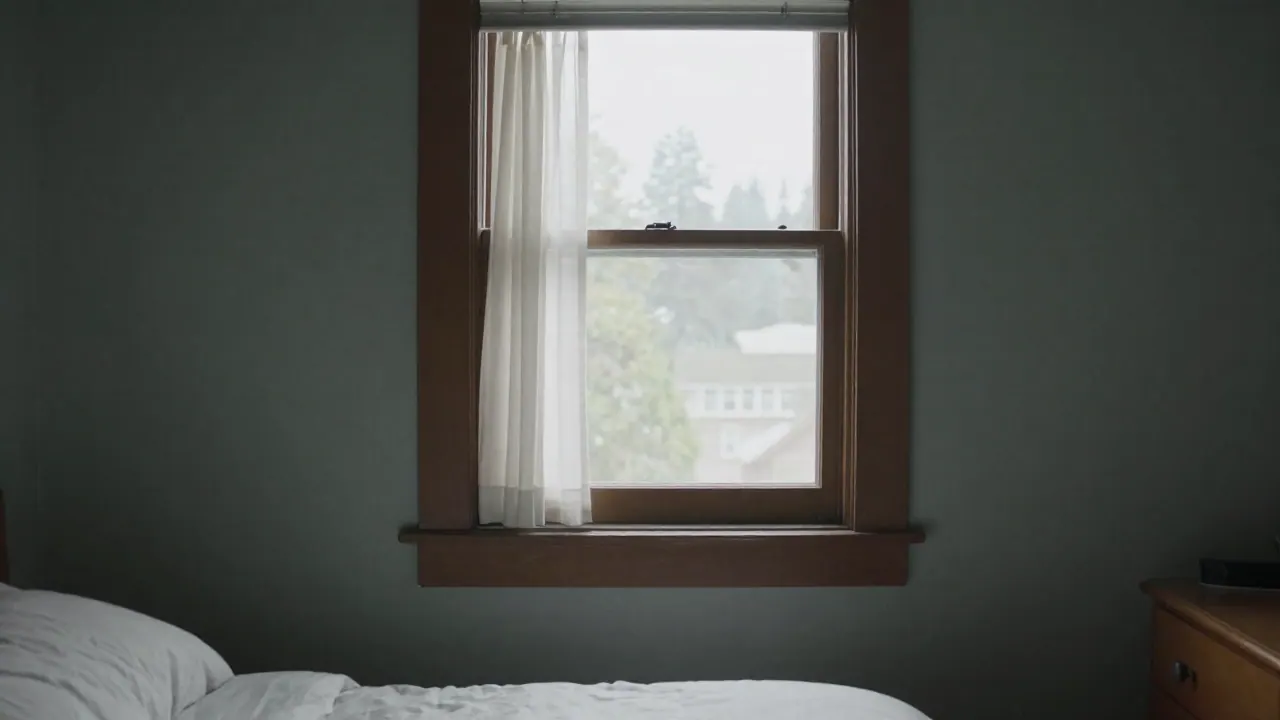
Do window safety bars and safety grills cover the gaps next to a door?
Many entries have glass beside the door: sidelights, a narrow window, or a bedroom window a few steps from the patio slider. A strong door bar does little if the glass next to it is the easy way in. That is where window safety bars, safety grills and any window safety grill product come in.
The question to ask first is whether that window is an escape opening. If it serves a sleeping room or a basement, the escape rules above apply, and quick release matters. That is the core of window bars fire safety. Fire safety window bars must open from inside without keys or tools, and the installed window is judged by your local building official.
Here is what SWB lists for its three window models. Always check the live product page before you decide.
- Model A: $85 per core module. Telescopic height is 35 to 65 inches. Width is modular, 16 inches per module, so you stack modules for wider windows. Bar spacing is 5.25 inches. It is galvanized steel with electrostatic paint and mounts to the frame or wall. Installation takes 15 to 30 minutes, and the manual drills pilot holes and uses the included anchors, so it is not a no-drilling product. It has a 1-year limited warranty and no integrated quick-release.
- Model B: $85 per core module. Height is 35 to 61 inches. It is a wall-mount design for masonry, stucco and irregular frames. SWB lists it as not rated for fire code or egress, so it only belongs on windows that are not escape openings.
- Model A/EXIT: quote only, as an online exclusive. It telescopes from a 35-inch base up to 65 inches, with a 43-inch base width that expands with modules. It has a hand-operated lift-bolt quick-release from inside and stays rigid from outside. SWB describes it as its egress-compliant model and the only one with a built-in quick-release. The building official decides whether the installed window complies.
These are window bars. This post does not present them as door products. If you have a sidelight or a narrow window beside your entry, measure it and check the fit on the product page before you order.
What should you check before you buy safety bars for doors?
Run through this list before you spend anything. It takes ten minutes and can save you from a product that does not fit or, worse, one that gets in the way of your exit.
- Release: can every adult in the home remove the bar by hand, quickly, in the dark, with no key or tool?
- Exit plan: does every room still have two ways out, and have you practiced them in the last six months?
- Door and frame: are the door, frame, hinges and strike plate solid enough for a bar to help?
- Glass: have you dealt with sidelights, door panes and nearby windows, or only the door itself?
- Windows: does any barred window serve a bedroom or basement as an escape opening? If so, check quick release and local code first.
- Rental: do you have written permission before you drill, mount or alter anything?
- Local code: have you asked your building department which edition of the code applies where you live?
- Fit: have you measured the opening and confirmed the product fits it?
Bars do not replace smoke alarms. The NFPA Smoke Alarms at Home sheet says to install alarms in every bedroom, outside each sleeping area and on every level, including the basement. It says to test them monthly and replace them at 10 years. If your alarms are older than that, fix that first.
If a product fails any item on the list, skip it or choose another. A slightly less convenient device that anyone can release is a better choice than a tougher one that traps someone.
Frequently Asked Questions
Are safety bars for doors legal everywhere?
Rules vary by local code and by your lease, so ask your building department or landlord. For escape openings, the 2021 IRC requires release from inside without keys, tools or special knowledge, and local code may differ.
Can I use a safety door bar on a bedroom door?
Only if every adult in the home can remove it by hand, instantly, in the dark. Never use a key, padlock or tool-operated device, and practice removing it as part of your fire drill.
Do window safety bars replace a door bar?
No. They protect different openings. A door bar helps at the door, while window safety bars or a window safety grill protect glass openings, and each has its own exit rules.
Do safety grills keep children or pets from falling or escaping?
No. SWB bars are security bars, and their 5.25-inch spacing does not contain small children or pets. NFPA notes that a window guard or gate, or a window stop or wedge, can keep a child from falling out of an open window.
Do SWB bars have a quick-release?
Model A has no integrated quick-release, and Model B is listed as not rated for egress. SWB describes Model A/EXIT as its egress-compliant model with a hand-operated lift-bolt quick-release, and the building official decides compliance.
Sources (facts checked 2026-11-10)
- NFPA, Security Bar Safety, 2019
- NFPA, Smoke Alarms at Home, 2018
- Boulder County Building Safety, B10 Emergency Escape and Rescue Openings (2021 IRC R310)
Code numbers refer to the 2021 International Residential Code; your city or state may have adopted a different edition. Confirm with your local building department or fire marshal.
Safety bars for doors can add a layer of resistance, but only if they leave your way out intact. Start with the exit test, deal with the glass and windows beside the door, and check your local code and your lease. If a window near your door needs protection, you can look at the SWB shop or ask for a quote for the egress-focused model through the quote page. Take your time, measure twice and choose what fits your home.