Safety Bars for Basement Windows: Egress, Falls and Security
Safety bars for basement windows: egress rules, window wells, falls and pets, plus which SWB model fits each basement room.
Why Do Safety Bars for Basement Windows Need a Different Approach?
A basement window is not just a smaller version of a first-floor window. It sits at or below grade, often behind a window well, and it is frequently the least visible opening on the property. That combination creates three separate risks: a low, easy-to-reach entry point for intruders, an open drop or well that a pet or a visitor can fall into, and, in finished basements, a possible escape route that must stay usable in an emergency.
Most advice online treats these as one problem and sells one answer, usually a welded grill. That is where people go wrong. A bar that solves the security problem but blocks the only way out of a basement bedroom has created a worse hazard than the one it removed. Good safety bars for basement windows have to answer all three questions at once: does it keep people out, does it keep people and pets from falling, and can an adult still get out fast?
It also helps to be clear about what you are protecting against. If your goal is forced-entry resistance, the steel quality and anchoring matter most. If your goal is keeping a pet or a small child away from an open window, know that SWB's bars are not designed for that: a purpose-made guard or window stop is the right tool, as explained below. If the room is used for sleeping, release hardware and opening size matter most. Write down which of the three applies to each window before you shop.
For a broader overview of how lower-level windows differ from upper-floor ones, our guide to window bars for basement windows covers placement, window types and common mistakes. This post focuses on the safety side: egress, falls, pets and choosing the right hardware.
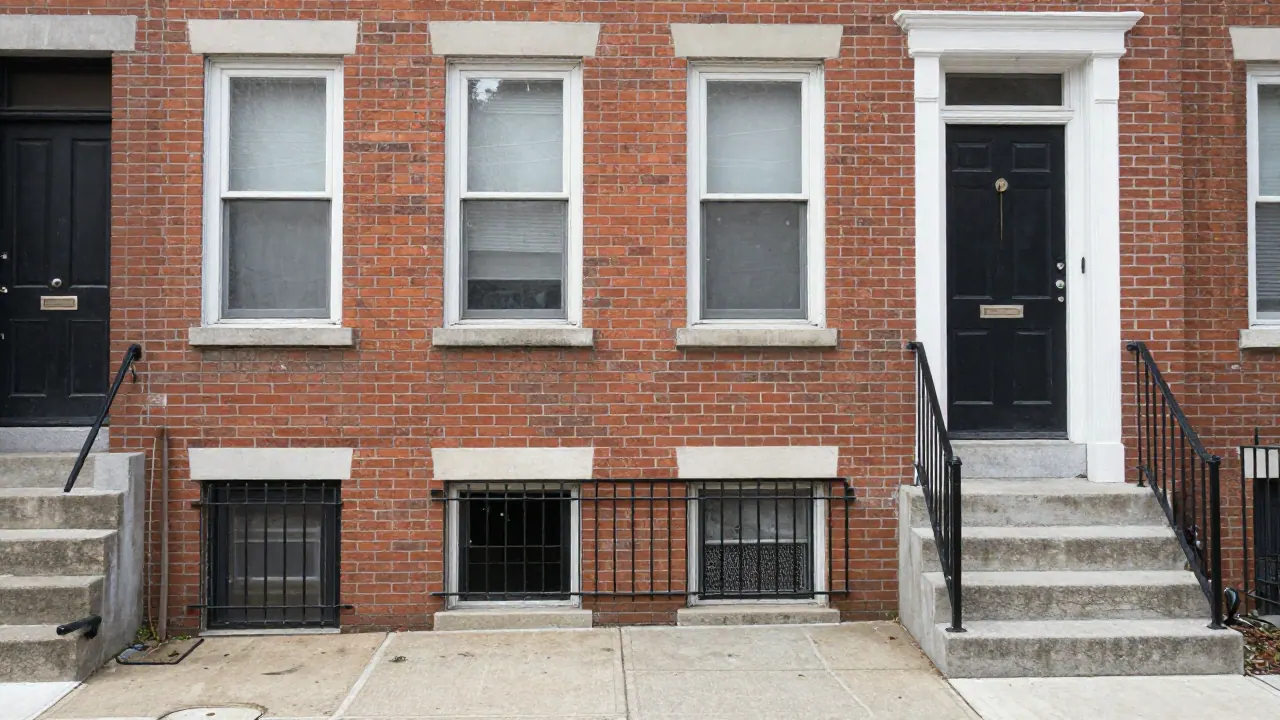
Egress First: What Does the Code Say About Basement Escape Openings?
Before you bolt anything over a basement window, find out whether that window is an emergency escape and rescue opening. In the 2021 International Residential Code, published by the International Code Council, basements, habitable attics and every sleeping room need at least one operable emergency escape and rescue opening (Section R310.1), with limited exceptions such as a basement used only for mechanical equipment. Local governments adopt and amend the code differently, so confirm the rules with your building department, but the model code values are a useful benchmark.
As summarized by Boulder County, CO building publication B10 (2021 IRC R310), an escape opening needs a net clear opening of at least 5.7 square feet (5 square feet for grade-floor openings), a net clear height of at least 24 inches, a net clear width of at least 20 inches, and a bottom of the opening no more than 44 inches above the floor (R310.2.1 to R310.2.3). The opening must work from the inside without keys, tools or special knowledge (R310.1.1). That last clause is the one that rules out most fixed grills and any bar that needs a key to open. If the bottom of the opening is below the adjacent ground, the code also calls for an area well of at least 9 square feet, at least 36 inches wide, with a permanently affixed ladder or steps when the well is deeper than 44 inches (R310.4.1 and R310.4.2).
If a basement window is your required escape opening, a permanently fixed bar is not an option. Bars over it must leave the required opening and be releasable or removable from the inside without a key or tool or force greater than normal operation of the opening (R310.4.4). That is the role of the Model A/EXIT window bar, SWB's quick-release model. Our window bars fire code guide walks through the broader code picture if you need more detail.
If the basement window is not your required escape opening, for example one of several windows in a basement that already has a compliant escape window, you have more freedom in what you choose, as long as you never block the escape window. Smoke alarms are the baseline either way: the NFPA Smoke Alarms at Home sheet says to install them inside every bedroom, outside each sleeping area and on every level of the home, including the basement. Bars are never a substitute for a working escape plan.
How Do Window Wells, Falls and Pets Change Your Choice of Safety Bars for Basement Windows?
Window wells are the part of basement safety that people overlook. A well is a vertical pit, and an uncovered one can be a fall hazard for a pet, a visitor or anyone in the yard after dark. If the basement window itself is open for ventilation, the opening is also a path for a pet to leave the house, or for wildlife and debris to come in.
Be careful about what interior bars do here. SWB says its bars are not designed as a child fall-prevention device, and their 5.25-inch bar spacing leaves gaps a small child or a pet can use. Bars protect against forced entry; they do not make an open window safe for a toddler. If fall prevention is the goal, use a window guard or a window stop made for that purpose (the NFPA Security Bar Safety sheet names window guards, gates, stops and wedges), and supervise children around any window.
Pets are the same story. Do not count on 5.25-inch spacing to keep a cat or a small dog from getting through, and check the gap at the frame after installation by looking at the finished opening rather than trusting a spec sheet. Telescopic bars that expand to fit let you tighten the fit against the frame so there is no slack at the edges, which helps security but does not change the spacing.
A well cover is a separate fix, and a risky one if chosen carelessly. The same rule that governs bars applies to covers placed over wells that serve an escape opening: they must be releasable or removable from the inside without a key or tool or force greater than normal operation of the opening (IRC R310.4.4). Never fasten a cover you cannot open from inside the basement. Our overview of removable window bars explains how to take bars out when you want to use the window for cleaning, painting or ventilation.
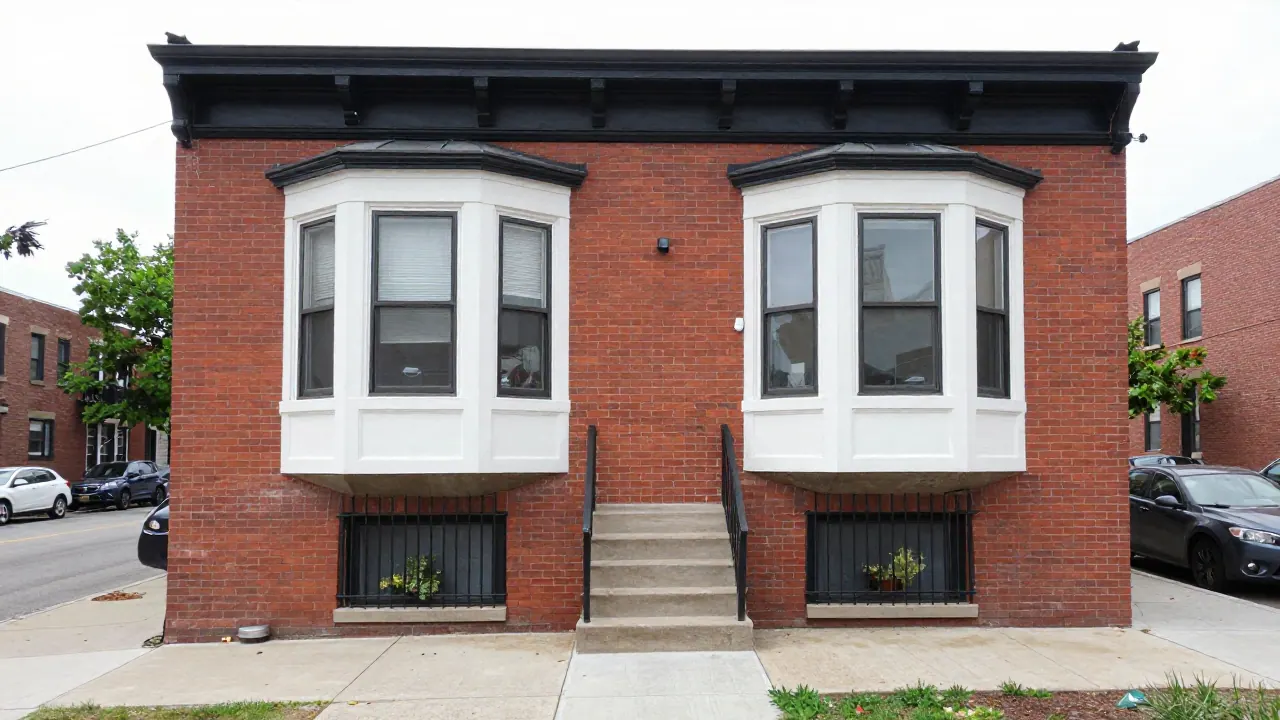
Fixed Grills or Telescopic Window Safety Bars: Which Suits a Basement?
When shoppers search for safety grills or a window safety grill, they usually find two product families. The first is the traditional fixed grill: steel bars welded into a frame and fastened permanently into masonry or wood. The second is the telescopic bar, a steel assembly that expands to fit the opening and is anchored in place with the hardware supplied.
Fixed grills have a real advantage in raw permanence, but NFPA says barred windows should open easily from inside. Their downsides in a basement are significant, though. They are hard to remove for window maintenance, they typically need heavy anchoring into the surrounding wall, and they cannot meet the release requirement for an escape opening. If you rent, many leases restrict them.
Telescopic bars trade some of that permanence for flexibility. SWB's Model A is 35 to 65 inches high and adds 16 inches of width per module, so wider basement windows use stacked modules (check the module table on the product page). A short basement window may be under the 35-inch minimum height, so measure the height first. SWB lists a 15 to 30 minute install, and its manual has you drill pilot holes and use the included anchors, so removal leaves small holes to fill. Ask your landlord first; see our guide to window bars for apartments if you lease.
A quick note on terminology: a safety door bar is a different product, a bar or brace that reinforces an entry door. If your basement has a walkout or a bulkhead door, treat that door as a separate project. This article is only about windows. For a full comparison of bar styles, see our types of window bars overview.
Model A, Model B or Model A/EXIT: Which Fits Which Basement Room?
SWB sells three models, and the right one depends on how the basement room is used. Model A is the entry point at $85 per core module as listed when this article was checked: a galvanized steel telescopic bar suited to storage areas, laundry rooms, workshops and other basement spaces where the window is not a required escape route. It has no integrated quick-release.
| Basement situation | Escape opening needed? | Bar choice |
|---|---|---|
| Basement bedroom window | Yes, for the sleeping room (IRC R310.1) | Quick-release only. SWB Model A/EXIT |
| The window that serves as the basement's escape opening | Yes, at least one per basement unless an exception applies (R310.1) | Quick-release only. SWB Model A/EXIT |
| Another basement window, when a compliant escape opening exists elsewhere | Not required to be an escape opening, but confirm locally | SWB Model A, or Model B on masonry. Never block the escape window |
| Basement used only for mechanical equipment | Exception in R310.1, subject to local adoption | SWB Model A or Model B, after confirming with your building department |
The Model B is built for masonry, stucco and irregular walls, which describes many basement frames. SWB lists it as not rated for fire code or egress, so it belongs only on windows that are not escape openings. Compare the details on the product pages rather than relying on a summary here.
For any basement bedroom, any room used for sleeping, or any window that serves as your required emergency opening, the model to look at is the Model A/EXIT. SWB describes it as its egress-compliant, quick-release bar, which is the property you need when security and escape must live in the same product. Your building official decides whether the installed window complies.
If you are not sure which model fits a particular window, measure the opening width and height and decide whether the room is a sleeping space. Then use the quote request form or browse the shop. A short check before you buy is cheaper than discovering the wrong bar on installation day.
How Do You Install and Maintain Basement Window Safety Bars?
SWB lists installation at 15 to 30 minutes for its bars, but basements add a few wrinkles. Check the condition of the frame first. Older basement windows can have rotted wood, rusted steel or crumbling mortar around the opening, and a bar is only as secure as what it presses against. If the frame is soft or damaged, repair it before you rely on any bar for security.
Measure the inside width of the opening at several heights, because basement frames are often slightly out of square. Choose the bar so that it sits within its adjustment range, not at the very end of it. Then follow the installation steps for your model, and test the fit by pushing firmly on the bar from the inside. Our window bar installation guide has the step-by-step process and common mistakes.
For egress models, practice the release. Have every adult in the household operate it once, in normal light, then again with the lights off. If anyone struggles, adjust your plan, such as moving a storage box that blocks the window, before you need it. Keep the area under the window clear of furniture, shelving and stored items so the exit path is always open.
Maintenance is simple but worth scheduling. Basements are damp, so check the steel for surface rust once or twice a year, wipe it down, and touch up any scratched finish. Confirm the fit has not loosened with seasonal temperature changes. On egress models, test the release at least twice a year, and test your smoke alarms every month, as NFPA recommends. A bar that is installed correctly and checked regularly will do its job quietly.
Frequently Asked Questions
Are safety bars on basement windows legal?
Check local rules: if the window is a required emergency escape opening, the bars must be releasable from the inside without a key or tool under the 2021 International Residential Code, and local rules may differ. Confirm with your building department, and use a quick-release option like SWB's Model A/EXIT for bedrooms and required exits.
Can window safety bars keep a pet from getting out of a basement window?
Not reliably. SWB's bars have 5.25-inch spacing and are not designed to contain pets or children. Check the finished opening, and remember that bars protect the room, not pets or children.
Can I install basement window bars myself as a renter?
SWB lists a 15 to 30 minute install, but the manual uses pilot holes and anchors, so there will be holes to fill when the bars come out. Review your lease and talk to your landlord first.
Does a basement bedroom window have to be an escape window?
Under the 2021 IRC, yes: every sleeping room, including one in a basement, needs an emergency escape and rescue opening of at least 5.7 square feet (5 at grade), 24 inches high and 20 inches wide, with the bottom no more than 44 inches above the floor. Local codes may differ.
Can I put a cover over my basement window well?
Only if you can open it from inside. For wells serving an escape opening, the 2021 IRC requires covers to be releasable or removable from the inside without a key or tool or force greater than normal operation of the opening (R310.4.4).
Sources (facts checked 2026-10-30)
- Boulder County (CO) Community Planning & Permitting, B10 Emergency Escape & Rescue Openings, per 2021 IRC R310
- NFPA, Security Bar Safety (c) 2019, hosted by the City of Kinston, NC
- NFPA, Smoke Alarms at Home (c) 2018, hosted by the Delaware State Fire School
Code numbers refer to the 2021 International Residential Code; your city or state may have adopted a different edition. Confirm with your local building department or fire marshal.
Safety bars for basement windows should fit the room's real job: security in storage and utility spaces, and a quick, no-tools exit anywhere people sleep. Consider Model A ($85 per core module as listed) for non-sleeping spaces, step up to the quick-release Model A/EXIT where escape matters, and compare options in the SWB shop or ask through our quote form. Measure the opening, check your local code, and test the release before you rely on it.