How to Install Window Bars: Steps, Limits and Safety Checks
Learn how to install window bars step by step: measure, check egress rules, mark anchors and mount safely, plus when to call a pro.
How to Install Window Bars Safely: What Should You Check First?
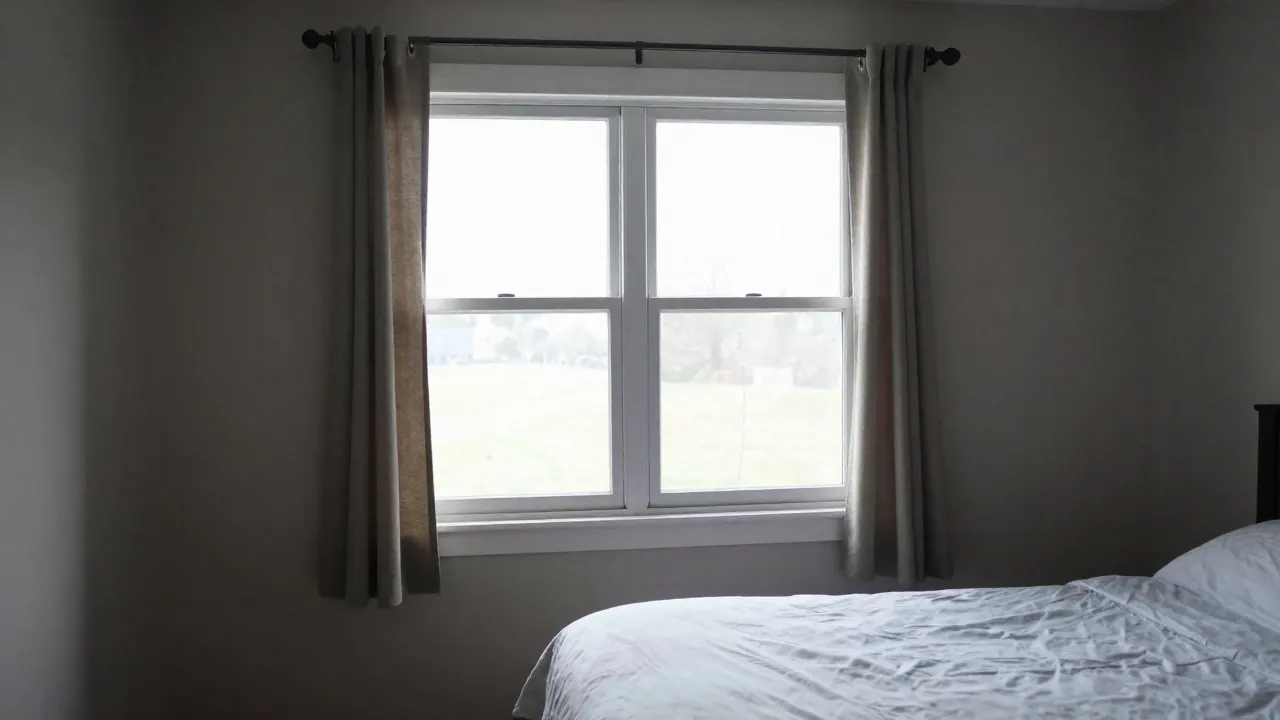
Say you just opened a box of window bars and the ground-floor window faces an alley. Before you mark a single hole, ask one question: could anyone need to climb out through this window in a fire? If you want to know how to install window bars correctly, that question comes first, because the answer decides which bars you can use and how they must work.
Here is what the 2021 International Residential Code (IRC) says. Section R310.1 calls for at least one operable emergency escape and rescue opening in basements, habitable attics and every sleeping room, with limited exceptions such as basements used only for mechanical equipment. R310.1.1 says that opening must be operable from inside “without the use of keys, tools or special knowledge.” Local code may differ, and section numbers change between editions, so confirm with your building department. The Boulder County Building Division guide to escape and rescue openings is a readable summary.
These are the 2021 IRC sizes for an escape opening. Bars must not take you below them:
- Net clear opening of at least 5.7 sq ft, or 5 sq ft at grade floor (R310.2.1).
- Net clear height of at least 24 in and net clear width of at least 20 in (R310.2.2).
- Bottom of the opening no more than 44 in above the floor (R310.2.3).
- An area well when the opening is below grade: at least 9 sq ft and 36 in, plus a permanent ladder or steps if the well is deeper than 44 in (R310.4, R310.4.1, R310.4.2).
Then comes the rule that matters most for bars. R310.4.4 says bars, grilles, covers and screens over escape openings or area wells must leave the required net clear opening and be “releasable or removable from the inside without the use of a key or tool or force greater than that required for the normal operation of the escape and rescue opening.” Bars that need a key or tool to open do not fit that wording. Our window bars fire code guide covers the wider picture.
NFPA gives the same warning in plain language. Its Security Bar Safety sheet says some security bars “can trap you in a fire” and “can also keep firefighters from getting in to rescue you.” It advises at least two ways out of every room, and every exit, including a barred window, must open easily from inside.
Which Window Bars Can You Install on Which Windows?
Choose the product after you know the window's job. The table sorts common situations by what SWB's product pages say. It is a starting point, not a code ruling: your building official decides what applies to your installed window.
| Situation | What SWB lists | Check before you drill |
|---|---|---|
| Living room, office or garage window that is not an escape opening | Model A, frame- or wall-mount | Confirm it is not an escape opening. Model A has no integrated quick-release. |
| Masonry, stucco or irregular frame, not an escape opening | Model B, wall-mount | SWB lists it as not rated for fire code or egress. |
| Bedroom window | Model A/EXIT, quote only | Must release from inside without a key or tool. The building official decides compliance. |
| Basement window that is the required escape opening, or an area well | Model A/EXIT, quote only | Same release rule (R310.4.4). Keep the required opening clear. |
| Rental unit | Depends on the window | Check your lease and get written permission first. |
Model A costs $85 per core module. It telescopes from 35 in to 65 in high, adds width in 16 in modules and has 5.25 in bar spacing. It is galvanized steel with electrostatic paint and mounts to the frame or the wall. Because it has no integrated quick-release, keep it to windows that are not escape openings unless your building official says otherwise.
Model B is also $85 per core module and runs 35 in to 61 in high. It mounts to the wall, which suits masonry, stucco and irregular frames. SWB itself lists it as not rated for fire code or egress, so use it only where the window is not an escape opening.
Model A/EXIT is quote only and sold online. It has a 35 in base that telescopes up to 65 in high and a 43 in base width that expands with modules. SWB describes it as its egress-compliant model and the only one with a built-in quick-release: a hand-operated lift-bolt release from inside, rigid from outside. Whether the installed window complies is the building official's decision, not the product's.
How Do You Measure a Window for Bar Installation?
Measure before you order, and measure the opening you will actually mount to. Check width and height at more than one point, because frames are rarely perfectly square, and use the smallest reading. Then compare your height with the telescoping range: 35 in to 65 in for Model A, 35 in to 61 in for Model B, and 35 in to 65 in for Model A/EXIT. If your window falls outside the range, that model does not fit it.
Width works in modules. Model A adds 16 in per module, and Model A/EXIT starts at a 43 in base width and expands with modules. Each core module of Model A or B is $85, so your cost rises with the number of modules your width needs. Check the product page for how modules cover your width before you order.
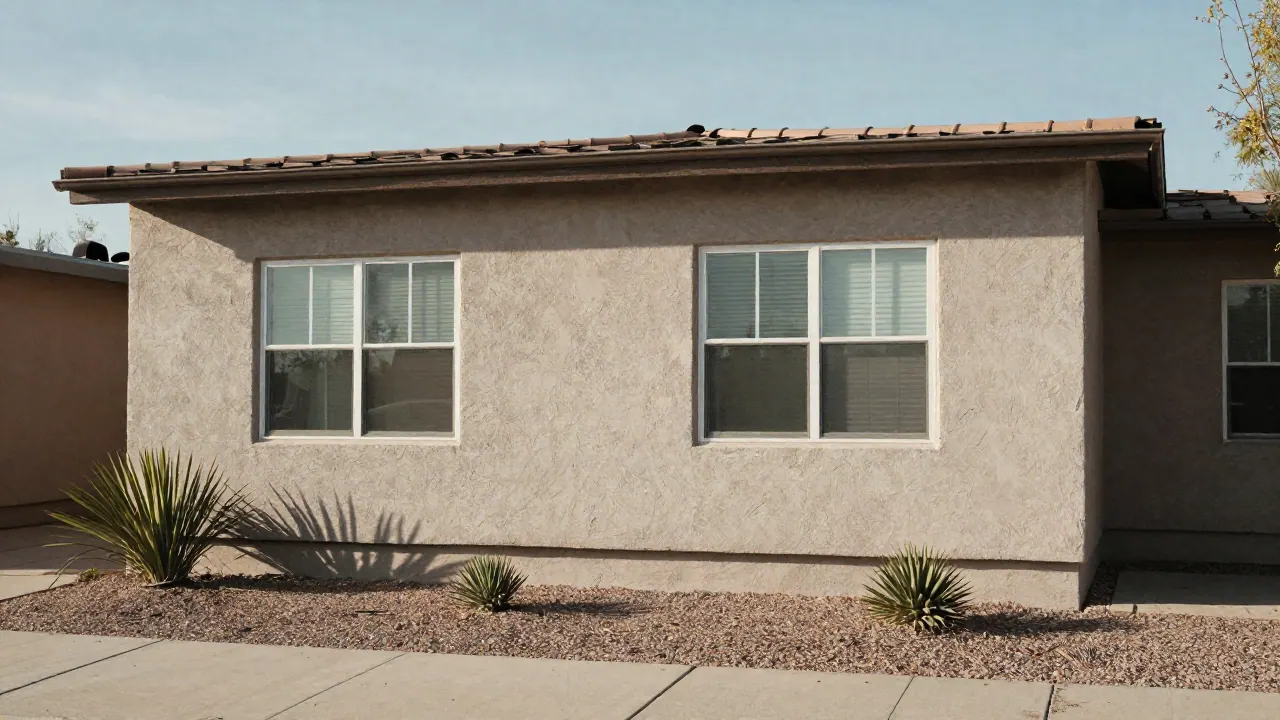
Next, look at what surrounds the window. Is it wood framing, brick, block, stucco, or a loose or irregular frame? Anchors need solid material to bite into, and trim, siding or caulk may need working around. Model A can mount to the frame or the wall. Model B is a wall-mount. Also leave room for the sash, any crank handle and the screen to work normally.
Run through this checklist before you buy:
- Smallest width and height of the opening, written down.
- Mounting surface: wood, brick, block, stucco or a loose frame.
- Whether the window is a bedroom, basement or other escape opening.
- Lease or homeowners association rules, if any apply.
- Wires, pipes or vents behind the wall that a drill could hit.
Take a few photos of the window from inside and outside before you start. They help if you later need to ask a contractor or your building department a question.
How to Install Window Bars Step by Step?
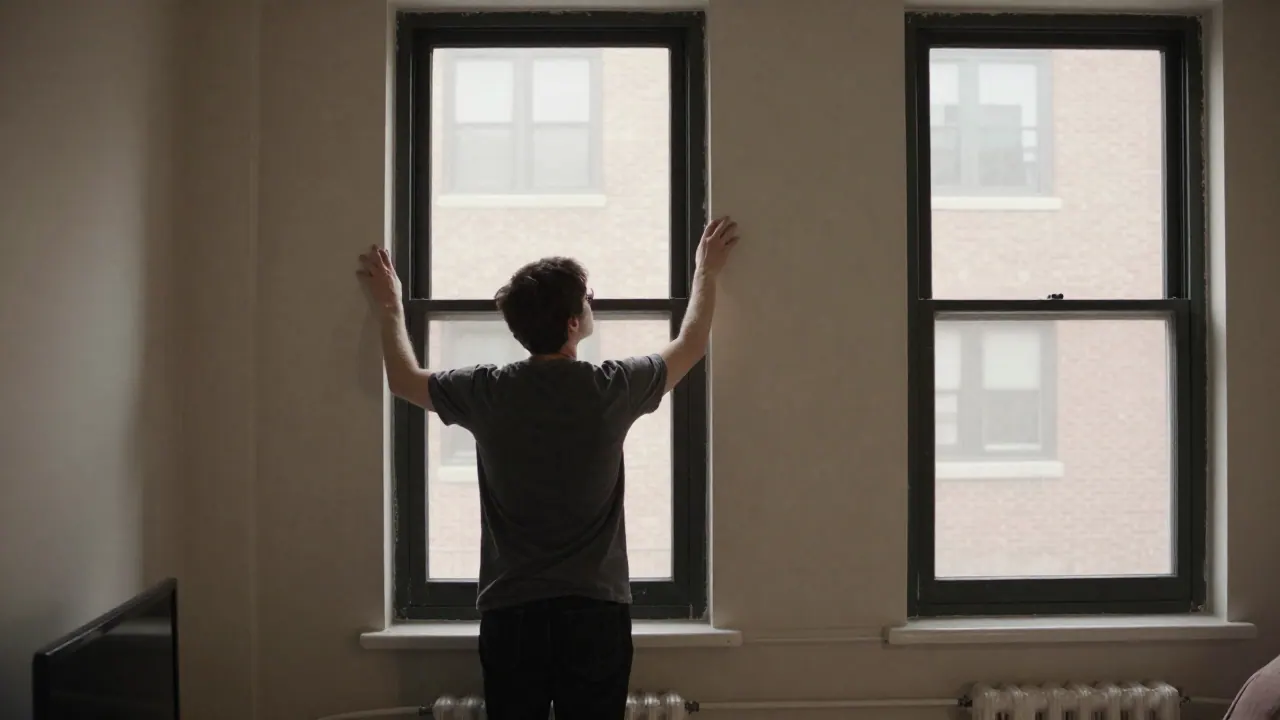
These steps follow the general order of a drilled, anchored installation. Your product manual wins over this list, including drill bit sizes and anchor placement. For Model A, SWB lists 15 to 30 minutes, and its manual drills pilot holes and uses the included anchors, so it is not a no-drilling job. Masonry or stucco may take longer. For more background, see our window bars installation guide.
- Settle the escape question. Decide whether the window is an escape opening and pick the product that matches. If you are unsure, stop and call your building department.
- Gather your gear. You need a drill, the bit size your manual names, a level, a pencil, safety glasses and a dust mask for masonry. Check that the box holds the bars, anchors and hardware the manual lists.
- Dry-fit the bars. Hold them in the opening or against the wall, set the telescoping height and check that they sit level and square. Confirm the window still opens as it should.
- Mark the holes. Mark each mounting point with a pencil. Think about wires and pipes behind the wall before you drill.
- Drill pilot holes. Use the manual's bit size and drill into solid framing or masonry. Stop if you hit something unexpected.
- Set the anchors and mount. Fasten the bars to the anchors and tighten evenly. Stop when the bars sit firm, because overtightening can crack brittle material such as brick face or stucco.
- Check the fit. Push on the bars from inside and outside. They should not wobble, and there should be no gaps at the mounting points.
- Test from inside. Open and close the window. If you installed Model A/EXIT, work the lift-bolt release from inside and confirm it operates by hand with no key or tool and leaves the opening clear. Have every adult in the home try it.
Then finish with the step most people skip. NFPA advises a home fire drill twice a year and at least two ways out of every room. A drill shows whether the release really works at night, in the dark, when someone is half asleep.
What Mistakes Should You Avoid When Installing Bars on Windows?
Most problems come from rushing the first step or the last one. Watch for these:
- Mounting into trim, siding or hollow material instead of solid framing or masonry.
- Skipping pilot holes or swapping in anchors the manual does not call for.
- Putting bars that need a key or tool to open over a bedroom or basement escape window.
- Adding a padlock, keyed lock or tool-only fastener to a bar over a bedroom or basement escape window.
- Letting furniture, a cabinet or an air conditioner block an escape opening.
- Treating bars as fall protection for small children.
- Leaving smoke alarms untested after the work.
On children: SWB bars are security bars. They are not child fall-prevention devices, and the 5.25 in bar spacing does not contain small children or pets. The NFPA sheet notes that a window guard or gate, or a window stop or wedge, can keep a child from falling out of an open window. Use one of those if falls are your concern, and do not rely on security bars for it.
Basements deserve extra care because the window may be the only way out of the room. If that is your case, our window bars for basements guide goes deeper on release, area wells and clear opening.
After any installation, walk the house and test every barred window. If you cannot open the bars from inside in seconds, without a key or tool, do not leave them on a window you may need as a way out. Take them down or switch to a product designed with a release.
When Should You Hire a Pro for Window Security Bars Installation Near Me?
Many homeowners can mount bars themselves, but some jobs call for help. Consider a pro for second-story windows that need ladder work, hard masonry, damaged or rotted frames, a large number of windows, or any doubt about egress. It depends on the wall, the window and your comfort with a drill.
If you search for “window security bars installation near me,” look for licensed local contractors who ask what each window is used for before they quote. Tell them which rooms the windows serve. Ask how the bars will release from inside without a key or tool, and ask whether your city or county requires a permit. Be wary of anyone who brushes off the release question.
Renters have another step. Drilling into a frame or wall changes the property, so check your lease and get the landlord's permission in writing. Our window bars for apartments guide covers the renter side in more detail.
Whoever installs the bars, check your smoke alarms the same day. The NFPA Smoke Alarms at Home sheet calls for alarms in every bedroom, outside each sleeping area and on every level, including the basement. It says to test them monthly and replace them at 10 years.
Frequently Asked Questions
How long does it take to install window bars?
SWB lists 15 to 30 minutes for Model A. Masonry, stucco or irregular frames can take longer, so follow your product manual and allow extra time.
Do you have to drill to install window bars?
Yes. Model A's manual drills pilot holes and uses the included anchors, so it is not a no-drilling product. If you rent, get written permission from your landlord first.
Can you install window bars over a bedroom window?
Only if the bars release from inside without a key or tool and your local code allows it (2021 IRC R310.4.4). SWB describes Model A/EXIT as its egress-compliant model, but the building official decides compliance of the installed window. Model A has no integrated quick-release and SWB lists Model B as not rated for egress.
Do window bars keep a child from falling out of a window?
No. SWB bars are security bars, and the 5.25 in spacing does not contain small children or pets. NFPA says a window guard or gate, or a window stop or wedge, can keep a child from falling out of an open window.
Do you need a permit to install window bars?
It depends on your city or county. Call your local building department before you start, especially for bedroom or basement windows.
Sources (facts checked 2026-11-07)
- Boulder County Building Division, B10 Emergency Escape and Rescue Openings (based on the 2021 IRC)
- International Code Council, International Residential Code, 2021
- NFPA, Security Bar Safety, 2019
- NFPA, Smoke Alarms at Home, 2018
Code numbers refer to the 2021 International Residential Code; your city or state may have adopted a different edition. Confirm with your local building department or fire marshal.
The safe way to install window bars is straightforward: decide whether the window is an escape opening, pick the product that matches, measure carefully, drill pilot holes into solid material and test everything from inside. If you are ready to compare options, browse the SWB shop. Model A and Model B are $85 per core module, and Model A/EXIT is quote only. Take your time, and ask your building official if anything is unclear.