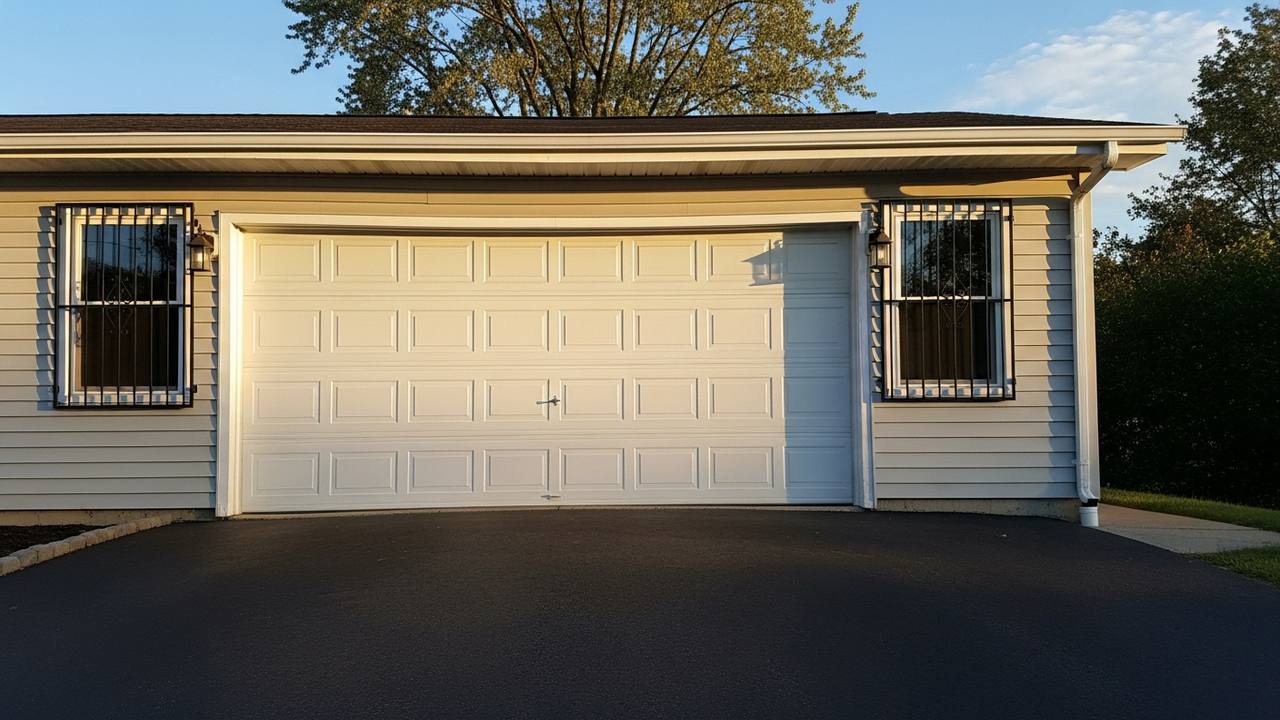
Garage Window Security Bars: Protecting Workshops & Sheds
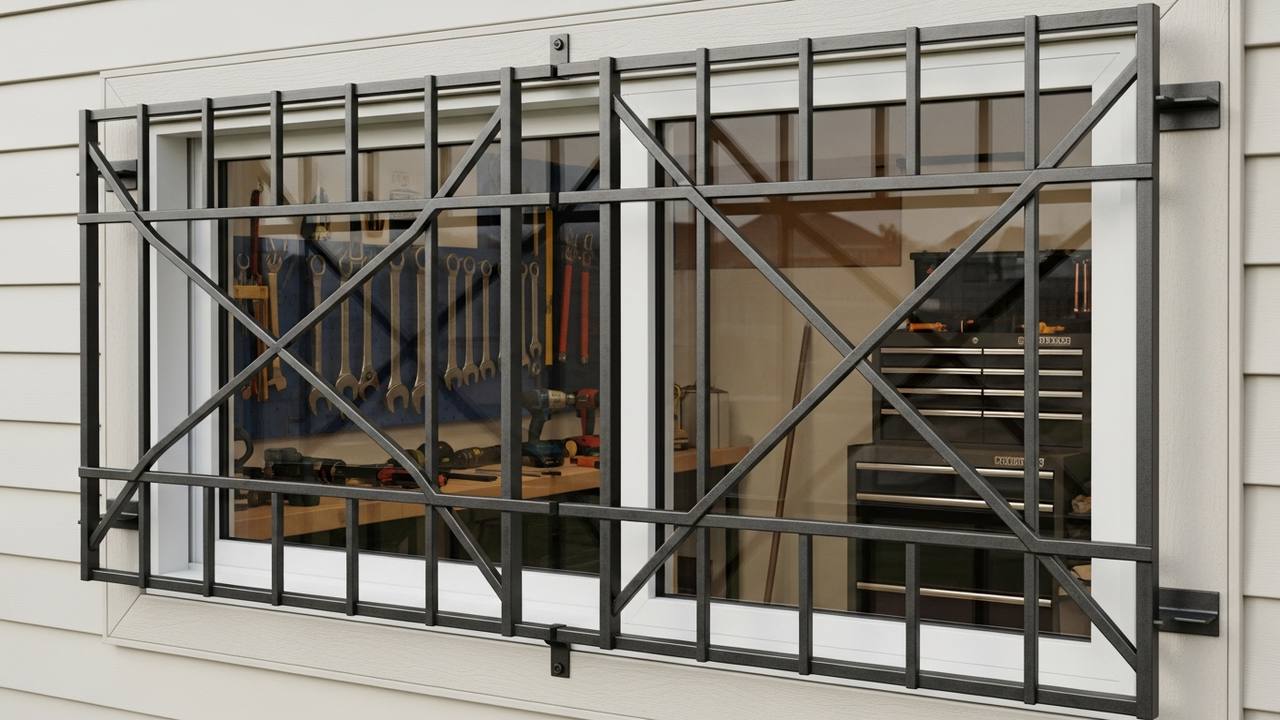
Your garage, workshop, or backyard shed holds thousands of dollars in tools, equipment, and valuables — yet most homeowners protect these spaces with nothing more than a padlock and hope. According to the FBI's Uniform Crime Reporting data, burglars target detached garages and outbuildings at a disproportionately high rate because they know the entry points are weaker and the response time is longer. Windows in these structures are especially vulnerable: they're often out of sight, poorly lit, and sized perfectly for a person to squeeze through.
Security window bars designed specifically for garages, workshops, and sheds offer a straightforward solution. Unlike alarm systems that alert you after the break-in has already started, physical bars prevent entry entirely. And unlike permanent welded bars, today's adjustable telescopic steel bars — like those offered by SWB — can be installed in under 15 minutes without drilling a single hole in your stucco, siding, or wood frame.
This guide covers everything you need to know about selecting, sizing, and installing window security bars in outbuildings, from small garden shed windows to wide workshop bays.
Why Garage and Shed Windows Are Prime Targets
Burglars are opportunistic. They look for the path of least resistance, and garage windows check every box on that list. They're typically located on the side or rear of a property, away from street view and neighbor sightlines. Many are left unlocked — or worse, left open — because homeowners assume the detached structure is "just a garage." A standard double-hung window can be forced open in seconds with a pry bar, and a single broken pane creates an entry point large enough for most adults.
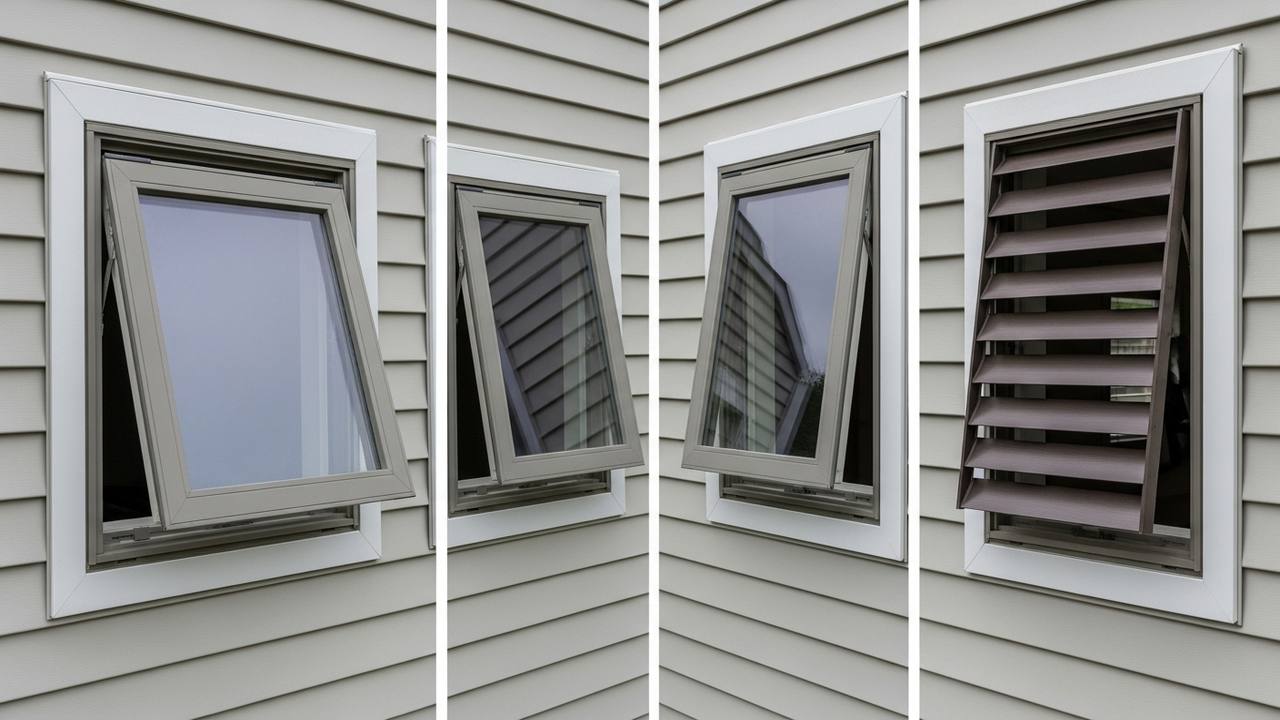
Power tools are among the most stolen items in residential burglaries. A Milwaukee drill kit retails for $300–$600. A full set of hand tools, a table saw, a compressor, or a riding lawnmower can push total garage contents well past $10,000–$20,000 in replacement value. Homeowner's insurance deductibles and coverage gaps mean you often absorb more of that loss than you expect.
Sheds present an additional problem: they're frequently built with thinner walls and cheaper windows than the main house. The frames may be aluminum extrusion with minimal structural integrity. Standard window locks — the latches that come installed from the factory — can be defeated with a credit card or a simple shim. Adding a physical security bar transforms a soft target into a hard one and pushes the burglar to move on.
Motion-sensor lighting helps with visibility. Alarm systems alert you to a breach. But neither of those stops a determined person from climbing through a window. Only a physical barrier does that, and window bars are the most cost-effective physical barrier available for outbuilding windows.
Choosing the Right Bar for Workshop and Shed Windows
Not all window bars are created equal, and the specifications that matter for a house window may differ from what you need in a workshop setting. Here's what to evaluate:
Steel gauge and tensile strength. Look for solid steel or heavy-gauge tubular steel. SWB bars use telescopic steel construction rated to resist substantial lateral force. In a garage setting, you want bars that can withstand a pry-bar attack — thin aluminum bars sold at big-box stores are decorative, not functional.
Adjustable vs. fixed width. Garage and shed windows come in non-standard sizes far more often than house windows. A fixed 24-inch bar won't fit a 19-inch window opening, and a bar that's too short provides no security. Telescopic adjustable bars that span a range — say, 16 to 28 inches — accommodate the variety you'll encounter in outbuildings without custom fabrication.
Installation method. Workshops and sheds may have wood frames, aluminum frames, or bare block/CMU walls. A no-drill tension-mount system that wedges into the window frame works on most installations without specialized anchoring. For windows where the frame isn't structurally sound enough to bear load, surface-mount brackets into the surrounding wall studs are a better choice.
Weather resistance. Garage and shed windows see more moisture, temperature cycling, and UV exposure than interior-facing house windows. Powder-coated steel resists rust far better than bare or lightly painted steel. Check that any spring tension mechanism is stainless or galvanized to prevent corrosion and binding over time.
Fire egress compliance. Even in a workshop, if you spend significant time there, you need a way out in an emergency. SWB bars include a quick-release mechanism that allows egress from inside while still being tamper-resistant from outside. This is a non-negotiable feature if the space is occupied during working hours.
Installation in Different Outbuilding Types
The installation approach varies depending on your structure's construction. Here's a breakdown by building type:
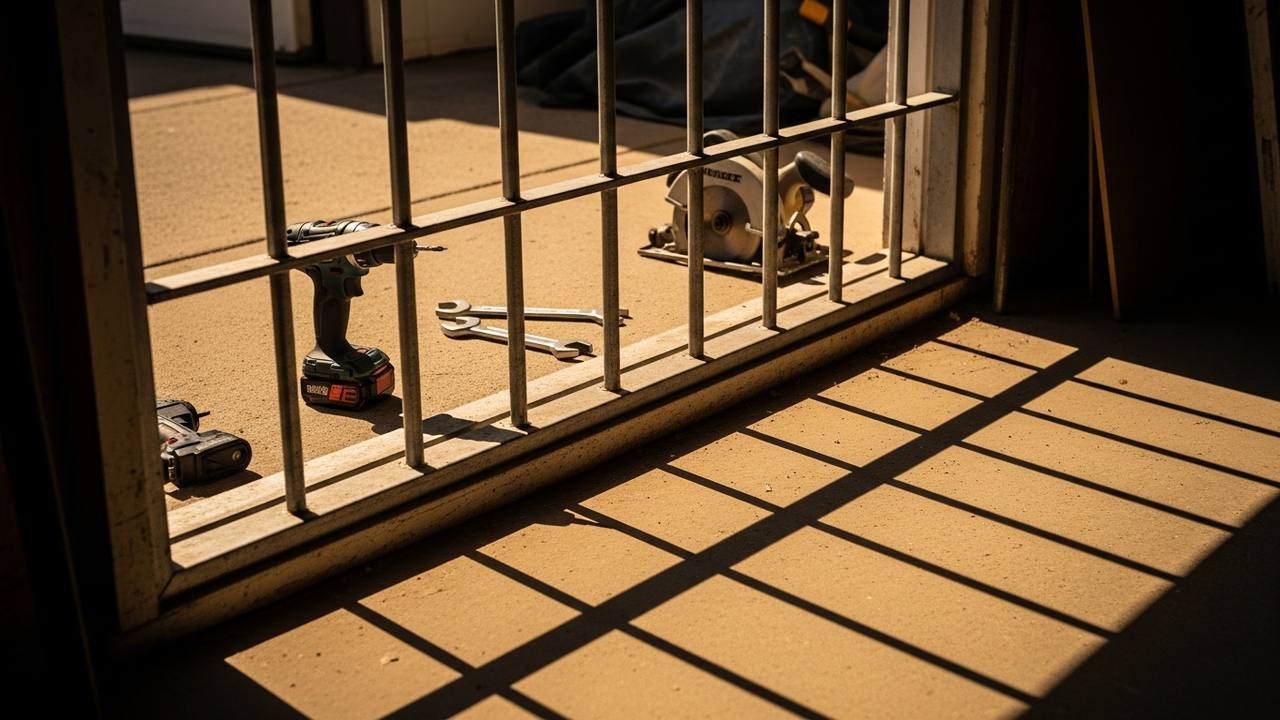
Wood-frame sheds. These are the easiest installations. The window frame is typically 3/4-inch to 1-1/2-inch solid wood, providing excellent bearing surface for tension-mount bars. Measure the inside width of the window opening at the narrowest point (accounting for any trim), select bars in the appropriate size range, and expand the telescopic bar until it's snug against both sides. No drilling, no tools beyond a measuring tape. Total install time: 5–10 minutes.
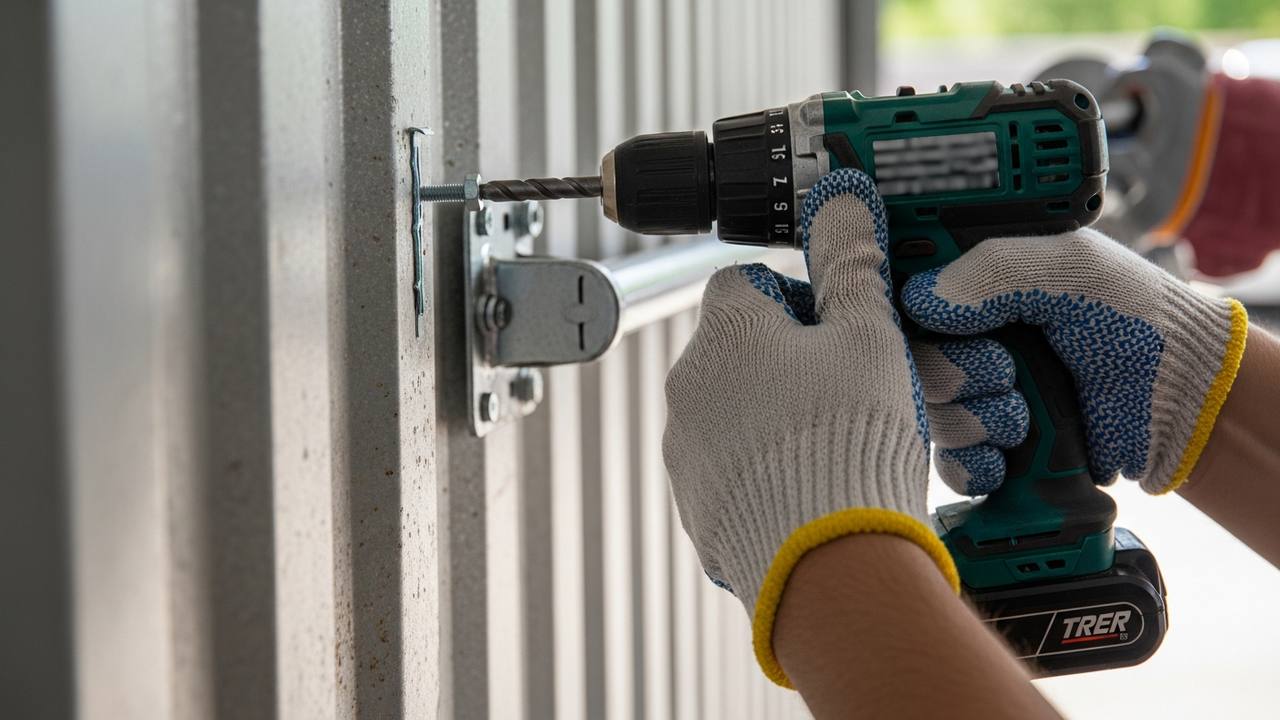
Metal-stud or metal-frame utility buildings. The window frames in prefab metal buildings are often thin-gauge steel channels. Tension-mount bars can work here if the frame is intact and rigid. Test by pushing firmly on the frame before trusting it to hold. If the frame flexes significantly, drill-mount brackets into the surrounding steel framing (use self-tapping screws rated for the metal gauge) for a more secure installation.
Concrete block / CMU garages. Block garages often have window bucks — wood frames inserted into the block opening. Treat these like wood-frame installations if the buck is solid. If the window sits directly in a metal frame set in the block, you'll need masonry anchors for drill-mount brackets. A hammer drill with a carbide bit makes quick work of CMU; use 3/8-inch sleeve anchors for maximum holding power.
Attached garages. An attached garage sharing a wall with the living space may be subject to your local fire code regarding egress requirements. Confirm quick-release compliance before selecting your bar model. SWB's fire-code-compliant bars satisfy most municipal requirements for attached garages.
Sizing Guide for Common Garage Window Dimensions
Standard house windows follow predictable sizing conventions, but garage and shed windows are all over the map. Here are the most common outbuilding window widths and the bar ranges that cover them:
Small shed windows (12–18 inches wide): These are often found on prefab plastic or resin sheds. They may not be worth barring individually if the shed wall itself can be kicked in — address the overall shed security holistically. If the shed is solid wood or metal, narrow bars in the 12–24-inch adjustable range work.
Standard casement or double-hung workshop windows (24–36 inches wide): The most common range for attached and detached garages. A bar spanning 20–36 inches covers this range. For windows near the wider end, use two bars — one in the upper half and one in the lower half of the opening — for maximum coverage.
Wide garage bay windows (36–48+ inches): Some workshop bays feature wide windows for natural light. A single telescopic bar may not span the full width at adequate structural rigidity. Use two bars side by side or select a heavy-duty model rated for wide spans. Alternatively, install a center vertical bar and two horizontal bars to create a grid.
Measure three times: the inside width at the top of the opening, the middle, and the bottom. Window frames often aren't perfectly square — use the smallest measurement to ensure the bar seats firmly without gaps.
Combining Window Bars with Other Garage Security Measures
Window bars are the most effective single addition to your outbuilding security, but they work best as part of a layered approach. Consider these complementary measures:
Door security. A secured window won't help if the side door to your garage can be kicked in. Reinforce door frames with steel strike plates and 3-inch screws that reach the wall studs. Add a deadbolt if the door currently has only a knob lock. For roll-up garage doors, a side-mount lock that pins the door to the track prevents forced lifting.
Lighting. Motion-activated LED floodlights on the corners of your garage and shed eliminate the darkness that conceals window attacks. Modern solar-powered options require no wiring and maintain a full charge in most US climates.
Visible deterrents. Security camera housings — even dummy units — cause hesitation. A visible window bar sends the same message: this property is defended. Burglars have reported in studies that visible security measures cause them to move to the next target.
Insurance documentation. Photograph the contents of your garage and shed annually. Store photos in cloud backup. Some insurers offer a small discount for documented physical security measures including window bars.
FAQ
Do I need a permit to install window bars on my garage?
In most US municipalities, no permit is required for removable or tension-mount window bars. Permanently welded bars may require a building permit in some jurisdictions. SWB tension-mount bars are removable and generally fall outside permit requirements, but check your local building department if you're in a strict municipality or HOA community.
Will window bars fit on a shed with thin aluminum window frames?
Thin aluminum frames may not support the load from tension-mount bars without bending. Test the frame's rigidity before trusting it. If the frame is flimsy, use surface-mount brackets anchored into the surrounding wall framing rather than relying on the window frame itself.
Can I use the same bars on my house windows and my garage?
Yes, if the window dimensions fall within the same size range. SWB adjustable bars are designed to work across residential window types. Just measure each opening individually — garage windows are often a different size than house windows.
Conclusion
Garages, workshops, and sheds are soft targets that burglars exploit every day. The investment in a set of steel window security bars is a fraction of the value of the tools and equipment inside, and the installation takes less time than a trip to the hardware store. SWB telescopic steel bars install in 15 minutes, require no drilling, and meet fire egress codes — making them the practical choice for every outbuilding on your property. Browse the SWB product range today and close the window of opportunity that burglars are counting on.