Fire Escape Window Bars: How to Keep Security and Egress
Fire escape window bars must open from inside without keys or tools. Learn the 2021 IRC rules, release types and what to check before you buy.
What are fire escape window bars and why do they matter?
Some security bars can trap you in a fire, and they can also keep firefighters from getting in to rescue you. That is the warning on the NFPA Security Bar Safety sheet, and it is why fire escape window bars need a different mindset than ordinary burglar bars.
The phrase means two things in the US. In an older apartment building, it often means the exterior metal landing and stairs outside a window. For a homeowner, it usually means any window you would use to get out when smoke blocks the door. Either way the test is the same: can an adult inside open the bars fast, in the dark, without a key or a tool?
That test is harder to pass than it sounds. Bars that stop a burglar outside must still give way for you inside. The two goals pull against each other, so the release matters as much as the steel. NFPA's advice is plain: find at least two ways out of every room, and make sure every exit, including a barred window, opens easily from inside.
This guide covers what the 2021 IRC says, which windows need to stay usable, how SWB's three models differ, and what to check before you buy. It is not legal advice. Your local building official has the final word. If you rent, get your landlord's approval before you change any window, and never modify a window that opens onto a shared fire escape on your own.
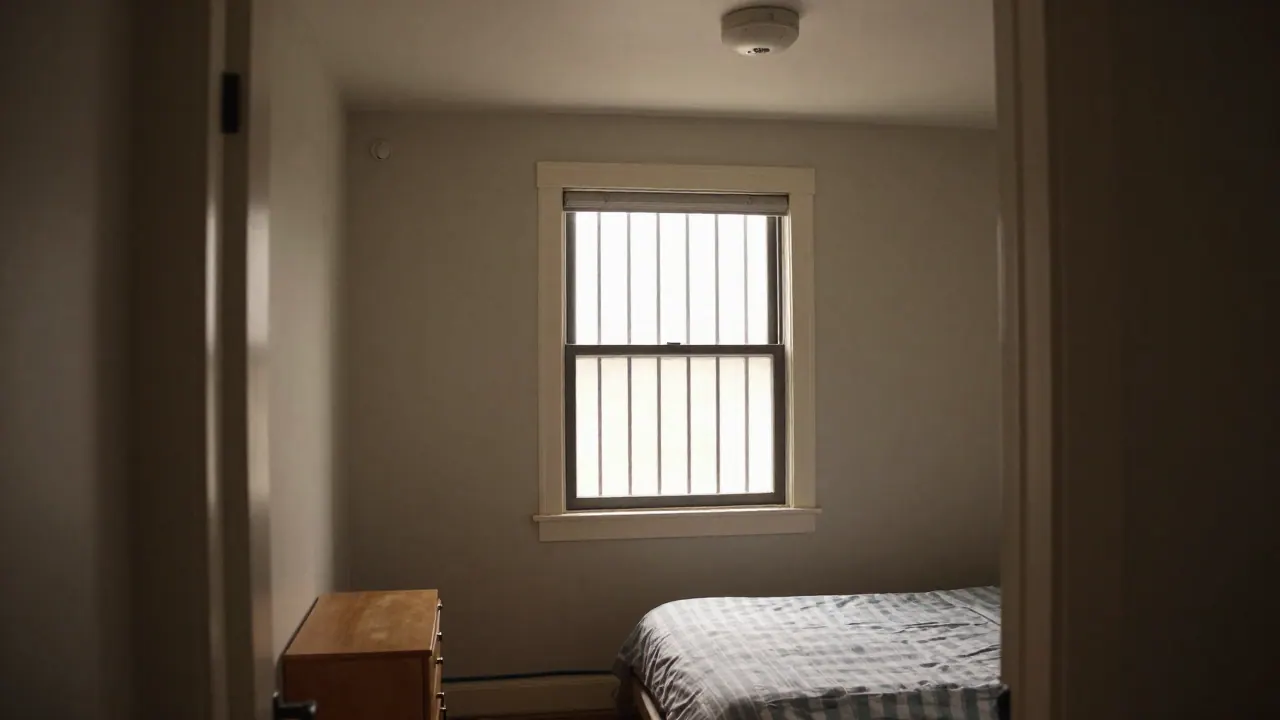
What do the 2021 IRC rules say about egress window security?
The International Residential Code (IRC) is a model code that many US jurisdictions adopt, often with local changes. The rules below come from the 2021 edition. Your city or state may use another edition, so treat this as a map, not a permit. Boulder County's publication on emergency escape and rescue openings explains the rules in plain language, and the International Code Council publishes the full code text.
Under R310.1, basements, habitable attics and every sleeping room need at least one operable emergency escape and rescue opening. There are limited exceptions, such as a basement used only for mechanical equipment. R310.1.1 adds that the opening must be operable from the inside “without the use of keys, tools or special knowledge.” That one phrase is the core of egress window security.
The size rules work as separate minimums, so a window can meet one and fail another:
- Net clear opening of at least 5.7 sq ft, or 5 sq ft at grade floor (R310.2.1).
- Net clear height of at least 24 in and net clear width of at least 20 in (R310.2.2).
- Bottom of the opening no more than 44 in above the floor (R310.2.3).
- An area well when the opening is below grade (R310.4), at least 9 sq ft and 36 in (R310.4.1).
- A permanent ladder or steps when the well is deeper than 44 in (R310.4.2).
R310.4.4 is the rule that matters most for egress window bars. Bars, grilles, covers and screens over escape openings or area wells must leave the required net clear opening. They must also be “releasable or removable from the inside without the use of a key or tool or force greater than that required for the normal operation of the escape and rescue opening.”
In plain terms, a bar that needs a key, a wrench or a hard pull does not belong over a bedroom or basement escape window. Section numbers change between editions, so name the edition when you talk with your inspector. For more on how fire code touches bars, see our window bars fire code guide.
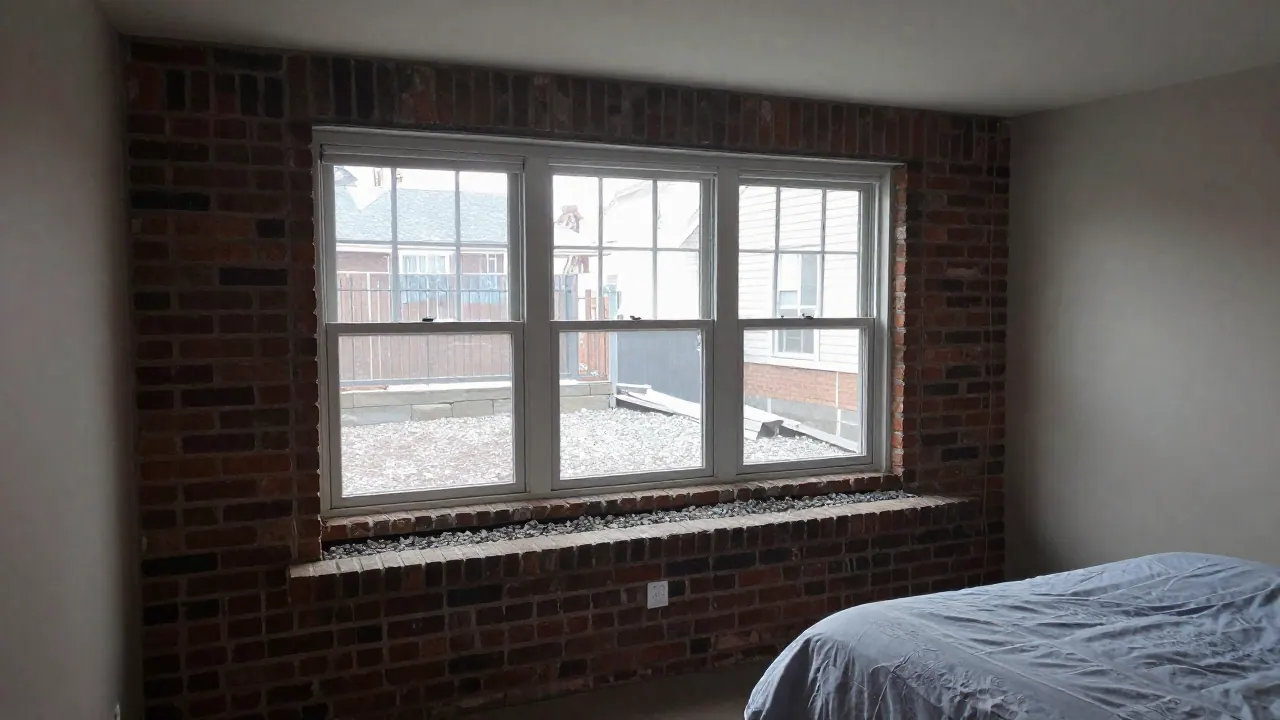
Which windows can take fire escape window bars, and which cannot?
Not every window carries the same risk, so sort your windows by what they are for. A bedroom window is almost always an escape route. A basement window may be required by code. A small window in a laundry room may be neither. Even a window that code does not require can be someone's way out, so keep NFPA's two-ways-out rule in mind.
| Window | Treat as an escape route? | What to do about bars |
|---|---|---|
| Bedroom window | Yes. The 2021 IRC requires an escape opening in every sleeping room (R310.1). | Only bars that release from inside without keys, tools or special knowledge. Confirm with your building official. |
| Basement window or window well | Yes, when the basement needs an escape opening. | Same release rule. Covers and screens over the well fall under R310.4.4 too. Keep the well and any steps usable. |
| Window opening onto an exterior fire escape landing | Yes, treat it as a shared exit path. | Do not add bars on your own. Ask your landlord or property manager and the local building or fire department. |
| Above-grade window in a non-sleeping room, such as a home office | Usually not a required opening, but it can still be a second way out. | Local rules vary. Consider a quick-release design anyway and ask before installing. |
| Basement used only for mechanical equipment | The IRC lists a limited exception. | Ask the building official before you assume the exception applies to your space. |
Notice the pattern. The bars are the easy part. Whether a window must stay usable depends on what the room is, where the window sits and who else relies on it. If you searched for “window bars fire escape” because your window opens onto a landing, the answer is to ask the building owner and local officials first. When in doubt, treat the window as an exit.
Good fire safe window bars share a few traits:
- They release by hand from inside, with no key and no tool.
- The release is simple enough that any adult in the home can use it in the dark after one walk-through.
- They stay rigid from outside, so they still do the security job.
- They leave the required net clear opening once released.
Never add a padlock, a key lock or a tool-only fastener to bars over a bedroom or basement escape window, even if it feels more secure. That puts a key between you and the exit. Basement owners can read our guide to basement window bars, and renters should start with window bars for apartments.
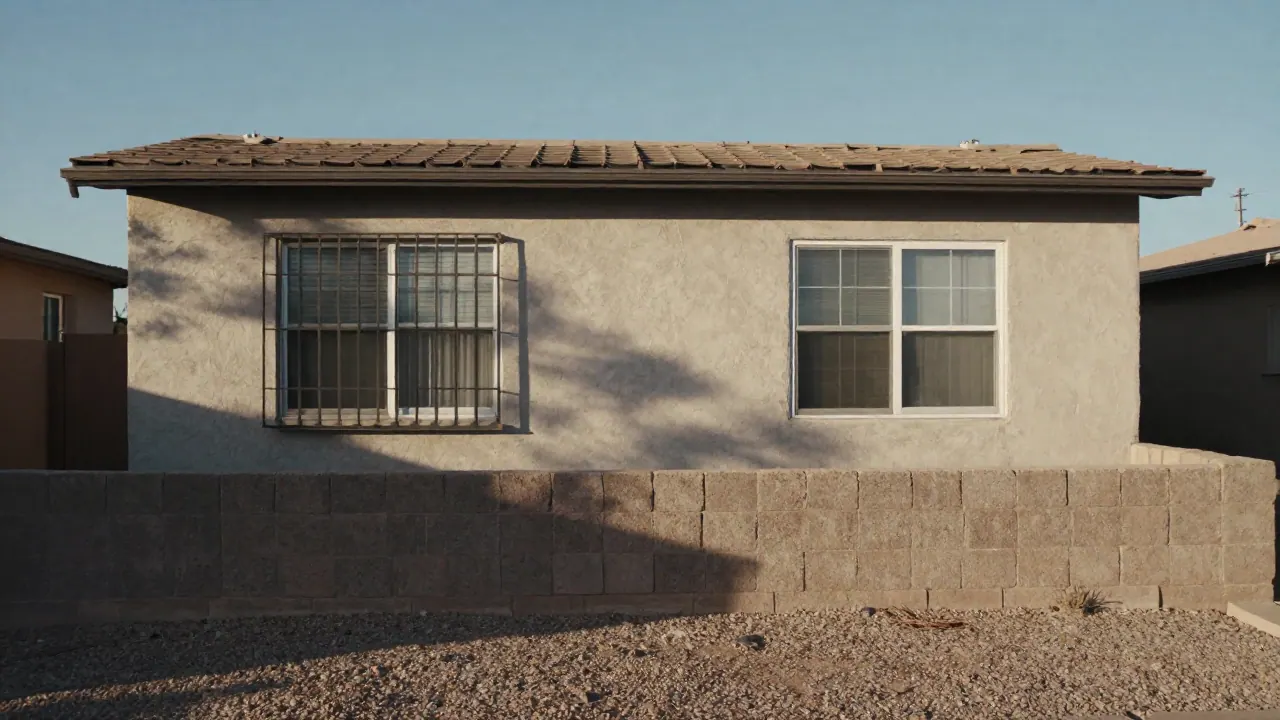
Which SWB bars fit which window?
SWB sells three telescopic models, and they are not interchangeable when a window may be used to escape. The facts below come from the live product pages, checked on October 31, 2026. Egress window security bars are a narrow category, and only one of these models is built for it.
| Model | Price | Size | Release from inside | Where it fits |
|---|---|---|---|---|
| Model A | $85 per core module | 35 to 65 in tall. Width is modular, 16 in per module. Bar spacing 5.25 in. | No integrated quick-release | Windows nobody needs as an exit |
| Model B | $85 per core module | 35 to 61 in tall. Wall-mount for masonry, stucco and irregular frames. | SWB lists it as not rated for fire code or egress | Only windows that are not escape openings |
| Model A/EXIT | Quote only (online exclusive) | Telescopes from 35 in to 65 in high. 43 in base width, expandable with modules. | Hand-operated lift-bolt quick-release; rigid from outside | Windows where egress matters, subject to the building official |
Model A is galvanized steel with electrostatic paint and mounts to the frame or the wall. SWB lists the install at 15 to 30 minutes. The manual has you drill pilot holes and use the included anchors, so it is not a no-drilling product. It carries a 1-year limited warranty. Because it has no integrated quick-release, treat it as a bar for windows that nobody needs as an exit.
Model B is the wall-mount option for masonry, stucco and irregular frames. SWB itself lists it as not rated for fire code or egress, so it goes only on windows that are not escape openings.
SWB describes Model A/EXIT as its egress-compliant model and the only one with a built-in quick-release. You operate a lift bolt by hand from inside, and the bars stay rigid from outside. This is the kind of window security bars with quick release egress that NFPA tells you to look for. A quick release is not the whole answer, though. The building official decides whether your installed window complies, including the clear opening it leaves.
Can fire escape window bars stop a child from falling?
No. Security bars and fall protection solve different problems. SWB bars are security bars. They are not child fall-prevention devices, and the 5.25 in bar spacing does not contain small children or pets. Do not rely on any security bar to keep a child inside an open window.
NFPA notes that a window guard or gate, or a window stop or wedge, can keep a child from falling out of an open window. Those are separate products with a separate purpose. They bring the same escape question, though. A stop limits how far the window opens, so ask how an adult can open the window fully in an emergency before you rely on one.
If small children live in your home, learn what each product is built for before you buy. Our overview of types of window bars explains how the main styles differ. Then talk with your building official or a child-safety professional before you trust any device near an open window.
What should you check before you install fire safe window bars?
Run through this checklist before you buy or drill anything:
- Ask your building department which code edition applies and whether the window is a required escape opening.
- If you rent, get written permission from your landlord first.
- Confirm the bars release from inside by hand, without keys, tools or special knowledge.
- Ask the inspector how they measure the clear opening once the bars are released.
- Keep furniture, plants and window air conditioners away from the escape path.
- Walk every adult in the household through the release, and brief any regular guests.
- Do not add a padlock, key lock or tool-only fastener to a bar over an escape window.
Bars never replace working alarms. The NFPA Smoke Alarms at Home sheet says to put alarms in every bedroom, outside each sleeping area and on every level, including the basement. Test them monthly and replace them at 10 years.
Then practice. NFPA recommends a home fire drill twice a year. Add the barred window to that drill, and open the release while everyone watches. A release you have never used is a release you may fumble at 2 a.m.
If any answer on the list is “not sure,” pause the purchase and ask your building official or local fire department. A few days of waiting costs far less than a window that will not open.
Frequently Asked Questions
Can you put bars on a bedroom window?
Often yes, if the bars release from inside without keys or tools and leave the required clear opening, as the 2021 IRC describes in R310.4.4. Local code may differ, so confirm with your building official first.
Do window bars need a quick-release?
Bars over an escape opening must be releasable or removable from inside without a key, tool or extra force under the 2021 IRC. NFPA also advises choosing bars with quick-release devices.
Is SWB Model A suitable as fire safe window bars?
Model A has no integrated quick-release, so use it only on windows nobody needs as an exit. SWB describes Model A/EXIT as its egress-compliant model, and the building official decides compliance of the installed window.
Can I add a padlock or key lock to bars on an escape window?
No. The code requires release from inside without keys or tools, and a lock puts a key between you and the exit.
Do SWB bars keep small children or pets from falling out of a window?
No. They are security bars, not fall-prevention devices, and the 5.25 in spacing does not contain small children or pets. NFPA mentions window guards, gates, stops and wedges for fall prevention.
How many smoke alarms do I need near barred windows?
NFPA says to install alarms in every bedroom, outside each sleeping area and on every level, including the basement. Test them monthly and replace them at 10 years.
Sources (facts checked 2026-11-08)
- Boulder County, Building Publication B10: Emergency Escape and Rescue Openings (2021 IRC)
- NFPA, Security Bar Safety, 2019
- NFPA, Smoke Alarms at Home, 2018
Code numbers refer to the 2021 International Residential Code; your city or state may have adopted a different edition. Confirm with your local building department or fire marshal.
Fire escape window bars come down to one rule: whoever is inside must be able to open them quickly, without a key, a tool or special knowledge. Check which code edition your area uses, sort your windows by their role as exits, and choose a release you can explain to every adult in your home. If a window may be someone's way out, look at SWB's Model A/EXIT and request a quote. For windows nobody needs as an exit, Model A and Model B are listed at $85 per core module. Take your time, ask your building official, and decide only when you are sure.