

The Ultimate Guide to Burglar Bars for Windows in 2026
Burglar bars for windows remain the single most effective physical deterrent against residential break-ins in 2026. While smart cameras and app-controlled alarms dominate marketing budgets, the cold reality has not changed: a camera watches a crime happen, but a steel bar across the window stops it from happening at all. If you are serious about protecting your home, your family, and your property, this guide covers everything you need to make the right purchase decision — from materials and mounting methods to fire code compliance and real-world pricing.
This is not a surface-level overview. We break down every category of burglar bar available on the US market today, compare them head to head, walk through the legal requirements that most buyers overlook, and deliver specific product recommendations backed by engineering specs rather than affiliate commissions. Whether you are a homeowner securing a ground-floor apartment, a landlord hardening a rental portfolio, or a property manager responsible for commercial buildings, you will leave this page knowing exactly what to buy, how to install it, and what to avoid.
What Are Burglar Bars for Windows and How Do They Work?
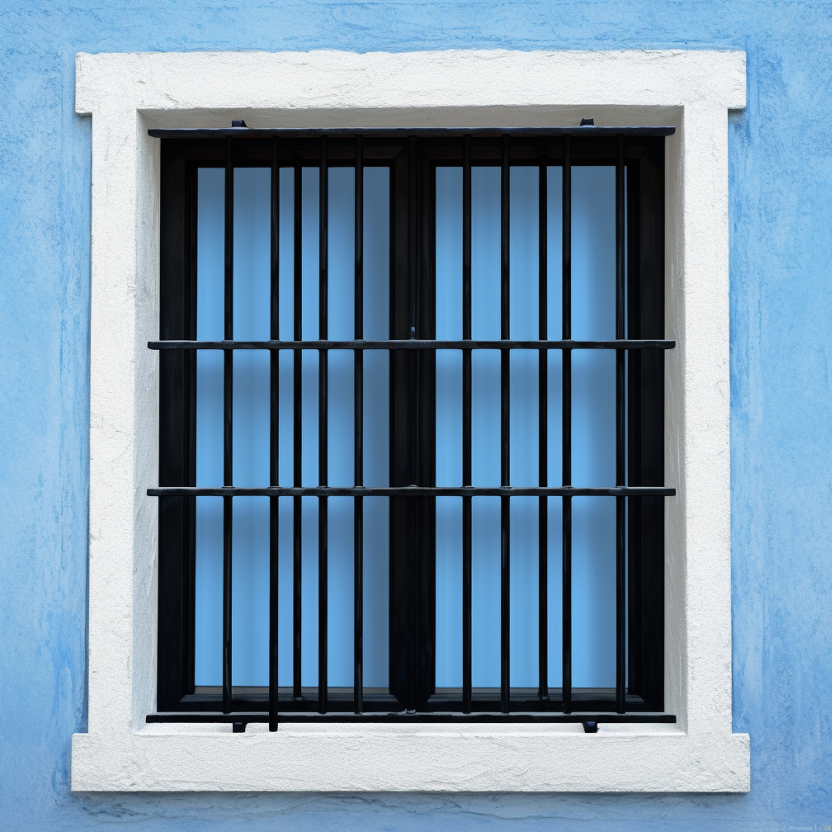
Burglar bars are steel or iron barriers mounted over or inside a window opening to prevent unauthorized entry. They work on a simple mechanical principle: the vertical bars create a physical obstruction that cannot be bypassed without power tools, significant noise, and extended time — three things that make any target unacceptable to an opportunistic burglar.
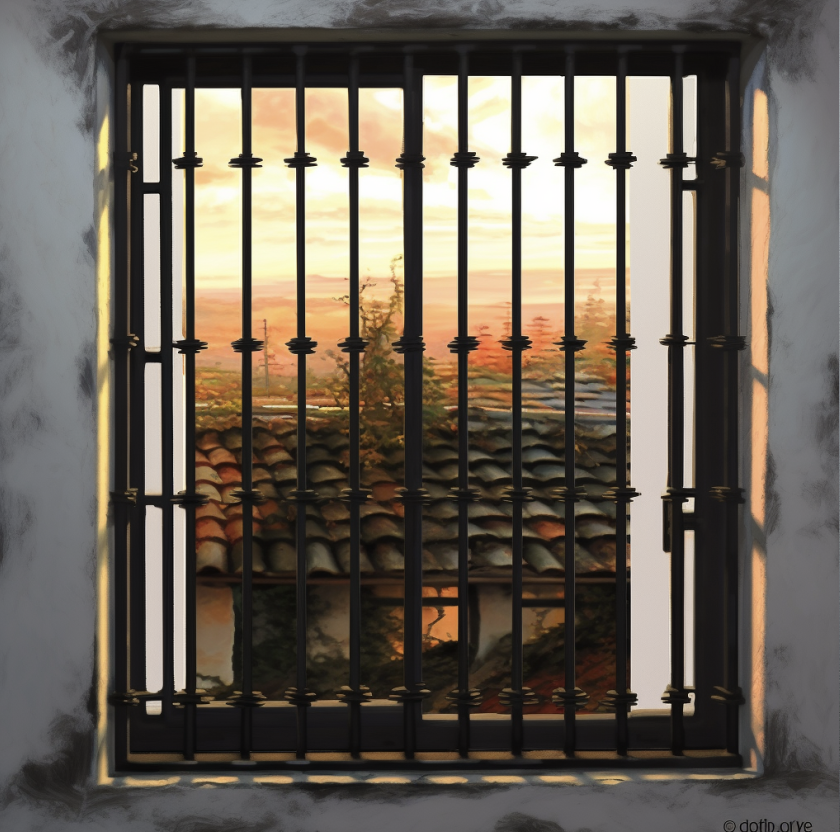
Modern burglar bars for windows have evolved substantially from the heavy wrought-iron grids of the 1970s and 1980s. Today's best models are telescopically adjustable, modular, powder-coated, and available with fire-code-compliant quick-release mechanisms that allow emergency egress from the inside without tools or keys. They install in minutes, cost less per year than a single month of alarm monitoring, and deliver genuine forced-entry resistance that no camera, sensor, or smart lock can match.
The concept is straightforward, but execution matters enormously. A $20 set of thin aluminum bars from a marketplace seller provides a visual suggestion of security. A $90 set of telescopic steel bars with anti-tamper mounting hardware provides actual protection. This guide exists to help you understand the difference and make a decision you will never regret.
How Burglar Bars Deter Intruders
Burglary is a crime of opportunity. Research consistently shows that most residential burglars spend fewer than 60 seconds attempting to gain entry before abandoning a target. They look for windows that can be pried, smashed, or slid open with minimal effort and noise. Burglar bars eliminate the opportunity entirely. Even if a burglar breaks the glass, the steel bars behind it prevent passage through the opening. The noise of attempting to pry or cut steel bars dramatically increases the risk of detection, which is exactly what an intruder is trying to avoid.
Visible burglar bars also function as a powerful psychological deterrent. A burglar casing a neighborhood will skip a home with bars and move to the next house with unprotected windows. This preemptive deterrence effect means that in most cases, the bars never need to physically stop anyone — their presence alone shifts the target selection away from your property.
Why Burglar Bars Still Matter More Than Smart Security in 2026
The home security industry has spent billions marketing smart cameras, video doorbells, app-controlled alarm panels, and AI-powered motion sensors. These tools have genuine value for detection and documentation. But they share a fundamental limitation: none of them physically prevent entry.

A Ring camera records high-definition footage of a burglar kicking in your sliding glass door. A SimpliSafe alarm sends a notification to your phone while you are at work 30 minutes away. A smart lock secures your front door while the first-floor bathroom window sits wide open with nothing but glass between the interior and the outside world. Physical barriers are the only security measure that simultaneously deters, delays, and prevents entry. Everything else is detection, notification, or documentation after the fact.
The Security Stack: Where Burglar Bars Fit
Professional security consultants describe residential protection as a four-layer system:
- Deterrence — visible barriers, signage, lighting, and cameras that discourage targeting
- Detection — alarm sensors, motion detectors, glass-break sensors, and video surveillance
- Delay — physical barriers that slow or stop entry: deadbolts, reinforced frames, and window bars
- Response — alarm monitoring dispatch, police response, and community networks
Burglar bars deliver on three of these four layers simultaneously. They deter by their visible presence, delay entry by requiring time-consuming and noisy removal attempts, and in most cases prevent entry entirely. No single electronic security product achieves this. For a deeper look at this layered approach, read our post on the complete guide to security window bars.
The Numbers Behind Window Vulnerability
- First-floor and basement windows are among the top entry points used in US residential burglaries
- Under 60 seconds — the typical time a burglar will spend attempting to breach a single entry point before moving on
- Average loss per burglary: approximately $2,800 in property damage and stolen items (FBI UCR data)
- Average police response time: 7-15+ minutes in most US metro areas — far longer than the 30-90 seconds a burglary takes
- Alarm system monthly cost: $25-$60/month ($300-$720/year) with no physical prevention capability
- Burglar bar cost: $90 one-time per window, zero recurring fees, 20-30 year lifespan
The math is not close. A single prevented break-in pays for burglar bars across an entire home several times over. And unlike monthly monitoring fees, window bars are a one-time purchase that keeps working for decades.
Types of Burglar Bars for Windows: Complete Breakdown
Not all burglar bars are built the same, and the right type for your home depends on your window sizes, wall material, fire code requirements, and installation preferences. Here is every major category on the market today.
1. Telescopic (Adjustable) Burglar Bars
Telescopic burglar bars use a sleeve-and-rail adjustment mechanism that allows a single bar unit to fit a range of window widths. This is the most popular category for residential use because it eliminates the need for custom fabrication or precise-to-the-millimeter measurements. A locking set screw secures the telescopic joint at the desired width and prevents external compression or manipulation.
Best for: standard residential windows, apartments, rental units, basement windows, DIY installation. The SWB Model A is the leading example of a professional-grade telescopic burglar bar.
2. Modular (Stackable) Burglar Bars
Modular burglar bars use interlocking sections that stack side by side to cover openings wider than a single unit can handle. This design is critical for sliding glass doors, picture windows, and commercial storefronts where the opening span can exceed 72 inches. Each module retains its own telescopic adjustability while connecting to adjacent modules for seamless coverage.
Best for: sliding glass doors, wide picture windows, storefronts, any opening over 40 inches. The SWB Model A supports modular stacking for spans up to 8+ feet.
3. Quick-Release Egress Burglar Bars
Quick-release burglar bars provide the same exterior security profile as standard fixed bars but include an interior release mechanism — typically a lever or latch — that allows any occupant to remove or swing open the bars from inside without tools, keys, or specialized knowledge. These are legally required on all bedroom windows and any window designated as an emergency escape opening under IBC and NFPA fire codes.
Best for: bedroom windows, rental properties, apartments, schools, any egress-designated window. The SWB Model A/EXIT combines telescopic adjustability with IBC/NFPA/OSHA-compliant quick release for approximately $92.
4. Fixed (Permanent) Burglar Bars
Fixed burglar bars are fabricated to a specific width and welded or bolted into a permanent configuration. They cannot be adjusted after manufacturing. Fixed bars offer maximum rigidity and zero play in the frame, making them the strongest option in raw structural terms. However, they require precise measurements, often need custom fabrication, and do not accommodate future window changes.
Best for: commercial properties, maximum-security applications, buildings with non-standard windows where custom work is already necessary.
5. Masonry-Mount Burglar Bars
Masonry-mount bars are engineered specifically for brick, concrete block, and poured concrete walls. Instead of attaching to the window frame, they anchor directly into the wall material using heavy-duty expansion bolts or Tapcon-style masonry fasteners. This creates an attachment point that is often stronger than the wall itself.
Best for: brick homes, concrete buildings, older masonry construction, commercial and industrial properties. The SWB Model B (~$91) is purpose-built for masonry mounting.
6. Interior-Mount Burglar Bars
Interior-mount bars install on the inside face of the window frame rather than the exterior. This approach is popular in areas with HOA restrictions, historic district design guidelines, or homeowner aesthetic preferences that prohibit exterior-visible bars. Interior mounting also protects the bars from weather exposure, extending finish life. The trade-off is slightly reduced deterrent visibility from the street. For details on interior installations, see our guide to removable window security bars.
Best for: HOA-governed properties, historic districts, renters, homeowners who prefer a clean exterior appearance.
Type Comparison Table
| Type | Adjustable | Egress Option | DIY Friendly | Best Wall Type | Price Range |
|---|---|---|---|---|---|
| Telescopic | Yes | With EXIT model | Yes | Wood/Vinyl frame | $45-$90 |
| Modular | Yes | With EXIT model | Yes | Any | $90+ per module |
| Quick-Release | Depends on model | Yes (built-in) | Yes | Any | $80-$150 |
| Fixed | No | No | No | Any (custom fit) | $150-$400+ |
| Masonry-Mount | No | No | No (drill req.) | Brick/Concrete | $91-$300+ |
| Interior-Mount | Depends on model | With EXIT model | Yes | Any | $50-$120 |
Materials Compared: Steel, Iron, Aluminum, and Polycarbonate
The material your burglar bars are made from determines their resistance to forced entry, their weather durability, their weight, and their long-term cost of ownership. Here is an honest assessment of each option.

Cold-Rolled Steel (Recommended)
Cold-rolled steel is the only material that delivers genuine forced-entry resistance at a residential price point. Look for bars made from steel tubing with a minimum wall thickness of 1mm (18-gauge or heavier) and solid round bar verticals at 1/2-inch diameter. This combination resists prying, bending, and cutting attacks from standard hand tools. A burglar with a crowbar cannot bend cold-rolled steel bars of this gauge — he would need a reciprocating saw, which creates extreme noise and takes minutes per bar.
The weakness of steel is corrosion, but this is solved by modern finishing processes. A multi-stage powder coat — phosphate conversion pre-treatment, epoxy primer, and TGIC polyester topcoat at 60+ microns — provides 20-30 years of outdoor exposure resistance before cosmetic touch-up is needed.
Wrought Iron
Traditional wrought iron offers excellent tensile strength and a classic aesthetic, but it is substantially heavier and more expensive than cold-rolled steel. Wrought iron burglar bars are almost always custom-fabricated by local welders, which means lead times of 2-6 weeks, prices of $200-$400+ per window, and quality that varies dramatically from one shop to the next. For the same dollar invested, cold-rolled steel delivered in a factory-engineered product provides more consistent security per unit.
Aluminum
Aluminum is lighter and naturally corrosion-resistant, which makes it attractive on paper. In practice, aluminum has roughly one-third the tensile strength of steel at equivalent thickness. An aluminum burglar bar that looks identical to a steel bar can be bent with a crowbar and moderate body weight. Aluminum bars are adequate as visual deterrents but should not be relied on for genuine forced-entry resistance. If corrosion is your primary concern (coastal environments, for instance), powder-coated steel outperforms aluminum on every meaningful metric.
Polycarbonate and Clear Panels
Polycarbonate and acrylic panels are sometimes marketed as "invisible" burglar bar alternatives. They are transparent, lightweight, and shatter-resistant under impact. However, they are not rated for sustained forced-entry attempts. A focused prying attack at the edges or repeated blows with a heavy object will breach polycarbonate panels in a fraction of the time needed to defeat steel bars. These products have a role in certain aesthetic-driven applications, but they should not be considered equivalent to steel burglar bars for serious security.
Material Comparison Table
| Material | Forced-Entry Resistance | Corrosion Resistance | Weight | Cost per Window | Lifespan |
|---|---|---|---|---|---|
| Cold-Rolled Steel (powder-coated) | Excellent | Excellent (with coating) | Moderate | $90-$92 | 20-30 years |
| Wrought Iron | Excellent | Moderate (rusts without maintenance) | Heavy | $200-$400+ | 30+ years (with maintenance) |
| Aluminum | Poor-Fair | Excellent (natural) | Light | $25-$60 | 15-20 years |
| Polycarbonate | Poor | Excellent | Very Light | $60-$150 | 10-15 years (UV degradation) |
Best Burglar Bars for Windows in 2026: Our Top Picks
After evaluating every major product on the US market across price, materials, installation, fire code compliance, and real-world performance, here are our top recommendations for burglar bars for windows in 2026.
Best Overall Burglar Bar: SWB Model A (~$90)
The SWB Model A is the burglar bar we recommend to the majority of homeowners. Its telescopic adjustment mechanism fits a broad range of standard residential window widths without custom ordering or precise fabrication. The modular stacking system lets you combine multiple units to cover sliding glass doors and oversized openings. Both frame mount and wall mount options are included, giving you installation flexibility regardless of wall material. And the multi-stage powder-coated steel construction delivers the kind of forced-entry resistance that budget bars simply do not provide.
Why it wins:
- Telescopic adjustment — one product fits standard, wide, and narrow windows
- Modular stacking — cover sliding doors and picture windows up to 8+ feet
- Dual mounting — frame mount for standard walls, wall mount for added strength
- Anti-tamper hardware included — security fasteners, not standard Phillips screws
- Multi-stage powder coat — rated for 20+ years of outdoor weather exposure
- 15-minute DIY install — drill, level, tape measure, and you are done
- ~$90 per unit — less than one month of alarm monitoring service
Best Egress-Compliant Burglar Bar: SWB Model A/EXIT (~$92)
The SWB Model A/EXIT is the product you install when fire code compliance is mandatory — which is every bedroom window and every window designated as an emergency escape opening in your home. It shares the same telescopic adjustment, modular capability, and steel construction as the standard Model A but adds an interior quick-release mechanism that lets any occupant, including a child, remove the bars from inside in seconds without tools.
Why it wins:
- Full egress compliance — IBC Section 1030, NFPA 101, and OSHA certified
- Interior quick-release lever — no tools, no keys, no training required
- Externally identical — from outside, indistinguishable from a fixed permanent bar
- Landlord-safe — satisfies rental property fire code obligations in all 50 states
- Only $2 more — negligible premium over the standard Model A for code-compliant protection
Best for Brick and Masonry: SWB Model B (~$91)
For homes built with brick, concrete block, or poured concrete walls, the SWB Model B is purpose-engineered for your wall type. Instead of relying on the window frame for its anchor points, the Model B drives directly into the masonry using heavy-duty expansion anchors. Once installed, the connection is stronger than the wall material itself — these bars are not coming out without demolishing the masonry around them.
Why it wins:
- Masonry-specific engineering — designed from scratch for brick, block, and concrete
- Heavy-gauge steel — commercial-grade material exceeding residential standards
- Permanent anchor — expansion fasteners create a bond stronger than the surrounding masonry
- Clean aesthetic — black powder coat blends with brick and stone facades
- ~$91 per unit — commercial-grade protection at a residential price
Burglar Bar Comparison Table: SWB vs. the Competition
Here is how the leading burglar bar products on the US market compare on the features that actually matter for home security.

| Feature | SWB Model A (~$90) | SWB Model A/EXIT (~$92) | SWB Model B (~$91) | Grisham ($45-$80) | Mr. Goodbar ($25-$50) | Amazon Generics ($15-$40) |
|---|---|---|---|---|---|---|
| Material | Powder-coated steel | Powder-coated steel | Heavy-gauge steel | Painted steel | Painted steel | Aluminum or thin steel |
| Telescopic Adjustment | Yes | Yes | No | Limited | Limited | Varies |
| Modular/Stackable | Yes | Yes | No | No | No | No |
| Quick-Release Egress | No | Yes (IBC/NFPA/OSHA) | No | Select models | No | No |
| Frame Mount | Yes | Yes | No | Yes | Yes | Varies |
| Wall/Masonry Mount | Yes | Yes | Yes (masonry only) | Select models | No | Rarely |
| Anti-Tamper Fasteners | Included | Included | Included | Partial | No | No |
| Finish Type | Multi-stage powder coat | Multi-stage powder coat | Multi-stage powder coat | Single-coat paint | Single-coat paint | Basic spray paint or raw |
| Color Options | Black, White, Custom | Black, White, Custom | Black standard | Limited | White/Black | None/Black |
| Forced-Entry Resistance | Excellent | Excellent | Excellent | Good | Fair | Poor-Fair |
| Expected Lifespan | 20-30 years | 20-30 years | 20-30 years | 10-15 years | 5-10 years | 3-5 years |
The price gap between budget and professional-grade is not markup. It is the difference between 18-gauge powder-coated steel with tamper-proof hardware and thin aluminum held in place by Phillips screws that any intruder can back out with a $3 screwdriver. The $50-$65 delta between a generic Amazon bar and an SWB Model A buys you 15-25 extra years of functional life and legitimate forced-entry resistance instead of a visual bluff. For a deeper dive into how SWB stacks up against specific competitor brands, see our best window security bars buyer's guide.
Fire Code and Egress Compliance: The Rules You Cannot Ignore
This is the section that separates informed buyers from uninformed ones. If you are installing burglar bars on any bedroom window or any window designated as an emergency escape opening, you are required by law to use egress-compliant bars — bars that can be opened or removed from the inside without tools, keys, or specialized training.
IBC Section 1030 — Emergency Escape and Rescue Openings
The International Building Code, adopted in some form by every US state, mandates that:
- Every sleeping room must have at least one operable emergency escape opening
- The opening must be operable from the inside without keys, tools, or special knowledge
- Minimum net clear opening area: 5.7 square feet (5.0 sq ft for ground-floor windows)
- Minimum clear width: 20 inches
- Minimum clear height: 24 inches
- Maximum sill height: 44 inches above finished floor
Any device attached to the window — including burglar bars — that impedes egress and cannot be released without tools violates IBC Section 1030. The SWB Model A/EXIT satisfies every requirement: its interior lever releases the bars in seconds without tools, keys, or any special training.
NFPA 101 — Life Safety Code
NFPA 101 reinforces and expands on IBC egress requirements. It explicitly addresses bars, grilles, and grates on windows and requires that they be operable from the inside without keys or tools when installed on sleeping-room windows or required means of egress. Violations can result in citations from the local fire marshal and refusal to issue occupancy certificates for new construction or renovations.
OSHA Requirements for Commercial Properties
If you are installing burglar bars on a commercial property, warehouse, or any building where employees are present, OSHA regulations require that means of egress remain unobstructed during all occupied hours. Non-compliant bars on commercial windows can trigger OSHA citations, fines, and liability exposure.
Consequences of Non-Compliance
Installing fixed, non-removable burglar bars on egress windows carries serious legal and financial risks:
- Municipal code violation fines — typically $250-$1,000+ per violation per window
- Insurance claim denial — if non-compliant bars contributed to injury or impeded rescue during a fire, your insurer can deny the claim
- Civil liability — property owners can be sued for damages resulting from obstructed egress
- Criminal charges — in cases involving death or serious injury, negligent installation of non-compliant bars can lead to criminal prosecution
- Failed property inspections — non-compliant bars will cause rental property inspections, home sales inspections, and fire marshal inspections to fail
The solution is straightforward: use the SWB Model A/EXIT on every bedroom window and every designated egress opening. At $92, it costs only $2 more than the standard Model A and eliminates every compliance risk. There is no rational justification for installing non-compliant fixed bars on egress windows.
How to Measure Your Windows for Burglar Bars
Incorrect measurements are the number one cause of returns, installation failures, and security gaps with burglar bars. Follow this process for every window before purchasing. For the complete step-by-step walkthrough with visual guides, read our dedicated window measurement guide.
The 3-Point Measurement Method
- Measure the inside width of the window opening (jamb to jamb) at three points: top, center, and bottom. Record the smallest of the three measurements. Windows are rarely perfectly square, and this ensures the bar will fit at the tightest point.
- Measure the inside height from sill to header at three points: left, center, and right. Record the smallest measurement.
- Check for obstructions — window cranks, locking hardware, AC units, casement arms, or any protrusion that could interfere with bar placement.
- Identify your wall material — wood frame, vinyl, aluminum, brick, concrete block, or poured concrete. This determines whether you need frame mount (Model A) or masonry mount (Model B).
- Prioritize your windows — ground-floor windows and basement windows are the highest priority. Any window accessible from a porch, deck, flat roof, adjacent structure, or fire escape should also be on the list.
Common Measurement Mistakes
- Measuring the outside of the frame instead of the inside opening — this produces a number that is too large
- Taking one measurement instead of three — windows are rarely perfectly square, and a single measurement can be off by 1/4 inch or more
- Measuring with the window open vs. closed — sash position can shift jamb alignment on older windows
- Forgetting screen track protrusions — screen channels on the inside of the frame reduce the clear opening by 1/2 to 3/4 inch
Telescopic burglar bars like the SWB Model A compensate for minor measurement variations through their adjustment range, but starting with accurate baseline numbers ensures a proper fit and maximum security.
Installation Methods: DIY vs. Professional
One of the biggest advantages of modern telescopic burglar bars is that most homeowners can install them without hiring a contractor. Here is what to expect with each approach.
DIY Frame Mount Installation (15-20 Minutes per Window)
Frame mount installation is the fastest and most accessible method. The burglar bars attach directly to the window frame using structural lag screws or anti-tamper fasteners. You need three tools: a drill/driver, a tape measure, and a level. No cutting, welding, or specialty equipment is required.
Basic steps:
- Extend the telescopic bar to the measured window width and lock the set screw
- Position the bar inside or outside the window opening (inside is typical for residential)
- Level the bar horizontally
- Mark and pre-drill mounting holes through the bar bracket into the window frame
- Drive the anti-tamper fasteners through the bracket into the frame
- Test the bar for rigidity — it should not flex, shift, or rattle
For a complete step-by-step walkthrough, including photos and troubleshooting tips, see our DIY installation guide. If you want to avoid drilling entirely, our guide to installing window bars without drilling covers tension-fit and adhesive-mount alternatives.
Professional Installation
Professional installation is recommended in the following situations:
- Masonry walls — Model B installation requires a rotary hammer drill and proper expansion anchor technique
- Second-story or elevated windows — ladder work introduces safety risks best left to pros
- Large-scale projects (10+ windows) — a contractor delivers speed and consistency
- Rental properties — some landlords and municipalities require licensed contractor documentation for any structural modification
Labor cost: expect to pay $50-$100 per window for professional installation, depending on your market, wall type, and access complexity. In major metros, $75-$100 is typical. In suburban and rural areas, $50-$75 is more common.
Burglar Bars Cost Breakdown: What You Will Actually Pay
Let's get specific about pricing. The cost of burglar bars for windows depends on four variables: product quality, quantity, installation method, and window type.
Product Cost by Tier
| Tier | Per-Window Cost | What You Get | Expected Life |
|---|---|---|---|
| Budget (Amazon/eBay) | $15-$40 | Thin aluminum or light steel, spray paint, standard Phillips screws, no egress | 3-5 years |
| Mid-Range (Home Depot/Lowe's) | $45-$80 | Decent steel, painted finish, limited size range, select egress options | 10-15 years |
| Professional (SWB) | $90-$92 | Heavy-gauge powder-coated steel, telescopic+modular, anti-tamper hardware, egress option | 20-30 years |
| Custom Fabrication (local welder) | $150-$400+ | Made-to-measure, decorative options, variable quality, 2-6 week lead time | Varies widely |
Total Project Cost: Typical Home Scenarios
Here is what a complete burglar bar project costs for common home configurations:
Scenario 1: Studio/1-Bedroom Apartment (4 windows)
- 3 x Model A (living area, kitchen, bathroom) = $270
- 1 x Model A/EXIT (bedroom) = $92
- Total product: $362 | DIY install: $0 | Grand total: $362
Scenario 2: 3-Bedroom House (8 ground-floor windows + sliding door)
- 4 x Model A (living areas) = $360
- 3 x Model A/EXIT (bedrooms) = $276
- 2 x Model A modular stack (sliding glass door) = $180
- Total product: $816 | DIY install: $0 | Grand total: $816
- With professional install: $816 + $675 labor (9 openings x $75) = $1,491
Scenario 3: Brick Duplex, 2 Units (12 windows, masonry mount)
- 8 x Model B (non-bedroom masonry) = $728
- 4 x Model A/EXIT (4 bedrooms, frame mount inside) = $368
- Professional install (masonry): 12 windows x $100 = $1,200
- Total product: $1,096 | Install: $1,200 | Grand total: $2,296
The ROI Calculation
The average US residential burglary results in approximately $2,800 in combined property loss and damage. That single number exceeds the total cost of equipping an entire 3-bedroom home with professional-grade burglar bars — including professional installation. One prevented break-in pays for the entire project and then some.
Compare this to ongoing alarm monitoring costs:
- Alarm monitoring: $25-$60/month = $300-$720/year = $6,000-$14,400 over 20 years
- Burglar bars (8-window home): $816 one-time = $40.80/year over 20 years = $3.40/month
Burglar bars cost less than a single month of alarm service when amortized across their 20-30 year lifespan. And unlike alarm monitoring, they physically prevent entry rather than just notifying you that it happened.
Room-by-Room Application Guide
Different rooms have different risk profiles, code requirements, and product needs. Here is how to match the right burglar bar to each area of your home.
Bedrooms — Model A/EXIT Required
Every bedroom window requires egress-compliant burglar bars. This is not optional — it is a building code requirement enforced by fire marshals, home inspectors, and insurance adjusters. The SWB Model A/EXIT provides full exterior security with an interior quick-release that satisfies IBC, NFPA, and OSHA. Install one on every bedroom window regardless of floor level.
Living Room and Dining Room — Model A Recommended
Ground-floor living area windows are prime burglary targets, especially those facing backyards, alleys, or side yards that are not visible from the street. The Model A's clean vertical profile and powder coat finish blend with modern interior and exterior aesthetics without the "fortress" look that concerns some homeowners.
Basement Windows — Model A Recommended
Basement windows are among the most targeted entry points because they are low to the ground, often hidden from view, and frequently use aging single-pane glass. The Model A's telescopic adjustment handles the non-standard sizes common in basement window wells, and frame mount avoids the need to drill into foundation walls.
Sliding Glass Doors — Model A Modular Stack
Sliding glass doors are one of the easiest residential entry points to defeat — a pry bar can pop many off their tracks in seconds. Two or three Model A units stacked modularly cover the full width of standard and oversized sliding door openings. This is a vulnerability that far too many homeowners ignore entirely.
Kitchen, Bathroom, and Garage
Ground-floor kitchen and bathroom windows should be barred, especially if they face areas hidden from street view. Garage windows are one of the most neglected entry points — burglars target them for tool access and direct house entry through the interior door. Use Model A for framed openings or Model B for masonry garage walls.
Second Floor and Above
Upper-floor windows are lower priority but not zero risk. Any window accessible from a flat porch roof, adjacent building, fire escape, large tree limb, or exterior stairway should be considered. If the window serves a bedroom, use Model A/EXIT for egress compliance regardless of floor level.
8 Costly Mistakes Buyers Make with Burglar Bars
These are the errors we see most frequently from first-time buyers. Avoiding them will save you money, frustration, and potentially much more.
1. Choosing the Cheapest Bars Available
A $15 aluminum bar from Amazon is not protecting your home. It is providing a visual suggestion of security that any burglar with a crowbar will see through immediately. If you can bend the bar with your hands, an intruder can bend it with a pry tool in seconds. Budget bars create a false sense of security that is arguably worse than no bars at all, because they may lead you to neglect other security measures.
2. Ignoring Fire Egress Requirements on Bedroom Windows
Installing fixed, non-removable bars on bedroom windows is illegal in virtually every US jurisdiction and creates a deadly fire trap. Every year, fire departments respond to incidents where occupants were trapped behind barred windows. Use egress-compliant bars like the Model A/EXIT on every bedroom — no exceptions.
3. Measuring Incorrectly
Measuring the outside of the frame instead of the inside opening, or taking a single measurement point instead of three, produces numbers that are too large or miss the narrowest point of the window. Telescopic bars compensate for minor variation, but accurate starting measurements prevent gaps and fitting problems.
4. Securing the Basement but Ignoring Ground-Floor Windows
Ground-floor living area windows are a primary burglary entry point. Many homeowners bar the basement windows (good) but leave every first-floor window completely unprotected (bad). Prioritize every window reachable from ground level, including those accessible from porches, decks, and flat roofs.
5. Using Standard Phillips Screws for Mounting
Even the best steel bars become useless if they are held in place by screws that any intruder can silently remove with a basic screwdriver. Always use the anti-tamper hardware included with SWB products, or upgrade to one-way security screws or tamper-resistant Torx fasteners if your bars did not include them.
6. Forgetting Sliding Glass Doors
Sliding glass doors are among the easiest entry points in a typical home. A pry bar attack can pop many sliders off their track in seconds. The Model A's modular stacking system covers these wide openings — do not skip them.
7. Choosing Decorative Over Functional
Ornate scroll-work and decorative burglar bars can look attractive, but they often sacrifice the bar spacing and material thickness needed for genuine security. Verify steel gauge and bar spacing before purchasing anything marketed primarily on aesthetics. Modern minimalist bars achieve a clean, contemporary look without compromising structural integrity.
8. Not Testing Quick-Release Mechanisms After Installation
If you install Model A/EXIT bars on bedroom windows, test the quick-release lever immediately after installation and at least once per year thereafter. Apply a drop of silicone lubricant to the mechanism annually. In an emergency, you need this to work on the first try, every time.
Burglar Bars vs. Alternative Window Security Solutions
Burglar bars are not the only window security option on the market. Here is an honest comparison of how they stack up against the most common alternatives — and why the best strategy uses multiple layers together.
Burglar Bars vs. Security Film
Security film is a clear laminate applied to window glass that holds the pane together when shattered, making it harder to breach quickly. It is invisible, affordable ($5-$15 per window DIY), and adds no visual impact. However, security film does not prevent entry — it only delays it. A determined attacker can breach filmed glass by continuing to strike the same area until the film gives way. The ideal approach is to use security film AND burglar bars together — the film delays glass breach while the bars prevent passage through the opening.
Burglar Bars vs. Window Alarms and Sensors
Glass-break sensors and window contact alarms detect when a window is opened or broken and trigger a notification or siren. They are effective detection tools but provide zero physical prevention. Average police response time is 7-15+ minutes. A burglar is in and out in under 3 minutes. Alarms tell you something happened; burglar bars prevent it from happening.
Burglar Bars vs. Security Cameras
Cameras deter and document, but they do not physically stop anyone. Experienced burglars wear masks, approach from angles outside camera coverage, or simply accept the footage risk knowing that identification from residential camera footage rarely leads to arrest. Cameras are valuable as part of a layered system but are not a substitute for physical barriers.
Burglar Bars vs. Window Locks and Pins
Upgraded window locks and security pins prevent the window from being opened from the outside. They are inexpensive ($2-$10 per window) and easy to install. However, they do nothing if the glass is broken — a burglar simply smashes the pane and reaches in or climbs through. Burglar bars protect against both forced-open and smash-through attacks.
The Optimal Security Stack
| Security Layer | Deters | Detects | Delays | Prevents Entry | Recurring Cost |
|---|---|---|---|---|---|
| Burglar Bars | Yes | No | Yes | Yes | $0 |
| Security Film | No | No | Yes | No | $0 |
| Window Alarm/Sensor | Mild | Yes | No | No | $25-$60/mo |
| Security Camera | Mild | Yes | No | No | $0-$30/mo |
| Window Locks/Pins | No | No | Mild | Partial (glass intact only) | $0 |
Burglar bars are the only solution that delivers on three of the four security functions with zero recurring cost. Combine them with security film for glass-delay and a basic alarm for detection, and you have a comprehensive window security system that outperforms any single high-tech product on the market.
Frequently Asked Questions About Burglar Bars for Windows
What are burglar bars for windows?
Burglar bars for windows are steel or iron barriers mounted over or inside window openings to prevent unauthorized entry. They work by creating a physical obstruction that cannot be bypassed without power tools, significant noise, and extended time. Modern burglar bars are available in telescopic (adjustable), fixed, modular (stackable), and quick-release egress configurations. Professional-grade models like the SWB Model A use powder-coated steel, anti-tamper hardware, and telescopic adjustment to fit a range of standard residential window sizes at approximately $90 per unit.
Do burglar bars actually stop break-ins?
Yes. Burglar bars are among the most effective deterrents against residential window break-ins because they create a physical barrier that requires time, noise, and specialized tools to defeat. Most burglars are opportunistic and spend fewer than 60 seconds attempting entry before abandoning a target. Steel burglar bars made from 18-gauge or heavier material with anti-tamper mounting hardware cannot be defeated with standard hand tools like crowbars or screwdrivers, forcing an intruder to use noisy power tools that dramatically increase the risk of detection.
Are burglar bars legal in all US states?
Yes, burglar bars are legal in all 50 US states. However, bars installed on bedroom windows or any window designated as an emergency egress opening must include a quick-release mechanism that can be operated from the inside without tools, keys, or special knowledge. This requirement is mandated by the International Building Code (IBC) Section 1030 and NFPA 101 Life Safety Code. Non-compliant fixed bars on egress windows can result in fines of $250-$1,000 or more per violation, insurance claim denial, and potential civil or criminal liability.
How much do burglar bars for windows cost in 2026?
Burglar bar prices range from $15-$40 for budget Amazon generics (thin aluminum or light steel, 3-5 year lifespan), $45-$80 for mid-range big-box store brands like Grisham (painted steel, 10-15 year lifespan), and $90-$92 for professional-grade SWB models (heavy-gauge powder-coated steel, anti-tamper hardware, 20-30 year lifespan). Custom fabrication from a local welder runs $150-$400+ per window. A complete project for a typical 3-bedroom home with 8 windows using SWB products costs approximately $816 with DIY installation or $1,400-$1,500 with professional labor.
Can burglar bars be installed without drilling?
Some telescopic burglar bars can be installed using tension-fit or adhesive-mount methods that require no drilling. These approaches are popular with renters and apartment dwellers who cannot modify window frames or walls. Tension-fit installation provides less holding strength than screwed connections but offers meaningful visual deterrence and is fully reversible without damage. For maximum security, screwed frame mount or wall mount installations using anti-tamper fasteners remain the recommended approach. See the SWB guide on installing window bars without drilling for detailed instructions.
What is the difference between burglar bars and window guards?
Burglar bars and window guards serve related but distinct purposes. Burglar bars are security devices designed to prevent unauthorized entry through windows, using heavy-gauge steel and anti-tamper hardware rated for forced-entry resistance. Window guards are primarily child-safety devices designed to prevent falls from open windows, typically using lighter materials and wider bar spacing that would not resist a determined adult attacker. Some products, like the SWB Model A, serve both functions with steel construction strong enough for security and bar spacing tight enough for child safety. Always verify that your chosen product is rated for forced-entry resistance if security is your primary goal.
Do burglar bars decrease home value?
Modern burglar bars do not necessarily decrease home value and can increase it in high-crime areas where security is a buyer priority. The old-style ornamental iron bars that dominated the 1980s and 1990s carried a stigma because they signaled a dangerous neighborhood. Today's minimalist, powder-coated steel bars like the SWB Model A have a clean architectural profile that reads as a modern home upgrade rather than a crime indicator. In rental markets, professional-grade security bars can justify higher rents and attract tenants who prioritize safety. The key is choosing bars with a contemporary aesthetic rather than a dated institutional look.
Can I install burglar bars on apartment windows?
Yes, but with conditions. Many apartment leases prohibit permanent exterior modifications, which rules out wall-mount installations. Telescopic burglar bars like the SWB Model A can be frame-mounted on the interior side of the window using screws that leave only small pilot holes when removed. Tension-fit and adhesive-mount options are also available for zero-damage installation. Always check your lease terms before installing, use egress-compliant Model A/EXIT bars on bedroom windows, and plan to remove the bars when you move out. Interior-mount bars are generally the best option for apartment dwellers.
How long do burglar bars last?
Lifespan depends on material quality and finish. Professional-grade powder-coated steel burglar bars like SWB models last 20-30 years or longer with basic annual maintenance (tightening hardware, lubricating quick-release mechanisms, touching up finish chips). Mid-range painted steel bars from big-box retailers last 10-15 years before rust compromises structural integrity. Budget bars from Amazon or eBay typically need replacement within 3-5 years due to thin materials and low-quality finishes that fail under weather exposure. Over a 20-year ownership period, a $90 SWB bar costs $4.50 per year, while a $25 budget bar replaced every 4 years costs $6.25 per year — making the professional-grade option cheaper in the long run.
Which windows should I put burglar bars on first?
Prioritize windows in this order: (1) ground-floor windows facing backyards, alleys, or areas hidden from street view, as these are the most common burglary entry points; (2) basement windows, which are consistently among the most targeted residential openings; (3) any window accessible from a porch, deck, flat roof, fire escape, or adjacent structure; (4) sliding glass doors, which are easy to pop off their tracks; (5) garage windows, which burglars target for tool access and interior door entry. All bedroom windows require egress-compliant bars like the SWB Model A/EXIT regardless of floor level.
Final Recommendation: Which Burglar Bars Should You Buy?
After analyzing every major product category, material type, mounting method, and price point available on the US market in 2026, our recommendations are clear.
For the majority of homeowners, the SWB Model A (~$90) is the best burglar bar you can buy. The telescopic adjustment fits a wide range of standard windows without custom fabrication. The modular stacking system handles wide openings that single-unit bars cannot cover. The multi-stage powder-coated steel construction delivers forced-entry resistance that budget bars cannot approach. And at $90 per unit with a 15-minute DIY installation, it costs less than a single month of alarm monitoring for protection that lasts 20-30 years.
For bedroom windows and any egress-designated opening, the SWB Model A/EXIT (~$92) is the only responsible choice. The $2 premium over the standard Model A is negligible, and the interior quick-release mechanism gives you full IBC/NFPA/OSHA fire code compliance without sacrificing any exterior security. If you are a landlord, installing non-compliant bars on tenant bedroom windows is a legal liability that no reasonable property owner would accept.
For brick, concrete, or masonry walls, the SWB Model B (~$91) delivers masonry-specific engineering that frame-mount products cannot match on hard wall surfaces. Expansion anchors driven into brick or concrete create a bond stronger than the surrounding material.
Recommended Configuration: 3-Bedroom Home
| Location | Qty | Product | Unit Price | Subtotal |
|---|---|---|---|---|
| Bedroom windows | 3 | Model A/EXIT | $92 | $276 |
| Living area windows | 4 | Model A | $90 | $360 |
| Sliding glass door | 2 | Model A (modular stack) | $90 | $180 |
| Total | 9 | $816 |
That is $816 for complete burglar bar protection across an entire 3-bedroom home — less than the cost of a single residential burglary, less than two years of basic alarm monitoring, and a one-time investment that works 24/7 for the next two to three decades without a monthly bill, a Wi-Fi connection, or a battery to recharge.
Every unprotected window is an open invitation. Burglar bars eliminate that invitation permanently. Whether you start with the two most vulnerable ground-floor windows or bar the entire home in one weekend project, the important thing is to start.
Ready to secure your windows? Explore the full SWB product line:
- Model A — Telescopic + Modular | Frame or Wall Mount | ~$90
- Model B — Heavy-Duty Masonry Mount | Brick and Concrete | ~$91
- Model A/EXIT — Quick-Release Egress | IBC/NFPA/OSHA Compliant | ~$92
Related Burglar Bars Guides
- Do Burglar Bars Actually Work? Crime Statistics and Expert Analysis
- How Burglars Choose Windows to Break Into (And How to Stop Them)
- Burglar Bars for Windows: Chicago Security Guide
- Patio Door Burglar Bars | Steel Security SWB
- Home Depot Burglar Bars vs SWB: Which Wins?
- How to Burglar Proof Your Windows: Complete Step-by-Step Guide
- Perspex Burglar Guards vs Metal Window Bars: Safer?