Do Burglar Bars Really Work? Effectiveness, Stats & Expert Analysis (2026)
Yes, burglar bars really work. They are one of the most effective physical deterrents against residential break-ins because they create a visible, time-consuming barrier that most opportunistic burglars refuse to challenge. Studies consistently show that homes with window bars experience significantly fewer forced-entry attempts, and the majority of convicted burglars confirm they skip properties with visible physical barriers entirely. The question is not whether burglar bars work in theory. The question is how well they work in practice, what the actual data says, and whether they are worth the investment for your specific situation. This guide breaks it all down with real-world evidence, expert commentary, and a no-nonsense look at both the strengths and the limitations of burglar bars in 2026.
What the Data Actually Says About Burglar Bar Effectiveness
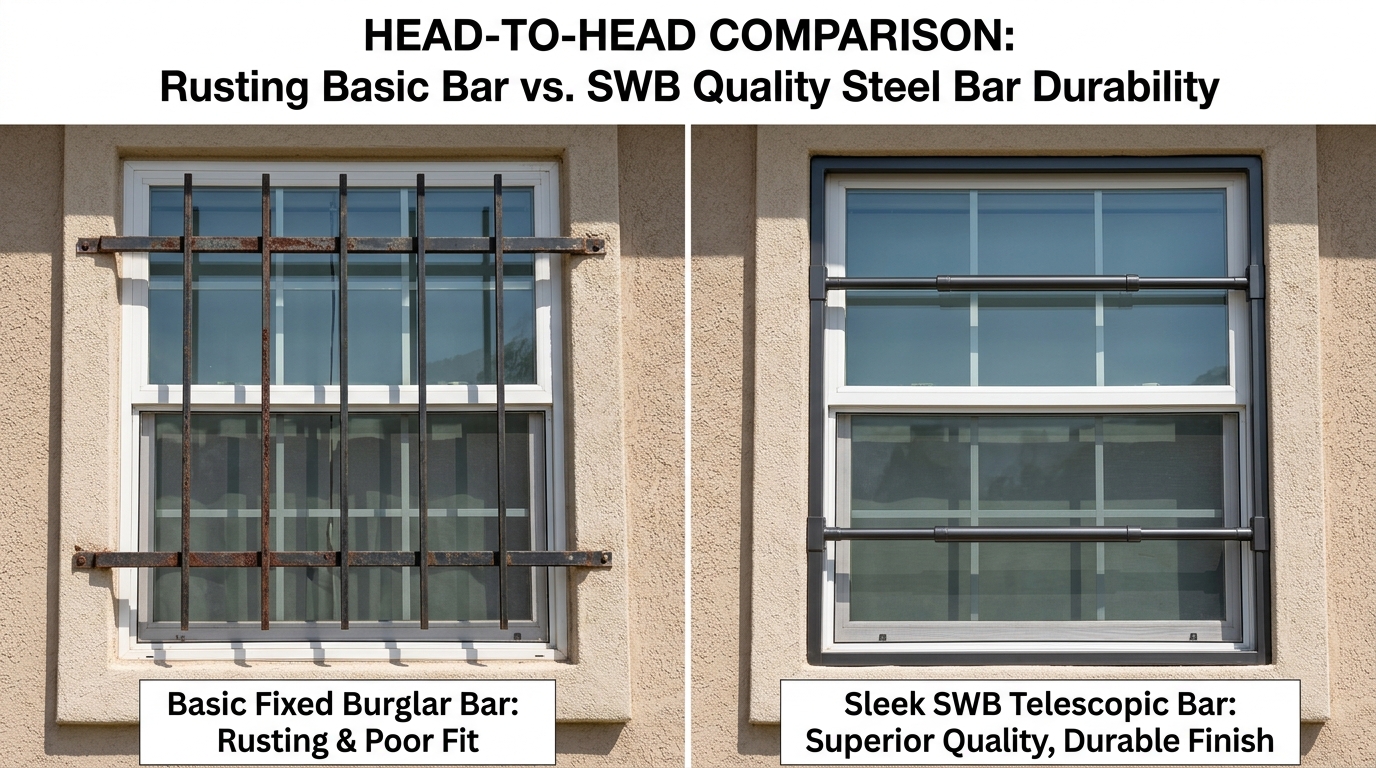
Burglar bars are not a marketing gimmick. The evidence supporting their effectiveness comes from multiple sources: law enforcement crime prevention research, insurance industry claims data, and direct surveys of convicted burglars themselves.
The Bureau of Justice Statistics reports that roughly 1.03 million household burglaries occur annually in the United States. Of those, the FBI's Uniform Crime Reporting data consistently shows that forced entry through windows accounts for approximately 23% of all residential burglaries. That means nearly a quarter of a million break-ins each year happen through unprotected windows.
Here is what the research tells us about how burglar bars change that equation:
- Visual deterrence is the first line of defense. A University of North Carolina at Charlotte study surveyed 422 convicted burglars and found that the vast majority assess a home's exterior before attempting entry. Visible physical barriers like window bars ranked among the top five deterrents, alongside dogs, alarm systems, and occupant presence.
- Time is the critical variable. Most residential burglaries last between 8 and 12 minutes total. The average burglar spends fewer than 60 seconds attempting to breach an entry point before giving up or moving on. Quality steel burglar bars add minutes, not seconds, to the forced-entry timeline, which pushes most break-in attempts well past the abandonment threshold.
- Opportunistic burglars avoid hardened targets. Roughly 85% of residential burglaries are crimes of opportunity, not planned operations. Opportunistic burglars look for the easiest possible entry. When they see bars on the windows, the risk-to-reward calculation shifts instantly in the homeowner's favor.
The bottom line: burglar bars work because they exploit the two things every burglar hates most: visibility and delay.
How Burglars Choose Their Targets (And Why Bars Change the Equation)

To understand why burglar bars are effective, you need to understand how burglars think. Law enforcement interviews with convicted offenders reveal a remarkably consistent decision-making process.
The Burglar's Three-Step Assessment
- Surveillance: The burglar walks or drives past a property, scanning for signs of occupancy, security measures, and vulnerability. This takes seconds.
- Risk calculation: Can I get in quickly? Can I get out without being seen? Is there an alarm? Are there physical barriers? If any answer raises the perceived risk above a comfortable threshold, the burglar moves on.
- Entry attempt: Only after passing the first two steps does the burglar approach a window or door. At this point, the clock is ticking. Every second spent on entry increases the chance of detection.
Burglar bars short-circuit this process at step two. They are visible from the street, which means the burglar never even reaches step three. This is what security professionals call "target hardening," and it is one of the most cost-effective crime prevention strategies available.
For a deeper look at how burglars evaluate windows specifically, read our post on Inside the Mind of a Window Burglar. It covers the psychological triggers that drive target selection and explains why physical barriers outperform electronic ones in certain scenarios.
What Convicted Burglars Say in Their Own Words
Interview-based research from multiple corrections departments reveals consistent themes:
- "If I see bars, I keep walking. Not worth the noise."
- "Alarms I can deal with. Bars mean I need tools and time, and I don't bring either."
- "I hit houses that look easy. Bars are the opposite of easy."
These are not hypothetical testimonials. They reflect the real calculus of someone who makes a living exploiting weak entry points. When physical barriers are present, the overwhelming majority of opportunistic burglars simply choose a softer target.
Burglar Bars vs. Other Security Measures: An Honest Comparison
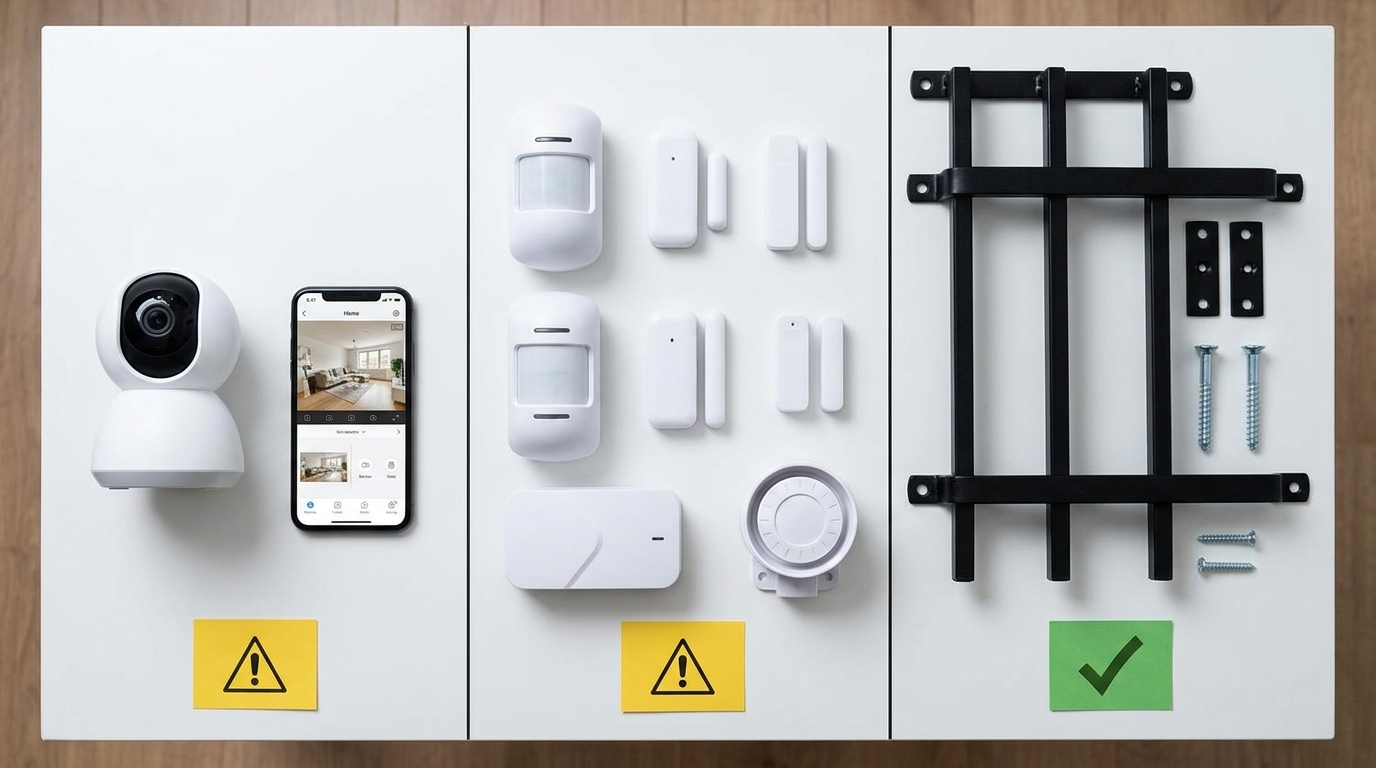
Burglar bars do not exist in a vacuum. Most homeowners consider them alongside cameras, alarm systems, smart locks, and security film. Here is how they compare across the metrics that actually matter.
| Security Measure | Deters Visually | Delays Entry | Prevents Entry | Works During Power Outage | Monthly Cost |
|---|---|---|---|---|---|
| Burglar bars (steel) | Yes | Yes (minutes) | Yes | Yes | $0 |
| Security cameras | Somewhat | No | No | No (most) | $10-$30 |
| Alarm system | Yes (yard sign) | No | No | Battery backup varies | $20-$60 |
| Security film | No | Yes (seconds) | No | Yes | $0 |
| Smart locks | No | No (windows unaffected) | Door only | Battery dependent | $0-$10 |
| Motion-sensor lights | Somewhat | No | No | No | $0-$5 |
The key distinction is that burglar bars are the only common residential security measure that physically prevents entry through a window. Cameras record. Alarms notify. Film delays by a few seconds. But none of those stop a determined intruder from getting inside. Bars do.
That said, the strongest home security setup is a layered one. Bars handle the physical barrier layer. Cameras handle documentation. Alarms handle notification. Together they create a system that is far more effective than any single component alone.
For a detailed head-to-head breakdown of bars versus other solutions, see our best window security bars for homes in 2026 guide, which covers every major product category with pricing and specs.
The Pros and Cons of Burglar Bars (No Sugarcoating)
No security product is perfect. Here is an honest assessment of what burglar bars do well and where they have genuine limitations.
Advantages
- Proven physical deterrent. Bars create a barrier that cannot be bypassed with software exploits, Wi-Fi jammers, or power outages. Steel does not need firmware updates.
- Zero ongoing costs. After the initial purchase and installation, there are no monthly subscriptions, no battery replacements, and no monitoring fees. A quality bar set lasts decades.
- Works 24/7. Unlike alarm systems that need to be armed or cameras that need power and connectivity, bars are always on duty.
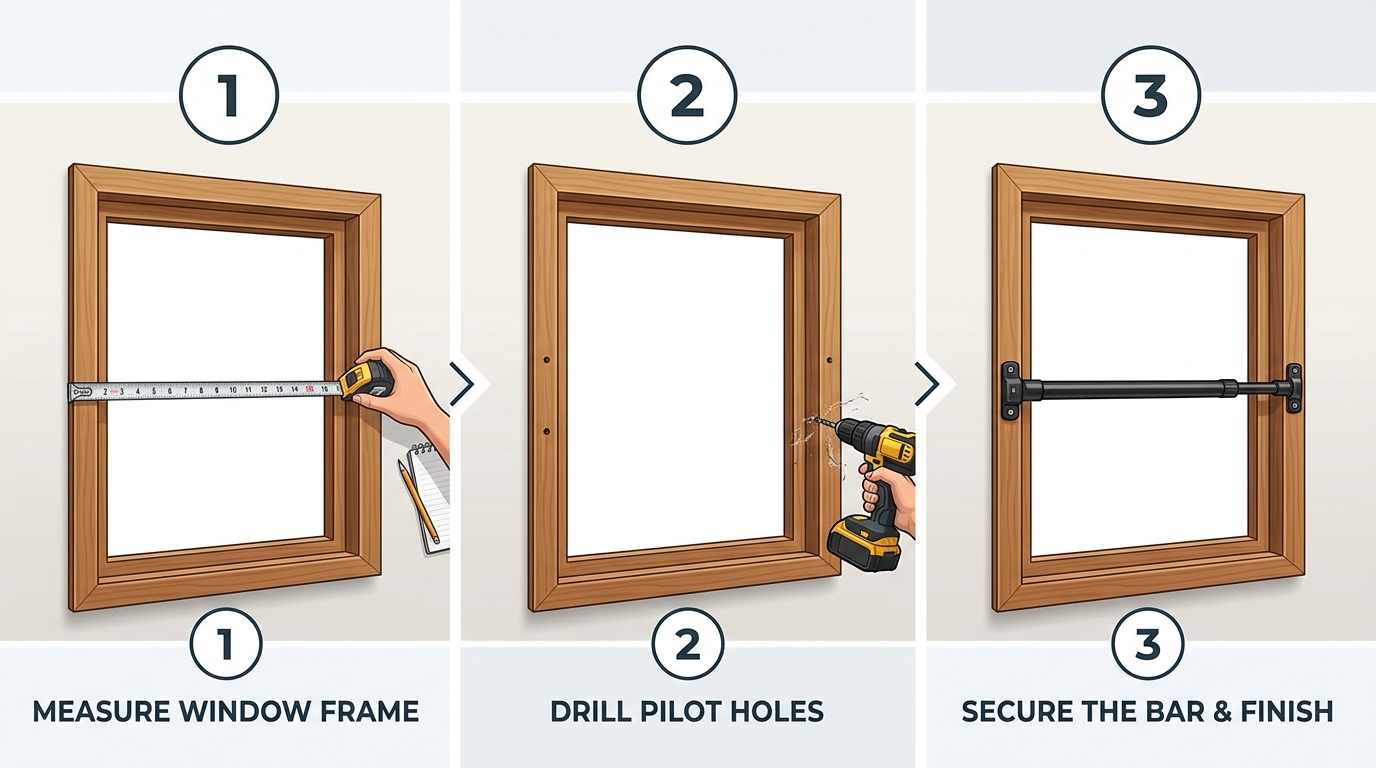
- Installation is fast. Frame-mount telescopic models like the SWB Model A install in about 10 to 15 minutes per window. No drilling required for the frame-mount configuration.
- Insurance benefits. Some homeowners insurance policies offer premium discounts for properties with physical security measures including window bars.
- Dual-purpose protection. Beyond burglary, bars also prevent smash-and-grab theft, accidental child falls from upper-story windows, and forced entry during home invasions.
Disadvantages
- Aesthetic impact. Bars are visible. While modern designs have become more streamlined and less "institutional," they are not invisible. Some neighborhoods and HOAs may push back on exterior-mounted bars.
- Fire egress concerns. Fixed bars on bedroom windows can block emergency escape routes. This is a serious safety issue and a code violation in most U.S. jurisdictions. The solution is a quick-release model like the SWB Model A/EXIT, which opens from the inside in seconds during an emergency while still providing full security against external entry.
- Perceived property value impact. In some markets, visible window bars can create a negative perception about neighborhood safety, which may affect resale value. Interior-mount bars minimize this concern because they are not visible from the street.
- Not effective against all entry methods. Bars protect windows. They do not protect doors, garage entries, or skylights. A comprehensive security plan needs to address all entry points, not just windows.
Which Types of Burglar Bars Are Most Effective?
Not all burglar bars offer the same level of protection. Material, design, mounting method, and build quality all affect how well a bar system performs under real forced-entry conditions.
Material Matters
- Solid steel bars: The gold standard. Heavy-gauge steel is extremely difficult to cut, bend, or pry apart with common burglary tools. Most quality residential bars use 1/2-inch or larger solid steel rods.
- Hollow tubular steel: Lighter and less expensive than solid steel, but offers reduced resistance to cutting tools like bolt cutters. Adequate for low-to-medium threat environments.
- Wrought iron: Strong and decorative, but heavier and more expensive. Common in high-end residential and commercial applications.
- Aluminum: Lightweight and corrosion-resistant, but significantly weaker than steel. Not recommended as a primary security measure in high-crime areas.
- Polycarbonate / clear bars: Transparent alternatives that maintain views but offer far less physical resistance than metal. Better suited as a visual deterrent than a genuine barrier.
Mounting Method
- Frame mount (interior): Bars sit inside the window recess, clamped to the frame. Tamper-resistant from outside, invisible from the street. The SWB Model A uses this approach with telescopic adjustment to fit standard window widths from a single unit.
- Wall mount (exterior): Bars are bolted directly into the wall surrounding the window. Maximum structural strength, but visible from outside and requires drilling.
- Hybrid mount: Some systems offer frame-mount installation out of the box with optional wall-mount hardware for permanent anchoring. This gives homeowners flexibility to start renter-friendly and upgrade later.
Design Features That Increase Effectiveness
- Anti-pry bar spacing: Bars spaced 4 inches apart or less prevent a human body from squeezing through, which is the standard used by most building codes.
- Tamper-resistant fasteners: Security screws or set-screw clamps that cannot be loosened from the exterior side of the window.
- Telescopic adjustment: Bars that extend to fit the exact window width create a tighter, more secure fit than undersized bars shimmed with spacers.
- Quick-release mechanism: For bedroom and egress windows, a quick-release feature allows the occupant to remove the bars from inside in seconds. This is required by IBC, NFPA, and OSHA standards for sleeping areas.
Real-World Scenarios: When Burglar Bars Make the Biggest Difference
Burglar bars are effective in general, but they deliver the highest ROI in specific situations where window vulnerability is elevated.
Ground-Floor and Basement Windows
These are the most commonly targeted entry points because they are accessible without a ladder. The FBI's data shows that ground-level windows account for the highest percentage of window-based forced entries. Bars on ground-floor and basement windows address the single most exploited vulnerability in residential security.
Homes in High-Crime Neighborhoods
Properties in areas with above-average burglary rates see the most dramatic benefit from physical barriers. In these neighborhoods, bars serve a dual function: they protect the home and they signal to repeat offenders that this property is not an easy target. That reputation effect compounds over time.
Vacant or Seasonal Properties
Homes that sit empty for extended periods, whether vacation properties, rental units between tenants, or homes undergoing renovation, are prime burglary targets. Electronic security requires power and connectivity that may not be reliable in vacant properties. Bars work regardless.
Properties With Valuable Contents
Home offices with equipment, workshops with tools, and residences with collectibles, firearms, or other high-value items face elevated risk. Bars add a physical layer that electronic security alone cannot provide.
Rental Properties and Multi-Family Buildings
Landlords face liability for tenant safety. Installing bars on ground-floor apartments demonstrates due diligence and can reduce insurance premiums. Tenants benefit from the added security without permanent modifications to the unit. For a comprehensive look at all your options, see our ultimate burglar bars for windows guide.
Frequently Asked Questions
Do burglar bars really prevent break-ins?
Yes. Burglar bars physically prevent entry through windows by creating a steel barrier that cannot be bypassed without specialized tools and significant time. The combination of visual deterrence and physical resistance makes them one of the most effective residential security measures available. Most opportunistic burglars, who account for roughly 85% of home break-ins, will skip a property with visible bars entirely rather than risk the noise and delay involved in defeating them.
Are burglar bars safe in case of fire?
Burglar bars are safe in case of fire only if they include a quick-release mechanism on any window designated as an egress point, particularly bedroom windows. The International Building Code and NFPA fire codes require that occupants be able to exit through bedroom windows in an emergency. Models like the SWB Model A/EXIT feature an interior-only quick-release that swings the bars open in seconds without tools, providing full security against external intrusion while maintaining fire code compliance.
Can a burglar cut through steel window bars?
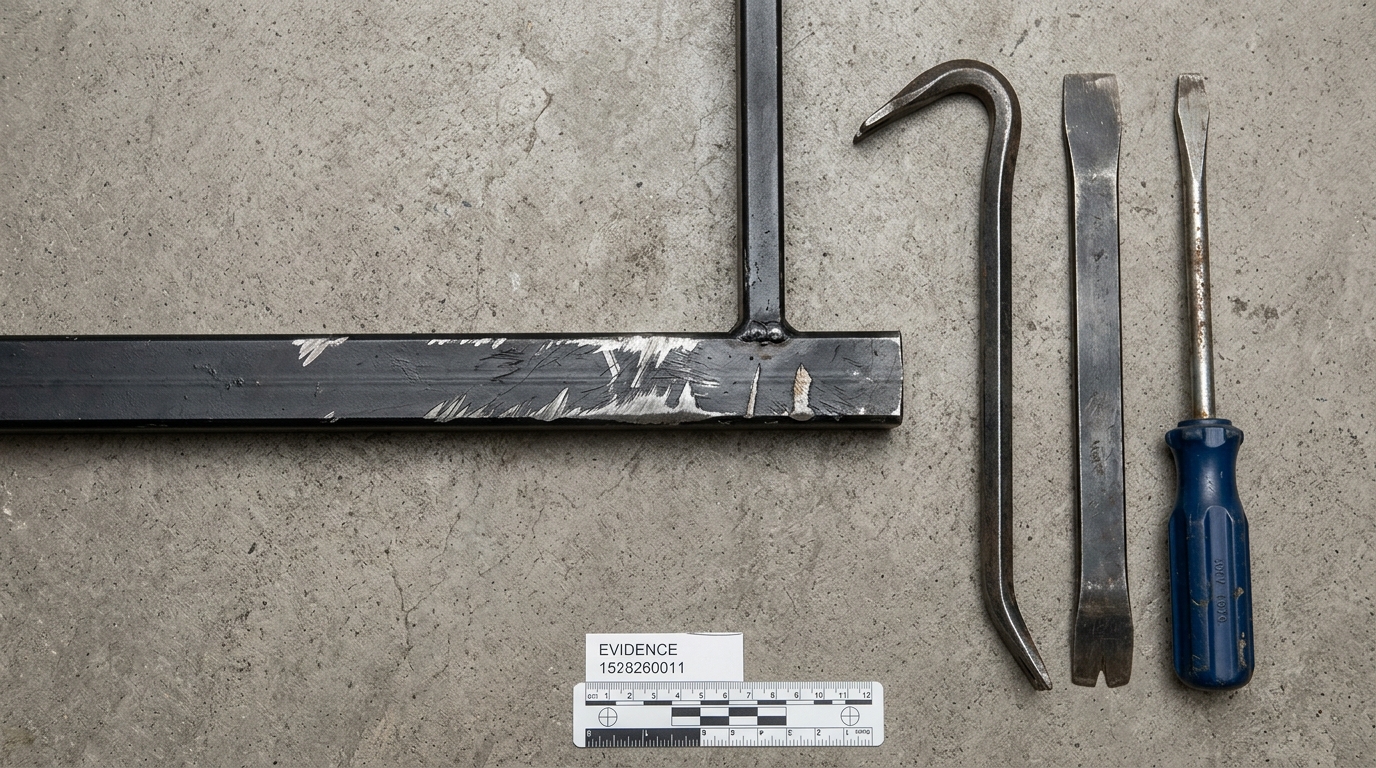
Cutting through quality steel window bars requires a battery-powered angle grinder or reciprocating saw with a metal-cutting blade, which produces extreme noise and visible sparks. The process takes several minutes per bar and draws immediate attention from neighbors and passersby. This is why burglars almost never attempt it. The noise, time, and visibility make it one of the highest-risk entry methods possible, which is exactly why steel bars are so effective as a deterrent.
Do burglar bars lower property value?
The impact on property value depends on the type of bars and the local market. Exterior-mounted bars with an industrial look can create a negative perception in upscale neighborhoods, potentially affecting buyer interest. However, interior-mount bars like the SWB Model A are invisible from the outside and have no impact on curb appeal. In high-crime areas, bars can actually increase property value by making the home more attractive to security-conscious buyers and reducing insurance premiums.
How much do effective burglar bars cost?
Effective burglar bars cost between $80 and $300 per window depending on material, size, and features. The SWB Model A, a telescopic steel frame-mount bar, starts at approximately $90 per unit. Egress-compliant models with quick-release mechanisms like the Model A/EXIT cost around $92. Professional installation adds $50 to $150 per window, though many frame-mount models can be installed without tools in under 15 minutes, eliminating labor costs entirely.