Nashville's population grew 15% in the five years through 2023, making it one of America's fastest-growing cities. Property crime has tracked that growth, reaching 3,600+ per 100,000 residents. The specific pattern in Nashville is that crime doesn't follow only geography — it follows gentrification, with new residents in transitioning neighborhoods experiencing higher victimization than their longtime neighbors who had already hardened their homes.
Nashville's Housing Stock
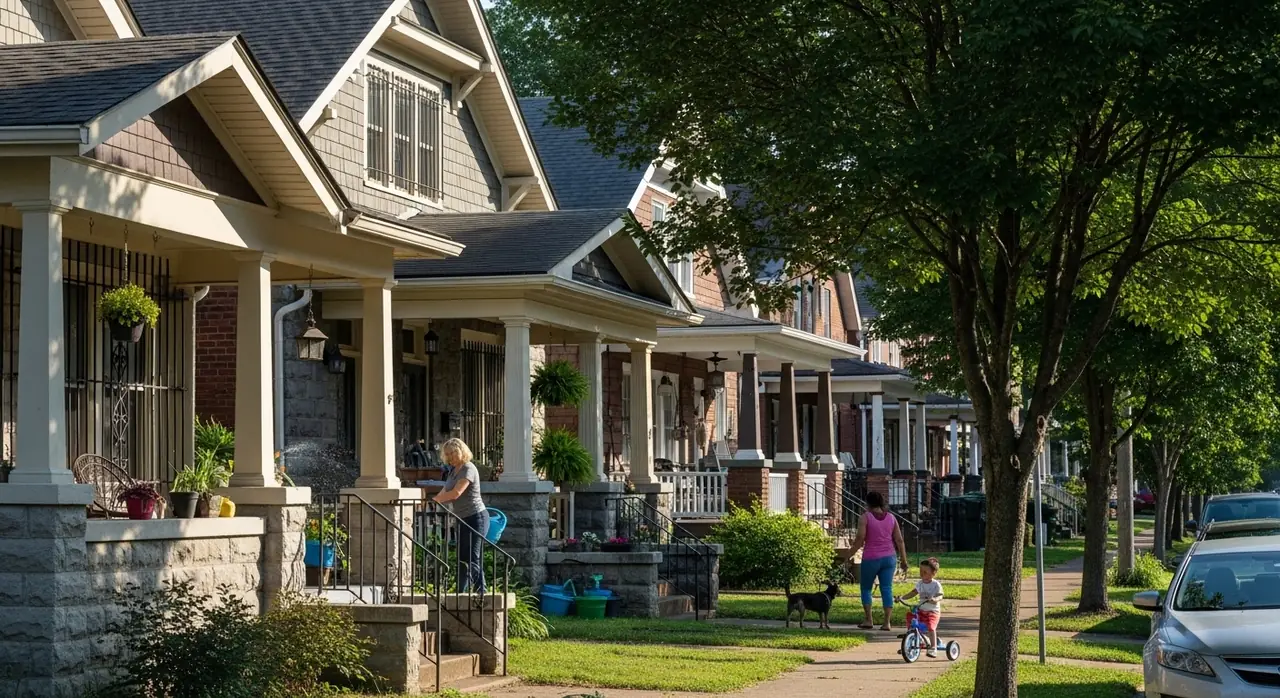
Nashville has a fascinating and varied housing inventory: pre-Civil War era homes in Germantown, 1910s–1940s bungalows in East Nashville and Hillsboro Village, mid-century ranches across North Nashville and Antioch, and significant new construction throughout the rapidly expanding outer ring.
The older homes (pre-1960) with original wood windows are the easiest to install bars into but may have compromised frames. The ranch-era homes (1950s–1970s) with aluminum windows require sub-frame mounting. New construction with vinyl windows uses interior-frame mounting.
Tennessee Egress Code
Tennessee State Fire Code (based on NFPA 101) requires quick-release mechanisms on all sleeping room window bars. Metro Nashville Housing Code extends this to require compliance in all rental units within the city limits. The Metro Nashville Fire Marshal performs rental property inspections and has cited landlords for non-compliant bars.
Nashville Neighborhood Assessment
High priority: North Nashville, Bordeaux, Antioch, Nolensville Pike corridor, parts of East Nashville (historic), Madison
Moderate priority: Germantown, Five Points, East Nashville (transitioning sections), Wedgewood-Houston, Berry Hill
Short-term rental priority: Gulch, SoBro, Midtown — high Airbnb density with elevated opportunistic crime risk
Nashville Window Bar Cost

- Standard window: $160–$280 installed
- Full home: $1,400–$2,800
- SWB adjustable DIY: $60–$95/window