Adjustable Door Security Bar: How to Size, Set, and Trust One
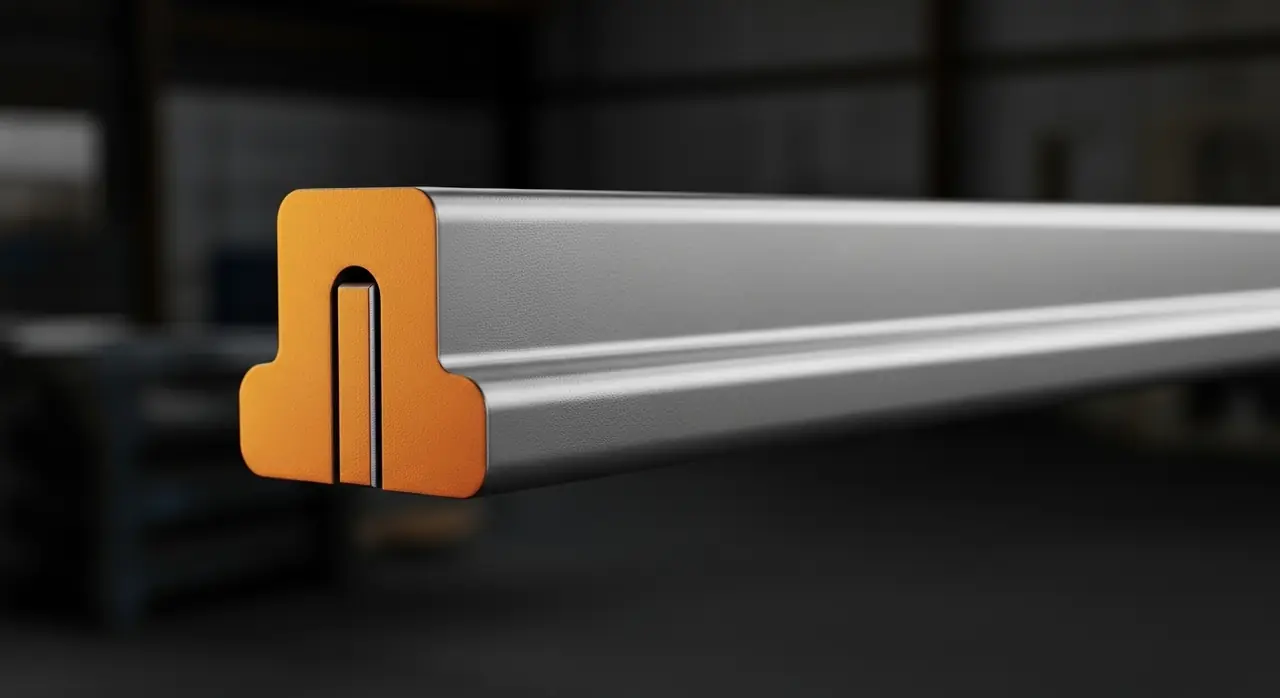
The word "adjustable" on a door security bar is either its greatest feature or its most dangerous liability — depending on whether you understand how to set it correctly. A steel bar at the wrong angle is just an expensive piece of metal that slides across your floor on impact. FBI data: 34% of home burglaries enter through the front door. An incorrectly set bar stops none of them.
Quick Answer
Size: handle height × 1.414 = bar length needed. Set: 40–45° angle, rubber foot flat, collar locked. Verify: 30 lbs of test pressure with zero movement. The SWB Model A covers 17.5"–47.5" — fits all standard US residential door handles.
Before You Start: What You'll Need
- Measuring tape or laser measure
- Phone with a level app (optional but helpful for first install)
- Painter's tape for floor marking
- Clean cloth to wipe the floor contact area
- Your steel adjustable door bar
Step 1: Measure Your Handle Height
Close and deadbolt the door. Measure from the floor to the center of your door handle or lever — this is your handle height. Write it down.
Standard US handle heights: 34–36 inches (residential standard) · 32–34 inches (ADA-compliant) · 36–40 inches (commercial doors) · Your door may vary — always measure, never assume.
Step 2: Calculate Bar Length for 45°
At 45°, the bar length = handle height ÷ sin(45°) = handle height × 1.414.
Quick Reference Table
If your handle is above 38 inches, angle the bar slightly shallower (38–40°) to reach the floor with a longer contact point. Force resistance decreases slightly but remains above 900 lbs.
Step 3: Extend and Lock the Bar
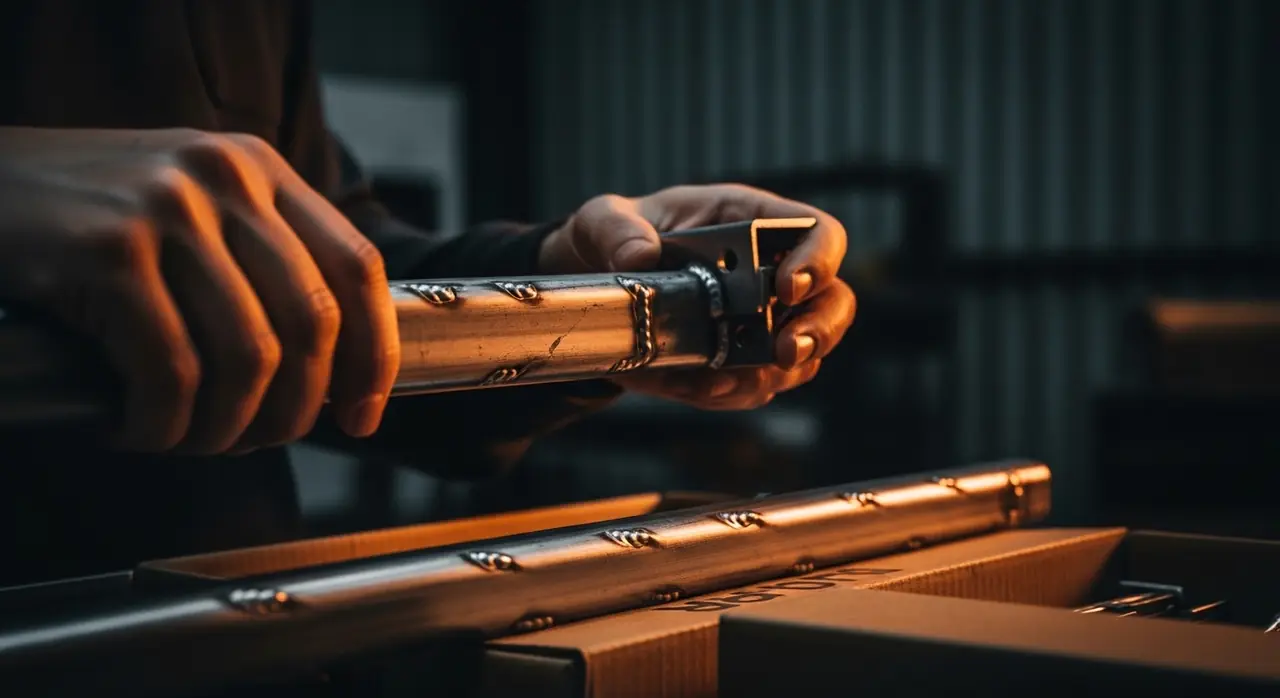
Extend the telescopic sections to your calculated length. Engage the locking collar — it should require deliberate rotational force to release. If it spins freely under light pressure, the collar is defective and the bar will slip under load.
The most common failure mode
A friction-only collar that loosens under vibration. Under a kick delivering 400+ lbs, the vibration alone can release a friction collar 2–3 inches — enough to drop the bar out of the handle cup. Test your collar: lock it, then try to rotate it without deliberate force. If it moves, return the product.
Step 4: Seat Cup and Foot — The Critical Step
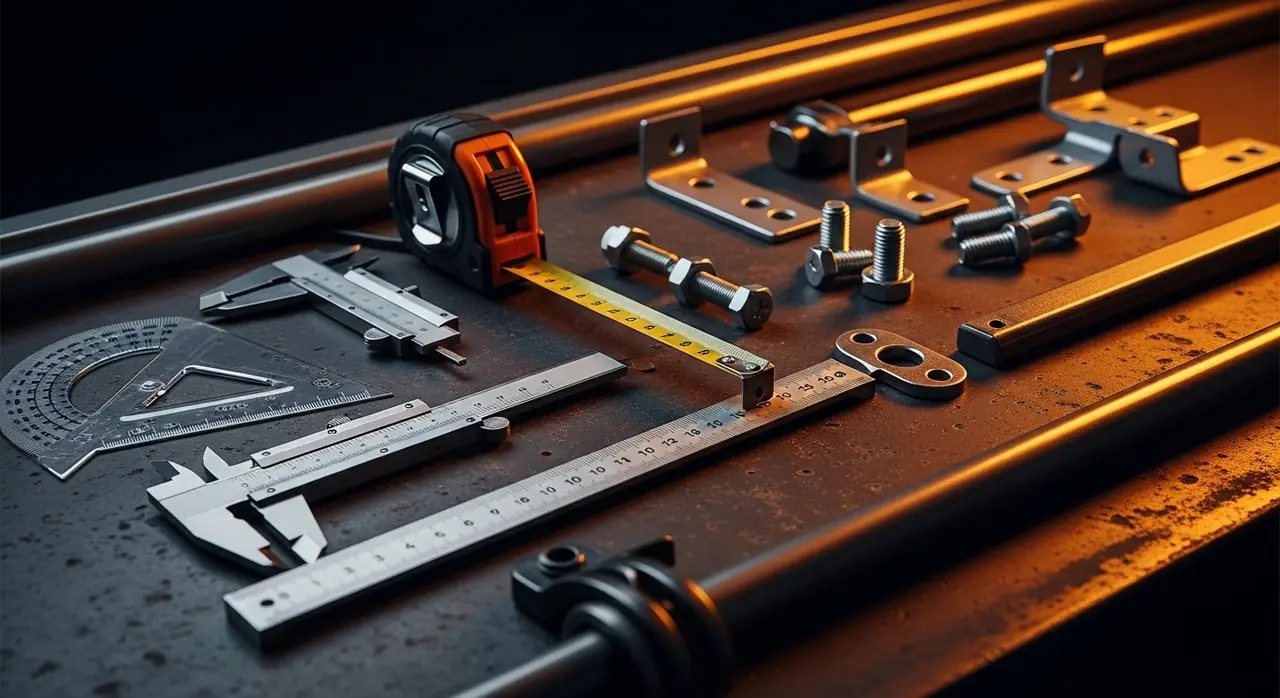
Place the upper cup firmly under (not resting on top of) the door handle or lever. The cup should wrap around the handle — a 1-inch deep cup handles both round knobs and lever handles.
Place rubber foot on floor. For 360° swivel feet: press down and rotate slightly to ensure full flat contact. Wipe the floor area with a dry cloth first — dust reduces grip meaningfully.
Floor grip by surface type: Concrete = excellent · Hardwood (dry, clean) = excellent · Tile = excellent · LVP = good · Carpet (short pile) = good · Carpet (thick plush) = verify carefully · Waxed hardwood = add rubber mat
Step 5: Verify the Angle and Test
Visually verify the bar forms a 40–45° angle with the floor. Use a phone level app if you're not confident estimating visually. Mark the floor position with painter's tape.
Apply 30 lbs of outward force to the door (push it toward outside). Zero movement = correctly set. Any slide = re-seat. Any cup-slip = adjust handle cup depth or re-position.
Common Mistakes to Avoid
Angle too shallow (<35°): Foot slides forward under impact. Fix: move foot further from door until angle is 40+°.
Cup resting on top of handle: Slides off under vibration. Fix: cup must seat UNDER and around the handle, not balance on top.
Collar not fully locked: Telescopic sections slip under load. Fix: rotate collar until it clicks or resists rotation firmly.
Not testing after setup: You don't know if it's correctly set until you apply force. Always test before relying on it overnight.
SWB Model A: Adjustable Range 17.5"–47.5"
The SWB Model A covers standard residential door handles from 28" to 50" high at 40–45°. 16-gauge cold-rolled steel · 360° swivel rubber foot · positive-lock collar · 1.1" deep handle cup · tested at 1,100 lbs. Works on doors and windows. ~$90.
View Model A Specs →FAQ
How do I size an adjustable door security bar?
Handle height × 1.414 = bar length at 45°. For 36" handle: 50.9" bar. A bar adjustable from 17.5"–47.5" covers all standard US residential doors.
What angle should it be set at?
40–45°. Below 35°: foot slides forward. Above 55°: force misdirected. Use a phone level app to verify on first install.
Can one bar work on all my doors?
Yes, for all inswing doors. Move it nightly to your priority entry, or buy one per door for always-on protection.
Will the bar damage my door handle?
Not with a padded cup. Avoid bare metal on finished handles. SWB uses a 1.1" padded cup that protects both lever and knob designs.
How do I know it's properly set?
Apply 30 lbs outward pressure on the door. Zero movement = correct. Any slide or cup movement = re-seat and re-test.
Related
Marcus Reid · IDA Certified
12 years of residential security specification. Tested 34 door and window bar products. NYC · Chicago · LA.