Window Bars Warranty Coverage Comparison: 2026 Buyer's Reference
Direct answer: Most window bar warranties are one-year limited policies covering manufacturing defects only — welds and hardware, nothing else. A true lifetime warranty covers structural integrity for the product's life, extends finish protection 10 years, and — in rare cases like SWB — includes a forced-entry repair credit. Before you buy on price alone, the warranty fine print tells you exactly how much the manufacturer trusts their own product.
Marcus Reid · IDA Certified
8 minutes
Why Warranty Language Is Designed to Mislead You
Window security bars are a permanent fixture. Once installed, most homeowners won't touch them for 15 to 25 years. That timeline matters when you're reading warranty terms, because the gap between what a marketing headline says — "lifetime warranty!" — and what the actual policy document covers can be enormous. The word "lifetime" has no legal standard in US consumer product law. Some manufacturers define it as the product's "useful life," which they reserve the right to determine at their own discretion. Others tie it to the original purchaser's ownership of the property, meaning it evaporates the moment you sell.
The industry baseline — what you get from the majority of window bar brands sold through home improvement retailers and Amazon storefronts — is a one-year limited warranty covering manufacturing defects. That's it. No corrosion coverage. No structural failure after year one. No coverage if someone tries to kick through your bars and damages them in the process. For a product category where the entire value proposition is long-term structural protection, a 12-month policy is a significant red flag about how confident the manufacturer actually is in their materials and workmanship.
The Baseline Problem
The US window bar market's standard warranty is 1 year, covering manufacturing defects only. 11-gauge steel bars are designed to last 15–25 years. That's a 14- to 24-year coverage gap most buyers never notice until they need it.
The Three Coverage Tiers: What Each Actually Protects
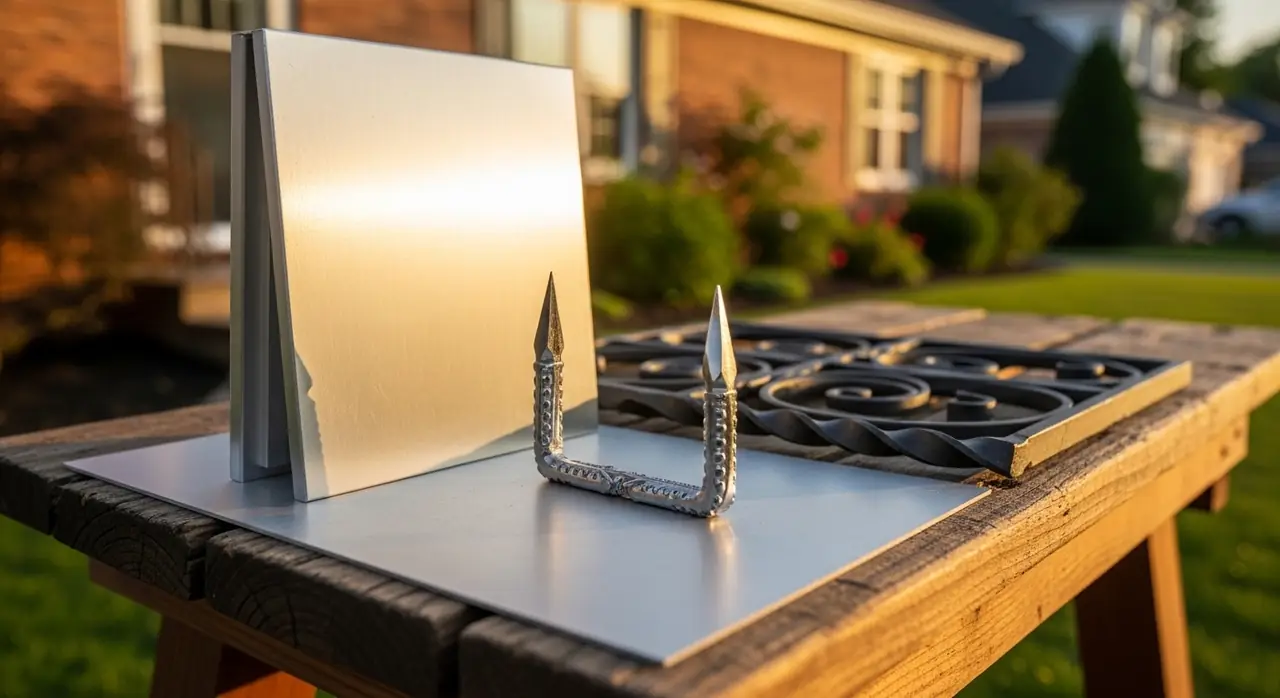
Window bar warranties cluster into three distinct tiers when you strip away the marketing language and read the policy documents. Understanding what each tier does — and doesn't — cover is the foundation of any honest window bars warranty comparison. The differences aren't incremental; they're categorical.
Tier one is manufacturing defects only, typically for one year. This covers weld failures, hardware that arrives stripped, finish that peels within the first season — defects that were baked in at the factory. It does not cover anything that happens after installation in normal use conditions. Tier two extends structural coverage to 5–10 years and often adds a separate corrosion or finish provision. Tier three — the rarest category — adds lifetime structural coverage, extended finish protection, and in some cases, provisions for forced-entry events.
| Coverage Type | 1-Year Standard | 5–10 Year Mid-Tier | SWB Lifetime |
|---|---|---|---|
| Manufacturing defects | ✓ 1 year | ✓ Full term | ✓ Lifetime |
| Structural integrity | ✓ 1 year only | ✓ 5–10 years | ✓ Lifetime |
| Powder coat / finish | ✗ Not covered | Varies (1–5 yr) | ✓ 10 years |
| Corrosion / rust | ✗ Not covered | ✓ 5–10 years | ✓ Via finish warranty |
| Forced-entry damage | ✗ Excluded | ✗ Excluded | ✓ Repair credit |
| Transferable to new owner | ✗ Rarely | Varies | ✓ Yes |
Forced-Entry Coverage: The Rarest Provision in the Category
According to FBI Uniform Crime Reporting data, approximately 57% of burglaries involve forcible entry — meaning the point of entry was physically breached, not unlocked. Windows are the second most common entry point after doors. If window security bars are your primary deterrent and someone still manages to force or damage them during an attempted break-in, the practical question is: who pays for the repair or replacement? The answer from most warranty documents is: you do.
Forced-entry coverage — any warranty provision that addresses damage caused by a break-in attempt — is rare enough that only two brands in the major US market currently offer it: SWB and OnGuard. SWB provides a repair or replacement credit for verified forced-entry events on products still within their installation parameters. This matters practically because a telescopic bar that gets bent during a forced entry may look functional but has lost its structural calibration. Replacing it out-of-pocket on a product with no forced-entry provision means you're paying twice for the same protection.
Coverage Reality Check
57% of US burglaries involve forcible entry (FBI UCR). Almost every window bar warranty on the market explicitly excludes forced-entry damage. If deterrence fails, standard warranties leave you with the repair bill.
It's also worth noting the fire-egress dimension here. SWB's Model A/EXIT (from $179) is engineered to comply with IBC Section 1030 and NFPA 101 Life Safety Code requirements for emergency escape openings. The quick-release mechanism adds complexity — more moving parts means more potential points of failure under stress. SWB's warranty covers the release hardware under the same structural lifetime terms, provided the mechanism receives the annual testing that NFPA 101 guidance recommends. No other fire-egress bar manufacturer in the telescopic category currently offers equivalent hardware coverage terms.
Corrosion and Finish Coverage: The Slow-Failure Problem
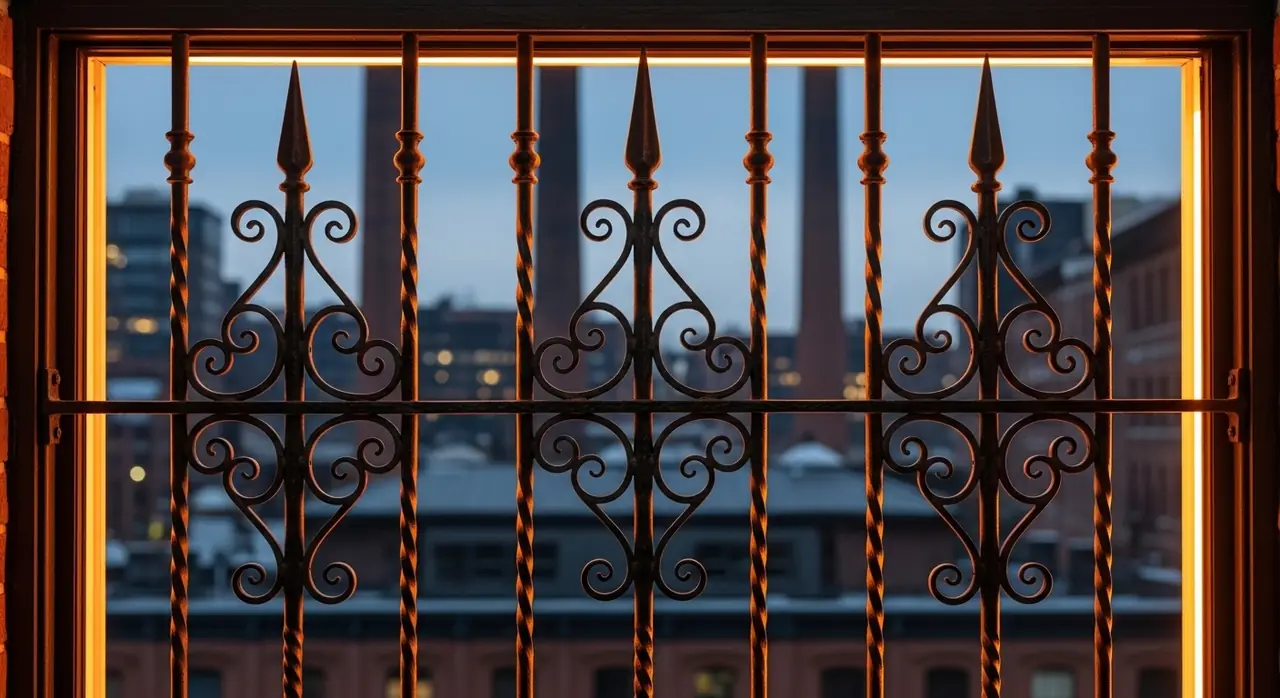
Structural failure from a single catastrophic event is dramatic and easy to document. Corrosion is the opposite — it's a slow, incremental degradation that compounds over years. 11-gauge steel has the wall thickness to resist surface rust for years under good conditions, but powder coat finish is the first line of defense, and its failure timeline depends heavily on application quality, coating thickness (measured in mils), and the installation environment. A coastal installation 2 miles from saltwater will stress a finish far harder than an inland suburban window.
Industry corrosion coverage typically runs 5–10 years when it's offered at all. The critical fine print to check: does the warranty cover finish failure that leads to rust, or only cosmetic finish peeling? These are different claims. A finish that chips and allows rust to develop on structural welds is a safety concern, not just an aesthetic one — and many policies cover the former but deny claims on the latter by categorizing it as environmental damage. SWB's 10-year powder coat warranty covers finish failure from normal exposure conditions on both the Model A (26"–42", from $99) and Model B (42"–66", from $129), with a clear carve-out for damage attributable to chemical exposure or unauthorized repainting.
COSMETIC FINISH
Covers peeling, flaking, or discoloration of the powder coat. Standard 1-year policies rarely include this. SWB covers it for 10 years.
STRUCTURAL RUST
Rust that compromises weld integrity or bar strength. This is a safety defect, not cosmetic — and it's often the claim insurers push back on hardest. Verify your policy explicitly covers it.
ENVIRONMENTAL EXCLUSIONS
Most warranties void corrosion coverage for salt-air, chemical spray, or "abnormal" humidity. If you're installing in a coastal or industrial zone, get the exclusion list in writing before purchase.
MAINTENANCE REQUIREMENTS
Some mid-tier warranties require documented annual inspections or specific cleaning products to maintain coverage. SWB's policy has no scheduled-maintenance requirement for structural or finish terms.
Reading the Fine Print: Six Clauses That Define Real Coverage
Warranty documents are not written by the engineering team — they're written by the legal team. That means the language is designed to protect the manufacturer's exposure, not to maximize your protection. Six specific clauses determine whether a window bars lifetime warranty or window bars warranty coverage document is genuinely useful or largely decorative.
| Clause | What to Look For | Red Flag Language |
|---|---|---|
| "Useful Life" Definition | Fixed years or product lifespan tied to material spec | "As determined by manufacturer" |
| Damage Exclusions | Explicit list; forced entry should NOT be in it | "Damage from external forces" |
| Remedy Scope | Replacement or full repair credit | "Pro-rated credit at sole discretion" |
| Transferability | Explicitly transferable to subsequent owners | "Original purchaser only" |
| Claim Process | Clear timeline (e.g., 30-day response SLA) | No stated response timeline |
| Commercial Use | Separate commercial policy with equivalent terms | "Residential use only — voids if commercial" |
The "pro-rated credit at sole discretion" language is the most dangerous clause in the table. It means the manufacturer can offer you $12 toward a $99 replacement bar on a 10-year-old product and call it a fulfilled warranty obligation. If a warranty doesn't specify a minimum remedy — full replacement or full repair cost — it's functionally worthless after the first few years.
Making the Call: Which Warranty Tier Is Right for Your Installation
Your installation context determines how much warranty depth you actually need. A single ground-floor bedroom window in a low-crime suburban area and a multi-window commercial retrofit in an urban setting have different risk profiles — and the right window security bars warranty comparison looks different for each scenario. Here's the practical framework.
For residential installations covering one or two windows, the Model A (26"–42", from $99) backed by SWB's lifetime structural and 10-year powder coat warranty is the best warranty window bars offer at that price point — no pro-rating, no transferability restriction, and the forced-entry credit is available if you need it. For wider openings up to 66", the Model B (from $129) carries identical warranty terms on a larger frame. Both install without professional labor, which means the entire product cost plus warranty coverage lands under what a single service call for a damaged bar would cost from most local contractors.
For bedrooms with egress requirements — which apply to all sleeping rooms under IBC Section 1030 — the Model A/EXIT (from $179) is the only product in the line with a quick-release mechanism. The warranty coverage is identical to the standard Model A, with the annual testing documentation requirement noted above. If you're installing bars on a sleeping room and don't account for egress, you've created a fire-code violation regardless of how strong your warranty is. Protection means both directions: keeping threats out and ensuring occupants can get out.
Bottom Line on Best Warranty Window Bars
A lifetime structural warranty + 10-year finish coverage + forced-entry repair credit is the ceiling of what's available in the US telescopic window bar market in 2026. SWB and OnGuard are the only brands operating at that ceiling. Everyone else is selling you 12 months and calling it protection.