Window Bars for Airbnb & Vacation Rentals: Liability, Insurance, ROI
Direct answer: 28% of Airbnb hosts report property crime annually, and vacancy periods between bookings carry 60% higher break-in risk. Window security bars cut that exposure, unlock insurance discounts of 8–15%, and — when you choose egress-compliant models like SWB's Model A/EXIT — keep you on the right side of IBC § 1030 and Airbnb's own hosting standards. For most 8-window properties, total hardware cost runs $1,200–$1,800 with payback under 18 months.
Marcus Reid · IDA Certified
8 minutes
Why Short-Term Rentals Are a Specific Burglary Target
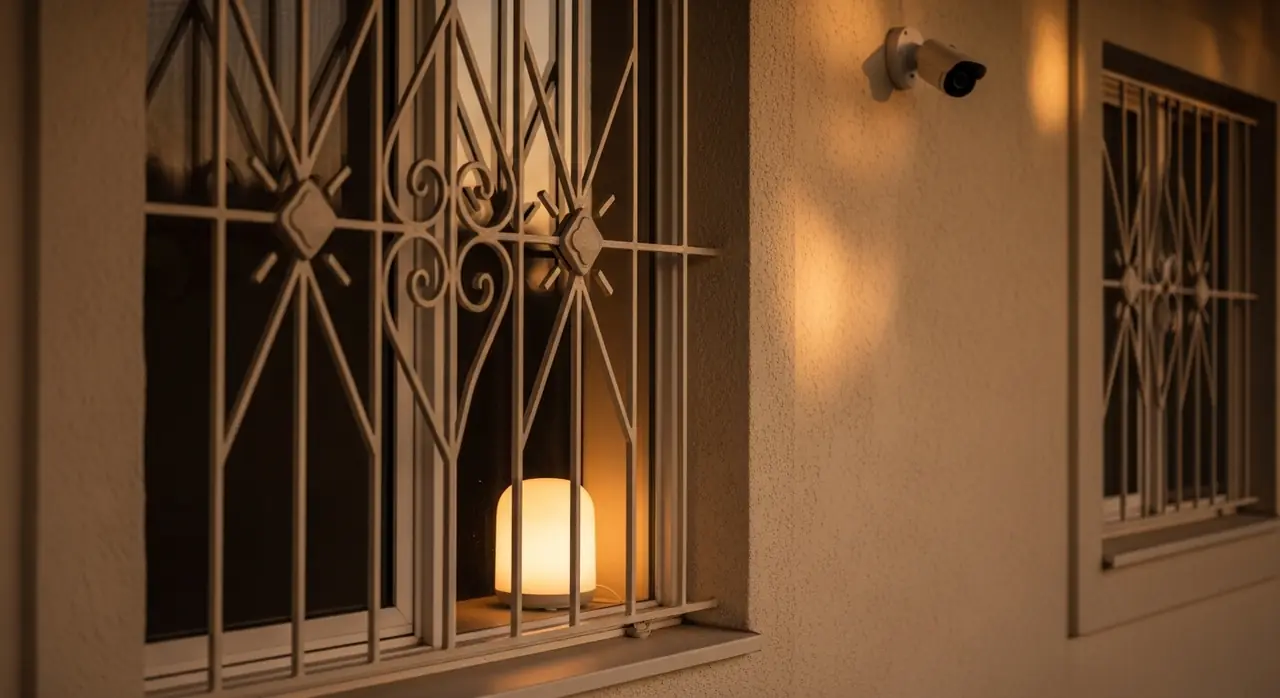
A primary residence has irregular human activity — someone's always coming or going at unpredictable hours, which is the single biggest natural deterrent to opportunistic break-ins. Short-term rental properties don't have that. Checkout is at 11 a.m., check-in is at 3 p.m., and in between the unit sits visibly empty. Guests post their locations on Instagram. Listing platforms show real-time availability calendars. Neighboring locals can observe booking patterns over weeks. The result: STR properties are structurally more predictable targets than owner-occupied homes, and the data bears that out.
28% of Airbnb hosts report experiencing property crime in a given year. That number climbs in urban markets and tourist-dense ZIP codes where STR density is high enough that local theft networks specifically target the category. Vacancy periods — any gap between a checkout and the next check-in — carry 60% higher break-in risk than occupied periods. For a property averaging 60% occupancy, that's roughly 146 nights per year where the risk profile is materially elevated. A broken sliding window or unsecured ground-floor double-hung is all the entry point a motivated burglar needs.
The Vacancy Risk Window
A 60%-occupied STR sits vacant ~146 nights/year — each night carrying 60% higher break-in risk than an occupied property. That's the exposure window window bars close.
Smart locks and cameras address some of this. But neither stops a window entry. Ground-floor and accessible second-floor windows — the ones guests use, the ones that open for ventilation — are the primary forced-entry vector in residential burglaries, accounting for roughly 23% of all residential break-ins according to FBI Uniform Crime Report data. For STR operators, the math on physical window security is straightforward: the deterrent effect kicks in before any alarm does.
Fire Code & Egress: The Compliance Problem Most Hosts Get Wrong
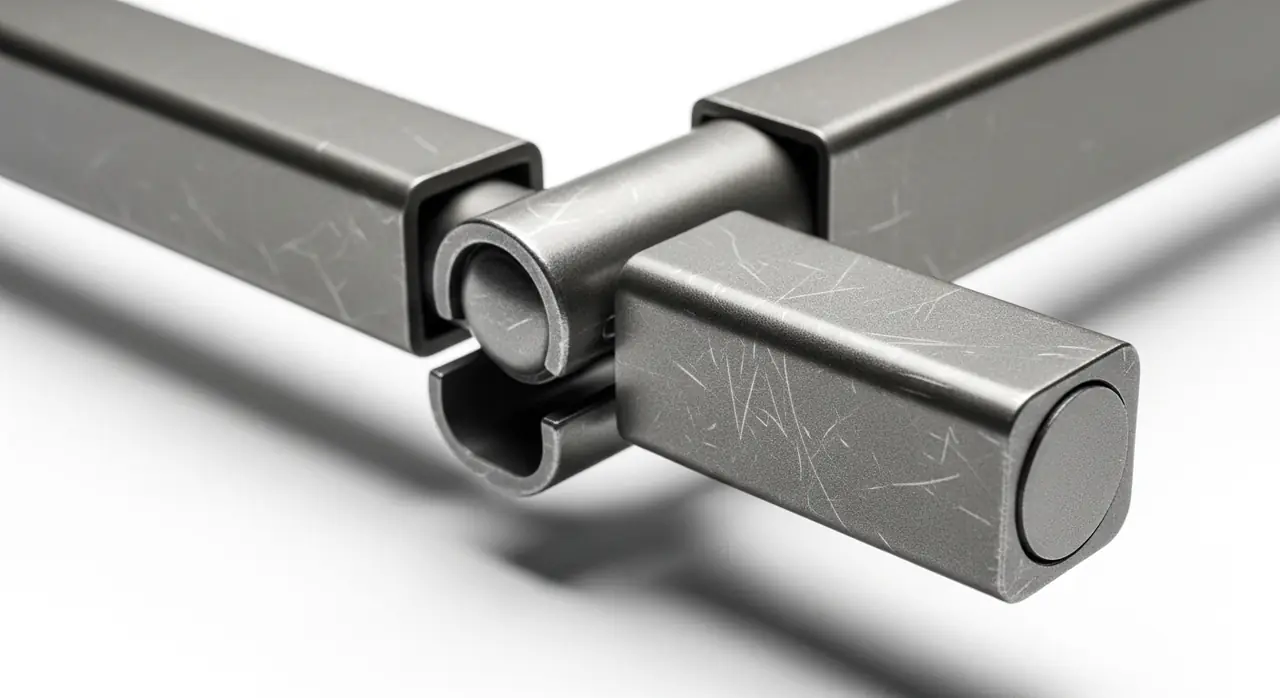
This is where a lot of STR operators make an expensive mistake. They install standard fixed bars on every window — including bedroom windows — and create a fire-egress liability that's worse than no bars at all. IBC § 1030 (Emergency Escape and Rescue) is explicit: sleeping rooms must have at least one emergency escape and rescue opening. Any bars, grilles, or screens covering that opening must be openable from the inside without a key, tool, or special knowledge, using a single releasing operation.
Airbnb's own safety standards mirror this requirement — hosts must ensure guests can exit in an emergency without a key. Fixed bars on bedroom windows violate both the IBC and Airbnb's hosting terms. If a guest is injured or killed in a fire and the investigation reveals locked window bars in a sleeping room, the liability exposure for the host is severe. NFPA 101 (Life Safety Code) reinforces this at the state and local level for properties classified as transient lodging.
| Room Type | IBC § 1030 Egress Required? | Correct SWB Model | Starting Price |
|---|---|---|---|
| Bedroom / Sleeping Room | Yes — single-motion interior release mandatory | Model A/EXIT | $179 |
| Living Room / Common Area | No egress requirement | Model A or Model B | $99 / $129 |
| Kitchen | No egress requirement | Model A or Model B | $99 / $129 |
| Basement Sleeping Room | Yes — IBC § 1030 applies at all floors | Model A/EXIT | $179 |
| Garage / Storage | No egress requirement | Model A or Model B | $99 / $129 |
The practical installation strategy for most STR properties: put Model A/EXIT ($129) on every bedroom window, and use standard Model A ($99, fits 26"–42" openings) or Model B ($129, fits 42"–66") on all common-area and non-sleeping windows. This gives you full security coverage without a single egress violation.
Insurance Discounts: What STR Hosts Actually Recover
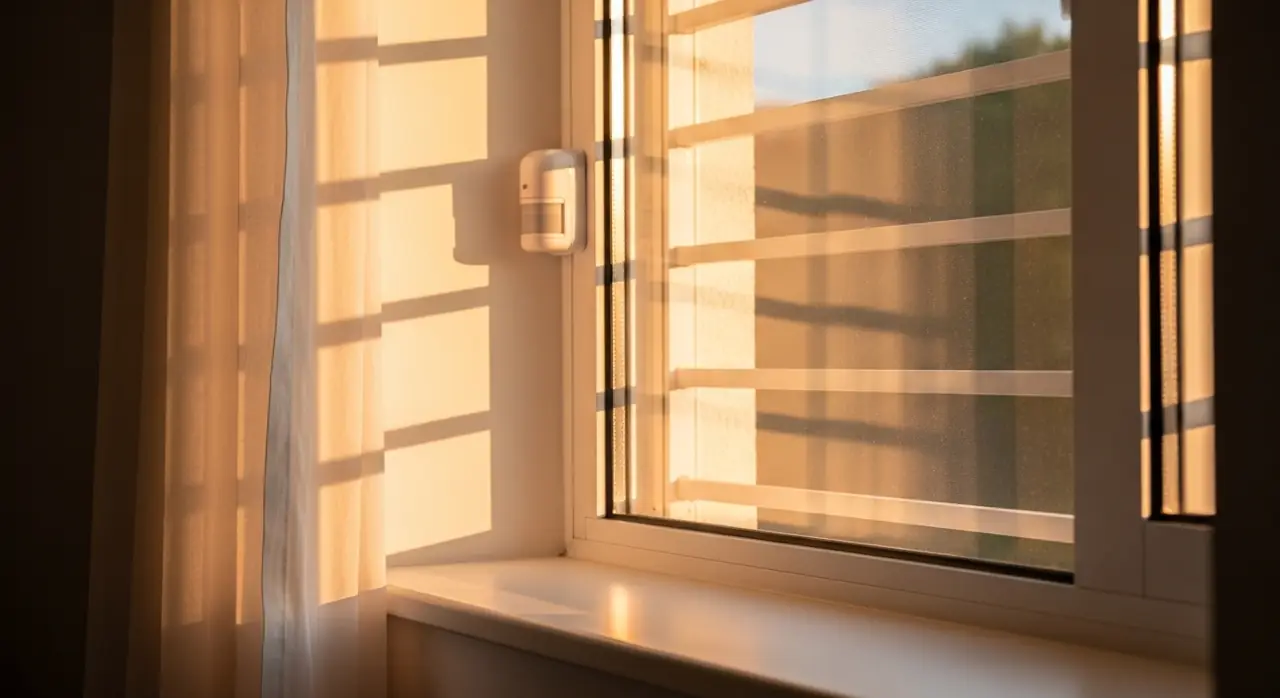
STR-specific insurance policies — products like Proper Insurance, Slice, and Airbnb's own AirCover — are increasingly tiered based on verified physical security measures. Standard homeowners policies that attempt to cover STR activity typically apply the same logic. Verified window security bars generate documented discounts of 8–15% on property coverage premiums. That range isn't marketing language — it reflects the actual actuarial risk reduction carriers assign to forced-entry deterrents on accessible openings.
To claim the discount, you'll generally need to document bar installation with photos showing the product installed on all ground-floor and accessible upper-floor windows, plus product specification sheets confirming 11-gauge steel construction and load ratings. SWB provides a downloadable spec sheet specifically formatted for insurance underwriter submission. The process takes about 20 minutes and the discount applies at next renewal.
Annual Recovery Estimate
On a $2,400/year STR policy, an 8–15% security discount returns $192–$360 annually. At $1,200–$1,800 hardware cost for an 8-window property, full payback from insurance savings alone occurs in 3–5 years — before accounting for one prevented burglary claim.
One prevented burglary claim changes the math entirely. The average residential burglary loss runs $2,661 per the FBI's Property Crime report. A single STR burglary during vacancy — appliances, smart TV, linens, guest belongings — can easily hit $5,000–$8,000 in combined property loss and booking cancellations while the unit is unrentable. A $1,400 hardware investment that prevents one such event pays for itself before the insurer even cuts the first check.
ROI Model: 8-Window STR Installation
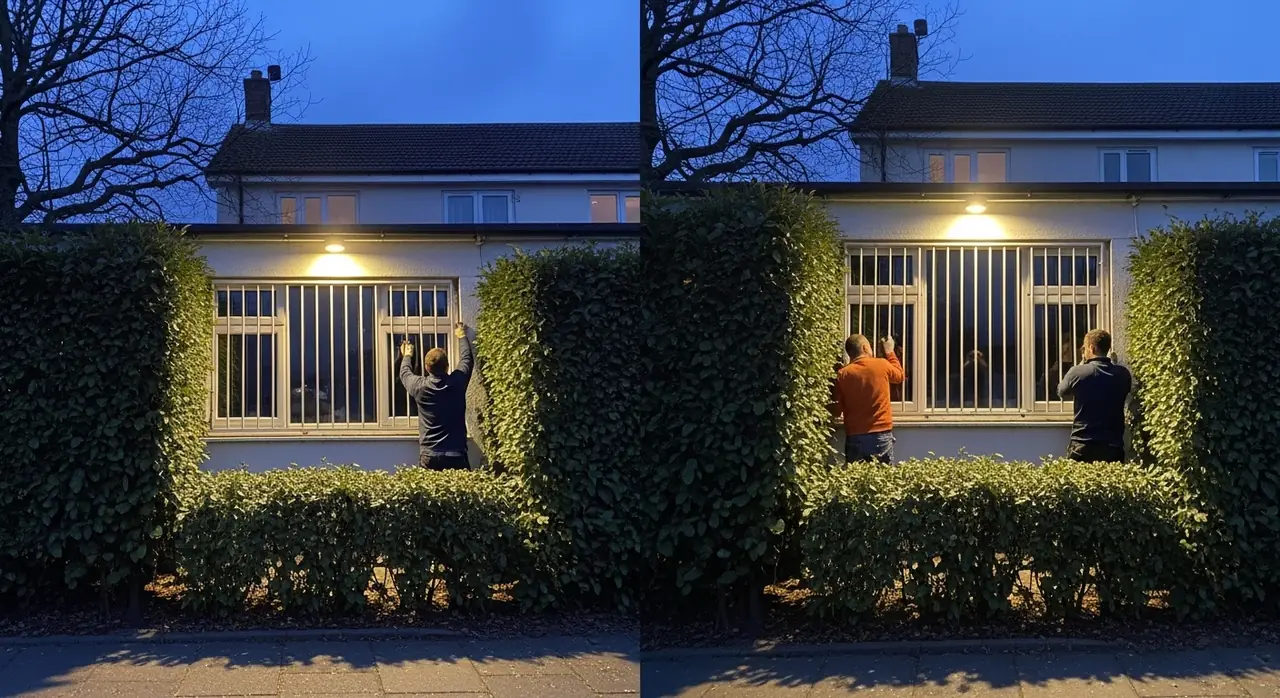
Most STR hosts who do a full security bar installation are protecting 6–10 windows. The 8-window property is the common benchmark, and the numbers work cleanly. A typical configuration for a 3-bedroom Airbnb: 3 bedroom windows get Model A/EXIT ($179 each), 5 common-area windows get Model A ($99 each) or Model B ($129 each) depending on width. Total hardware: $537–$1,182 depending on mix, with the average operator landing around $1,200–$1,800 all-in once you account for wider kitchen or living room openings requiring Model B.
| Cost / Benefit Item | Low Estimate | High Estimate |
|---|---|---|
| Hardware cost (8 windows) | $1,200 | $1,800 |
| Installation (DIY or handyman) | $0 | $200 |
| Annual insurance discount (8–15% on $2,400 policy) | $192/yr | $360/yr |
| Avoided burglary loss (annualized at 28% host crime rate) | $745/yr | $2,240/yr |
| Estimated total annual return | $937/yr | $2,600/yr |
| Payback period | ~15 months | ~8 months |
These numbers are conservative. They don't account for reduced deductible exposure, the value of a 5-star safety review driving additional bookings, or the fact that bars are a one-time cost with a 15+ year service life on 11-gauge steel. The avoided burglary figure uses a straight probability model: 28% annual crime rate × average $2,661 FBI residential burglary loss, discounted by ~50% for deterrence effect rather than prevention certainty. Even at that haircut, the ROI is decisive.
Choosing the Right Model for Vacation Rental Windows
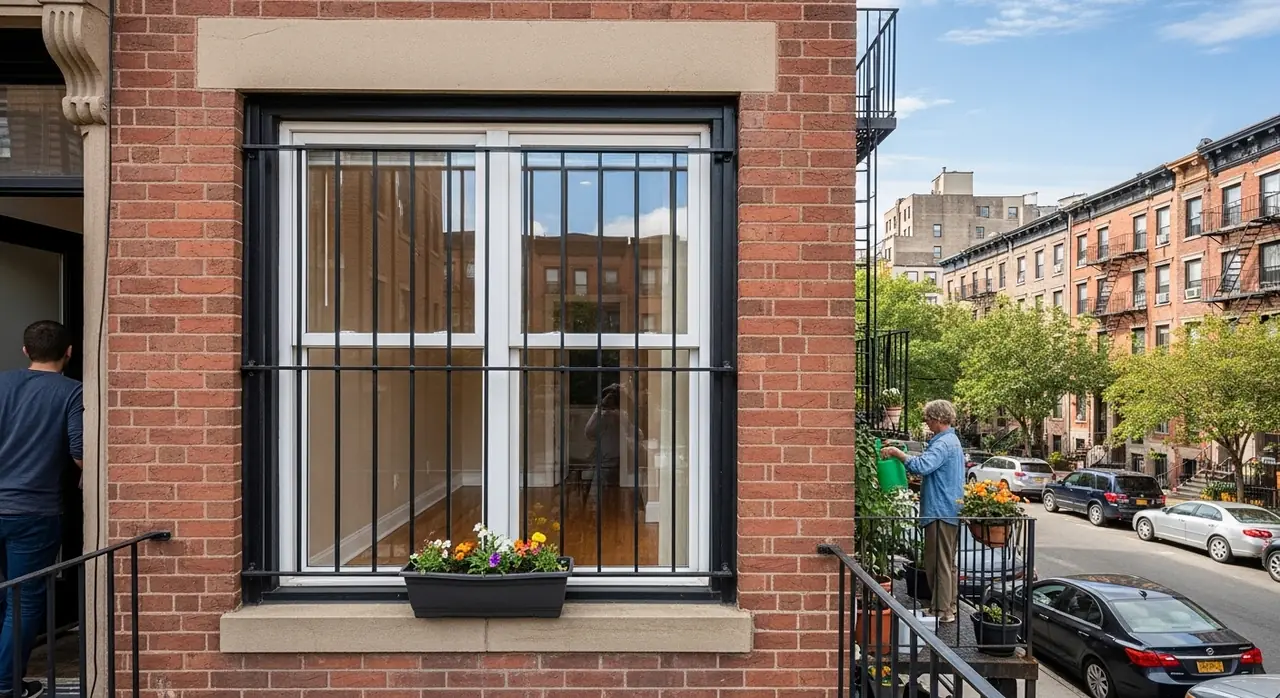
STR properties span a wide range of window types — older double-hung windows in urban row houses, wide sliding windows in coastal properties, narrow casement windows in converted units. SWB's telescopic design handles this without custom fabrication. The selection logic is simple: measure the inside width of the window frame (not the glass), identify which rooms are sleeping rooms, and follow the table above.
MODEL A — FROM $99
Fits 26"–42" openings. Covers the majority of standard double-hung and single-hung windows in US residential construction. Best for common-area and non-sleeping windows where no egress release is required.
MODEL B — FROM $129
Fits 42"–66" openings. Sized for wider sliding windows, picture windows, and commercial-framed openings common in newer construction and coastal STRs. Also non-egress; install in living areas and kitchens.
MODEL A/EXIT — FROM $179
IBC § 1030-compliant egress release. Required for every sleeping room window covered by bars. Single interior motion releases the bar without tools or keys. Fits 26"–42". Non-negotiable for any bedroom in a licensed STR.
INSTALLATION NOTE
All three models are telescopic — no cutting, no welding, no permits in most jurisdictions. Tension-mount installation takes 10–20 minutes per window. No permanent modification means bars are removable if you sell the property or change units.
Liability Exposure Hosts Don't Think About Until It's Too Late
There are two liability vectors here, and most STR operators are only thinking about one of them. The first — burglary of guest belongings — is obvious. Guest loses a laptop during a vacancy-period break-in, claims it happened during their stay, you're dealing with a dispute, a bad review, and potentially a claim against your policy. Painful, but manageable.
The second vector is the one that ends hosting careers: a fire event in which a guest cannot exit through a window because you installed fixed bars on the bedroom. NFPA reports that residential structure fires kill approximately 2,500 people annually in the US. In a transient lodging context — where guests are unfamiliar with the property layout and may be sleeping in a room they've never been in before — window egress is the backup to the backup. Block it with non-release bars and you've created a structural fire trap, full stop. The legal exposure in that scenario is not a matter of insurance — it's a matter of criminal negligence in many states.
The Only Acceptable Bedroom Bar
If a bar on a sleeping-room window cannot be released from the inside in a single motion without a key or tool, it is not code-compliant, not Airbnb-compliant, and not legally defensible in a fire event. Model A/EXIT exists specifically to resolve this — security without the liability.
The practical answer is not complicated: bedroom windows get Model A/EXIT, everything else gets standard Model A or Model B. That single decision — $179 instead of $99 per bedroom window — is the difference between a defensible security installation and a liability. On an average 3-bedroom STR with 3 bedroom windows, the upgrade cost is $240 total. That's the cost of avoiding a catastrophic exposure.
If you're buying window bars for short term rental window security and someone tries to sell you a one-size-fits-all fixed bar solution for every window in the property, walk away. The correct installation requires model differentiation by room type. It's not a sales tactic — it's the minimum standard the code requires and that any competent inspection will verify.