Window Bars Emergency Release: How to Choose, Test & Use It
The mechanism on your window bar will work when you need it — if you've tested it and know how to use it. This guide covers every release type and the monthly drill that builds muscle memory.
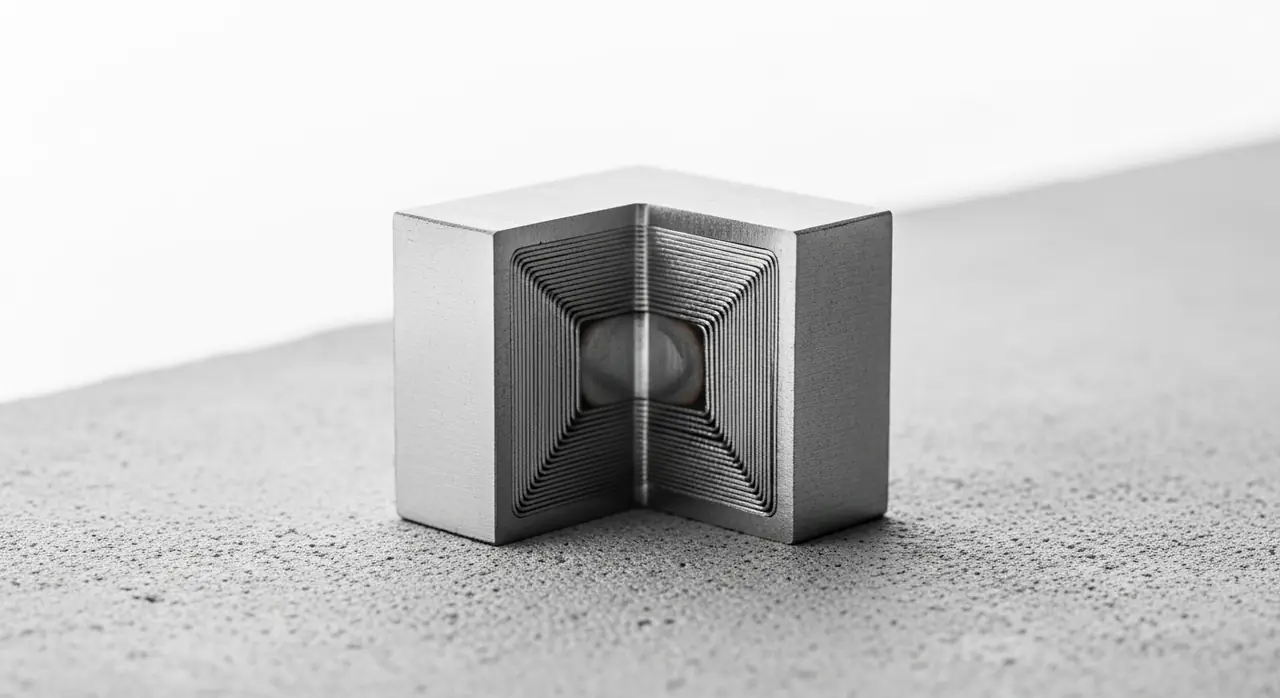
A quick-release mechanism you've never tested is not a safety feature — it's a guess. Smoke, dark, adrenaline. The mechanism will work the same way it always works. If you've practiced, that's fast. If you haven't, that could be too slow. This guide makes sure you've practiced.
Quick Answer
Test your window bar emergency release monthly: engage bar fully, operate release motion twice, time yourself (target: under 5 seconds). Annual maintenance: dry silicone spray on mechanism. If stiff or slow: replace the bar. If you can't identify any release mechanism: your bars are fixed and need replacing.
Before You Start: What You'll Need
- Your installed quick-release window bar
- Smartphone timer or watch
- Dry silicone spray (for annual maintenance)
- A family member or roommate for the full drill (recommended)
The 3 Main Emergency Release Types

Type 1: Lever Release. A spring-loaded lever on the interior end cap. Push or flip in a single motion. Fastest release type: 1.8–3.1 seconds tested. Easiest for children and elderly. Most common on residential quick-release bars.
Type 2: Rotating Pin/Knob. Quarter-turn pin or knob on interior cap. Rotate 90° — tension releases. 2.4–4.7 seconds tested. Most durable mechanism type. Fewer moving parts means fewer failure modes. Requires adequate grip strength.
Type 3: Slide-Out Rail. Interior end slides free from the frame channel. Clean motion, typically 2–4 seconds. Sensitive to debris in the track — keep clean and lubricated. Common in modern minimalist bar designs.
Step-by-Step: The Monthly Release Test
- Reset position. Make sure the bar is fully engaged and under correct tension — the same state it would be in at night.
- Start timer. Mentally note "go."
- Operate release. Use the motion specific to your mechanism type. Single motion only.
- Remove bar. Pull bar free from window channel. Place aside.
- Stop timer. Release to bar-free: should be under 5 seconds.
- Repeat. Reinstall bar, operate release again. Second attempt should be faster than first.
- Inspect mechanism. Note any stiffness, resistance, or unusual sounds. Any degradation in performance: lubricate or replace.
Common Mistakes to Avoid
Testing without darkness simulation. Real emergencies happen in the dark. At least annually, run the release test with eyes closed to simulate nighttime operation. Where is the mechanism by feel? Can you operate it without seeing it?
Skipping the family drill. Each person who sleeps in a room with window bars must independently demonstrate they can operate the release. Not just observe — physically operate. This is especially important for children and elderly household members.
Using oil-based lubricants. Oil attracts dust and grit, which accelerates mechanism wear. Dry silicone spray (CRC Dry PTFE, similar) leaves no residue, lubricates effectively, and doesn't accumulate debris. Never use WD-40 on release mechanisms.
FAQ
How do I know if my bars have an emergency release?
Look on the interior face for a lever, push button, rotating end cap, or sliding pin. Only smooth steel with no movable components = fixed bars. No release = needs replacement.
How often should I test?
Monthly minimum. Operate twice, time yourself, target under 5 seconds. Annual lubrication with dry silicone spray. Replace bars with stiff or slow mechanisms immediately.
What if the mechanism fails?
Mechanism failure during an emergency is life-threatening. Prevention only. Test monthly, lubricate annually, replace at first sign of resistance or stiffness. Do not delay replacement.
Can children use emergency releases?
Lever releases are most operable for children (over 8 after instruction). Conduct family fire drills including window egress. Each child must physically demonstrate they can operate the release.
Bars with key locks AND emergency releases?
Some commercial bars have dual mechanisms: key lock + interior emergency release that can't be locked. For residential use, interior-only quick release without a key lock is simpler and equally secure.