Direct Answer
A "door bar" is a type of door brace — specifically a telescopic steel tube angled from handle to floor. "Door brace" is the broader category that also includes wall-mount barricades and frame reinforcement plates. In everyday use, both terms usually mean the same portable floor-angle device. For renters: get a telescopic floor bar. For homeowners who can drill: wall-mount barricades are stronger.
You search "door bar" on one site and get the same product as "door brace" on another. Marketing teams use these terms interchangeably. But the terminology actually does matter — because a true wall-mount brace and a portable floor bar have different performance specs, installation requirements, and fire-code implications. Here's exactly what each term means.
The Short Answer
Door Bar
Specific term: a telescopic steel tube braced at 40–45° from door handle to floor. Portable. No installation. Adjustable to fit any standard inswing door. Resistance: 800–1,100 lbs depending on gauge. Immediate egress when kicked aside. What most people are looking for when they search either term.
Door Brace
Broad term: any device that transfers forced-entry force away from the door lock/frame to a stronger structural element. Includes floor-brace bars (what people call "door bars"), wall-mount barricade bars, and frame reinforcement plates. All door bars are door braces. Not all door braces are bars.
Why This Matters More Than You Think
When someone searches "door brace" intending to buy a portable floor-angle device, they may land on a wall-mount barricade kit that requires drilling into studs. Those two products have very different implications:
| Telescopic Floor Bar ("Door Bar") | Wall-Mount Barricade ("Door Brace") | |
|---|---|---|
| Installation | Zero | Drill into studs |
| Resistance (16-ga) | 1,100 lbs | 1,400–2,000 lbs |
| Renter-friendly | Yes | No (need landlord OK) |
| Outswing doors | No | No (most types) |
| Egress (quick-release) | Model-dependent | Design-dependent |
| Cost | $60–$120 | $150–$350 + install |
| Portable | Yes | No |
Which One You Actually Need
You're a renter
Get a telescopic floor bar. Zero installation — no lease violations, no drilling. Works on any inswing door. SWB Model A (1,100 lbs) or Model A/EXIT (1,100 lbs + quick-release for bedroom doors).
You own your home and want maximum security on the front door
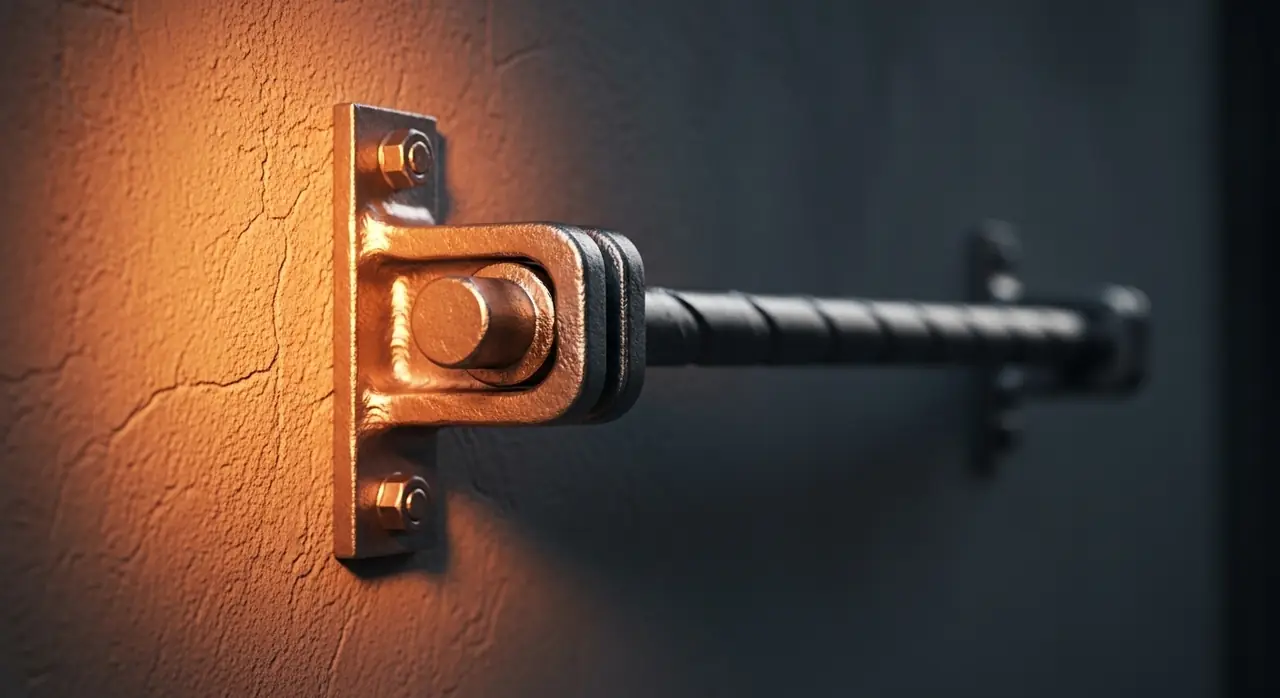
Wall-mount barricade bar into studs (1,400–2,000 lbs) for your primary entry, plus a frame reinforcement plate behind the strike plate to address frame splintering. This combination addresses all failure modes.
You're securing a bedroom or egress door
Use only quick-release-equipped bars. IBC 2021 and NFPA 101 require egress doors to release in a single motion. Non-compliant bars on egress doors are fire hazards. SWB Model A/EXIT meets this standard.
You travel or want portable security for hotels/Airbnbs
Portable telescopic floor bar. Takes 30 seconds to deploy and fits under any door you're sleeping behind. Single most effective portable security upgrade available.
The SWB Answer to Both Terms
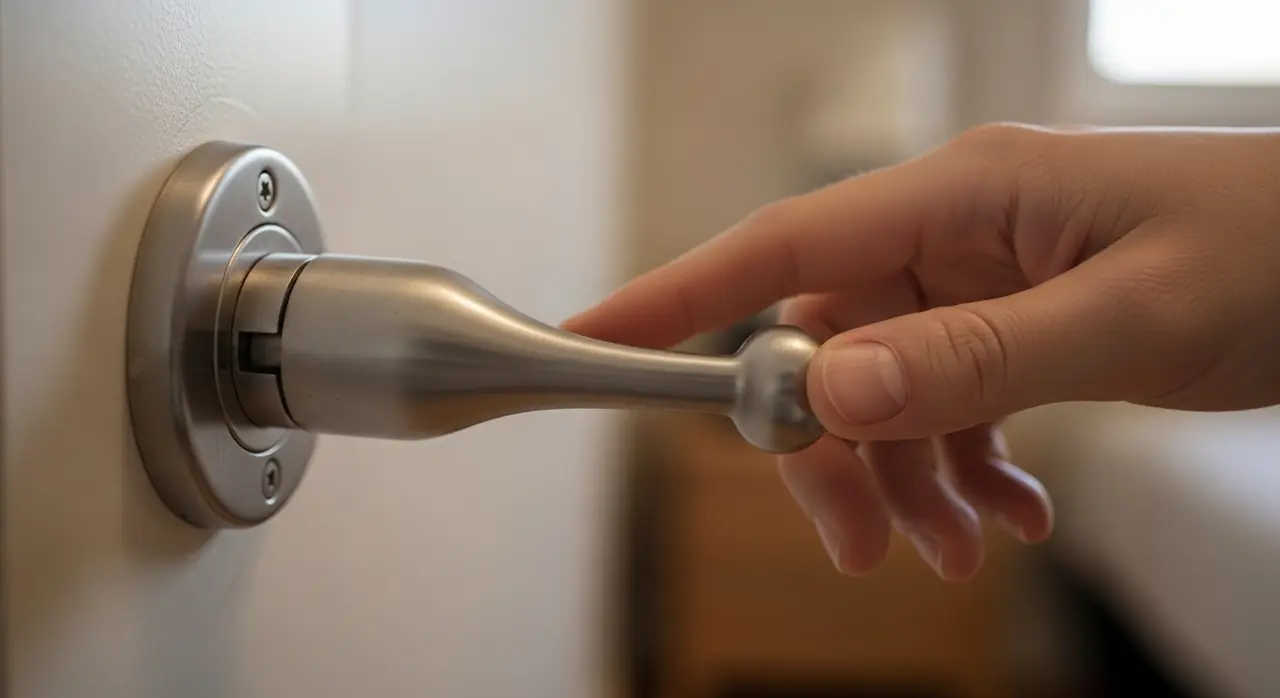
SWB Model A — Portable Floor Bar + Brace
16-gauge steel · 1,100 lbs · 17.5"–47.5" · Zero install · Works on any standard inswing door. The product both "door bar" and "door brace" searches are usually looking for.
View Model A →SWB Model A/EXIT — Quick-Release Brace
Same 1,100-lb steel bar + IBC 2021 compliant quick-release. Required for bedroom and egress doors.
View Model A/EXIT →FAQ
What is the difference between a door bar and a door brace?
"Door bar" = specific type (telescopic floor bar). "Door brace" = broader category including bars, wall-mount barricades, and frame reinforcement plates. In practice, both terms usually describe the same portable device.
Which is stronger: a door bar or a door brace?
Depends on type. 16-gauge floor bar: 1,100 lbs. Wall-mount barricade brace: 1,400–2,000 lbs (transfers to structural studs). The floor bar wins for portability; the wall-mount wins for absolute maximum resistance.
Do I need a door bar or door brace for my apartment?
A portable telescopic floor bar — no drilling, no installation, legal under virtually all US leases. SWB Model A provides 1,100 lbs resistance with zero property modifications.
Related
Marcus Reid · IDA Certified
12 years residential security specification · The terminology confusion costs homeowners and renters real security — know what you're buying before the moment you need it.