How to Choose a Door Security Bar: 5 Questions That Determine the Right Product
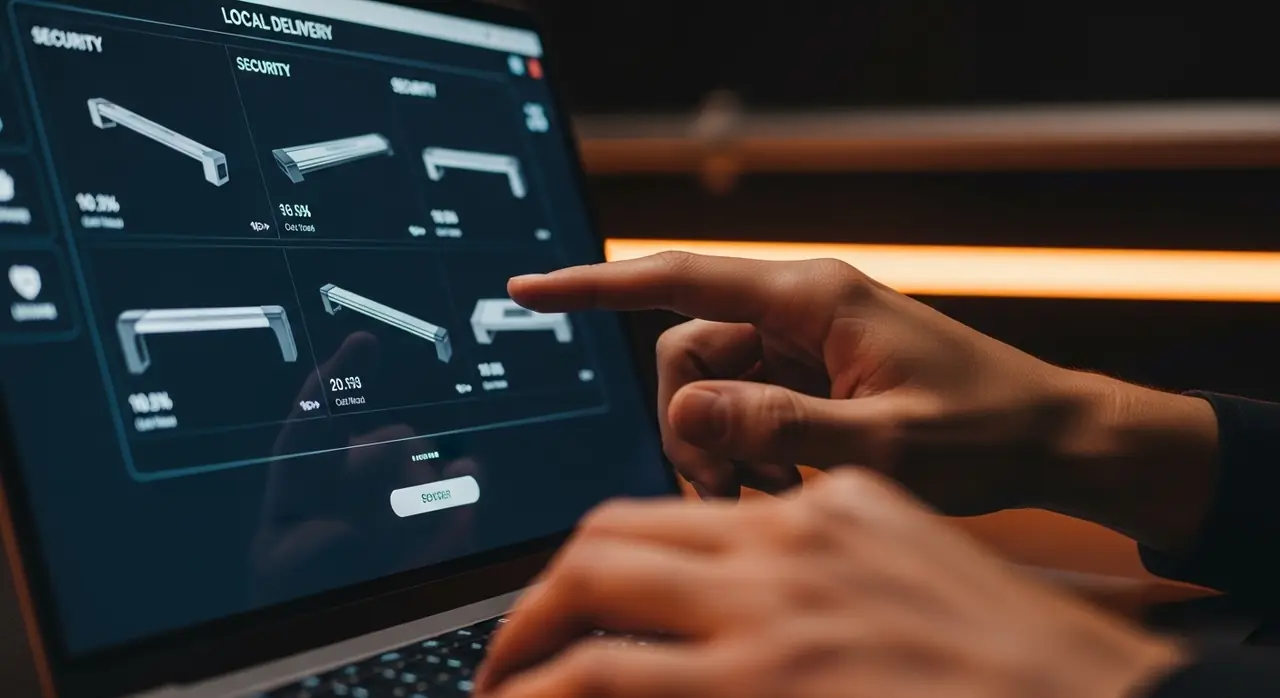
After 12 years and 34 product tests, I've seen the same mistake repeatedly: homeowners buy a door security bar that looks right in the photo, install it incorrectly, test nothing, and call it done. That's not security — it's security theater with a receipt. A wrong bar at the wrong angle gives you false confidence in the worst possible moment. This guide takes 9 minutes to read and saves you from that outcome.
Quick Answer
Choose based on 5 criteria: (1) Steel material — 16-gauge, magnetic, rated 900+ lbs. (2) Adjustable range — covers your handle height at 40–45°. (3) 360° swivel rubber foot. (4) Positive-lock collar. (5) Quick-release if it's a bedroom/egress door. The SWB Model A meets all five at ~$90.
Marcus Reid · IDA Certified Security Consultant
12 years specifying physical security. 34 door bar products tested. Has purchased and tested products from Amazon, hardware stores, and specialty security suppliers — the results inform these 5 criteria.
The 5 Questions — In Order of Importance
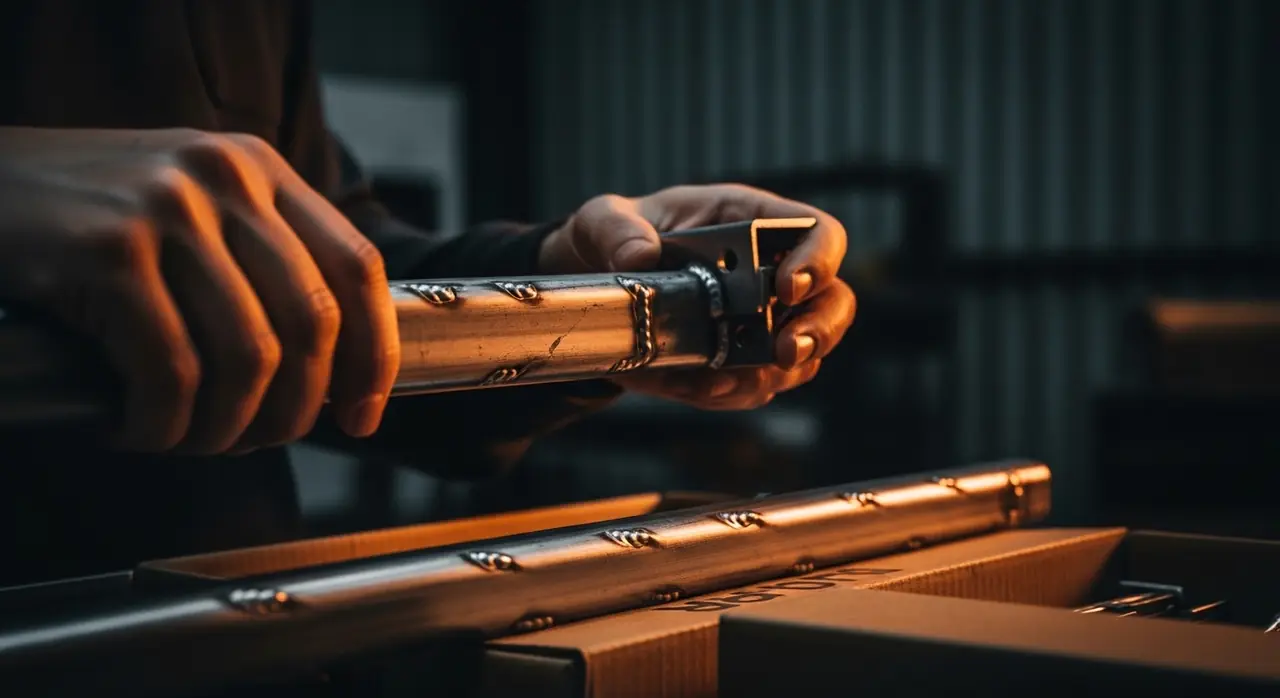
Is it 16-gauge cold-rolled steel?
This is non-negotiable. Everything else is secondary. 16-gauge steel holds 1,100 lbs. Aluminum holds 380 lbs. Test it: the product must be magnetic (aluminum is not) and you must not be able to dent the tube wall with thumb pressure.
Red flags: "steel alloy," "reinforced steel," "heavy duty steel" without specifying gauge. If the gauge isn't listed, assume it's not 16-gauge.
Does the adjustable range cover my door at 40–45°?
Calculate: handle height × 1.414 = required bar length at 45°. Most US residential handles: 34–38 inches → required bar: 48–54 inches. A bar adjustable from 17.5"–47.5" covers nearly all standard doors. If your handles are 40+ inches, you may need to angle slightly shallower (40°).
Red flags: fixed-length bars, maximum extension under 45 inches for standard residential use.
Does it have a 360° swivel rubber foot?
A swivel foot contacts the floor flat at any angle, maximizing grip area. A fixed foot only contacts properly at one specific angle — minor variation reduces grip by 15–25%. Rubber must be high-density — soft foam compresses and allows foot movement under sustained force.
Red flags: fixed rubber foot, bare metal foot, soft foam padding.
Is the telescopic collar positive-lock (not friction-only)?
A positive-lock collar requires deliberate rotational force to release. A friction-only collar can slip under vibration — specifically the horizontal vibration from repeated kicks. Test it: lock the collar, then try to rotate it without deliberate force. If it moves at all, return the product.
Red flags: collar that spins easily when locked, no specification of collar type in product listing.
Is this an egress door? (If yes: quick-release required)
Any door a household occupant might need to use in an emergency = egress door. Bedrooms, ground-floor exterior doors, any door to outside = always egress. IBC 2021 and NFPA 101 require egress doors to release with a single motion, without tools, at ≤15 lbs of force. Non-compliant bar on an egress door = fire hazard.
Red flags: standard bar on a bedroom door, no quick-release specification for egress applications.
The Decision Matrix

| Your Situation | Bar Type | SWB Model |
|---|---|---|
| Renter, any door | Telescopic floor bar | Model A |
| Bedroom door (egress) | Quick-release bar | Model A/EXIT |
| Front door, homeowner | Floor bar + frame kit | Model A + kit |
| Back door, homeowner | Barricade or floor bar | Model A or Model B |
| Commercial back entry | Heavy barricade | Model B |
SWB Model A — Meets All 5 Criteria
16-gauge steel ✓ · 17.5"–47.5" range ✓ · 360° swivel rubber foot ✓ · Positive-lock collar ✓ · ~$90.
View Model A →SWB Model A/EXIT — Egress Compliant
All criteria above + IBC 2021 / NFPA 101 quick-release · For any egress door. ~$92.
View Model A/EXIT →FAQ
What should I look for when choosing?
5 criteria: 16-gauge steel, adjustable range covering your handle height at 40–45°, 360° swivel rubber foot, positive-lock collar, and quick-release mechanism if it's an egress door.
Is more expensive always better?
No. The $25 aluminum bar fails at 380 lbs. The $90 steel bar holds at 1,100 lbs. There's no meaningful security difference between a $90 and $200 floor-brace bar — extra cost buys aesthetics, not security.
What's the single most important feature?
Steel gauge — specifically 16-gauge cold-rolled steel. This single specification determines whether the bar holds or deforms. If the listing doesn't specify 16-gauge, assume it doesn't meet the standard.
Related
Marcus Reid · IDA Certified
12 years residential security specification · 34 door bar products tested · These 5 criteria derived from force-test results, not manufacturer claims.