How to Secure a Vacation Rental Property: Window & Door Checklist
Leaving your vacation rental property unattended -- whether for two weeks between Airbnb bookings or seven months during the off-season -- requires a systematic security checklist that covers windows, doors, smart home devices, neighbor coordination, insurance documentation, and property management. Skipping even one step can leave a gap that turns a secured property into an easy target.
This guide provides the complete pre-departure checklist we recommend to every vacation property owner. Each step is actionable, ordered by priority, and designed to take minimal time. Print this checklist, tape it to your closet door, and run through it every time you leave.
Step 1: Window Hardening
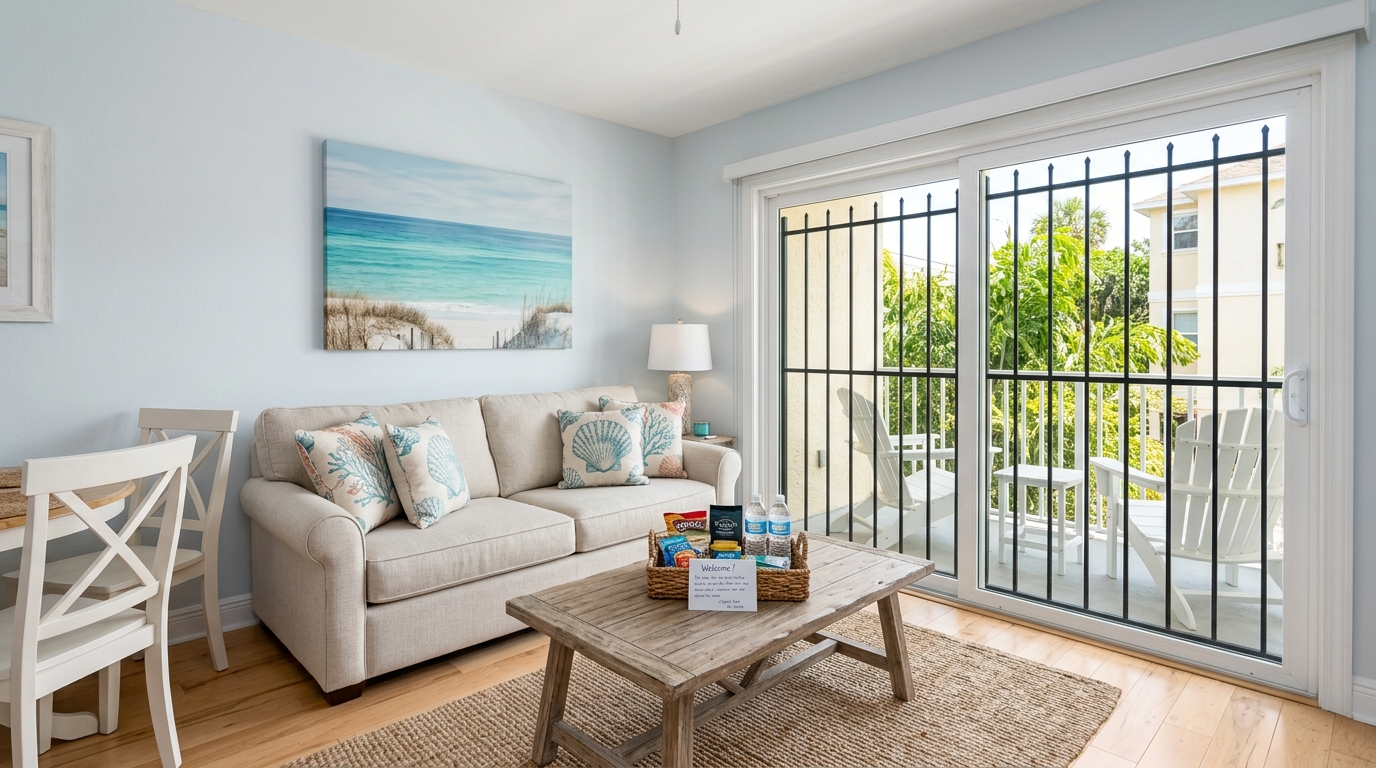
Windows are the most common entry point for burglars at vacation properties. They are easier to force than doors, they can be broken quietly with a towel-wrapped elbow, and the broken glass is often attributed to weather or accidents when the break-in is finally discovered weeks later. Hardening your windows is step one because it addresses the highest-probability entry vector.
Install Window Security Bars
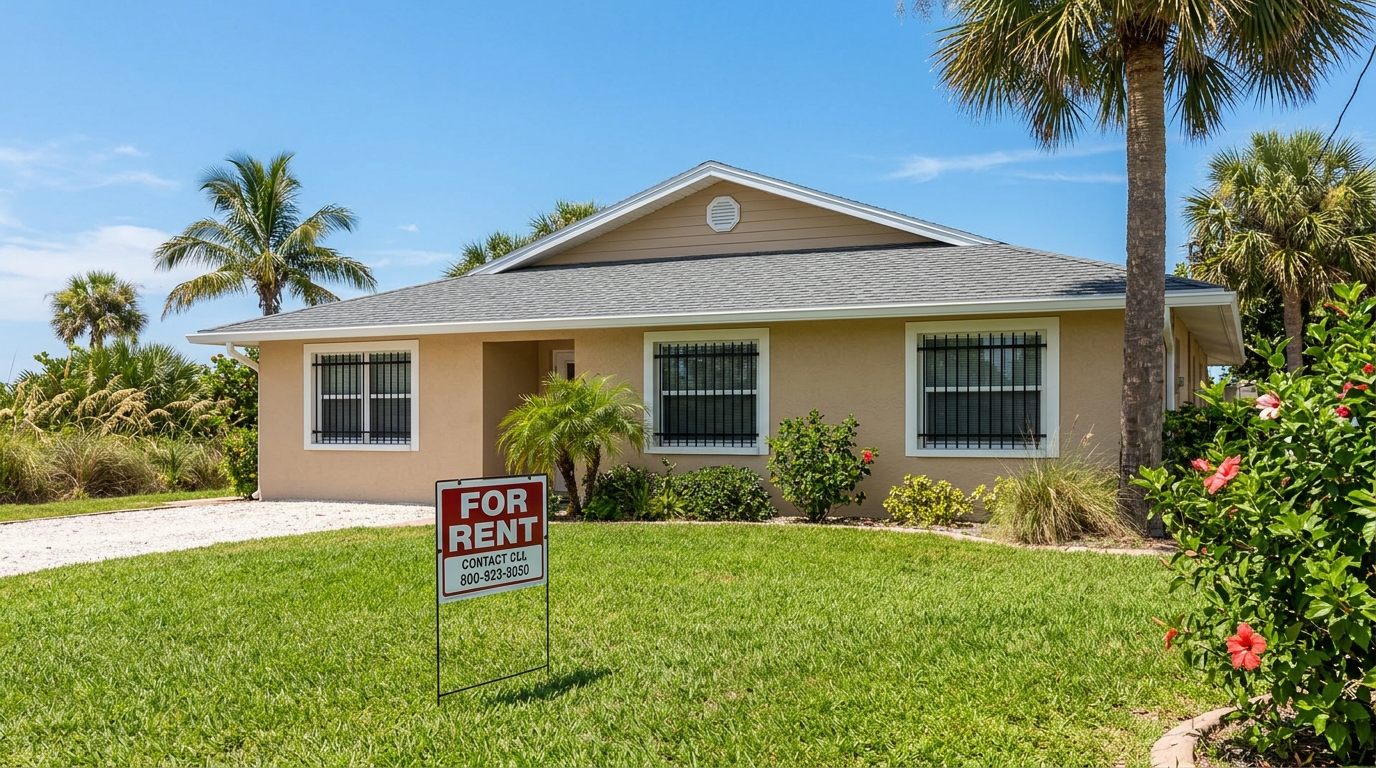
Steel window bars are the most effective single measure you can take. The SWB Model A (~$90) installs in minutes with a bracket system that lets you snap the bars in before departure and remove them when you return.
Window bar checklist:
- Install bars on all ground-floor windows facing sides, rear, and any areas not visible from the street
- Install bars on any upper-floor windows accessible from balconies, decks, adjacent roofs, or trees
- Use egress-compliant bars (Model A/EXIT) on bedroom windows if anyone may sleep in the property between now and your return
- After snapping each bar into its brackets, tug firmly to verify the engagement is complete and the bar is seated securely
- Check that anti-tamper fasteners on all brackets are tight and have not loosened since last installation
Lock All Windows
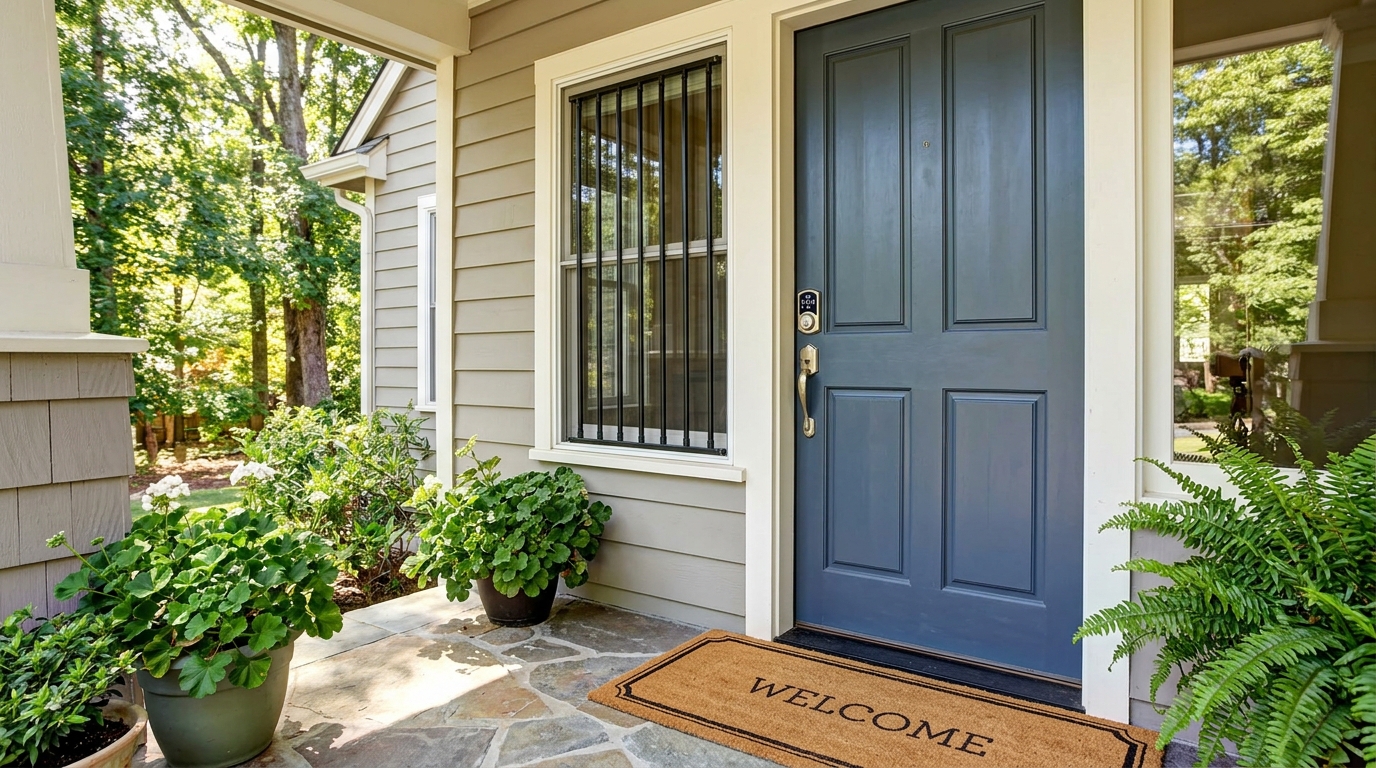
Window bars are the primary barrier, but locked windows add a second layer that forces a burglar to break glass -- creating noise and leaving evidence.
- Close and latch every window, including those with bars
- Engage secondary locks if available (window pins, sash locks, key locks)
- For double-hung windows, drill a small hole through the inner sash into the outer sash and insert a nail or window pin to prevent the window from being pried open
- For casement windows, verify the crank handle locks in the closed position
Secure Window AC Units

Window-mounted air conditioning units create a security gap. An unsecured unit can be pushed inward from outside, creating an entry point.
- If the AC will not be needed during vacancy, remove it and close/lock the window
- If the AC must stay, install L-brackets securing the unit to the window frame from the inside
- Install a window bar or security bracket across the window above or below the unit
For more on window-specific security measures, see our best window security bars for homes guide.
Step 2: Door Security
After windows, doors are the second most common entry point. A vacation property may have a front door, back door, garage entry door, and one or more sliding glass doors -- each one a potential vulnerability.
Front and Back Doors
- Engage the deadbolt on every exterior door. A deadbolt in the locked position is ten times harder to force than a spring latch alone.
- Verify strike plate security -- the strike plate should be attached with 3-inch screws that reach the wall studs, not the short screws that come with most locksets
- Check door frame condition -- a rotted or soft door frame can be kicked through regardless of the lock. Replace deteriorated frames before departure.
- Install a door reinforcement plate around the deadbolt if the door is wood -- this distributes kick-in force across a larger area
- Do not hide spare keys outdoors. Under the mat, in the fake rock, above the doorframe, and inside the grill are the first places a burglar checks. Leave a spare key with a trusted neighbor instead.
Garage Doors
- Lock the garage door manually -- engage the slide bolt or padlock in addition to the automatic opener
- Unplug the garage door opener -- this prevents a thief from using a universal remote or frequency scanner to open the door
- Secure the interior door from garage to house with a deadbolt -- many homeowners leave this door unlocked, creating easy interior access once the garage is compromised
- Cover garage windows -- do not let people see what is inside (tools, bikes, vehicles that signal the home is occupied or vacant)
Side and Service Doors
- Check basement exterior doors for deadbolt engagement
- Verify crawl space access doors are locked or screwed shut
- Lock any shed or outbuilding doors that contain tools (tools can be used to break into the main house)
Step 3: Sliding Door and Patio Security
Sliding glass doors are among the weakest points in any home's security. The standard latch on most sliding doors can be defeated with a flathead screwdriver in seconds. Vacation homes -- especially those near water, with mountain views, or in warm climates -- almost always have large sliding glass doors that are security liabilities.
Sliding Door Checklist
- Install a security bar or rod in the track -- a cut-to-length steel rod or commercial track bar prevents the door from being slid open even if the latch is defeated. For more detail, see our sliding glass door security bar guide.
- Install modular window security bars across the glass panels -- the SWB Model A mounts in a modular stack configuration that covers wide sliding door openings
- Add anti-lift screws in the upper track -- these prevent the door from being lifted off its track from outside (a common forced entry technique)
- Apply security film to the glass if budget allows -- this does not prevent entry but delays it by holding shattered glass together
- Close curtains or blinds -- do not let anyone see through the sliding door to assess what is inside and whether anyone is home
French Doors and Patio Doors
- Verify both the active and inactive door leaves are secured with deadbolts and flush bolts
- Check hinge pins -- if hinges are on the exterior, install hinge pin locks to prevent pin removal
- Install a security bar or board across the interior of double doors for additional kick-resistance
Step 4: Smart Home Setup for Vacancy
Smart home technology supplements physical security by simulating occupancy and providing remote visibility. It should never be your only security layer, but it adds value when combined with physical barriers like window bars.
Lighting
- Program smart bulbs or timers in 2-3 rooms on randomized schedules. Avoid the same on/off pattern every day -- burglars recognize timer patterns.
- Vary the rooms -- kitchen light on from 6-8pm one day, bedroom light on from 9-11pm the next. Randomization simulates real occupancy.
- Exterior motion-sensor lights -- ensure they are functional and that bulbs are fresh. Motion-activated lighting is a strong deterrent for opportunistic burglars.
Cameras
- Verify camera batteries are charged or hardwired power is connected
- Confirm cloud recording subscription is active for the vacancy period
- Test cellular backup if the primary internet connection is unreliable
- Set motion alert sensitivity to reduce false alarms (animals, wind, shadows)
- Share camera access with a trusted local contact who can respond to alerts
Thermostat and Environmental Sensors
- Set thermostat to maintain minimum temperature above freezing (55F minimum in cold climates) to prevent frozen pipes
- Install water leak sensors near water heater, washing machine, and under sinks
- Set temperature alerts for both extreme cold and extreme heat (indicates HVAC failure)
Smart Plugs and Audio
- A radio or TV on a smart plug that turns on at random intervals creates the impression of activity inside the home
- Program the smart plug with a randomized schedule that changes daily
Step 5: Exterior Appearance Management
The exterior of your property tells a story. An empty story invites break-ins. A lived-in story deters them. Managing exterior appearance during vacancy is one of the most effective and least expensive deterrence strategies.
Landscaping
- Arrange regular mowing/yard maintenance throughout the vacancy period. An overgrown lawn is the single strongest visual signal of an empty home.
- In winter: arrange snow removal from the driveway and walkways. Unshoveled snow is an unmistakable vacancy indicator.
- Trim hedges and bushes near windows before departure. Overgrown landscaping provides concealment for a burglar working on a window.
Mail and Deliveries
- Hold mail through USPS (free for up to 30 days, extended hold available for up to 6 months)
- Stop newspaper delivery if applicable
- Cancel recurring deliveries (subscription boxes, water delivery, etc.)
- Ask a neighbor to collect any packages that arrive unexpectedly
Vehicle and Driveway
- If possible, leave a vehicle in the driveway. Even an old car signals that someone may be home.
- If no vehicle is available, ask a neighbor to park in your driveway occasionally
- Keep trash cans in their normal position for collection day -- empty cans left at the curb for weeks signal vacancy
Step 6: Neighbor and Community Watch
Your neighbors are your most valuable security resource when you are away. A neighbor who knows you are gone and watches for unusual activity provides something no technology can: a local human who can respond immediately.
Neighbor Coordination Checklist
- Inform 1-2 trusted neighbors of your departure and expected return dates
- Exchange cell phone numbers and establish an agreement to call if anything looks wrong
- Provide a spare key to a trusted neighbor in case emergency access is needed (plumber, fire department, police)
- Give neighbors permission to park in your driveway, use your trash cans on collection day, or collect packages
- Ask them to report any unfamiliar vehicles parked near your property or people on your property
Law Enforcement Programs
- Register with your local police department's vacation check program -- many departments offer periodic drive-by checks for registered vacant properties at no cost
- Provide the police non-emergency line number to your neighbor contact so they know who to call
- In gated or resort communities, inform the HOA office and/or security gate staff of your vacancy dates
Step 7: Property Management Coordination
If you use a property management company for your vacation rental, they should be an active participant in your security protocol -- not just a booking and cleaning service.
What Your Property Manager Should Do
- Install/remove window bars between guest bookings if you are not local to do it yourself. The SWB Model A bracket system is simple enough for any property manager or cleaning crew member to operate -- 1-2 minutes per window.
- Walk the exterior during each turnover visit and report any signs of attempted entry (scratched locks, disturbed window screens, broken landscaping near windows)
- Verify all doors and windows are locked after cleaning and before leaving the property empty
- Check smart home devices -- verify cameras are recording, lights are programmed, thermostat is set
- Report maintenance issues that create security vulnerabilities -- rotted door frames, broken window latches, failed exterior lighting
Vacancy Period Visits
For extended vacancy periods (off-season), schedule property management visits at least twice per month. Each visit should include:
- Full exterior walk-around
- Interior check for water leaks, pest intrusion, HVAC function
- Verification that all security measures are intact (bars seated in brackets, doors locked, alarm armed)
- Photo documentation sent to you by text or email
Step 8: Insurance Documentation
Proper documentation before departure protects you financially if something does go wrong during vacancy. Many vacation home insurance claims are complicated or denied because the homeowner could not demonstrate they took reasonable security precautions.
Pre-Departure Documentation
- Photograph every window with security bars installed -- date-stamped photos on your phone work
- Photograph all locked doors showing deadbolts in the locked position
- Take a video walkthrough of the entire property showing the current condition and all security measures in place
- Keep purchase receipts for all security products (window bars, locks, cameras, alarm systems)
- Save product specification sheets for window bars showing steel grade, mounting method, and compliance certifications
- Record the serial numbers of high-value items left in the property (electronics, appliances)
Insurance Policy Review
- Read your vacancy clause -- know how many days of vacancy your policy allows before coverage is reduced
- Verify coverage is active for the full vacancy period
- Confirm your deductible amount and understand what is and is not covered during vacancy
- Ask your agent about security measure discounts -- window bars, deadbolts, and alarm systems may qualify for 2-10% premium reductions
- Understand your claim reporting window -- some policies require claims to be filed within a specific period from the date of the event, not the date of discovery
For more on how window bars interact with insurance, see our vacation home window security guide.
The Master Departure Checklist
Here is the complete checklist consolidated into a single reference. Run through it every time you leave your vacation property.
Windows (15-20 minutes total)
- Install security bars on all ground-floor and accessible windows
- Verify egress bars (A/EXIT) on bedroom windows if property may be occupied before return
- Close and latch every window
- Engage secondary window locks (pins, sash locks)
- Secure or remove window AC units
- Close blinds/curtains on all windows
Doors (10 minutes total)
- Deadbolt all exterior doors (front, back, side, basement)
- Lock garage door manually and unplug opener
- Deadbolt interior door from garage to house
- Install track bars in all sliding glass door rails
- Install security bars on sliding glass door panels
- Secure shed and outbuilding doors
- Remove spare keys from outdoor hiding spots
Technology (10 minutes total)
- Program lights on randomized timer schedules
- Verify camera system is recording and cloud storage is active
- Test alarm system and confirm monitoring center receives signal
- Set thermostat to safe minimum (55F in cold climates)
- Enable water leak and temperature alerts
- Set smart plug for radio/TV on random schedule
Exterior (5 minutes + pre-arranged services)
- Arrange ongoing landscape maintenance
- Hold mail through USPS
- Cancel recurring deliveries
- Leave a vehicle in the driveway if possible
- Verify exterior motion-sensor lights are working
People (before departure day)
- Notify 1-2 trusted neighbors with your contact info
- Leave a spare key with a neighbor
- Register with police vacation check program
- Brief property manager on security protocol
- Schedule bi-monthly property management visits for extended vacancy
Documentation (5 minutes)
- Photograph all windows with bars installed (date-stamped)
- Photograph all locked doors
- Take video walkthrough of property condition
- Verify insurance coverage is active for vacancy period
- Store documentation in cloud (Google Drive, iCloud, Dropbox)
Total time for the complete checklist: approximately 45-60 minutes (assuming window bar brackets are already installed). This is less than an hour to protect a property worth hundreds of thousands of dollars during months of vacancy. It is the best investment of time you will make on departure day.
Frequently Asked Questions
What is the most important thing to do before leaving a vacation rental empty?
The single most important step is securing all windows with steel security bars, particularly ground-floor and accessible windows. Windows are the most common break-in entry point at vacant properties, and steel bars are the only measure that physically prevents entry regardless of whether the property has power, internet, or anyone monitoring it. After windows, deadbolting all exterior doors and notifying a trusted neighbor are the next highest-priority actions.
How long does the full departure security checklist take?
The complete departure security checklist takes approximately 45-60 minutes if window bar brackets are already installed. This includes installing bars on all windows (15-20 minutes using the snap-in bracket system), securing all doors (10 minutes), configuring smart home devices (10 minutes), documenting everything with photos (5 minutes), and verifying exterior appearance (5 minutes). Neighbor coordination and property management arrangements should be handled in the days before departure, not on departure day.
Should I leave lights on at my vacation home while I am away?
Yes, but use randomized smart timers rather than leaving lights on continuously or on a fixed schedule. A light that turns on at exactly 6pm and off at exactly 11pm every night is obviously on a timer. Smart bulbs or plug timers with randomization features vary the on/off times by 15-30 minutes and alternate which rooms are lit on different nights, creating a more convincing impression of occupancy. Program 2-3 rooms on different schedules for the most realistic effect.
Can my property manager install and remove window security bars?
Yes. Once the mounting brackets are installed (a one-time 15-minute-per-window task), the bar units snap in and out in 1-2 minutes per window. No tools are required for the snap-in/removal step. Any property manager, cleaning crew member, or handyman can handle this. Brief them once on the process -- it is as simple as lifting the bar into the brackets and pressing until it clicks into position. This makes the between-booking security protocol practical even when you are not local.
What should I do if my vacation home has been broken into?
If you discover or are notified of a break-in at your vacation home, follow these steps in order: (1) Call local police and file a report -- do this before entering or touching anything so evidence is preserved. (2) Contact your insurance company to begin the claim process. (3) Arrange emergency boarding of any broken windows or doors to prevent weather damage and further entry. (4) Travel to the property or send your property manager to document the damage with photos and video. (5) Make a detailed list of stolen or damaged property. (6) Review camera footage if available. Do not clean up or repair anything until the police and your insurance adjuster have documented the scene.