Do You Need a Permit to Install Window Security Bars?
In most US jurisdictions, installing window security bars on a residential property does not require a building permit — but there are important exceptions that depend on your location, the type of installation, and whether the building is a rental or commercial property. The short answer is that simple frame-mount installations on owner-occupied homes are generally permit-free, while masonry-mount installations, commercial properties, historic districts, and rental properties may require permits, inspections, or landlord approval. Getting this wrong can result in fines, forced removal, or code violations on your property record.
This guide breaks down exactly when a permit is and is not required, how to find out the rules in your specific city, and how to install window security bars without running into code enforcement problems.
The General Rule: When Permits Are and Are Not Required
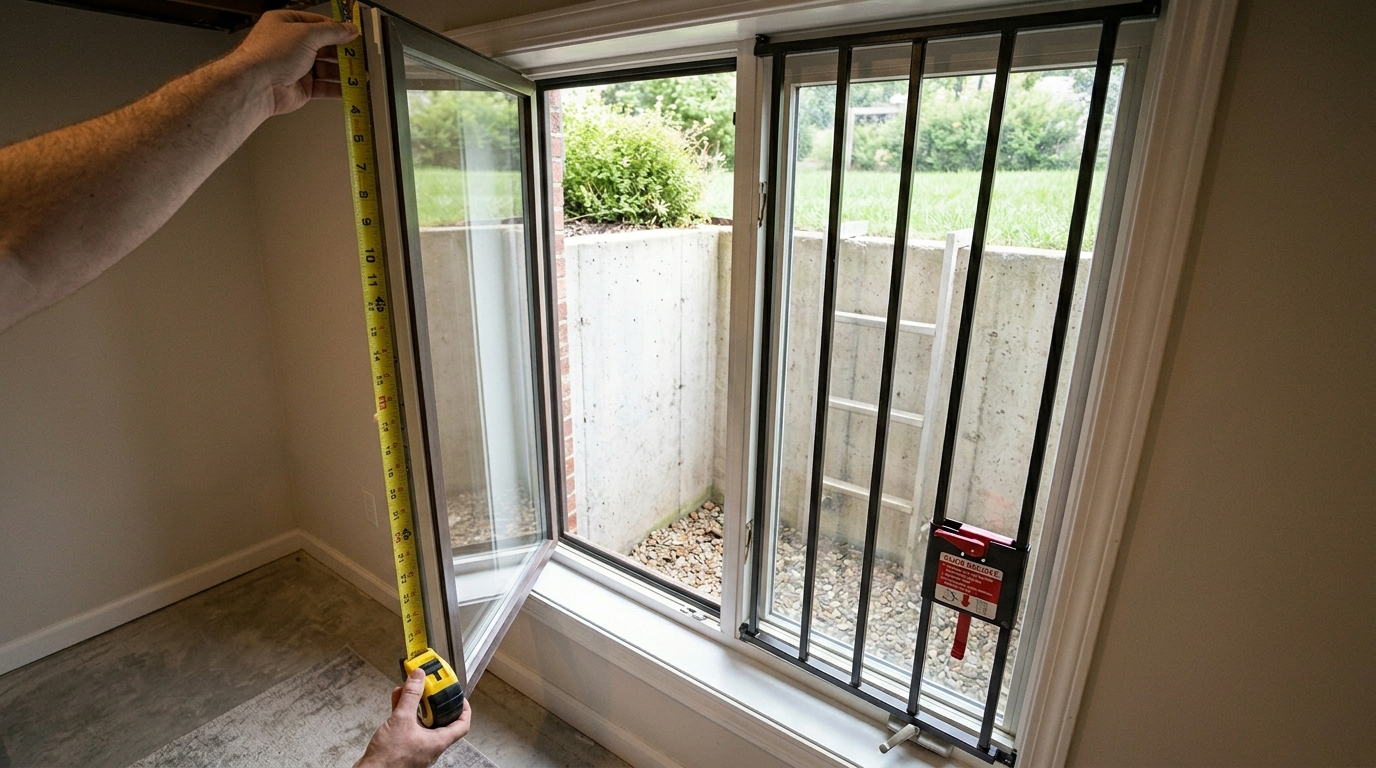
Building permits exist to ensure that structural modifications meet safety codes. The key question for window security bars is whether the installation constitutes a structural modification — and in most cases, it does not.
Permit Typically NOT Required

- Frame-mount security bars that attach to the window frame with screws (like the SWB Model A)
- Interior-mount bars that do not modify the exterior appearance of the building
- Tension-fit or removable bars that make no permanent modification to the structure
- Single-family owner-occupied homes in most jurisdictions
Permit May Be Required
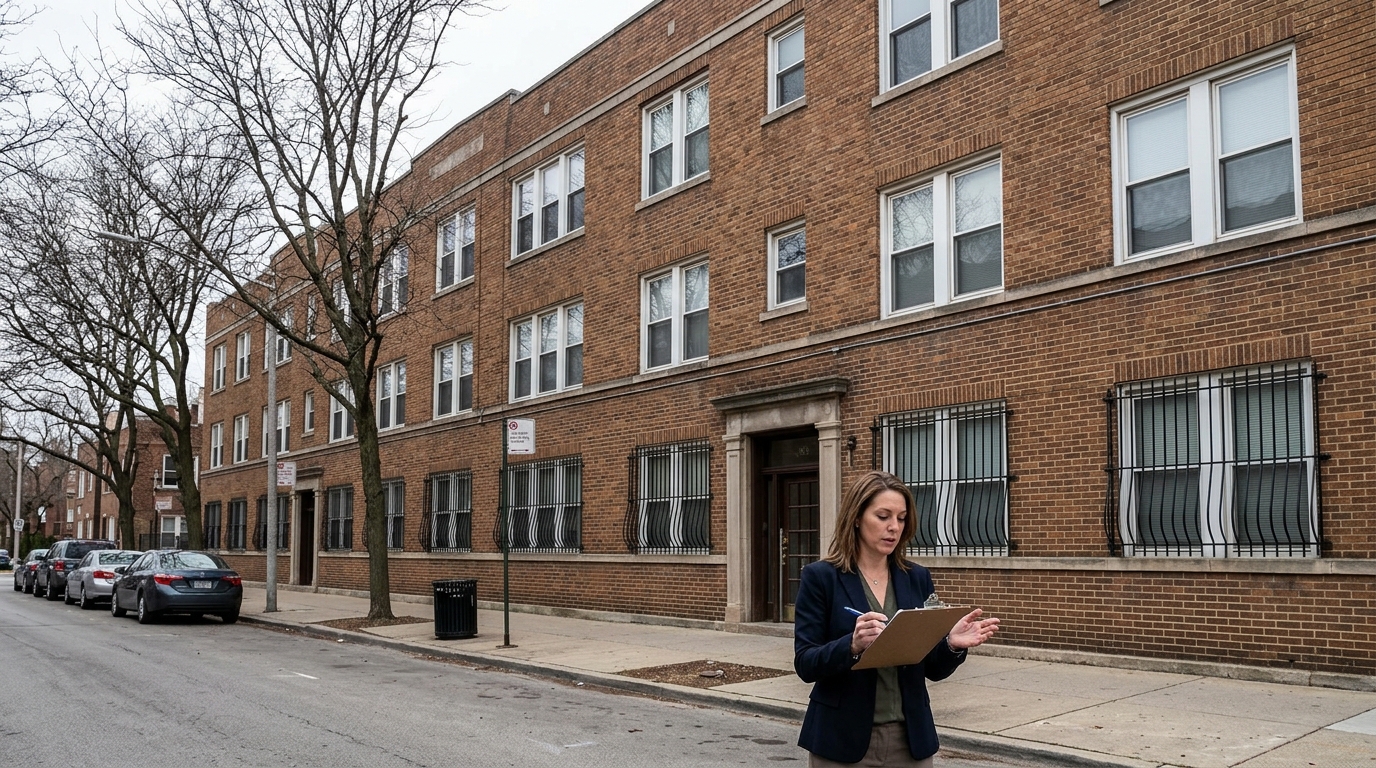
- Masonry-mount installations that drill into brick, concrete, or stone walls
- Commercial properties subject to commercial building codes
- Multi-family buildings (4+ units) in jurisdictions with enhanced building codes
- Exterior modifications in historic districts subject to design review
- Installations that alter the building's fire egress plan
- Properties in cities with specific window bar ordinances (some municipalities have them)
The critical takeaway: the installation method matters more than the product itself. A frame-mount installation using screws is generally treated as a minor home improvement. A masonry-mount installation that drills into structural walls may cross the threshold into permitted work depending on your jurisdiction.
Residential Owner-Occupied Properties

If you own and live in a single-family home, you are in the simplest regulatory category. Most cities exempt minor home improvements from permit requirements, and frame-mount window bar installation falls squarely in this category.
What you still need to comply with regardless of permit status:
- Egress requirements — bars on bedroom windows must have quick-release mechanisms (SWB Model A/EXIT)
- Property line setbacks — exterior-mount bars cannot protrude beyond your property line into public right-of-way
- HOA covenants — if your property is in an HOA, check the CC&Rs for exterior modification restrictions
In practice, the vast majority of homeowners install window security bars on their own homes without permits and without any code issues. The installation is comparable to installing a storm door, a mailbox, or a fence section — minor improvements that most cities do not regulate. For details on the legal landscape across all 50 states, see our complete legal guide to window bars.
Rental Properties and Landlord Requirements
Rental properties face additional scrutiny because modifications affect both the property owner and the tenant, and because rental housing is subject to habitability and safety codes that do not apply to owner-occupied homes.
If You Are a Landlord
Before installing window bars on a rental property:
- Check local rental housing codes — some cities require permits for any modification to rental housing
- Use egress-compliant bars on ALL windows — not just bedrooms. Some rental codes extend egress requirements to every habitable room
- Document the installation — photograph the bars, keep receipts, and note the egress compliance of each unit
- Notify tenants in writing about the quick-release mechanism and how to operate it
For a complete guide to landlord responsibilities, see our post on window bars for landlords and fire code compliance.
If You Are a Tenant
As a tenant, you generally need written landlord permission before making any modifications to windows, including installing security bars. Even removable, damage-free installations should be cleared with your landlord first. Many landlords are receptive to security improvements — especially if you offer to use the no-drill installation method that leaves no permanent marks.
Commercial and Multi-Family Buildings
Commercial properties are subject to stricter building codes than residential homes, and permits are more commonly required for modifications. If you operate a retail storefront, office, or multi-family building, check with your local building department before installing.
Common commercial requirements:
- Building permit for exterior modifications
- Fire department review or sign-off for any device affecting egress
- ADA compliance verification (bars must not reduce accessible entry door width below 32 inches)
- Occupancy certificate update if the building's fire safety plan is affected
The permit process for commercial bar installation is typically straightforward — submit a simple application describing the product, mounting method, and egress compliance. Most jurisdictions process these within 1-2 weeks.
Historic Districts and HOA Restrictions
Properties in designated historic districts face the most restrictive regulations. Exterior modifications — including window security bars — often require design review board approval. The review process evaluates whether the modification is visually compatible with the historic character of the district.
Strategies for historic district properties:
- Interior-mount bars avoid exterior modification restrictions entirely since they are not visible from outside
- Black powder-coated bars (like SWB products) are more likely to receive approval than bright or contrasting colors
- Clean, vertical-line designs are more compatible with historic architecture than ornamental scroll-work
HOA restrictions operate similarly but are governed by your community's CC&Rs (Covenants, Conditions, and Restrictions) rather than municipal code. Review your HOA documents before installing exterior-visible bars, or choose an interior mount to avoid the issue entirely.
Fire Code Requirements That Apply Regardless of Permits
Whether or not a building permit is required for your installation, fire code compliance is always mandatory. This is the part that matters most.
- IBC Section 1030 — every bedroom window and designated emergency escape opening must remain operable from the inside without tools or keys
- NFPA 101 — bars, grilles, and grates on egress windows must have interior quick-release mechanisms
- Violations carry real consequences — fines of $250-$1,000+ per window, insurance claim denial, and potential civil or criminal liability
The solution is simple: use SWB Model A/EXIT bars on every bedroom window and every window in your building's fire safety plan designated as an emergency escape. At $92 per unit — just $2 more than the standard Model A — there is no justification for non-compliance. For the full breakdown, see our state-by-state legal guide.
How to Check Your Local Requirements in 5 Minutes
Here is the fastest way to confirm whether your city requires a permit for window security bar installation:
- Call your local building department. Every city and county has one. Google "[your city] building permit office phone number." Call and ask: "Do I need a permit to install security bars on my residential windows using frame-mount screws?" You will have your answer in under two minutes.
- Check your city's website. Many cities publish lists of improvements that do and do not require permits. Look for "minor home improvements" or "exempt work" lists.
- If you rent: Ask your landlord in writing (email creates a paper trail) before installing anything.
- If you are in an HOA: Check your CC&Rs or email the HOA management company.
- If you are in a historic district: Contact your local Historic Preservation Commission.
When in doubt, make the call. Five minutes on the phone prevents potential fines, forced removal, and code violations on your property record. The building department staff answer these questions every day — you are not bothering them.
Frequently Asked Questions
Can I install window bars without a permit in my state?
In most US states, frame-mount window bar installation on owner-occupied residential properties does not require a building permit. However, permit requirements are set at the city and county level, not the state level, so the rules vary by jurisdiction. The only way to confirm is to call your local building department. Masonry-mount installations, commercial properties, and historic districts are more likely to require permits than standard residential frame-mount jobs.
What happens if I install window bars without a required permit?
Installing without a required permit can result in a code violation notice, a fine (typically $100-$500 for a first offense), and an order to either obtain a retroactive permit or remove the bars. Unpermitted work can also create problems when selling the property, as home inspectors flag unpermitted modifications. In practice, enforcement for simple residential window bar installations is rare, but the risk is not worth taking when a permit — if required — typically costs $25-$75 and takes 1-2 weeks to process.
Do window bars need to be inspected after installation?
If a permit was required and issued, an inspection is typically part of the process. The inspector verifies that the bars are properly mounted and that egress compliance is maintained on bedroom and emergency escape windows. If no permit was required, no inspection is needed. However, if you are a landlord, your rental property may be subject to periodic housing inspections that include checking window bar egress compliance.
Does installing window bars affect my homeowner's insurance?
Window security bars generally do not negatively affect homeowner's insurance and may qualify you for a security discount. Some insurers offer 2-5% premium reductions for physical security measures. However, if non-compliant bars (without quick-release) are installed on egress windows and contribute to injury during a fire, the insurer could deny related claims. Always use egress-compliant bars like the SWB Model A/EXIT on bedroom windows to maintain full insurance coverage.
Do I need landlord permission to install window bars in my apartment?
Yes. As a tenant, you need written landlord approval before modifying windows in any way. Even no-drill, removable installations should be cleared first. Present your landlord with the specific product you plan to install, explain that it is removable and will not damage the window frame, and offer to use egress-compliant bars. Most landlords approve security improvements that do not cause permanent damage — especially since better-secured units attract and retain tenants.