Are Window Bars Legal in My State? A State-by-State Guide (2026)
Yes, window bars are legal in all 50 U.S. states, but every state enforces its own fire and building codes that regulate how they can be installed. The key legal requirement nationwide is egress compliance: any window bar on a bedroom or sleeping-area window must include a quick-release mechanism that allows occupants to escape during a fire without tools, keys, or special knowledge. Violating these codes can result in fines, failed inspections, and serious liability if someone is injured.
That single paragraph answers the core question, but the details matter enormously depending on where you live. Fire marshals in New York City enforce rules that differ from those in rural Texas. California has its own residential code amendments. Florida ties window bar regulations to hurricane-shutter permits. If you are a homeowner, landlord, or renter considering window bars, you need to know exactly what your state and municipality allow before a single bracket goes up.
This guide breaks down the legal landscape across the United States, explains the federal and model codes that form the baseline, and walks you through the specific regulations in the states with the strictest rules. By the end, you will know precisely what is required to install window bars legally wherever you are.
The Federal Baseline: Model Codes That Apply Everywhere
There is no single federal law that governs window bars on residential properties. Instead, the United States relies on model codes that individual states and municipalities adopt, sometimes with local amendments. Understanding these model codes gives you the baseline that applies almost everywhere.
International Residential Code (IRC)
The IRC is the most widely adopted residential building code in the country. Nearly every state uses it as the foundation for local building regulations. Section R310 of the IRC sets the emergency escape and rescue opening (EERO) requirements for sleeping rooms:
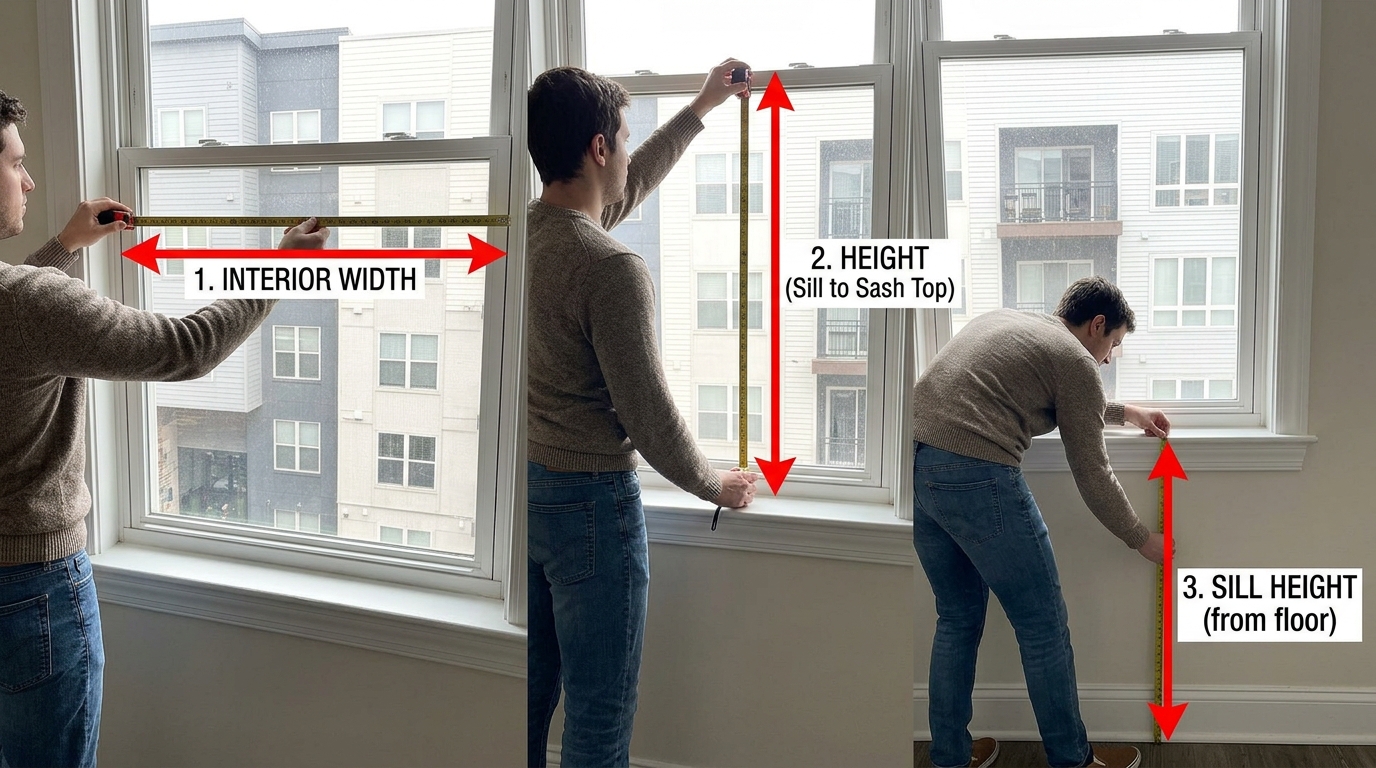
- Every bedroom must have at least one operable window that provides a minimum of 5.7 square feet of clear opening.
- The minimum width of the opening must be 20 inches.
- The minimum height must be 24 inches.
- The sill height cannot exceed 44 inches above the finished floor.
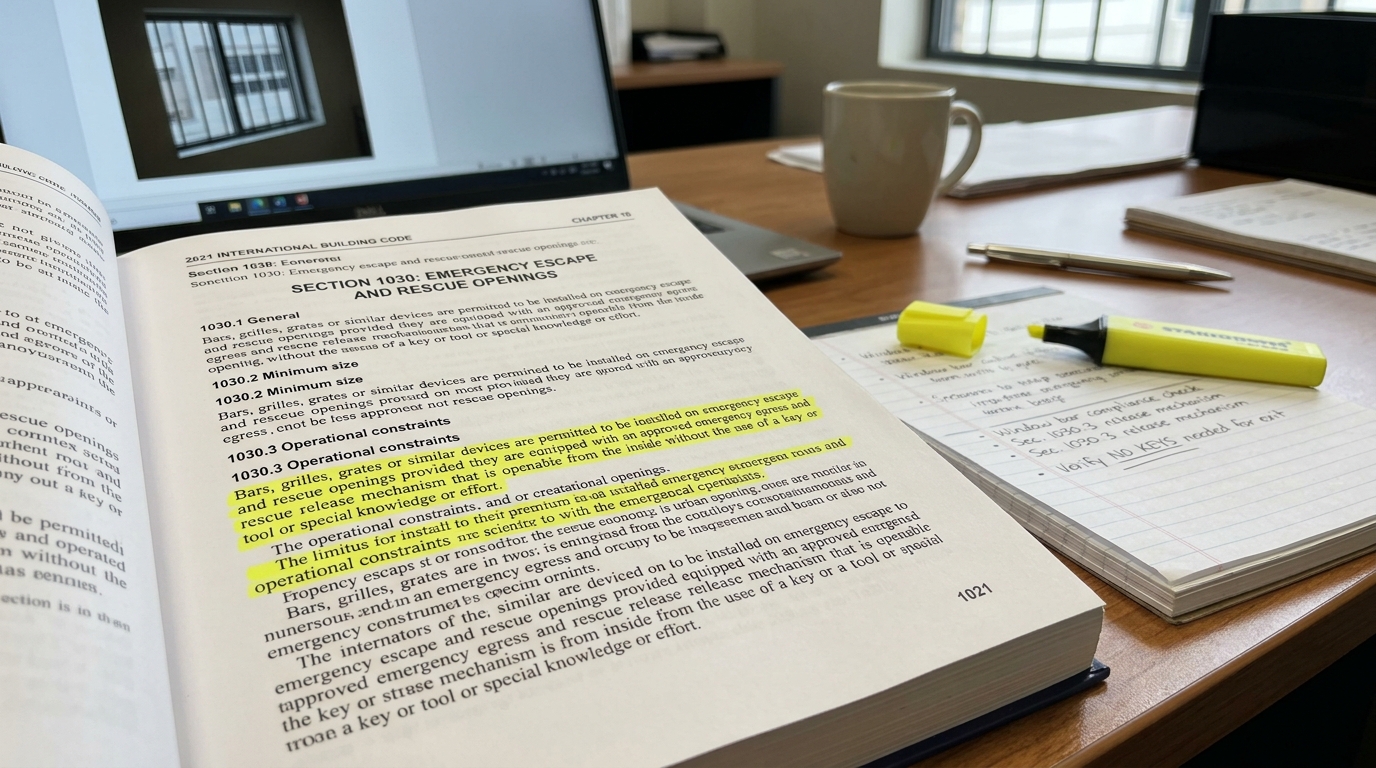
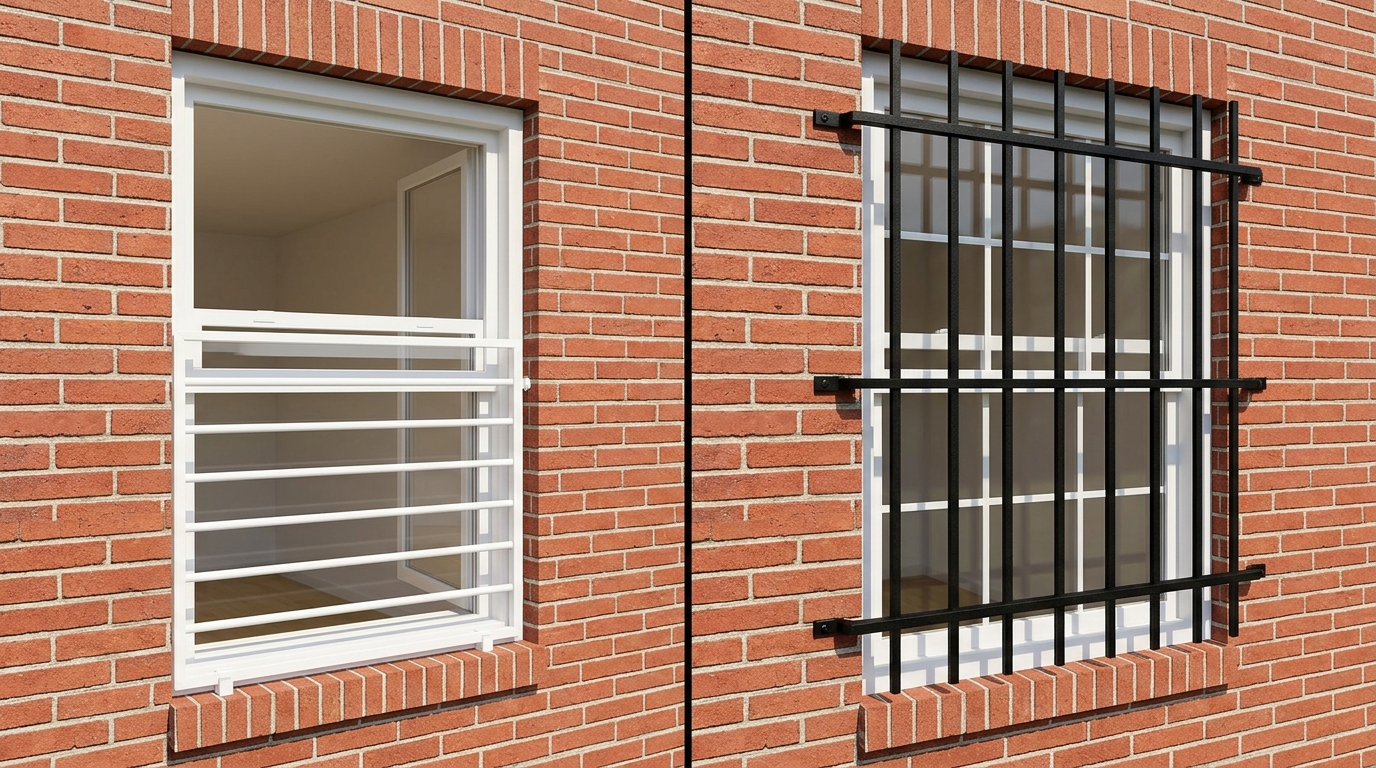
- Any bars, grilles, covers, or screens placed over an egress window must be operable from the inside without tools, keys, or special knowledge.
That last bullet is the single most important legal requirement for window bars in America. If your bars block an egress window and do not have a quick-release mechanism, they violate the IRC in virtually every jurisdiction that has adopted it.
International Building Code (IBC)
The IBC covers commercial and multi-family buildings. Its egress requirements mirror the IRC but add additional specifications for high-occupancy structures, stairwell access, and fire department access panels. If you are installing window bars on an apartment building, office, school, or retail space, the IBC is the governing code.
NFPA 101: Life Safety Code
Published by the National Fire Protection Association, NFPA 101 is the standard that fire marshals reference most often during inspections. It explicitly addresses window bars and security grilles in Chapter 24 (one- and two-family dwellings) and Chapter 31 (existing structures). The NFPA requires that any security device on an egress window must release from the interior without special effort and must not reduce the required clear opening below code minimums.
Together, the IRC, IBC, and NFPA 101 create a consistent national framework: window bars are legal, but they must never trap occupants during an emergency. Every state builds its regulations on top of this foundation.
State-by-State Breakdown: Where the Rules Get Specific
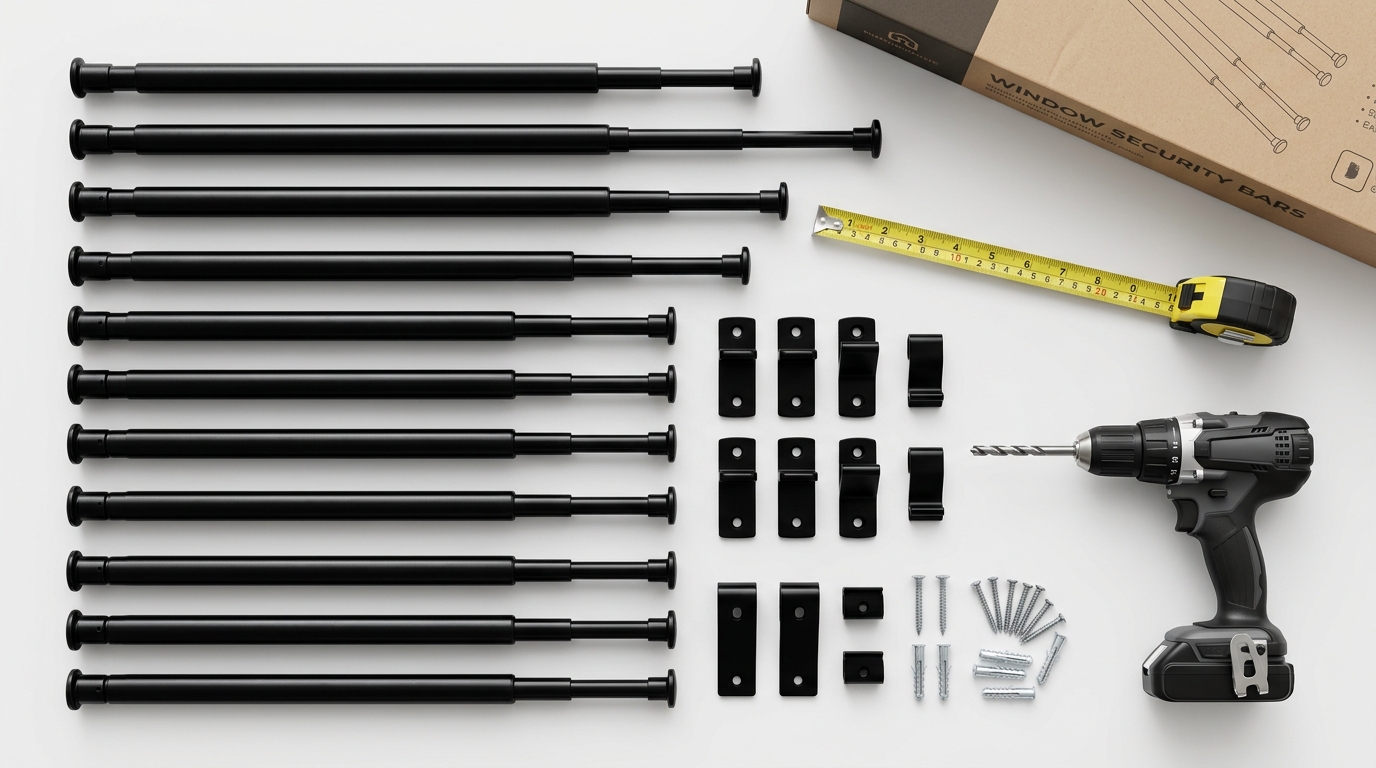
While the model codes provide the baseline, individual states add their own amendments, enforcement mechanisms, and penalties. Below is a breakdown of the states with the most notable regulations. If your state is not listed individually, it follows the IRC/IBC baseline described above with no significant additional restrictions on window bars.
New York
New York has some of the strictest window bar regulations in the country, particularly in New York City. NYC Local Law 57 (the Window Guard Law) requires landlords of buildings with children under 11 to install approved window guards on all windows except those leading to fire escapes. These guards must be removable by an adult but secure enough to prevent a child from falling. For security bars specifically, FDNY enforces strict quick-release requirements on any barred bedroom window. Violations carry fines of $250 to $1,000 per window, and landlords can face criminal liability if a child is injured due to non-compliance.
California
California adopts the IRC through its California Residential Code (CRC), Title 24, Part 2.5. The state adds enhanced seismic considerations for window bar mounting hardware and requires that all egress window security devices be testable during routine fire inspections. Some California municipalities, particularly Los Angeles and San Francisco, require a permit for exterior-mounted window bars. Unpermitted exterior bars can trigger code enforcement action and fines ranging from $100 to $500 per violation.
Texas
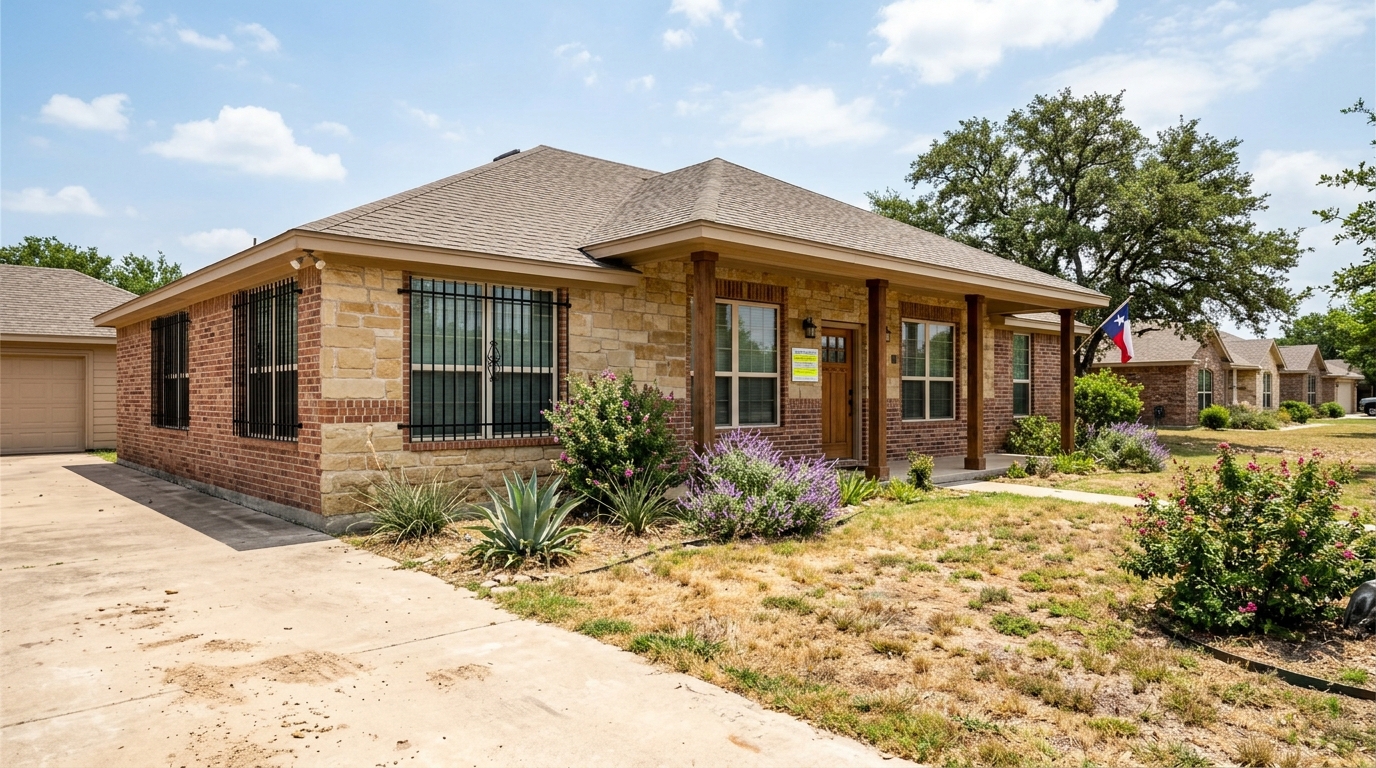
Texas follows the IRC with minimal amendments for residential properties. The state is generally permissive toward window bars, and most rural counties do not require permits for interior-mounted bars. However, the Texas Property Code (Section 92.153) requires landlords to provide functioning smoke alarms and does not allow any modification that blocks a required egress path. Cities like Houston, Dallas, and Austin enforce the IRC egress requirements through local fire marshals. HOA restrictions are often stricter than state law in Texas suburbs.
Florida
Florida complicates window bar legality by overlapping security bar rules with hurricane-shutter and impact-resistant glazing regulations. The Florida Building Code (FBC) follows the IRC for egress but adds wind-load requirements for any exterior window covering. If your window bars double as storm protection, they may need to meet Miami-Dade County's HVHZ (High-Velocity Hurricane Zone) standards. Interior frame-mount bars that do not attach to the exterior structure are generally exempt from wind-load testing.
Illinois
Chicago enforces particularly strict rules through its municipal building code, which predates and sometimes contradicts the IRC. The City of Chicago requires that all window bars on residential properties be inspectable by the fire department and include release mechanisms that can be operated by a child over the age of five. The Chicago Fire Prevention Bureau actively inspects rental properties and can issue citations with fines up to $500 per non-compliant window.
Pennsylvania
Pennsylvania follows the Uniform Construction Code (UCC), which incorporates the IRC. Philadelphia has additional local requirements through its Property Maintenance Code, which mandates that landlords maintain egress compliance at all times and subjects rental properties to periodic inspection. Window bars without quick-release mechanisms on bedroom windows are treated as immediate hazards, and inspectors can order removal within 48 hours.
Georgia, Arizona, Nevada, and Other Sun Belt States
These states generally follow the IRC baseline without significant additional restrictions. Window bars are common in high-crime neighborhoods of Atlanta, Phoenix, and Las Vegas, and local code enforcement focuses primarily on egress compliance in rental properties. Permit requirements vary by municipality: most unincorporated counties do not require permits for interior-mounted bars, while city jurisdictions may require a simple over-the-counter permit.
Landlord Obligations vs. Homeowner Freedom
The legal requirements for window bars differ significantly depending on whether you own your home or rent it out. Understanding this distinction can save you from fines, lawsuits, and insurance headaches.
If You Are a Homeowner
As a homeowner installing bars on your own property, your primary legal obligation is egress compliance in bedrooms. Beyond that, most jurisdictions give you broad freedom to secure your windows however you choose, provided you obtain any required permits for exterior modifications. You are responsible for ensuring your installation meets local building codes, but enforcement is typically complaint-driven rather than proactive. In other words, nobody will inspect your window bars unless a neighbor complains, you sell the house, or there is a fire.
If You Are a Landlord
Landlords face a much higher legal standard. Under the implied warranty of habitability that exists in every state, you are legally required to provide a safe dwelling. Installing window bars without proper egress mechanisms can constitute a violation of this warranty, exposing you to:
- Municipal fines: $100 to $1,000+ per window depending on jurisdiction.
- Tenant lawsuits: If a tenant or guest is injured due to non-compliant window bars, you face personal injury liability that your insurance may not cover.
- Criminal charges: In extreme cases, such as a fire fatality involving blocked egress, landlords have been charged with criminal negligence and even involuntary manslaughter.
- Insurance voiding: Your landlord insurance policy almost certainly requires code-compliant premises. Non-compliant window bars give your insurer grounds to deny a claim.
If you are a landlord considering window bars for your rental units, the SWB Model A/EXIT is specifically designed for this situation. Its quick-release mechanism meets IBC, NFPA, and OSHA egress requirements, which means you can offer tenants genuine security without creating a fire code violation. For a deeper dive into landlord-specific compliance, see our complete guide to window bars and fire code for landlords.
How to Verify Your Local Requirements Before Installing
Even after reading this guide, your safest move is to verify the specific rules in your city or county before you install anything. Here is a simple process that takes about 30 minutes and can save you from costly mistakes.
Step 1: Identify Your Governing Code
Search your city or county government website for "building code" or "adopted codes." Look for which version of the IRC or IBC your jurisdiction has adopted and whether there are local amendments. Many municipalities post their adopted code editions online.
Step 2: Call Your Local Building Department
A five-minute phone call to your local building or planning department is the most reliable way to get specific answers. Ask these three questions:
- Do I need a permit to install interior window security bars?
- Do I need a permit for exterior-mounted window bars?
- Are there any local amendments to the IRC/IBC egress requirements that I should know about?
In most cases, interior frame-mount bars do not require a permit. Exterior wall-mount bars may require a simple permit in larger cities.
Step 3: Check Your HOA Covenants
If you live in a community governed by a homeowners association, review your CC&Rs (Covenants, Conditions, and Restrictions) for language about window modifications, exterior alterations, or security devices. Some HOAs ban visible exterior bars but allow interior-mounted bars that are not visible from the street.
Step 4: Document Everything
Keep a record of who you spoke with, what they told you, and any permits you obtained. If you are a landlord, store this documentation with your property files. It demonstrates due diligence if a compliance question ever arises.
The Egress Question: When Quick-Release Is Legally Required
The single legal issue that trips up more window bar installations than any other is egress. Let us make this crystal clear so there is no ambiguity.
Quick-release mechanisms are legally required on window bars in every room designated as a sleeping area. This includes:
- Master bedrooms
- Secondary bedrooms
- Guest rooms used for sleeping
- Basement rooms with beds
- Any room marketed or listed as a bedroom on a real estate listing or rental agreement
Quick-release is not typically required on:
- Living room windows (unless they are the only egress in an efficiency apartment)
- Kitchen windows
- Bathroom windows
- Basement windows in non-sleeping utility areas
- Commercial storefront windows
However, even in rooms where quick-release is not legally mandated, it is strongly recommended. Fires are unpredictable, and any window could become your only escape route. The cost difference between a fixed bar and a quick-release model is minimal compared to the life-safety benefit.
The Model A/EXIT from SWB was engineered specifically to solve this problem. It provides the same telescopic, adjustable steel construction as the standard Model A, but adds an interior quick-release lever that allows the bars to swing open in under two seconds, no tools or keys needed. This single feature is what separates a code-compliant installation from a potential violation in all 50 states.
Penalties for Non-Compliant Window Bars
Installing window bars that violate your local fire or building code is not a minor technicality. The consequences are real and can be severe.
Administrative Penalties
- Fines: Range from $100 to $1,000+ per window per day in most jurisdictions. New York City and Chicago are at the higher end. Rural counties tend to be more lenient but still enforce after complaints.
- Mandatory removal orders: Fire marshals and building inspectors can order you to remove non-compliant bars within a specified deadline, usually 30 to 90 days. Failure to comply can result in additional fines or the city removing the bars at your expense.
- Failed inspections: If you are selling your home or refinancing, a home inspector will flag non-compliant window bars. This can delay or kill a real estate transaction.
Civil Liability
If someone is injured because your window bars prevented them from escaping during an emergency, you face personal injury lawsuits that can result in six- and seven-figure judgments. Courts across the country have consistently held that property owners who install bars without egress mechanisms bear responsibility for injuries and deaths that result from blocked exits.
Criminal Liability
In the most extreme cases, property owners have faced criminal charges including negligent homicide and involuntary manslaughter when non-compliant window bars contributed to fire deaths. While criminal prosecution is rare, it is not theoretical. It has happened in New York, California, Texas, and other states.
Insurance Consequences
Your homeowner's or landlord's insurance policy requires you to maintain a code-compliant property. Non-compliant window bars give your insurer legal grounds to deny a fire-related claim entirely. The result: you pay for all damages out of pocket, on top of any fines and legal fees.
The bottom line is straightforward. The cost of buying a code-compliant bar with a quick-release mechanism is a fraction of the cost of a single fine, let alone a lawsuit. For a broader look at how window bars fit into your overall security and safety strategy, check out our best window security bars for homes in 2026 guide.
Frequently Asked Questions
Do I need a permit to install window bars on my house?
In most U.S. jurisdictions, interior frame-mount window bars do not require a building permit because they attach to the window frame without structural modifications. Exterior wall-mount bars may require a simple over-the-counter permit in larger cities like Los Angeles, Chicago, and New York. Always call your local building department to confirm before installation, as requirements vary by municipality.
Can my landlord install window bars without quick-release mechanisms?
No. Under the IRC, IBC, and NFPA 101, any window bars installed on a bedroom or sleeping-area window must include a quick-release mechanism operable from the inside without tools or keys. A landlord who installs fixed bars on bedroom windows violates fire code in virtually every U.S. jurisdiction and faces fines, civil liability, and potential criminal charges if an injury results.
Are window bars legal in apartments and rental properties?
Yes, window bars are legal in apartments and rental properties in all 50 states, provided they comply with egress requirements. Bedroom windows must have bars with quick-release mechanisms, and the installation must not reduce the clear egress opening below the code minimum of 5.7 square feet. Tenants should get written landlord approval before installing any bars, even removable frame-mount models.
What happens if my window bars fail a fire inspection?
If a fire marshal finds non-compliant window bars during an inspection, you will typically receive a written violation notice with a deadline to correct the issue, usually 30 to 90 days. Failure to comply can result in daily fines, mandatory removal at your expense, and in the case of rental properties, an order to vacate the building until the violation is corrected. Repeat violations escalate to higher fines and potential court action.
Can my HOA prevent me from installing window bars?
An HOA can restrict or prohibit exterior-mounted window bars that are visible from the street, as this falls under aesthetic and architectural control provisions in most CC&Rs. However, HOAs generally cannot prevent you from installing interior-mounted bars that are not visible from the exterior. If your HOA objects, consider a frame-mount system like the SWB Model A that installs inside the window recess and is invisible from the outside.
The Bottom Line: Legal Window Bars in Any State
Window bars are a legal, effective, and widely used security measure across the entire United States. The law does not prohibit them. It simply requires that they do not compromise your ability to escape during a fire. Meet that requirement, and you are compliant in all 50 states.
Here is your compliance checklist in plain language:
- Bedroom windows: Must have bars with a quick-release mechanism. No exceptions.
- Egress opening: Bars must not reduce the clear opening below 5.7 square feet (20 inches wide, 24 inches tall minimum).
- Release operation: Must be operable from the inside without tools, keys, or special knowledge.
- Permits: Check with your local building department. Interior frame-mount bars rarely require one; exterior wall-mount bars sometimes do.
- HOA: Review your CC&Rs. Interior-mount bars are almost always exempt from exterior modification restrictions.
- Landlords: You face a higher legal standard. Every barred bedroom window must be egress-compliant, documented, and inspectable.
The simplest way to guarantee compliance in any state is to choose a window bar that was designed for egress from the start. The SWB Model A/EXIT meets IBC, NFPA, and OSHA standards with its interior quick-release mechanism, telescopic steel construction, and both frame-mount and wall-mount options. It gives you the security you need without a single code violation.
For a complete look at how interior bars fit into your home security plan, read our interior window security bars complete guide. And if you are comparing products before you buy, start with our best window security bars for homes in 2026 roundup for side-by-side specs and recommendations.