Expandable Window Security Bars: How They Work & What to Buy
One bar, any window. The telescopic mechanism sounds simple — because it is. Understanding it helps you verify what matters in the product you're buying.
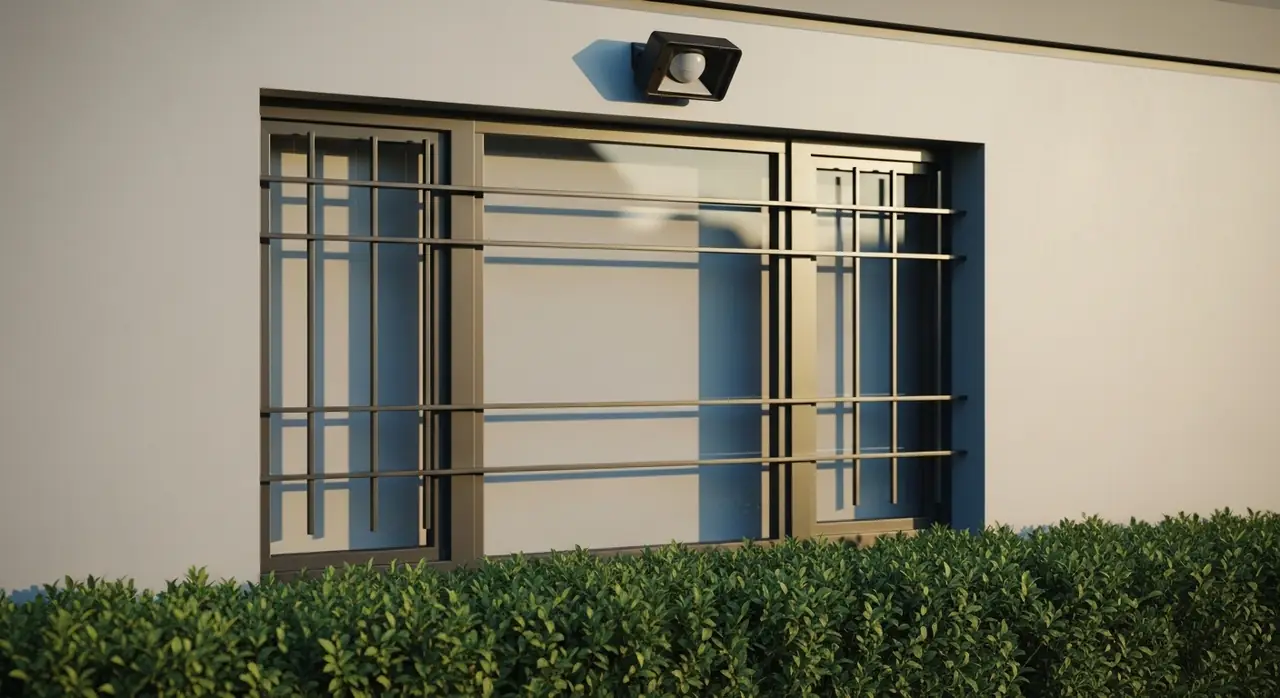
Quick Answer
Expandable window security bars use nested steel tubes to adjust length from 27"–48". The inner tube locks into position with a friction collar. Verify load rating was tested at maximum extension (worst case). 16-gauge steel, 800+ lbs rated, rubber end caps. SWB Model A: 1,100 lbs at maximum extension.
The Mechanics of Expandable Window Bars

An expandable window security bar has two primary components: an outer tube (the main body) and an inner tube (the extension). The inner tube slides within the outer tube to change overall bar length. A locking collar — typically a rotating friction mechanism — secures the inner tube at any position within the range.
The security performance depends on three factors:
- Tube wall thickness (gauge): Both inner and outer tubes must be 16-gauge for full security performance. Some products use 16-gauge outer tube with 18-gauge inner — the thinner inner tube becomes the weak point under load.
- Overlap at maximum extension: The security-critical dimension. Less overlap = less contact area between tubes = potential for failure at the joint. Minimum 4" overlap at maximum extension for residential security.
- Locking collar strength: The collar must maintain position under repeated cycling and sudden impact loads. Threaded collars are more reliable than friction-only or spring-pin designs.
Before You Start: What to Measure
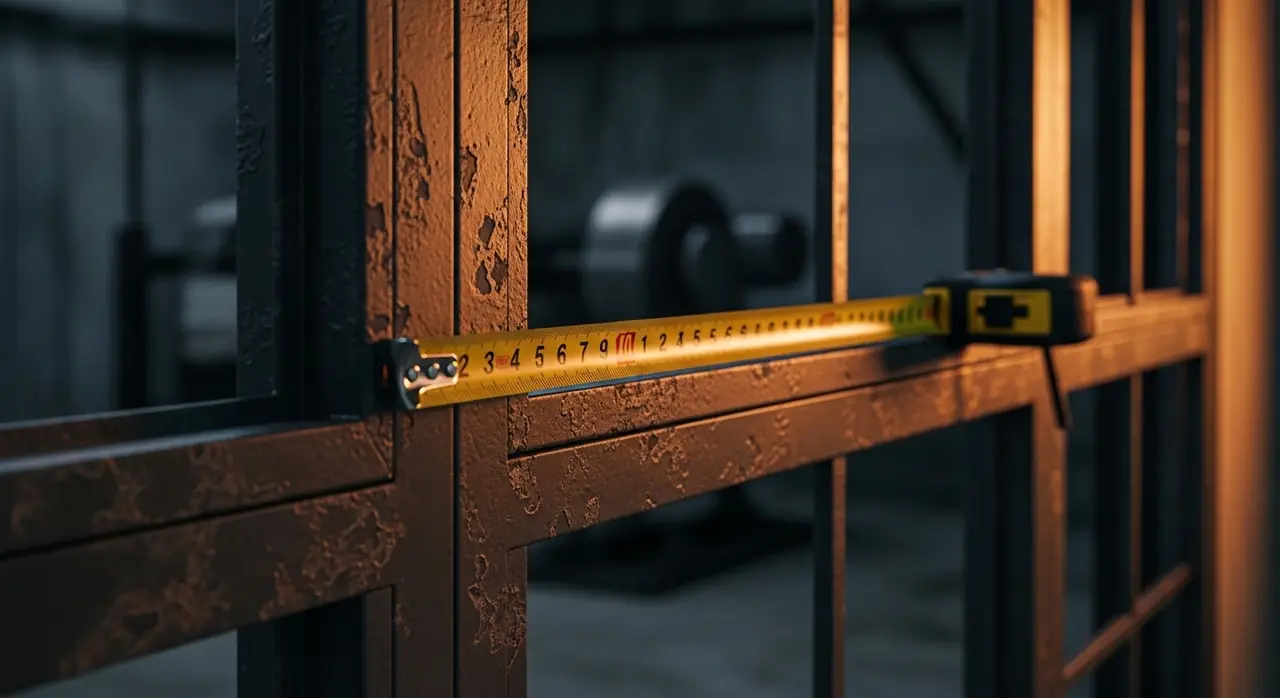
- Interior channel width at bar placement height (not glass width, not sash width)
- Sill depth (for end cap sizing)
- Whether sleeping room — determines if quick-release is required
Step-by-Step: Installing Expandable Window Bars

- Set length. Rotate locking collar counterclockwise to unlock. Extend inner tube to approximately 0.5" less than measured window channel width. Rotate collar clockwise until snug.
- Verify clearance. Check that bar fits into window channel at the desired height with 0.25"–0.5" clearance on each side.
- Position bar. Place bar horizontally in channel. For double-hung: 6–8 inches above lower sash. For sliding: typically center height of the sash.
- Expand to fit. Rotate collar counterclockwise slightly, extend inner tube until rubber end cap makes firm contact with frame. Rotate collar clockwise to lock.
- Test tension. Attempt to compress bar by pushing end caps together. No movement = correctly tensioned.
- Test from outside. Push bar inward at center. Zero deflection = properly installed.
- Record setting. Note the collar position for this window — future reinstallation is significantly faster.
Common Mistakes to Avoid

Not verifying load rating at maximum extension. Ask specifically: "Was the 1,100-lb load rating tested at maximum 48" extension or at a shorter position?" Any brand that can't answer clearly has probably tested at a shorter, stiffer position.
Under-tensioning. "Snug" contact is not the same as "properly tensioned." The bar should feel rigid under hand pressure after installation. If it shifts even slightly under hand pressure, tighten the collar further.
Not checking inner tube gauge separately. The outer tube gauge is usually the advertised spec. In some products, the inner tube is a lower gauge to reduce cost. Ask specifically about inner tube gauge as well as outer tube.
FAQ
Expandable vs telescopic — same thing?
Yes. "Expandable" emphasizes the adjustable range. "Telescopic" describes the nested-tube mechanism. Both terms refer to the same product type.
How far do they extend?
Most residential: 27"–48". Some commercial: to 72". Range is determined by outer tube length and inner tube overlap. Verify exact range in product specifications.
Do they weaken at maximum extension?
Minimum tube overlap at maximum extension means maximum extension is the weakest configuration. Load testing should be done at maximum extension. SWB Model A: 1,100 lbs tested at 48".
What locking mechanism?
Quality: threaded engagement collar. Acceptable: rotating friction collar. Avoid: spring-pin only — allows micro-movement under repeated loading.
Work with deep window sills?
Yes. Deep sills can improve performance — bar sits further into frame. Verify end cap sizing for sill width. Some bars have adjustable-width end caps.