Best Removable Window Security Bars for Vacation Homes and Seasonal Properties
Removable window security bars are the single most effective physical security upgrade for vacation homes, seasonal properties, Airbnb rentals, VRBO listings, and second homes that sit unoccupied for weeks or months at a time. Unlike permanent installations designed for year-round primary residences, removable bars give property owners the flexibility to install protection before leaving and remove it when they return -- without damaging window frames, voiding insurance policies, or violating HOA restrictions that govern many vacation and resort communities.
If you own a lake house that sits empty from October through April, a beach condo that you visit three weeks per year, a mountain cabin accessible only in summer, or a short-term rental property where guest turnover creates security gaps between bookings, this guide is built specifically for your situation. We cover the best removable window bar products available in 2026, how to choose the right system for your property type, installation strategies that take minutes instead of hours, fire code compliance for unoccupied properties, insurance considerations, and the real-world economics of protecting a home you are not always there to watch.
Why Vacation Homes and Seasonal Properties Need Removable Window Bars
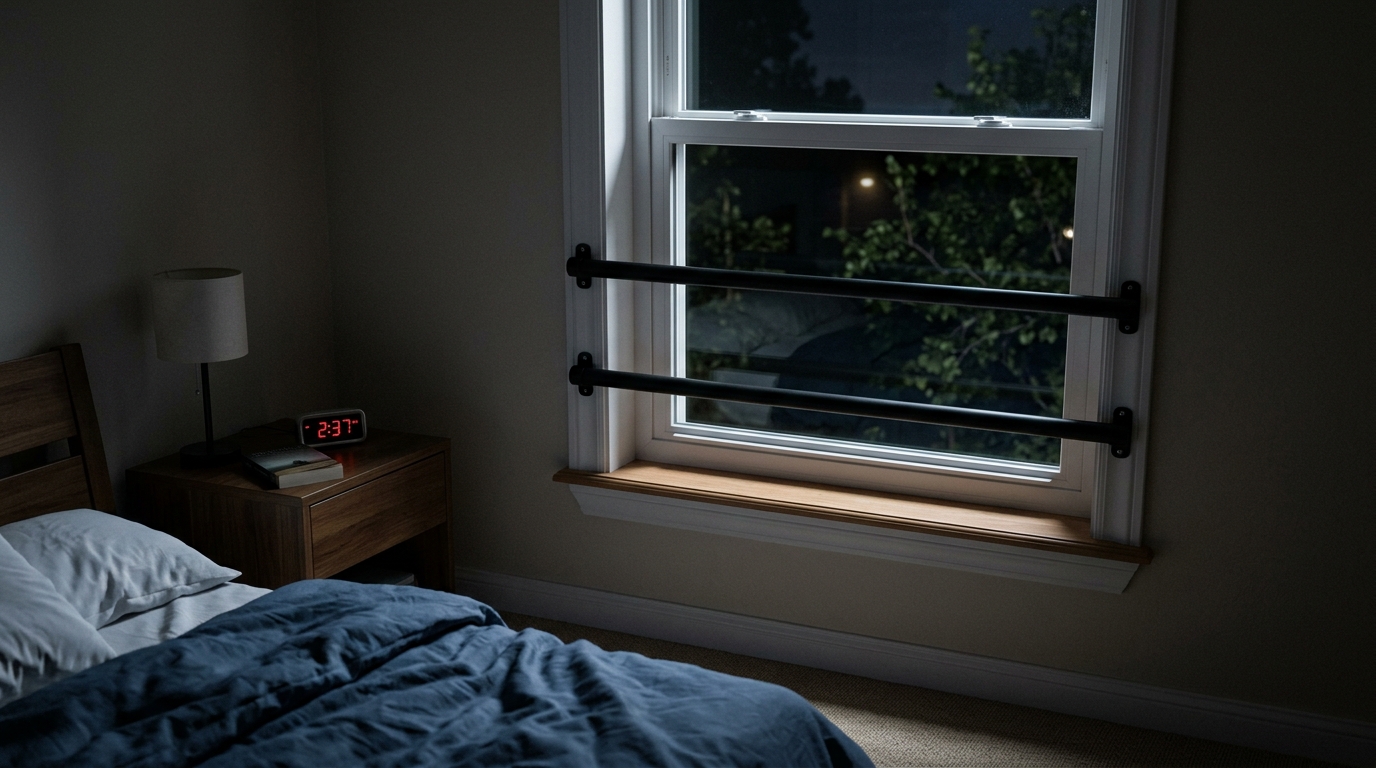
Vacation homes and seasonal properties face a security threat profile that is fundamentally different from occupied primary residences. The core problem is simple: an unoccupied home is an easy target. No lights turning on and off. No cars in the driveway. No sounds of activity. No one to hear glass break or notice a forced entry. Burglars in vacation and resort communities know which homes sit empty for months, and they plan accordingly.
FBI Uniform Crime Report data consistently shows that unoccupied homes are burglarized at significantly higher rates than occupied homes. The logic is straightforward from a criminal's perspective: an empty house means zero risk of confrontation, unlimited time to search for valuables, and a much longer window before the crime is even discovered. A break-in at a snowbird's winter home in Arizona might not be noticed until the owner returns in May -- giving the burglar months of cushion before a police report is even filed.
The Five Risk Factors Unique to Vacation Properties
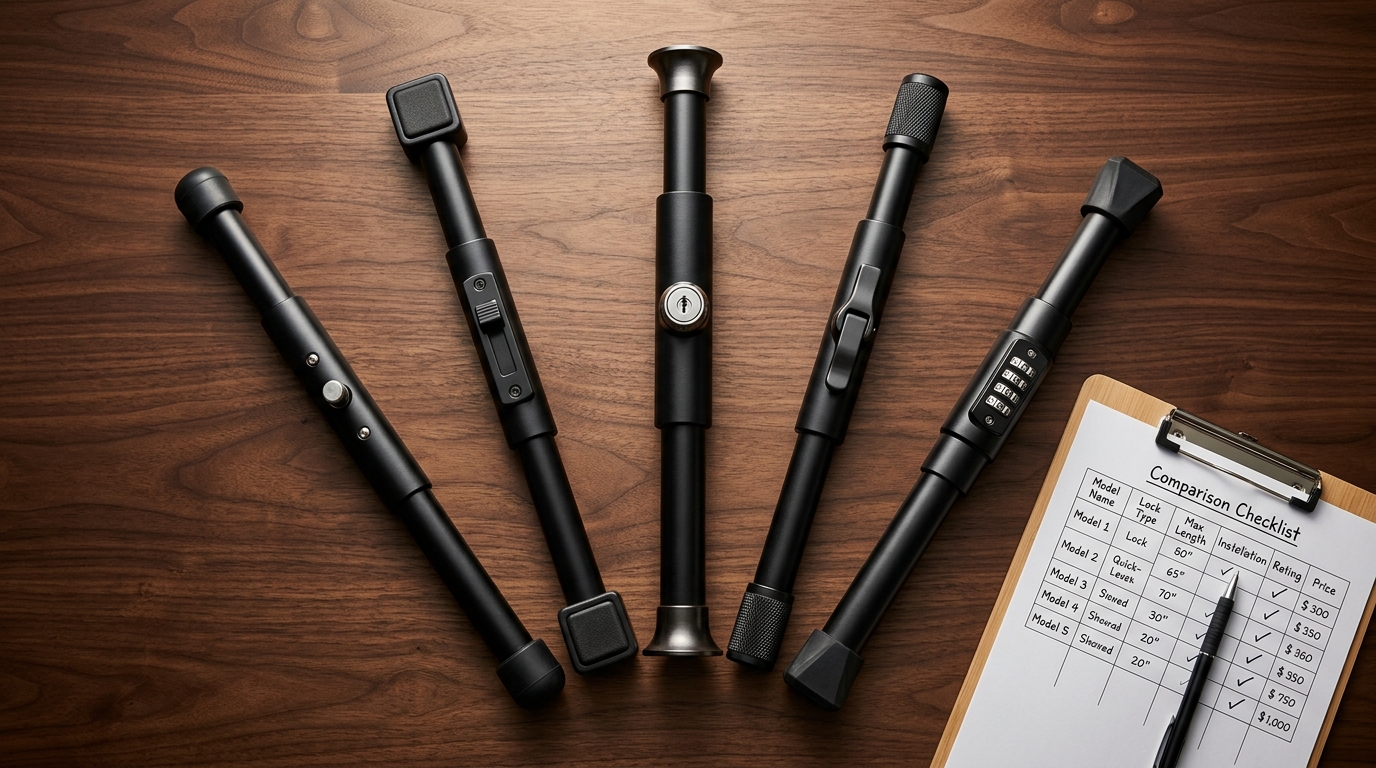
Vacation homes share a set of risk factors that primary residences do not:
- Extended vacancy periods -- weeks, months, or even entire seasons where the home is completely unoccupied and unmonitored by the owner
- Predictable vacancy patterns -- snowbird homes are reliably empty during specific months; beach houses sit vacant in winter; mountain cabins close for mud season. Local criminals learn these patterns.
- Remote locations -- many vacation properties are in rural areas, wooded lots, gated resort communities with minimal security infrastructure, or isolated waterfront settings with limited neighbor visibility
- High-value contents -- vacation homes often contain expensive electronics, recreational equipment (boats, ATVs, fishing gear, ski equipment), artwork, and personal valuables that owners leave in place between visits
- Delayed discovery -- a break-in at a primary residence is typically discovered within hours; a break-in at a vacation home may go undetected for weeks or months, allowing the burglar to return for additional loads
Removable window security bars address these risk factors at the physical level. They create a steel barrier that prevents window entry regardless of whether anyone is home, regardless of whether the alarm system is monitored (many vacation homes lose cellular or internet connectivity during extended vacancies), and regardless of how remote the property is. A burglar standing in front of a window with steel bars has exactly one option: move on to an easier target.
Why "Removable" Matters for Vacation Properties
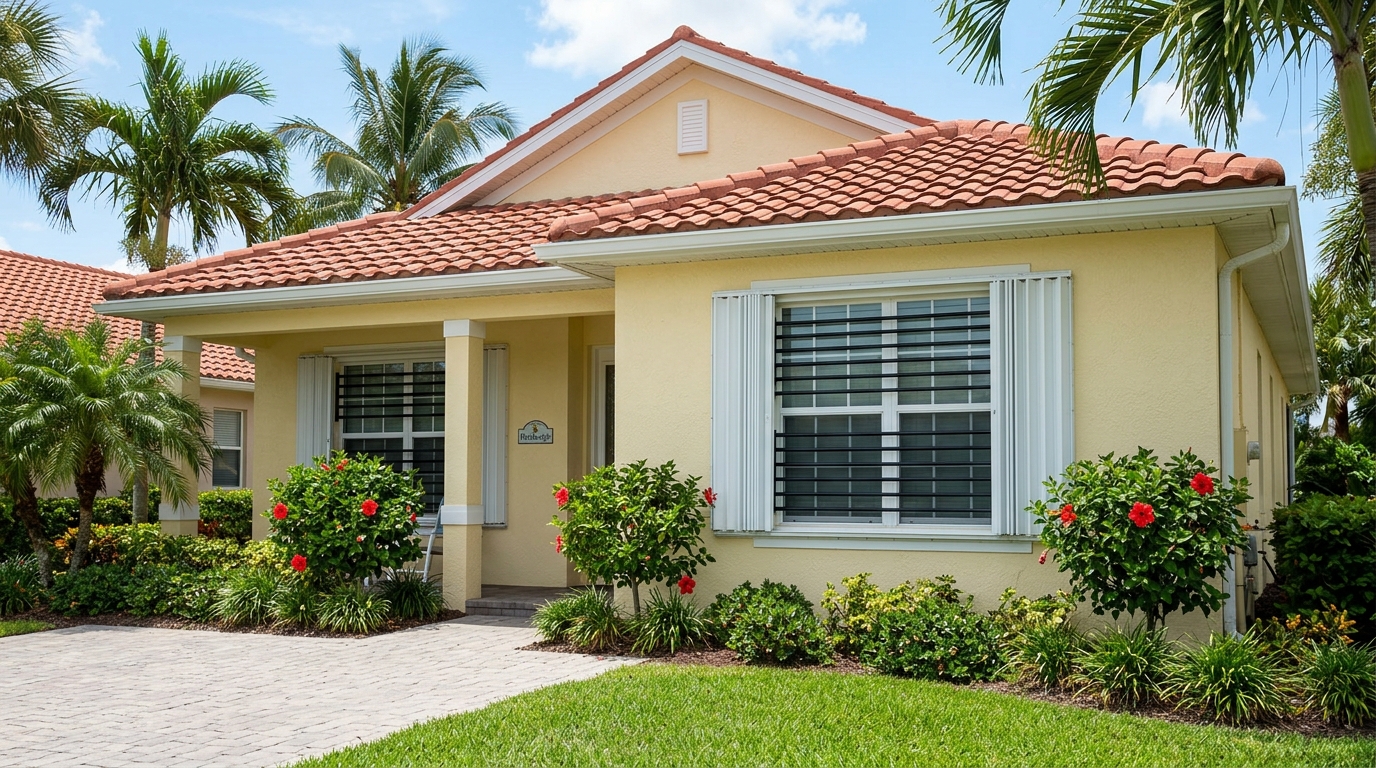
Permanent window bars are the gold standard for primary residences, but vacation properties have operational requirements that make removable systems the better choice:
- Seasonal aesthetics -- when you are enjoying your vacation home, you want open windows, unobstructed views, and a welcoming appearance. Bars go up when you leave, come down when you arrive.
- Guest experience -- for Airbnb and VRBO properties, guests expect an inviting environment during their stay. Bars can be installed between bookings when the property is empty and vulnerable.
- HOA compliance -- many vacation communities have exterior appearance restrictions. Removable bars can be installed when enforcement is unlikely (off-season) and removed before seasonal inspections.
- Insurance flexibility -- some insurance carriers treat removable security bars differently from permanent modifications. Removable bars are enhancements, not structural changes.
- Property value -- permanent bars can affect resale perception. Removable bars leave zero trace when removed -- no holes, no marks, no visible evidence.
For an overview of how window bars compare across all property types, see our best window security bars for homes buyer's guide. This article focuses specifically on the removable and seasonal-use scenario.
The Occupancy Gap: When Your Property Is Most Vulnerable

The occupancy gap is the period between your departure and your next arrival (or your next guest's check-in for short-term rentals). This gap is when your vacation property faces maximum risk, and understanding its characteristics helps you plan your security strategy.
Occupancy Gap by Property Type
| Property Type | Typical Occupancy Gap | Risk Level | Key Vulnerability |
|---|---|---|---|
| Snowbird winter home | 5-7 months (May-November) | Very High | Predictable, extended vacancy visible to locals |
| Summer lake house | 7-9 months (Sept-May) | Very High | Remote location, limited neighbor presence in off-season |
| Mountain ski cabin | 6-8 months (April-November) | High | Isolated, road access may be limited (reduces patrols too) |
| Beach condo | 8-10 months if owner visits 2-4 weeks/year | High | Ground-floor units; salt-air corrosion on locks and hardware |
| Airbnb/VRBO rental | 2-14 days between guest bookings | Moderate | Public listing reveals address; turnover creates security lapses |
| Second home (urban/suburban) | Varies (weekdays, off-weekends) | Moderate | Regular vacancy pattern observable by neighbors |
| Investment/flip property | Weeks to months during renovation | High | Construction materials and tools on-site; no occupant |
The longer the occupancy gap, the higher the risk -- and the greater the value of physical security barriers that work regardless of whether anyone is monitoring the property. A smart doorbell camera at an empty mountain cabin with no WiFi during winter is useless. Steel bars on the windows work whether the power is on or off, whether the internet is connected or not, and whether anyone is watching the camera feed or not.
The "Discovery Delay" Problem
For vacation properties, the time between a break-in and its discovery can stretch from days to months. This delay has real consequences beyond the initial theft:
- Multiple-entry burglaries -- knowing the home is still empty, burglars return for additional loads, stripping the property systematically
- Property damage escalation -- water leaks from broken windows, weather damage through open entry points, mold growth in homes without climate control
- Insurance complications -- extended discovery delays can create claim complications; some policies have reporting windows that start from the date of the event, not the date of discovery
- Evidence degradation -- fingerprints, footprints, and forensic evidence deteriorate over weeks and months, reducing the chance of an arrest
Removable window bars eliminate the primary entry vector (windows) during the occupancy gap, reducing the chance of a break-in happening in the first place. Prevention beats discovery every time.
Removable vs. Permanent Window Bars: Which Is Right for Seasonal Properties?
This is the core decision for vacation property owners. Both removable and permanent bars provide genuine security, but they serve different operational needs. Here is how to decide.
When Removable Bars Are the Right Choice
- You occupy the property seasonally and want unobstructed windows during your stay
- You operate a short-term rental and need to install/remove bars between guest bookings
- Your HOA prohibits permanent exterior modifications but does not restrict temporary/seasonal security measures
- You plan to sell the property within the next few years and want zero visible modification
- You want the flexibility to relocate bars between properties (e.g., protecting your primary home while you are at the vacation home, then swapping)
- The property is a rental or investment and permanent bars would affect tenant experience or listing appeal
When Permanent Bars Are the Better Option
- The property is never occupied (pure investment, long-term construction project)
- The property is in a high-crime area where year-round physical deterrence is needed
- You own the property outright with no HOA and no plans to sell
- Commercial properties where bars serve a dual purpose (security + insurance requirement)
Comparison Table: Removable vs. Permanent
| Factor | Removable Bars | Permanent Bars |
|---|---|---|
| Security when installed | Equal to permanent (same steel, same spacing) | Full protection 24/7/365 |
| Install/remove time | 10-15 minutes per window | One-time installation only |
| Frame damage | Minimal to none (depends on system) | Permanent screw holes in frame or masonry |
| Aesthetics when removed | Zero trace -- windows look completely normal | N/A -- bars are always visible |
| HOA compatibility | High -- seasonal installation avoids most restrictions | Low -- many HOAs prohibit visible bars |
| Guest/tenant experience | Excellent -- bars removed during occupancy | Mixed -- some tenants dislike the appearance |
| Cost per window | ~$90 (SWB Model A) | ~$90-$91 (Model A or B) |
| Portability | Yes -- move between properties | No -- fixed to one location |
| Best for | Vacation homes, Airbnb, seasonal, HOA communities | Primary homes, commercial, high-crime areas |
For most vacation and seasonal property owners, removable bars deliver the same physical security as permanent bars with the added flexibility that seasonal ownership demands. The SWB Model A is specifically engineered for this use case -- its telescopic adjustment and frame mount system installs in minutes and removes just as quickly without leaving visible damage.
Best Removable Window Security Bars for 2026: Our Top Picks
After evaluating every removable window bar option available in the US market, here are our specific recommendations for vacation and seasonal property owners.
Best Overall: SWB Model A (~$90)
The SWB Model A is our top recommendation for removable window security at vacation homes and seasonal properties. Its telescopic adjustment mechanism covers a wide range of window widths without cutting, welding, or custom ordering. The powder-coated steel construction delivers genuine forced-entry resistance -- not the decorative-grade thin metal found in budget products. And the frame mount installation system uses pre-positioned brackets that stay in place on the window frame, allowing the bar itself to be snapped in and removed in seconds once the brackets are installed.
Why Model A wins for vacation properties:
- Telescopic width adjustment -- fits standard and non-standard window sizes common in vacation homes built across decades of construction standards
- Modular stacking -- covers oversized windows, picture windows, and sliding glass doors typical of vacation homes designed for views
- 15-minute DIY installation -- no electrician, no contractor, no specialty tools. A cordless drill and tape measure are all you need.
- Quick removal -- once brackets are set, the bar lifts in and out in under a minute per window
- Powder-coated steel -- resists corrosion in coastal, humid, and mountain environments where vacation homes are typically located
- ~$90 per unit -- protecting 8 windows costs less than two months of a monitored alarm system that may not even have cellular signal at your remote cabin
Best for Egress-Required Windows: SWB Model A/EXIT (~$92)
The SWB Model A/EXIT is the required choice for bedroom windows and any window designated as an emergency egress point under local building codes. Its quick-release mechanism allows the bar to be opened from the inside in seconds during an emergency -- meeting IBC, NFPA, and OSHA requirements -- while providing the same exterior security as the standard Model A.
Why Model A/EXIT matters for vacation properties:
- Short-term rental compliance -- Airbnb and VRBO hosts have a legal duty to ensure guests can escape during a fire. Bars on bedroom windows without a quick-release mechanism create liability exposure.
- Insurance requirements -- many vacation home insurance policies require egress compliance for any window security modification. The Model A/EXIT's IBC/NFPA certification satisfies these requirements.
- Guest safety -- vacation rental guests unfamiliar with the property need to be able to exit through any bedroom window without tools, keys, or prior instruction
- Same removable design -- the quick-release mechanism does not affect the removable mounting system. Install and remove just like the standard Model A.
Product Comparison for Vacation Home Use
| Feature | SWB Model A | SWB Model A/EXIT | Generic Adjustable Bar | Security Film | Smart Alarm System |
|---|---|---|---|---|---|
| Physical barrier | Yes -- steel | Yes -- steel | Weak -- thin metal | No -- delays only | No -- detection only |
| Works without power/WiFi | Yes | Yes | Yes | Yes | No |
| Works when unoccupied | Yes | Yes | Partially | Yes | Limited |
| Removable | Yes | Yes | Yes | No (permanent) | Portable |
| Quick-release egress | No | Yes -- IBC/NFPA | No | N/A | N/A |
| Corrosion resistance | Powder coat | Powder coat | Paint (peels) | N/A | Varies |
| Per-window cost | ~$90 | ~$92 | $15-$40 | $8-$15/sq ft | $200-$500 + $30-$60/mo |
| Lifespan | 20-30 years | 20-30 years | 2-5 years | 10-15 years | 3-5 years (tech obsolescence) |
Our Recommendation by Scenario
- Non-bedroom windows at vacation homes: SWB Model A (~$90) -- best value, full security, removable
- Bedroom windows at any property: SWB Model A/EXIT (~$92) -- egress compliant, required for sleeping areas
- Airbnb/VRBO bedroom windows: Model A/EXIT is mandatory -- guest safety and liability protection
- Coastal properties (salt air): Model A or A/EXIT -- powder coat resists salt corrosion better than painted alternatives
- Mountain cabins (extreme weather): Model A -- steel construction handles freeze-thaw cycles; no electronics to fail
Removable Window Bars for Airbnb, VRBO, and Short-Term Rentals
Short-term rental properties have a unique security dynamic. The property address is semi-public -- listed on booking platforms, shared with guests, visible in reviews with location hints, and sometimes even shown on mapping services. This exposure, combined with predictable vacancy gaps between bookings, creates a risk profile that traditional vacation homes do not face.
The Between-Bookings Vulnerability
The most dangerous period for an Airbnb or VRBO property is the gap between guest check-out and the next guest check-in. During this window:
- The property is empty and known to be empty (cleaning service has come and gone)
- The listing may show "available" dates that signal vacancy
- Guest-facing security cameras may be powered down per platform policy
- Smart locks may be in a default state between guest code changes
- The property manager or owner may not visit between turnovers
Removable window bars installed during these between-booking gaps provide physical security when the property is most exposed. A property manager or cleaning crew member can install bars at check-out and remove them before the next check-in -- a task that takes 10-15 minutes per window with the SWB Model A's bracket system.
Guest Safety and Legal Liability
If you choose to leave bars installed during guest stays (not recommended for aesthetics, but sometimes necessary in high-risk areas), bedroom windows must have quick-release egress bars. This is not optional. Airbnb's Host Liability Insurance and VRBO's property damage protection both require hosts to maintain safety standards that include unobstructed emergency egress from sleeping areas.
The SWB Model A/EXIT satisfies this requirement with its quick-release mechanism that operates from the inside without tools or keys. Guests can open the bar and exit through the window in an emergency exactly as building codes intend.
For a deeper look at window bar legality and compliance, see our state-by-state legal guide for window bars.
Operational Workflow for Short-Term Rental Hosts
- One-time bracket installation: Install mounting brackets on all ground-floor and accessible windows. This takes 15 minutes per window and only needs to happen once. Brackets are small, flush-mounted, and virtually invisible.
- Guest check-out: After the cleaning crew finishes, snap the bar units into the pre-installed brackets on each window. 1-2 minutes per window.
- Pre-arrival: Before the next guest arrives, remove the bars from the brackets and store them in a closet, garage, or storage unit. 1-2 minutes per window.
- Bedroom exception: If bars remain on bedroom windows during guest stays, confirm they are Model A/EXIT with quick-release. Post egress instructions inside each bedroom per NFPA recommendations.
Snowbird and Second-Home Security: Protecting Properties Left Empty for Months
Snowbird homes -- the Arizona winter house, the Florida condo, the South Texas retreat -- represent perhaps the highest-risk category for residential burglary. These properties sit empty for five to seven months in a predictable annual pattern that local criminals learn and exploit.
Why Snowbird Homes Are Prime Targets
The snowbird pattern is inherently predictable:
- Owners arrive in October/November and leave in April/May (for northern snowbirds heading south)
- The same homes are vacant the same months every year
- Neighbors in snowbird communities follow the same pattern -- meaning fewer occupied homes to provide natural surveillance during vacancy season
- Local service workers (landscapers, pool cleaners, handymen) know which homes are vacant
- Mail accumulation, dark windows, and unchanged lawn decorations signal extended absence
The Snowbird Security Strategy
Removable window bars form the physical backbone of a snowbird departure security protocol. Here is the complete strategy we recommend:
Before departure:
- Install removable window bars on all ground-floor windows and any accessible second-floor windows (near roofs, balconies, or trees)
- Install bars on sliding glass door panels and any door sidelights
- Set light timers on random schedules to simulate occupancy
- Arrange for regular landscape maintenance to prevent the "vacant" appearance
- Hold mail or arrange regular pickup
- Notify local police of your vacancy dates (many departments offer vacation home check programs)
- Confirm insurance coverage is active for the vacancy period
Upon return:
- Remove bars from all windows (1-2 minutes each with bracket system)
- Store bars in a garage, closet, or storage area until next departure
- Inspect windows and frames for any signs of attempted entry during vacancy
Cost for Complete Snowbird Home Protection
A typical snowbird home in Arizona, Florida, or South Texas -- single-story, 3-bedroom, 8-10 windows, sliding glass patio door:
- 6 x Model A for non-bedroom windows: $540
- 3 x Model A/EXIT for bedroom windows: $276
- 2 x Model A for sliding glass door (modular stack): $180
- Total: $996 for complete ground-floor protection
Compare this to a monitored alarm system at $40-$60 per month ($240-$360 per year). The window bars pay for themselves in under three years and then provide free protection for the next two decades. They work without electricity, without internet, and without anyone watching a monitoring center. For a detailed pricing comparison, see our complete cost guide for window security bars.
How to Install and Remove Window Security Bars in Under 15 Minutes
The installation and removal speed of removable window bars is what makes them practical for vacation and seasonal use. Here is the exact process.
First-Time Installation (One-Time Setup)
The first time you install the bars, you need to set the mounting brackets. This is the only step that takes real effort, and it only happens once.
- Measure the window opening -- inside width at three points (top, middle, bottom), inside height at three points (left, center, right). Use the smallest measurement for each. For detailed measurement instructions, see our window measurement guide.
- Adjust the telescopic bar to the measured width. Lock the adjustment mechanism.
- Position the bar in the window opening. Center it vertically and horizontally.
- Level the bar using a bubble level on the top rail.
- Mark bracket positions through the pre-drilled holes in the mounting brackets.
- Pre-drill pilot holes into the window frame at the marked positions.
- Secure the mounting brackets with the provided anti-tamper screws.
- Snap the bar into the brackets and verify it is secure with zero play.
Time: 15 minutes per window. Tools required: cordless drill, tape measure, bubble level, pencil.
Subsequent Installation (Bar Into Existing Brackets)
Once brackets are in place, installing or removing the bar is a one-step process:
- Align the bar with the pre-installed brackets and snap into position. Verify engagement is complete.
Time: 1-2 minutes per window. No tools required.
Removal
- Disengage the bar from the brackets using the release mechanism. Lift the bar out.
- Store the bar in a protected location (garage, closet, under beds, storage unit).
Time: 1-2 minutes per window. No tools required.
Storage Between Seasons
When bars are not installed on the windows, store them in a dry, protected location. The powder-coated steel finish resists corrosion, but prolonged exposure to standing water or constant humidity will eventually affect any metal product. A garage shelf, closet floor, or under-bed storage works well. The bars stack flat for compact storage.
Fire Code and Egress Compliance for Unoccupied Properties
Fire code compliance for window bars is always important, but unoccupied vacation properties present a specific nuance: if no one is inside the property, egress through barred windows is not an immediate concern for occupant safety. However, code compliance still matters for insurance, legal liability, and the periods when the property is occupied.
When the Property Is Vacant
During vacancy periods, window bars on a completely unoccupied home do not create an egress risk because there is no one inside who needs to escape. This is the primary advantage of removable bars for seasonal properties -- you install the most secure configuration possible (standard Model A on every window) during vacancy, then adjust for egress compliance when the property is occupied.
When the Property Is Occupied (Owner or Guests)
During occupied periods, IBC and NFPA requirements apply:
- Bedroom windows must have egress-compliant bars (Model A/EXIT) or no bars at all
- Non-bedroom windows can use standard bars (Model A) because bedrooms are the only rooms where window egress is required by most residential codes
- Short-term rental properties should treat every sleeping area window as egress-required, even if the room is not technically a "bedroom" (pull-out sofas, Murphy beds, futons in dens)
The Hybrid Approach
The most practical strategy for vacation properties with both occupied and vacant periods:
- Bedroom windows: Install Model A/EXIT permanently on brackets. These provide full security during vacancy and egress compliance during occupancy. No swapping needed.
- Non-bedroom windows: Install standard Model A during vacancy for maximum security. Remove entirely during occupancy for aesthetics and open-window enjoyment.
- Sliding glass doors: Install modular Model A stack during vacancy. Remove during occupancy for full patio access.
This hybrid approach gives you maximum security during vacancy and full code compliance plus aesthetic appeal during occupancy. For a comprehensive overview of egress rules across all 50 states, see our window bars legal guide.
Insurance Considerations for Vacation Home Window Security
Vacation home insurance is more expensive and more restrictive than primary residence coverage. Insurers know that unoccupied homes are higher risk, and they price premiums accordingly. Physical security upgrades like removable window bars can work in your favor in several ways.
Premium Discounts
Many insurance carriers offer premium discounts for physical security devices on vacation and seasonal properties. Window bars, deadbolts, reinforced doors, and alarm systems all qualify for potential discounts. Contact your insurer specifically about window bar credits -- not all agents know to offer them, but most carriers include them in their underwriting guidelines. Discounts typically range from 2% to 10% of the annual premium, depending on the carrier and the extent of the security measures.
Vacancy Clauses
Most vacation home policies include vacancy clauses that reduce or eliminate coverage after the property has been unoccupied for a specified period (typically 30-60 days). Some carriers waive or extend vacancy clause limitations for properties with documented physical security measures in place during the vacancy period. Window bars, documented with photos and receipts, can strengthen your position if you need to file a claim during an extended vacancy.
Claim Support
If a break-in does occur despite window bars (through a door or unbarred access point), the presence of bars on other windows demonstrates reasonable security precautions. This is significant because some insurers can deny or reduce claims if the homeowner failed to take "reasonable steps" to secure the property during extended absence. Documented window bar installation supports your claim.
What to Document for Insurance
- Purchase receipts for all window bar units
- Photos of bars installed on windows (date-stamped)
- Product specification sheets showing steel gauge, mounting method, and security features
- Model A/EXIT certification for egress compliance (bedroom windows)
- Installation dates aligned with departure dates
HOA and Community Restrictions: What You Need to Know
Many vacation homes are located in planned communities, resort developments, and condo associations with strict exterior appearance guidelines. HOA restrictions on window bars are common but not universal, and removable bars often fall into a different category than permanent modifications.
Understanding HOA Bar Restrictions
Most HOA restrictions on window bars are driven by aesthetic concerns, not security objections. The CC&Rs (Covenants, Conditions, and Restrictions) typically prohibit "permanent exterior modifications" that change the appearance of the property. Removable bars may not fall under this definition because:
- They are not permanent -- they are installed seasonally and removed
- The brackets are small, flush-mounted, and nearly invisible when bars are not installed
- They can be classified as "seasonal security equipment" rather than "exterior modification"
- Many HOAs have provisions for temporary security measures during extended vacancy
Strategies for HOA Compliance
- Read the CC&Rs carefully. Look for specific language about "window bars," "security bars," "exterior modifications," and "temporary installations." Many CC&Rs do not explicitly address removable security bars.
- Request an architectural review. Submit a formal request with product photos, specifications, and an explanation that the bars are seasonal and removable. Many boards approve requests that permanent bars would not pass.
- Install only during off-season. If the HOA is active only during peak season (common in resort communities), install bars during the off-season vacancy period when enforcement is minimal.
- Interior mounting. Bars mounted on the interior side of the window provide the same security without any exterior visibility. This sidesteps most HOA restrictions entirely.
- Document security incidents. If break-ins have occurred in the community, present this data to the HOA board as justification for security measures. Many boards modify restrictions after security events.
For more detail on interior-mount options that bypass exterior restrictions, see our interior window security bars guide.
Cost Analysis: Removable Window Bars vs. Other Vacation Home Security
Let us run the real numbers on what it costs to protect a vacation home, comparing removable window bars against the most common alternatives.
Scenario: 3-Bedroom Vacation Home, 10 Windows + Sliding Glass Door
| Security Option | Upfront Cost | Annual Cost | 5-Year Total | 10-Year Total |
|---|---|---|---|---|
| SWB Removable Window Bars | $1,096 (8 Model A + 3 A/EXIT + 2 slider) | $0 | $1,096 | $1,096 |
| Monitored alarm (professional) | $200-$500 equipment | $360-$720 | $2,000-$4,100 | $3,800-$7,700 |
| Smart camera system (DIY) | $400-$800 | $120-$240 (cloud storage) | $1,000-$2,000 | $1,600-$3,200 |
| Security film on all windows | $1,500-$3,000 (professional install) | $0 | $1,500-$3,000 | $1,500-$3,000 |
| Property management check-ins | $0 | $600-$1,800 (weekly visits) | $3,000-$9,000 | $6,000-$18,000 |
| Nothing (hope for the best) | $0 | $0 + avg burglary loss ~$2,800 | Risk accumulates | Risk accumulates |
The Real-World Math
Removable window bars cost $1,096 once and deliver 20-30 years of protection with zero recurring fees. No monthly monitoring charges. No cloud storage subscriptions. No battery replacements. No firmware updates. No cellular connectivity requirements. The bars work because they are steel blocking a window opening -- no technology to fail, no service to lapse, no power to lose.
The alarm system that costs $350/year in monitoring fees will cost $7,000 over 20 years -- and it does not actually prevent entry. It detects entry and notifies a call center that then contacts local police, who respond in 15-45 minutes depending on your location. By then, the burglar is long gone. Window bars prevent entry from happening in the first place.
For the complete pricing breakdown across all product types, see our window security bars cost and pricing guide.
Choosing by Property Type: Beach, Mountain, Lake, Urban
Different vacation property environments create different demands on window security products. Here is how to choose the right configuration for your specific property type.
Beach and Coastal Properties
Primary threat: salt-air corrosion accelerates metal deterioration. Standard painted bars can rust within 1-2 years in coastal environments.
Recommendation: SWB Model A with powder-coated finish. Powder coating provides a sealed barrier against salt spray that paint cannot match. Rinse bars with fresh water before storage to remove salt deposits. Inspect brackets annually for corrosion.
Additional considerations: Beach homes often have large picture windows and sliding glass doors for ocean views. Plan for modular multi-unit installations on wide openings. Salty, humid air also degrades electronic security components faster -- another advantage of mechanical steel bars over technology-dependent solutions.
Mountain and Cabin Properties
Primary threat: extreme temperature swings, freeze-thaw cycles, and extended vacancy during winter when roads may be impassable.
Recommendation: SWB Model A installed before winter closure. Steel and powder coat handle freeze-thaw cycles without cracking, warping, or degrading. No batteries or electronics to fail in sub-zero temperatures. Install bars before the first snowfall when you can still access the property comfortably.
Additional considerations: Mountain cabins are often isolated with limited law enforcement response times. Physical barriers are the only reliable security layer. Wildlife can also trigger electronic alarm systems, creating false alarm fatigue that leads to ignored alerts. Bars never cry wolf.
Lake Houses
Primary threat: moisture and humidity accelerate corrosion; waterfront properties often have large windows and walkout basements with glass doors.
Recommendation: Model A for standard windows and walkout basement windows. Model A/EXIT for bedrooms. Modular stack for any lakeside sliding glass doors. The powder-coated finish handles humidity well, but annual inspection of brackets and mounting hardware is recommended in high-moisture environments.
Additional considerations: Lake houses frequently have walkout basements with ground-level or below-grade windows that are hidden from road view. These basement windows are high-priority targets -- bar them first. For more on basement-specific window security, see our burglar-proofing guide.
Urban Second Homes and Condos
Primary threat: ground-floor accessibility, higher population density (more potential offenders), and condo/HOA restrictions on exterior modifications.
Recommendation: Interior-mounted Model A bars to comply with HOA restrictions. Focus on ground-floor windows and any accessible windows near fire escapes, balconies, or adjacent rooflines. The Model A's clean profile is less visually obtrusive from the interior than bulk alternatives.
Additional considerations: Urban second homes benefit from stronger natural surveillance (neighbors, foot traffic), but ground-floor units in apartment buildings and condos are still targeted during vacancy. For apartment-specific guidance, see our interior vs. exterior window bars comparison.
Frequently Asked Questions
What are removable window security bars?
Removable window security bars are steel security bars designed to be installed and removed from windows without permanent modification. They use a bracket-and-bar system: small mounting brackets are installed once on the window frame, and the bar unit snaps into and out of these brackets in under two minutes per window. When removed, the bars leave only the small brackets visible -- and many bracket designs are nearly invisible when the bar is not installed. Products like the SWB Model A feature telescopic width adjustment, powder-coated steel construction, and anti-tamper hardware, delivering the same physical security as permanent bars with the flexibility to install only when needed.
Are removable window bars as secure as permanent ones?
Yes. When installed in their mounting brackets, removable window bars provide the same physical barrier as permanent bars. The steel construction, bar spacing, and forced-entry resistance are identical. The only difference is the mounting method: removable bars use a bracket system that allows the bar to be detached, while permanent bars are screwed or bolted directly to the frame or masonry. Both mounting methods secure the bar firmly enough to resist prying, pulling, and impact. The security difference is operational, not structural -- removable bars only protect when they are installed, so they must be put in place before each vacancy period.
How long does it take to install removable window bars?
First-time installation takes approximately 15 minutes per window. This includes measuring, positioning, leveling, drilling pilot holes, and securing the mounting brackets. A cordless drill, tape measure, bubble level, and pencil are the only tools needed. After the brackets are installed, subsequent installation and removal takes 1-2 minutes per window -- simply snap the bar into the brackets or release it. For a 10-window vacation home, the initial setup takes about 2.5 hours. After that, installing or removing all bars takes about 15-20 minutes total.
Do removable window bars damage the window frame?
The mounting brackets require small pilot holes drilled into the window frame, similar to the holes made by curtain rod brackets or blinds hardware. These holes are small enough to fill with wood putty and touch-up paint if you permanently remove the brackets, leaving virtually no trace. The bar itself makes no contact with the frame -- only the brackets do. Compared to permanent bars (which require multiple larger lag screws or masonry anchors), the frame impact of removable bracket systems is minimal. Most vacation homeowners consider the small bracket holes an acceptable trade-off for the security provided.
Can I use removable window bars on my Airbnb or VRBO rental?
Absolutely. Removable window bars are ideal for short-term rental properties because they can be installed between guest bookings when the property is empty and removed before the next guest arrives. If you leave bars on bedroom windows during guest stays, you must use egress-compliant bars like the SWB Model A/EXIT, which features a quick-release mechanism allowing guests to open the bar from inside during emergencies. This satisfies IBC and NFPA egress requirements and protects you from liability. Install egress instructions inside each bedroom as recommended by fire safety standards.
Will my HOA allow removable window security bars?
It depends on your specific HOA's CC&Rs, but removable bars have a better chance of approval than permanent ones. Many HOA restrictions target "permanent exterior modifications" -- and removable bars can be classified as temporary or seasonal security equipment. Interior-mounted bars bypass most exterior appearance restrictions entirely. Review your CC&Rs for specific language, then submit an architectural review request with product photos and specifications. Emphasizing the removable, seasonal nature of the installation and the minimal visual impact of the flush-mounted brackets strengthens your case. Some communities have modified their rules to allow seasonal security measures following break-in incidents.
Do removable window bars affect vacation home insurance?
In most cases, removable window bars positively affect insurance. Many carriers offer premium discounts of 2-10% for documented physical security measures on vacation and seasonal properties. Window bars can also strengthen a claim if a break-in occurs through a different entry point, demonstrating that the homeowner took reasonable security precautions. Some policies include vacancy clauses that reduce coverage after 30-60 days of unoccupancy; documented window bar installation may support extending or waiving these limitations. Keep purchase receipts, installation photos, and product specifications for your insurance file.
What is the best removable window bar for coastal vacation homes?
The SWB Model A with powder-coated steel finish is the best choice for coastal environments. The powder coating creates a sealed barrier that resists salt-air corrosion far better than standard painted bars, which can rust within 1-2 years in coastal conditions. Rinse the bars with fresh water before seasonal storage to remove salt deposits, and inspect mounting brackets annually for any signs of corrosion. For bedroom windows in coastal rentals, use the SWB Model A/EXIT, which shares the same powder-coated construction with the addition of a quick-release egress mechanism.
Can I move removable window bars between different properties?
Yes, this is one of the key advantages of removable bars over permanent installations. If your vacation home and primary residence have similar window sizes, you can install brackets at both locations and move the bar units between them as needed -- protecting whichever property is currently unoccupied. The SWB Model A's telescopic adjustment accommodates different window widths, so the same bar can fit windows at both properties even if the sizes are not identical. You only need to purchase enough brackets for both locations and enough bars for the property with the most windows.
How much do removable window security bars cost for a vacation home?
For a typical 3-bedroom vacation home with 10 windows and one sliding glass door, the total cost is approximately $1,096. This breaks down to: 7 SWB Model A units for non-bedroom windows at $90 each ($630), 3 SWB Model A/EXIT units for bedroom windows at $92 each ($276), and 2 Model A units for the sliding glass door modular stack ($180). Additional windows or doors add $90-$92 per unit. This is a one-time purchase with no recurring fees and a 20-30 year lifespan. Compared to monitored alarm systems that cost $360-$720 per year, window bars reach break-even in 1.5-3 years and then provide free protection for decades.
Final Recommendation: The Best Removable Bars for Your Vacation Property
After analyzing every use case, product option, and cost scenario for vacation and seasonal property security, our recommendation is clear.
For non-bedroom windows at any vacation property: the SWB Model A (~$90) delivers professional-grade removable security with a telescopic design that fits any window, a bracket system that enables 2-minute install/remove cycles, and powder-coated steel that handles coastal, mountain, and humid environments. It is the single best product for seasonal property protection on the market today.
For bedroom windows at any property, and all windows at short-term rental properties where guests will sleep: the SWB Model A/EXIT (~$92) is required. The quick-release egress mechanism keeps you compliant with IBC and NFPA fire codes, protects you from liability, and gives occupants a reliable escape route during emergencies. The $2 premium over the standard Model A is the most worthwhile upgrade in home security.
Your Action Plan
- Count your windows. Walk the property and count every ground-floor window plus any accessible upper-floor windows (near balconies, roofs, or trees). Include sliding glass doors and door sidelights.
- Categorize each window. Mark bedroom windows (need A/EXIT) and non-bedroom windows (standard Model A).
- Measure each window. Use our measurement guide for exact sizing instructions.
- Order your bars. Model A at ~$90 for non-bedrooms, Model A/EXIT at ~$92 for bedrooms.
- Install brackets on your next visit. Budget 15 minutes per window for first-time setup.
- Install bars before every departure. 1-2 minutes per window once brackets are in place.
- Document for insurance. Photo each window with bars installed, keep receipts, notify your insurer.
Your vacation home exists to give you peace of mind during your time away from daily life. Removable window security bars extend that peace of mind to the months when you are not there -- protecting your property, your belongings, and your investment with the one security measure that never needs charging, never loses signal, and never takes a day off.
Ready to secure your vacation property? Explore the full SWB product line:
- Model A -- Telescopic + Modular | Frame or wall mount | ~$90 | Best for non-bedroom vacation home windows
- Model A/EXIT -- Quick-release egress | IBC/NFPA/OSHA compliant | ~$92 | Required for bedroom windows and rental properties