Window Bars vs. Window Security Film — Which Actually Stops Burglars? (2026)
April 28, 2026·5 min read·SWB Research Team
Choosing between window bars and window security film is one of the most common questions homeowners ask when upgrading their home security. Both products address window vulnerability — but they work in fundamentally different ways.
Quick Verdict: Side-by-Side Comparison
Factor
Window Bars
Window Security Film
Prevents entry
✅ Yes — physical barrier
❌ No — holds glass together only
Stops glass shattering
❌ No
✅ Yes
Cost per window
$80–$350
$8–$25 (DIY) / $80–$200 (pro)
Installation
Moderate (drilling)
Easy (peel-and-stick)
Egress compliance
Requires quick-release
No issue
Visibility impact
Visible deterrent
Invisible
Maintenance
Minimal
Replace every 5–10 years
What Window Bars Actually Do
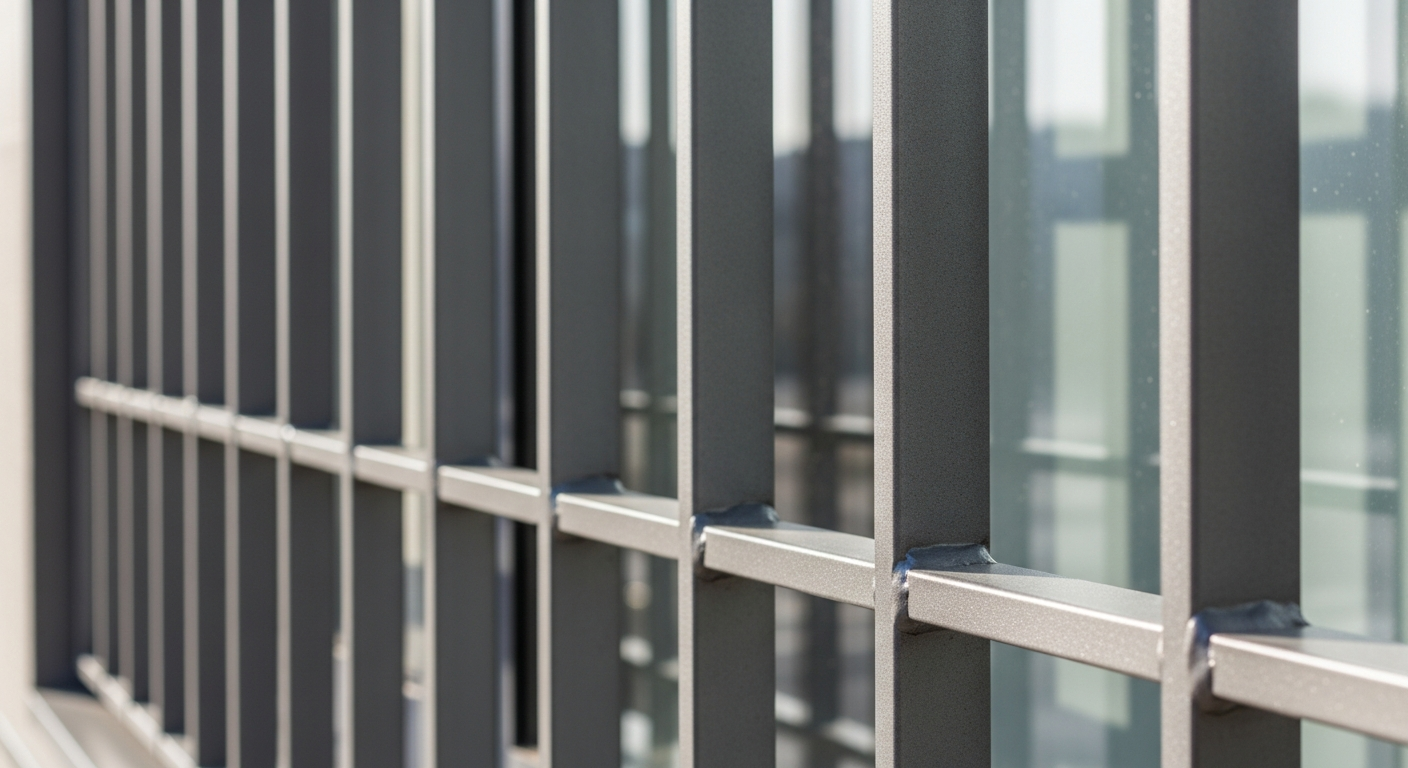
Window security bars are steel or iron grilles installed over window openings. Their job is simple: create a physical barrier that prevents anyone from entering through the window — even if the glass is broken. A burglar who shatters the glass still cannot climb through because the bars block access.
Fixed bars — permanent installation, maximum security
Quick-release bars — open from inside for emergency egress (required by building codes in many states)
Hinged bars — swing open for ventilation or emergency exit
Removable bars — no permanent modification required
What Window Security Film Actually Does
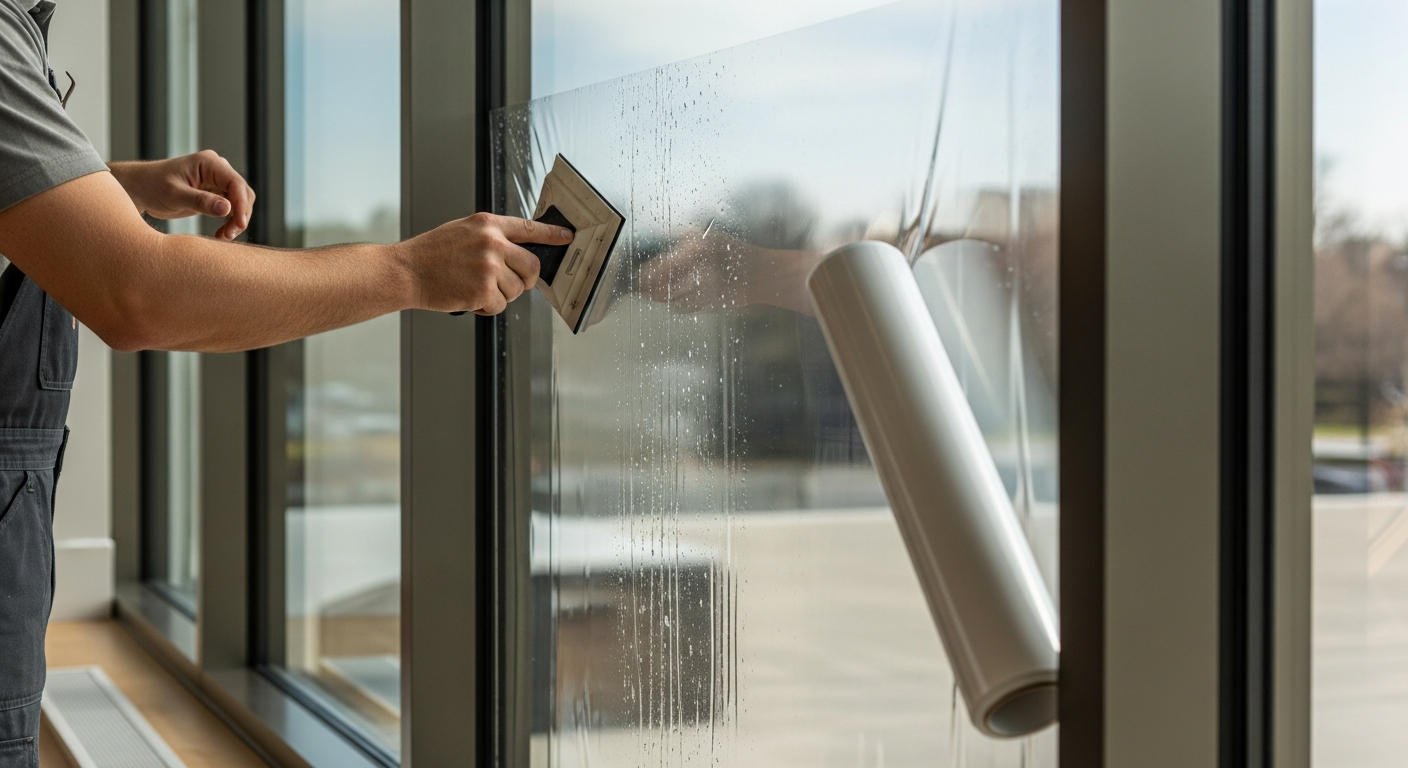
Window security film is a thick polyester laminate applied to the interior glass surface. When a window is struck, the film holds the glass shards together rather than allowing them to scatter or the pane to collapse inward.
Quality security film (3M, Llumar, Solar Gard) typically runs 4–12 mils thick. It does not prevent the glass from breaking — it prevents the broken pieces from falling away and creating an opening. A determined burglar with a hammer can still defeat most security film given enough time.
Security Comparison: Which Actually Stops Burglars?
Speed of Defeat
The University of North Carolina study on convicted burglars found that most opportunistic burglars will abandon an entry attempt within 60 seconds if they meet significant resistance. Window security film can delay entry by 30–90 seconds depending on film thickness and window size. Quality window bars with proper anchoring can prevent entry indefinitely — or at minimum require tools and 5+ minutes that most burglars won’t risk.
Visual Deterrence
Window bars win decisively here. They signal hardened security before a burglar even approaches. Security film is invisible — a would-be intruder has no way to know it’s there until after they’ve already attempted to break the glass. Deterrence prevents the attempt; film only complicates the attempt after it begins.
Entry Point Coverage
Both products are applied per-window. However, bars protect the opening regardless of whether glass is broken, pried, or removed. Film only addresses glass breakage — a burglar who removes the window frame entirely bypasses film entirely.
Cost Comparison (2026)
Cost Factor
Window Bars
Window Security Film
DIY material cost
$80–$250 per window
$8–$25 per window
Professional install
$150–$350 per window
$80–$200 per window
Whole-home (8 windows)
$640–$2,800
$64–$1,600
Lifespan
20+ years
5–10 years
Long-term cost/year
$32–$140/year
$6–$320/year
Over a 20-year horizon, quality window bars are often comparable in cost to repeatedly replacing security film — and provide superior protection throughout.
When to Choose Window Bars
Ground floor windows accessible from street level or alley
High-crime neighborhoods where strong visual deterrence is needed
Vacant or rental properties that need passive protection without monitoring
Older homes with single-pane glass that breaks easily
Businesses or storage units where security trumps aesthetics
When to Choose Window Security Film
Apartments or rentals where you cannot drill or permanently modify
Supplementing bars on already-protected windows (belt-and-suspenders approach)
Upper floors where bar installation is impractical
Protecting against accidental breakage, not just burglary (storms, kids)
HOA properties that prohibit visible security hardware
The Best-Practice Answer: Use Both
Professional security installers and law enforcement consistently recommend a layered approach. Window bars prevent entry through open or broken windows. Security film ensures that if the bars are somehow bypassed or absent, the broken glass doesn’t immediately create an easy access point.
For maximum protection on ground-floor windows: install quick-release window bars on the interior or exterior, then apply security film to the glass itself. The film catches any glass fragments from impact attempts; the bars prevent anyone from passing through.
Does window security film actually prevent break-ins?
Window security film slows break-ins by holding glass together after impact, but it does not prevent determined entry. A burglar with a hammer and 60–90 seconds can defeat most security film. It adds time and resistance but is not a replacement for a physical barrier like window bars.
Can I install both window bars and security film together?
Yes — and security professionals recommend it. Apply film to the glass first, then install the bars over or adjacent to the window frame. The combination addresses both glass breakage (film) and entry through the opening (bars).
How thick should security film be?
For security purposes (not just solar control), look for film rated at 8 mil or thicker. 4-mil film offers minimal security benefit. 12-mil or multi-ply laminate film provides meaningful delay against smash attacks. Ensure the film is anchored to the frame with structural attachment system (S.A.S.) for maximum effectiveness.
Do window bars require quick-release mechanisms?
In most U.S. jurisdictions, yes — if bars are installed on bedroom windows, building codes require quick-release mechanisms that allow escape in a fire. Check your local fire code. Our window security bars include quick-release options compliant with IBC and IRC egress requirements.