Searching window safety bars Screwfix? It's a UK retailer. Here is how US buyers choose bars that still open from inside in a fire.
What do people mean by window safety bars Screwfix?
You typed “window safety bars Screwfix” and the results may have pointed to a UK store. If you live in the US, that matters. Screwfix is a UK trade retailer, and the rules for window bars here come from US building codes, not British ones.
First, be clear about what this article does not do. We have not checked Screwfix's catalog, prices or stock, and we do not compare against it. We also do not cover UK Building Regulations. If you are in the UK, ask your local authority. For a US home, the useful question is different: will this bar keep intruders out and still let someone get out in a fire?
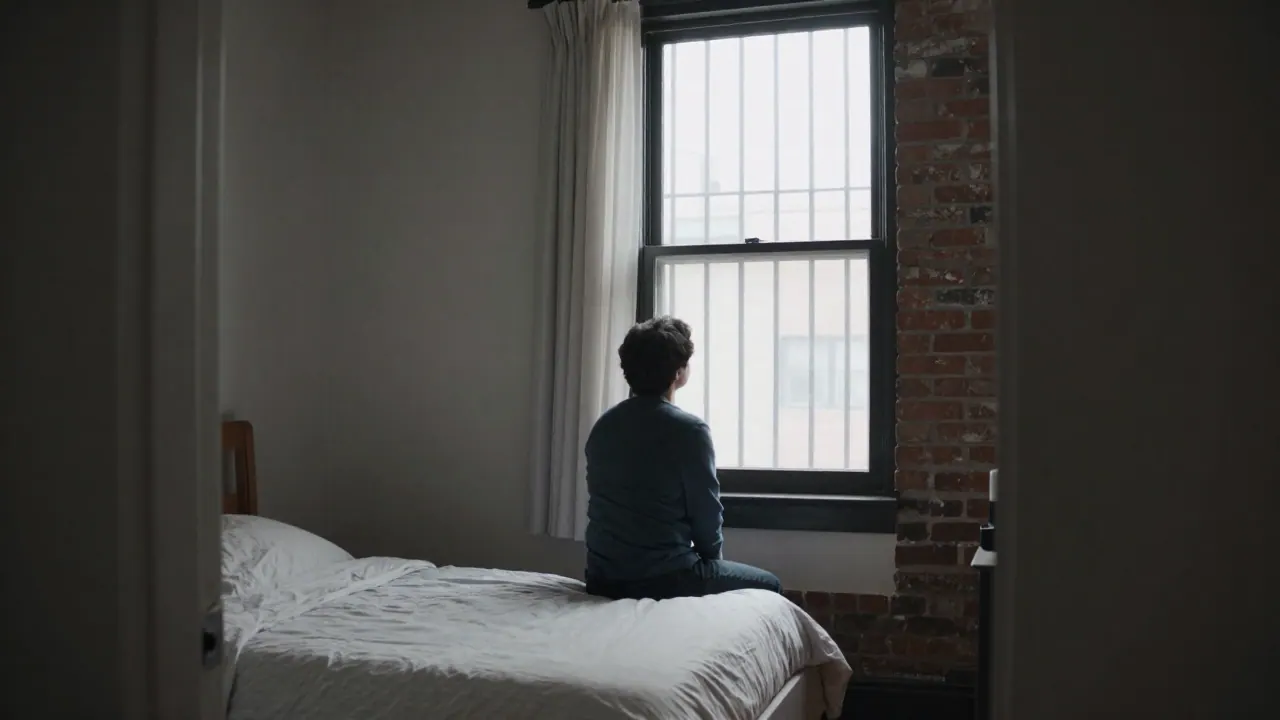
“Window safety bars” is also a loose phrase. It can mean security bars that resist break-ins, window guards that reduce fall risk, or decorative safety grills. Those are three different jobs. A product built for one does not do the others, and mixing them up is where people get hurt.
Many shoppers add “safety door bar” or “window safety grill” to the same search. A door bar is a separate product with its own exit questions, so we stay on windows here. For the wider picture, start with our window security bars guide, then come back to the steps below.
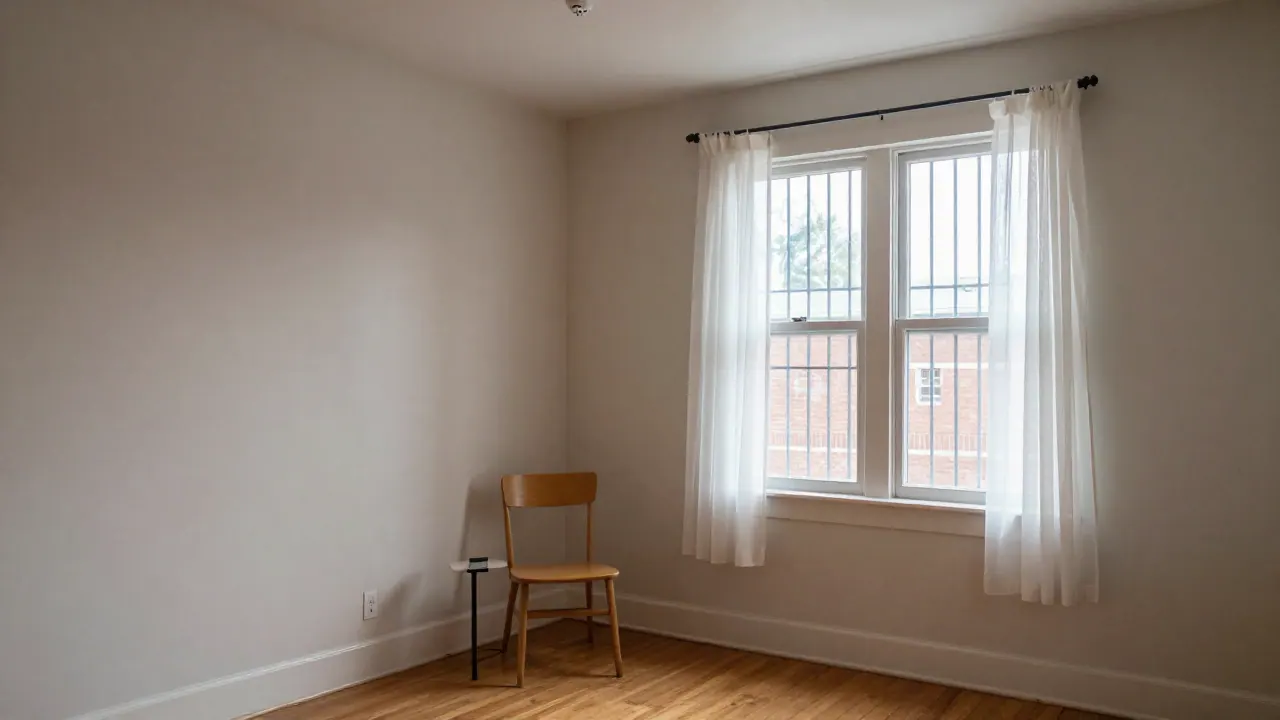
Can window safety bars from a Screwfix search work under US code?
Possibly, but you cannot assume it. A product made for another market was not necessarily sized, tested or described for US rules. In the US, the question is not where you bought the bar. The question is whether it leaves the required opening and releases from inside when it covers an escape window.
Ask three things before you buy any bar from any seller. Which windows will it cover? Is any of them a required escape opening? How does the bar release from inside? If the seller cannot answer the third question in plain language, move on.
Think about practical details too. If a product ships from outside the US, confirm the return terms and the warranty before you pay. Check that measurements are in inches, or convert them carefully. A bar that is a half inch too short is a bar that does not fit.
Fit matters more than most people expect. US window openings come in many sizes, and a fixed-width bar cut for one standard may not span yours. Telescopic and modular designs adjust to the opening, which is why they are common here. Our overview of window bar types explains how fixed, removable and telescopic styles differ.
Finally, remember that price is only one input. A cheaper bar that blocks your only escape route from a bedroom is not a bargain. A bar that suits a window that is not an escape opening can be a sensible, modest purchase.
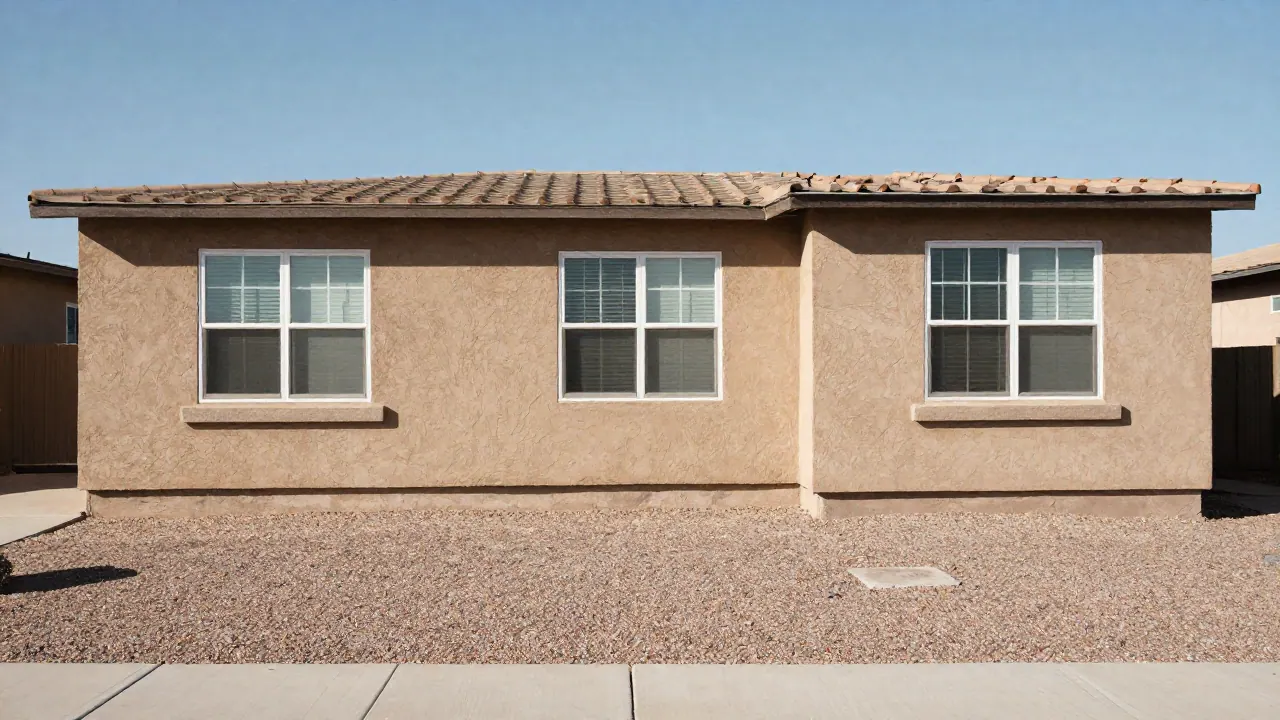
What does US code require from bars on escape windows?
The 2021 International Residential Code (IRC) is the baseline many US jurisdictions build on. Your city or county may adopt another edition or add amendments, so treat this section as a map, not a ruling. Boulder County's building department publishes a clear summary: Boulder County, Emergency Escape and Rescue Openings.
Under 2021 IRC R310.1, basements, habitable attics and every sleeping room need at least one operable emergency escape and rescue opening. There are limited exceptions, such as a basement used only for mechanical equipment. R310.1.1 says the opening must be operable from the inside “without the use of keys, tools or special knowledge.”
The same section sets size and height rules for that opening:
- R310.2.1: net clear opening of at least 5.7 sq ft (5 sq ft at grade floor).
- R310.2.2: net clear height of at least 24 in and net clear width of at least 20 in.
- R310.2.3: bottom of the opening at most 44 in above the floor.
- R310.4: an area well is required when the opening is below grade. R310.4.1 asks for at least 9 sq ft and 36 in. R310.4.2 asks for a permanent ladder or steps if the well is deeper than 44 in.
R310.4.4 speaks to bars directly. Bars, grilles, covers and screens over escape openings or area wells must leave the required net clear opening. They must be “releasable or removable from the inside without the use of a key or tool or force greater than that required for the normal operation of the escape and rescue opening.”
In plain terms, a fixed bar on a bedroom or basement escape window is a problem. A bar that needs a key, a padlock or a tool is a problem. Section numbers change between editions, so say “2021 IRC” when you talk to an inspector. The building official decides whether your installed window complies. Our page on window bars and fire code goes deeper on how to prepare for that conversation.
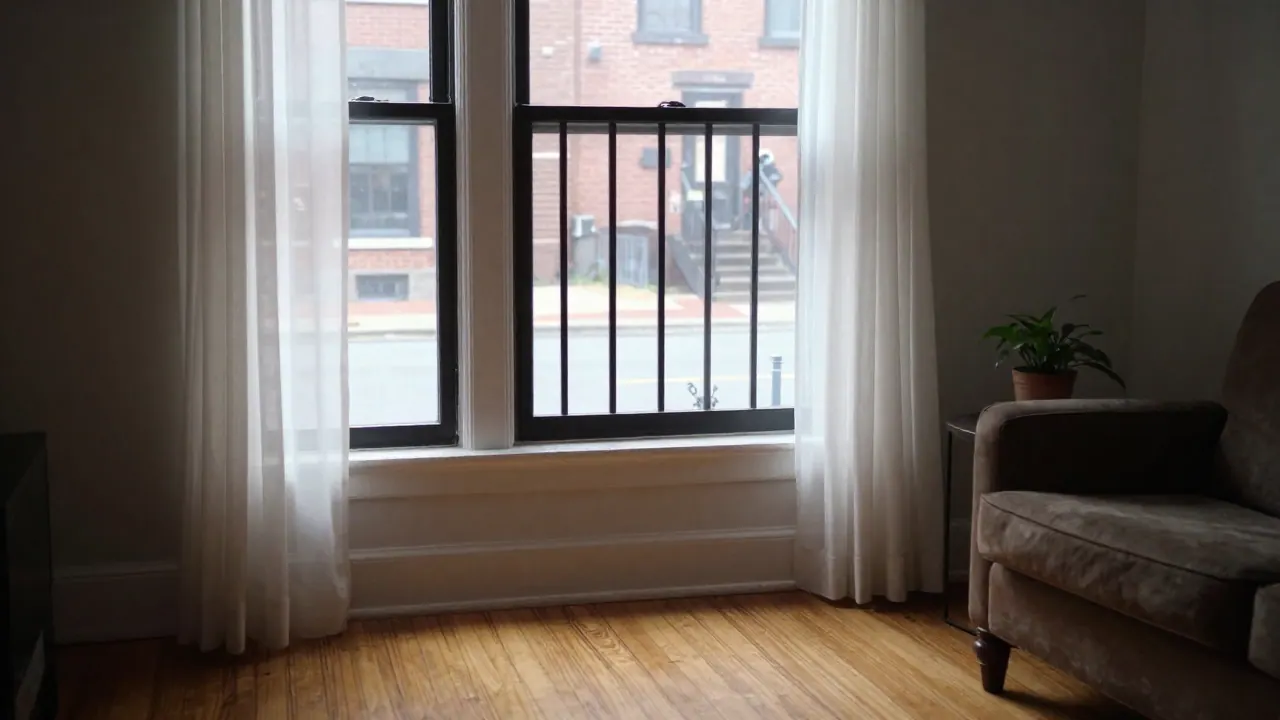
How do window bars fire safety and child window guards differ?
Fire safety and fall safety pull in different directions, and one product rarely does both. The NFPA Security Bar Safety sheet warns that some security bars “can trap you in a fire” and “can also keep firefighters from getting in to rescue you.” It tells households to find at least two ways out of every room, and says all exits, including barred windows, must open easily from inside. Read it here: NFPA, Security Bar Safety, 2019.
The same sheet says to choose bars with quick-release devices and to hold a home fire drill twice a year. If you add bars, practice with them in place. Make sure every adult in the home can find the release and use it, including in the dark.
Falls are a separate problem. NFPA says a window guard or gate, or a window stop or wedge, can keep a child from falling out of an open window. Security bars are not in that category. SWB bars are security bars. They are not child fall-prevention devices, and the 5.25 inch bar spacing does not contain small children or pets. Do not rely on any security bar to protect a toddler or a pet at an open window.
Smoke alarms belong in this conversation too. NFPA's guidance calls for alarms in every bedroom, outside each sleeping area and on every level, including the basement. Test them monthly and replace them at 10 years. See NFPA, Smoke Alarms at Home, 2018. Bars do nothing to warn you, so working alarms matter even more when windows are covered.
So decide the job first. Break-in resistance calls for security bars, with a quick-release where the window is an escape opening. Fall risk calls for a guard or stop made for that purpose. Appearance alone calls for something decorative, still checked against the exit rules above.
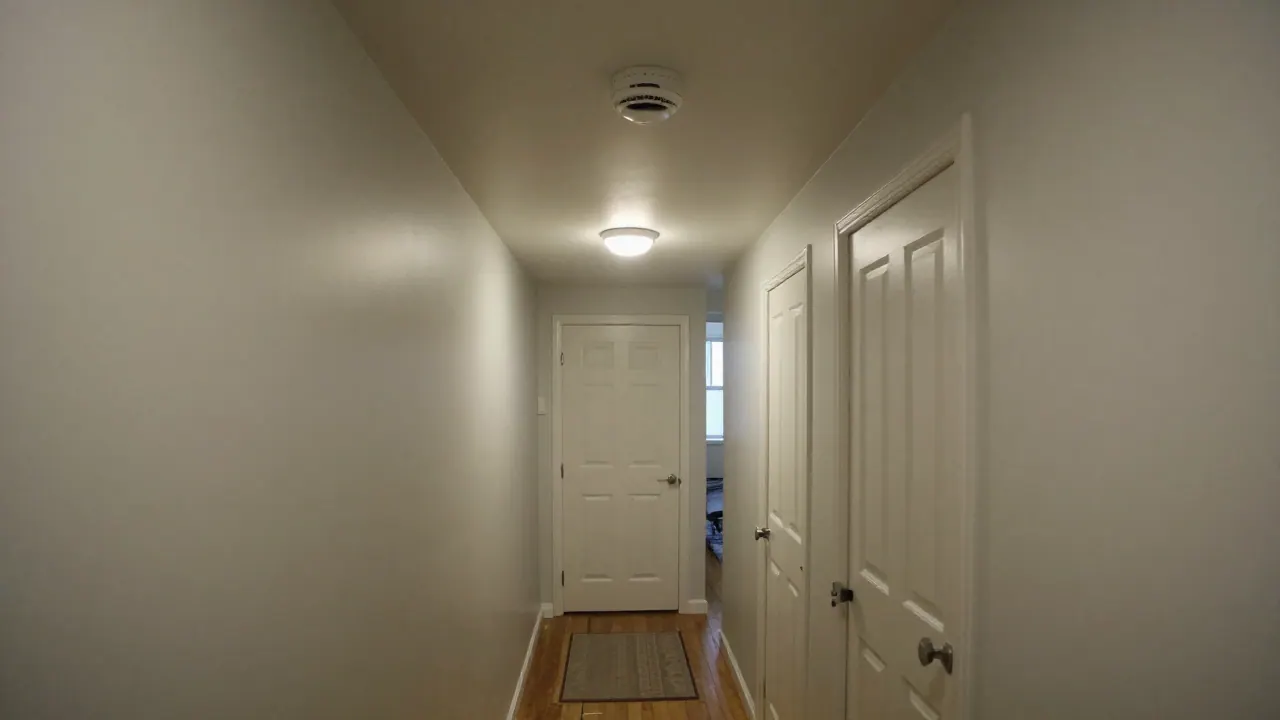
How do you choose window safety bars step by step?
Work window by window, not house by house. A bar that is fine in one room can be wrong in the next. Start by listing each window you want to cover and what room it serves. Then use the table below as a first filter.
| Situation | What to check | Direction |
|---|---|---|
| Bedroom window | Likely a required escape opening. The bar must be releasable from inside without a key or tool. | Only a bar with an inside quick-release. Confirm with the building official. |
| Basement window | Escape opening unless an exception applies. Check the area well if the window is below grade. | Quick-release, with the well kept clear. |
| Window in a room that is not a sleeping room, basement or habitable attic | Not a required escape opening under the 2021 IRC, but local rules may differ. Keep a second way out of the room. | A bar without quick-release may be acceptable. Verify locally. |
| Rental unit | Lease terms and landlord permission. | Get approval in writing before you drill. |
| Upper-floor window, small children or pets at home | Security bars do not prevent falls. | A window guard, stop or wedge made for fall risk. |
Then run this checklist before you order:
- Is the window in a sleeping room, basement or habitable attic?
- Can the bar be released or removed from inside without a key, a tool or extra force?
- Can every adult in the home find and use the release without help?
- Does the room have a second way out?
- Do you rent? Get the landlord's approval in writing.
- Are smoke alarms working in every bedroom, outside sleeping areas and on every level?
- Have you asked the local building department which code edition applies?
Basements deserve extra care because they combine low windows, area wells and escape rules. Our page on window bars for basements covers those cases in more detail. Never fit a lock, padlock or tool-operated fastener to a bar over a bedroom or basement escape window.
Where do SWB Model A, Model B and Model A/EXIT fit?
SWB sells steel telescopic bars for US homes and businesses. They are security bars. The right model depends on whether the window is an escape opening, so match the model to the window, not the other way around.
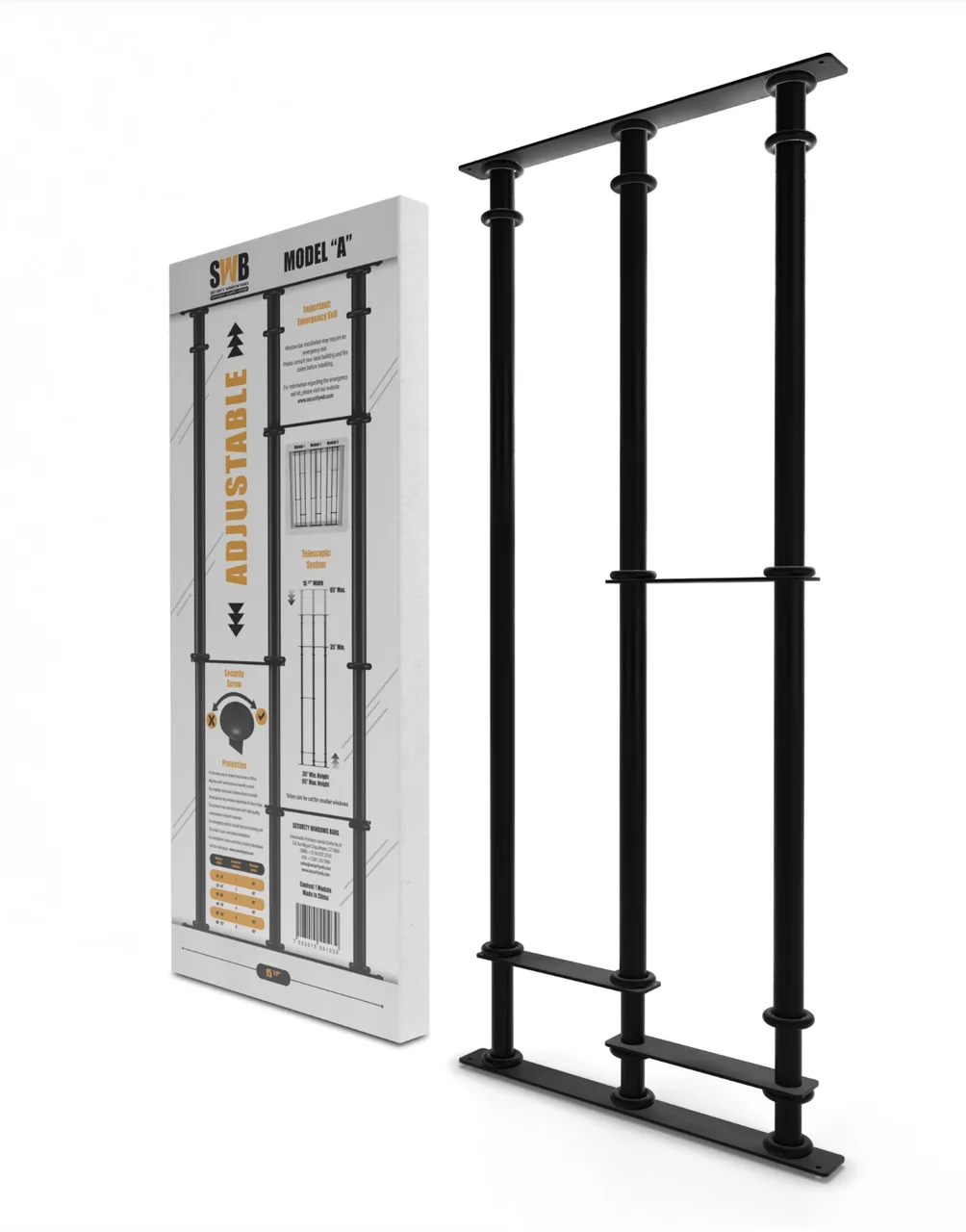
The Model A costs $85 per core module. It telescopes from 35 to 65 inches high. Width is modular at 16 inches per module, and you stack modules for wider windows. Bar spacing is 5.25 inches. It is galvanized steel with electrostatic paint, and it mounts to the frame or the wall. Installation takes 15 to 30 minutes, but the manual drills pilot holes and uses the included anchors, so it is not a no-drilling product. It carries a 1-year limited warranty. It has no integrated quick-release, so it suits windows that are not escape openings.
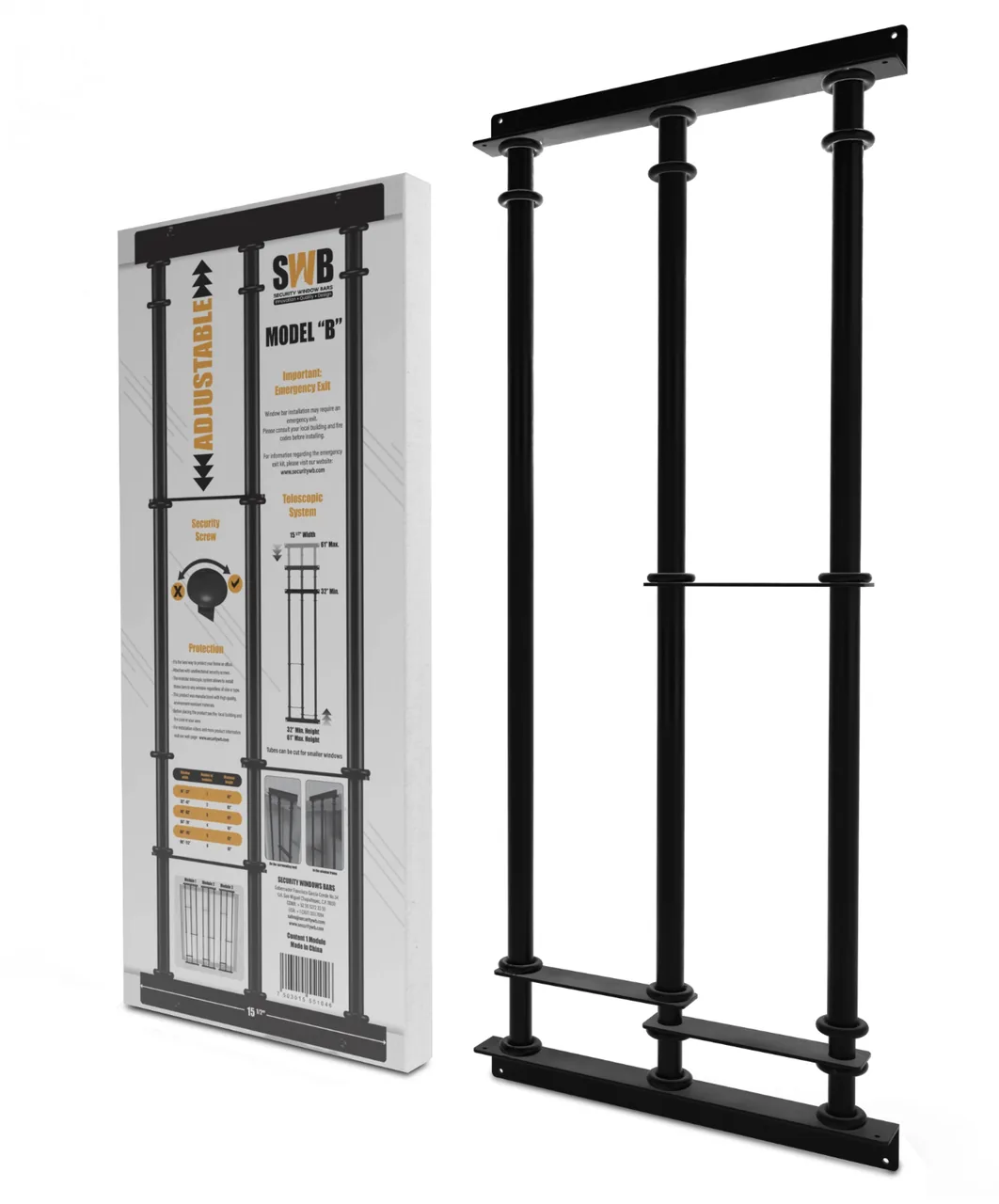
The Model B is also $85 per core module. It telescopes from 35 to 61 inches high and is wall-mounted, which helps on masonry, stucco and irregular frames. SWB itself lists it as not rated for fire code or egress. It belongs only on windows that are not escape openings.
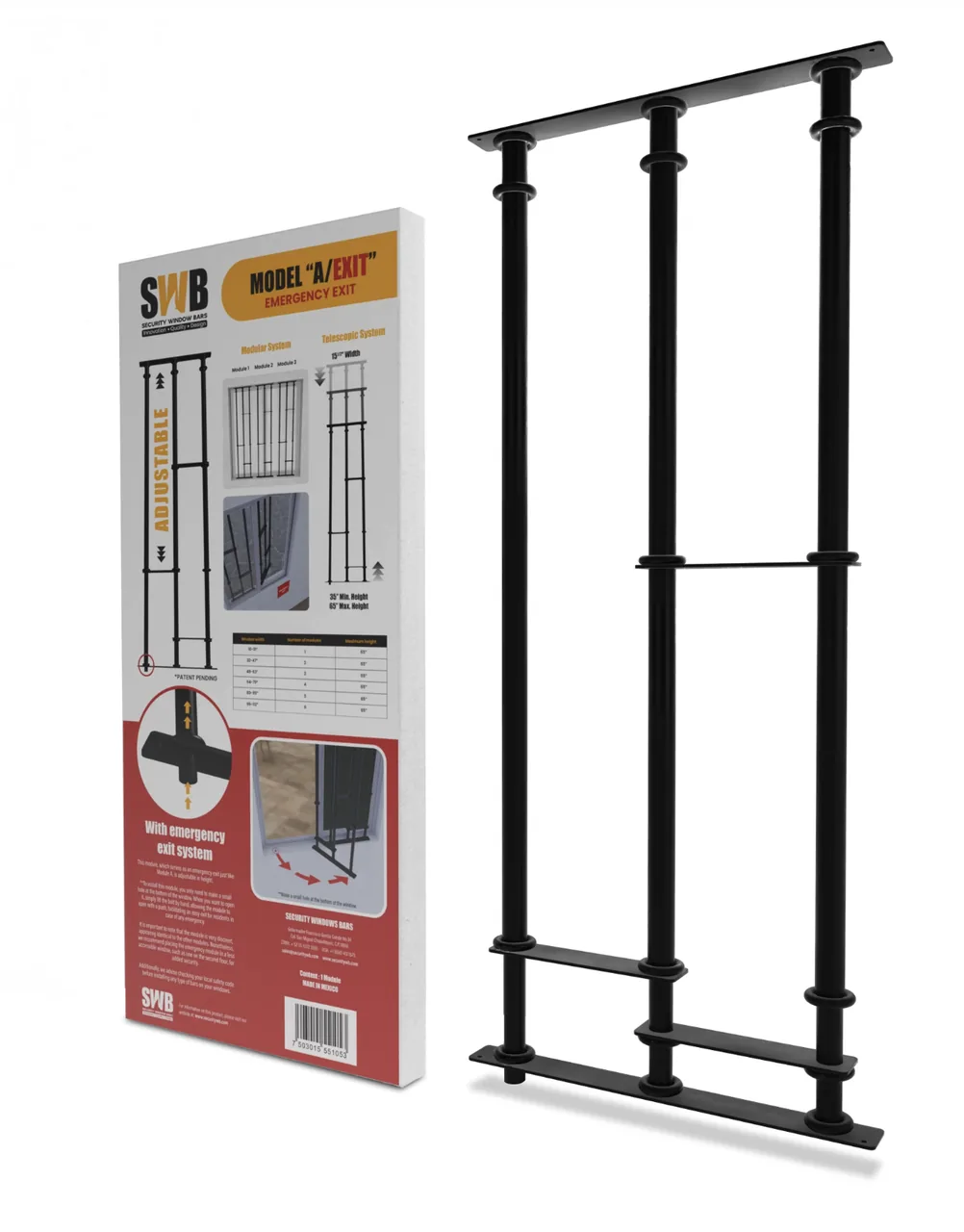
The Model A/EXIT is quote only and sold online. It has a 35 inch base that telescopes up to 65 inches high, with a 43 inch base width that expands with modules. A hand-operated lift-bolt quick-release works from inside, and the bar stays rigid from outside. SWB describes it as its egress-compliant model and the only one with a built-in quick-release. That is the manufacturer's description. The building official decides whether the installed window complies.
None of these models is a child or pet fall-prevention device. If a child or pet is the concern, use a guard or stop made for that purpose, and keep the bar for security.
Frequently Asked Questions
Are window safety bars from Screwfix suitable for US homes?
We have not checked Screwfix's products, and Screwfix is a UK retailer. Any bar from any seller must still satisfy your local US code where it covers an escape window, and the building official decides.
Can I put safety bars on a bedroom window?
Only if the bar can be released or removed from inside without a key, tool or extra force, per 2021 IRC R310.4.4. Local code may differ, so confirm with your building department.
Do window safety bars stop children from falling?
No. SWB bars are security bars, and the 5.25 inch spacing does not contain small children or pets. NFPA says a window guard, stop or wedge can help prevent falls.
Does the SWB Model A have a quick-release?
No. Model A has no integrated quick-release, so use it on windows that are not escape openings. SWB describes Model A/EXIT as the only model with a built-in quick-release.
How many ways out should a room have?
NFPA advises finding at least two ways out of every room. All exits, including barred windows, must open easily from inside.
Sources (facts checked 2026-11-15)
- Screwfix, About Us (found via search, page not opened)
- Boulder County Building Division, Emergency Escape and Rescue Openings (B10), citing the 2021 IRC
- NFPA, Security Bar Safety, 2019
- NFPA, Smoke Alarms at Home, 2018
Code numbers refer to the 2021 International Residential Code; your city or state may have adopted a different edition. Confirm with your local building department or fire marshal.
A search for window safety bars Screwfix is a good prompt to ask the right questions, even if the store is in another country. Decide which windows are escape openings, insist on an inside release where they are, keep smoke alarms working and use a proper guard if falls are the worry. If you want to compare options, browse the quote page for Model A/EXIT or review the Model A and Model B pages above at your own pace. Ask your building official before you install anything over a bedroom or basement window.
The SWB models
Keep reading

Security Window Bars. Product facts come from SWB's published specifications. Your local building department has the final word on bedroom windows.