Window safety bars nearby: what to check in a local store or online before you buy, from exit rules to child fall limits and fit.
What Do You Get When You Search for Window Safety Bars Nearby?
Window safety bars nearby is a search that mixes three needs: keeping intruders out, keeping a fall from happening, and keeping a way out for you in a fire. One product rarely covers all three. The National Fire Protection Association (NFPA) warns that some security bars can trap you in a fire and can also keep firefighters from getting in to rescue you. So name your problem before you name a store.
Local hardware stores and home centers often sell safety grills and window safety grill kits as security hardware. Online sellers usually cover more sizes. Stock and brands change from city to city, so call before you drive, and do not assume a nearby shop carries what you need. Being close helps you handle a product. It tells you nothing about whether the product is right for your window.
Ask the same five questions wherever you shop. Is this a bedroom or basement window? Does the bar open from inside without a key, a tool or special knowledge? Does it fit the opening you measured? What does the maker say the product is for? Does the product page speak plainly about fire code and egress, or does it skip the subject?
The names on the shelf also blur. “Safety bar,” “security bar,” “guard” and “grille” are often used for similar hardware, and a safety door bar is a different product again. If a description does not say what the item protects against, treat that as a warning sign. Our guide to the types of window bars explains how fixed, removable and quick-release styles differ.
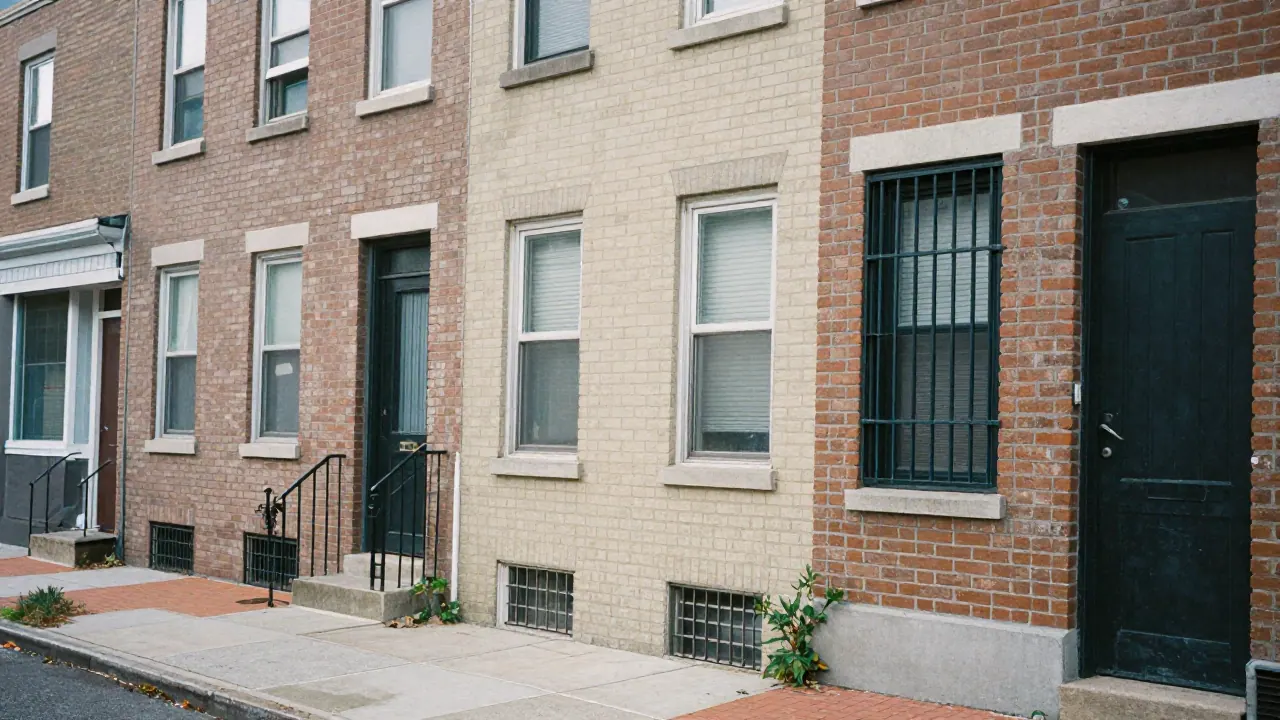
Are Window Safety Bars Nearby Safe for Bedrooms and Basements?
They can be, but only if the bar still lets you leave. Window bars fire safety comes down to one rule: an escape window must open fast from inside. The 2021 International Residential Code (IRC) section R310.1 requires basements, habitable attics and every sleeping room to have at least one operable emergency escape and rescue opening, with limited exceptions, such as a basement used only for mechanical equipment. Section R310.1.1 says the opening must be operable from the inside “without the use of keys, tools or special knowledge.”
Bars sit on top of that rule. Section R310.4.4 says bars, grilles, covers and screens over escape openings or area wells must leave the required net clear opening and be “releasable or removable from the inside without the use of a key or tool or force greater than that required for the normal operation of the escape and rescue opening.” A bar that needs a key, a padlock or a screwdriver does not belong over a bedroom or basement escape window.
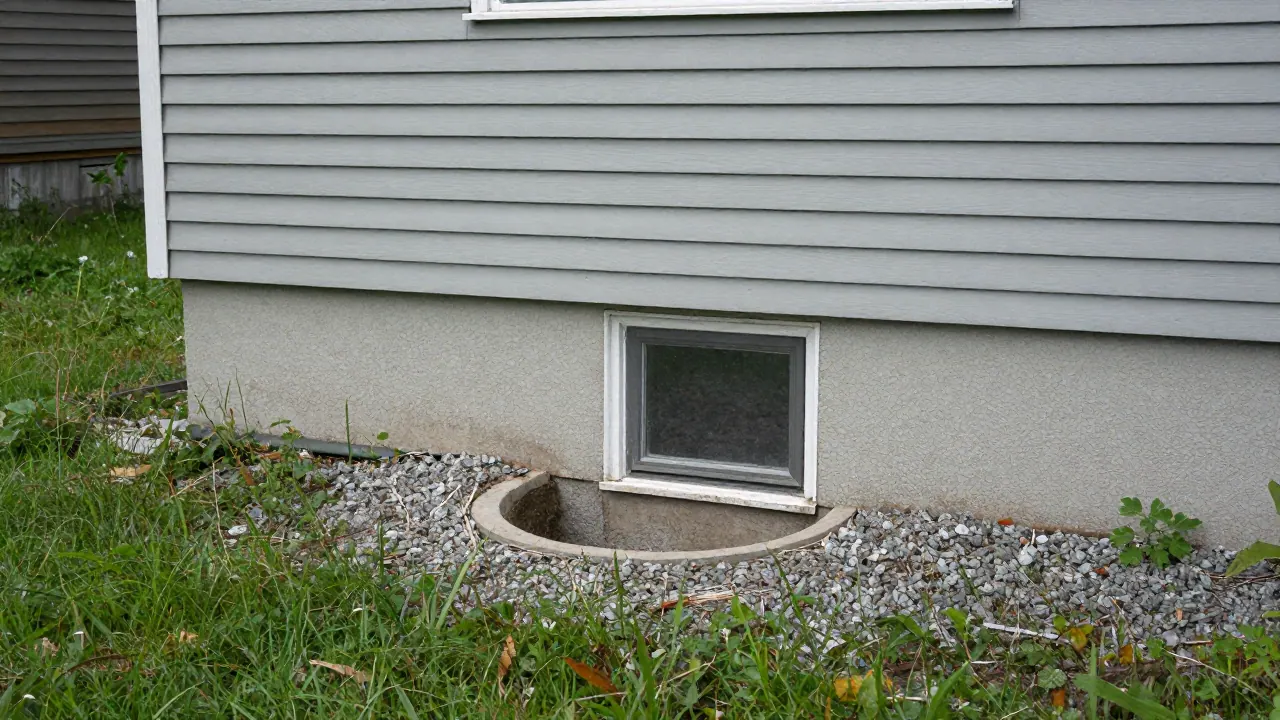
The 2021 IRC also sets size limits for the opening. The net clear opening must be at least 5.7 square feet (5 square feet at grade floor). The net clear height must be at least 24 inches and the width at least 20 inches. The bottom of the opening can be at most 44 inches above the floor. If the opening is below grade, an area well is required (at least 9 square feet and 36 inches), plus a permanent ladder or steps if it is deeper than 44 inches. The Boulder County guide to emergency escape and rescue openings walks through these sections. Section numbers change between code editions and local code may differ, so confirm with your building department.
NFPA's Security Bar Safety sheet says the same thing in plain language. Find at least two ways out of every room. Make sure all exits, including barred windows, open easily from inside. Choose bars with quick-release devices. Hold a home fire drill twice a year. A safety door bar follows the same logic: if it slows the way out, it is the wrong bar for that opening. Our pages on window bars and fire code and basement window bars go deeper on the rules.
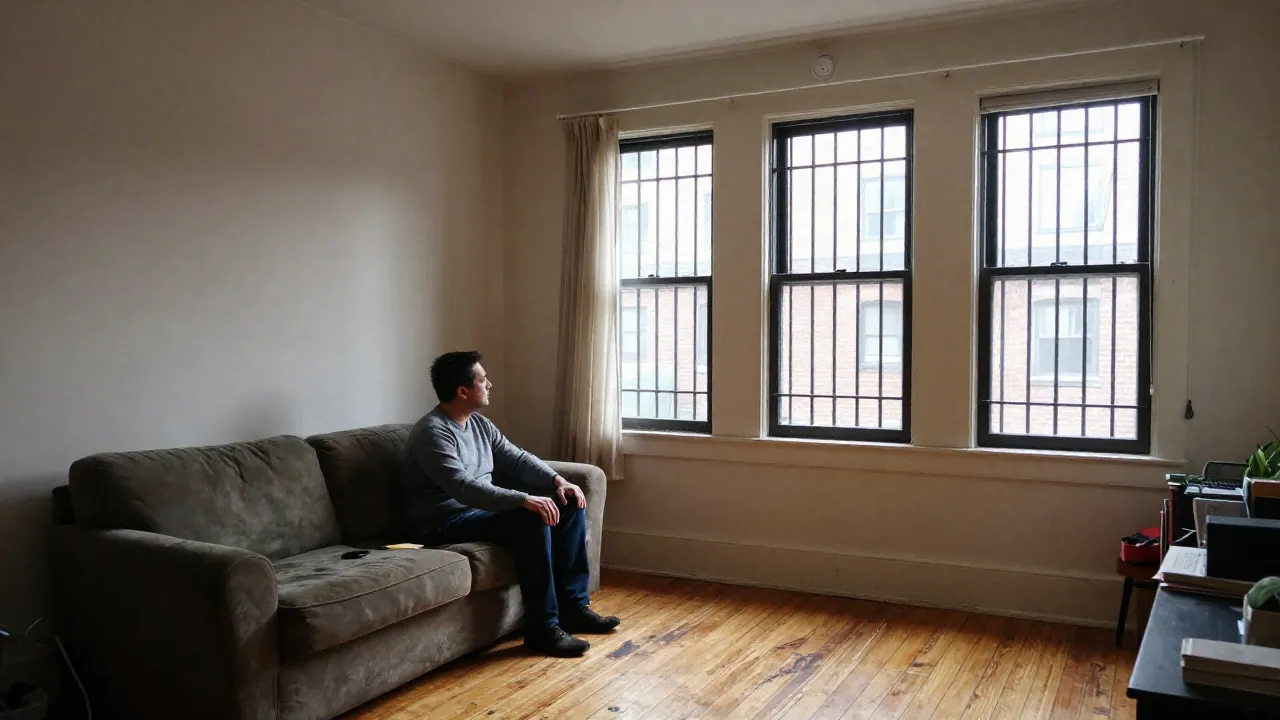
Do Safety Grills and Window Safety Bars Stop a Child From Falling?
Not the security bars SWB sells. SWB bars are security bars. They are not child fall-prevention devices, and the 5.25-inch bar spacing does not contain small children or pets. Do not count on any security bar to hold back a toddler or a cat at an open window.
Falls and break-ins are separate problems with separate tools. The NFPA Security Bar Safety sheet notes that a window guard or gate, or a window stop or wedge, can keep a child from falling out of an open window. Look for products sold for that purpose, and read the maker's instructions for how they attach and how they open.
The two goals can collide. A guard over a bedroom or basement window is still hardware over an escape opening, so the exit rules in the previous section still matter. Ask your local building department or fire department how they apply to the guard you are considering before you install it. Make sure every adult in the home knows how each window opens.
Pets are the same story. Screens are made to keep insects out, not to hold anyone back. If a child or pet is in the home, keep windows closed, or open only as far as a stop allows, whenever no adult is in the room. This is general caution, not a measured figure, and it does not replace a product made for fall prevention.
How Do You Compare a Window Safety Grill Before You Buy?
Start with the window's job, then match the hardware. The table sorts common situations. It is a decision aid, not a code ruling. Your building official decides whether an installed window complies.
| Your situation | What to look for | SWB note |
|---|---|---|
| Bedroom or basement window that serves as an escape opening | Release from inside with no key or tool, and the required clear opening left intact | SWB describes Model A/EXIT as its egress-compliant model, with a built-in quick-release. Quote only. |
| Window that is not an escape opening (confirm with your building department) | Solid steel, correct size range, secure mounting | Model A has no integrated quick-release. Model B is not rated for fire code or egress. |
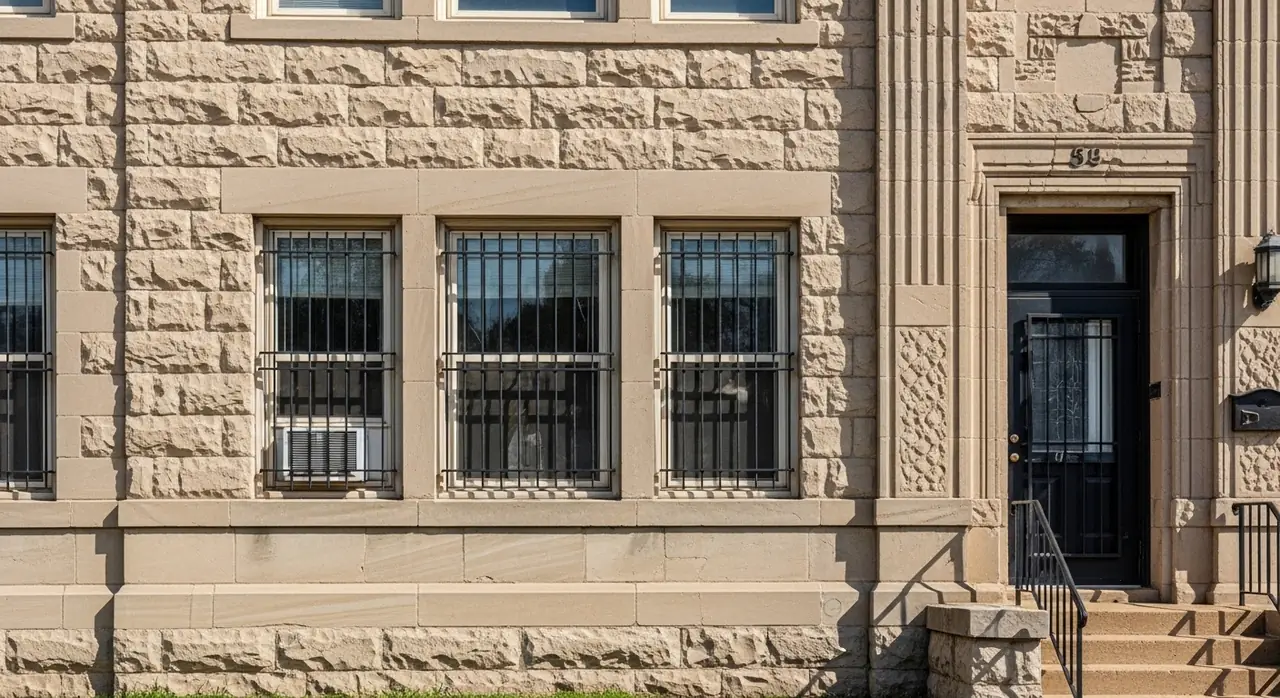
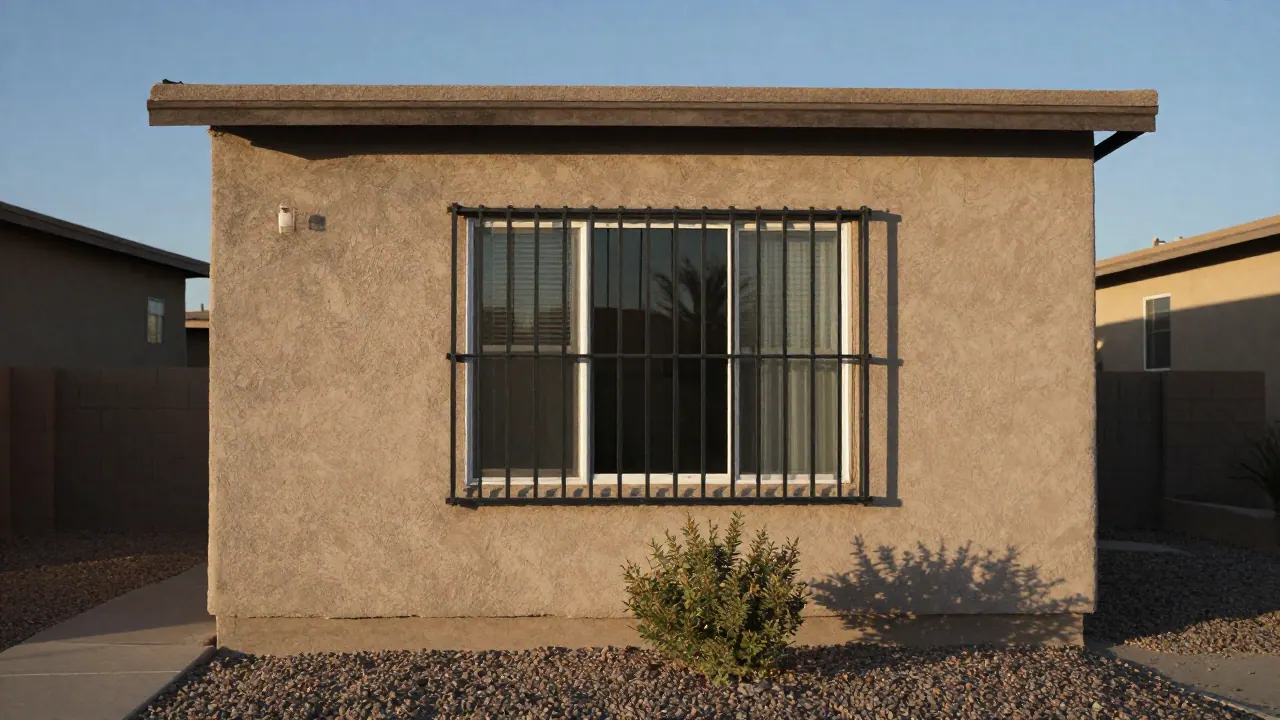
| Masonry, stucco or irregular frame | Wall-mount option | Model B is made for these surfaces, on non-escape windows only. |
| Your worry is a fall from an open window | A window guard, gate or stop sold for that purpose | SWB bars are security bars, not fall protection. |
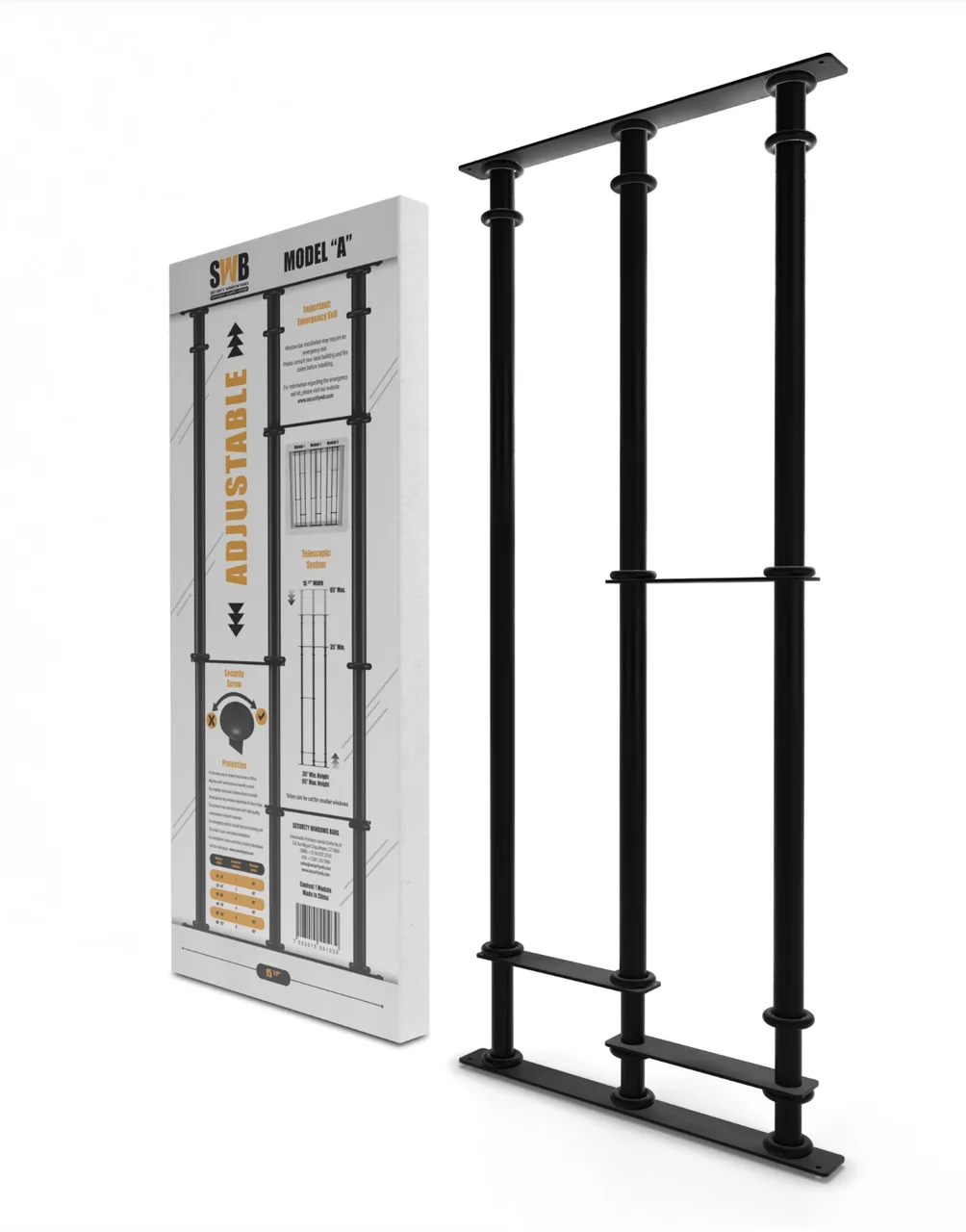
Here is what SWB publishes. Model A is $85 per core module. It telescopes from 35 to 65 inches in height, and width is modular at 16 inches per module, so you stack modules for wider windows. Bar spacing is 5.25 inches. It is galvanized steel with electrostatic paint and mounts to the frame or the wall. The manual calls for 15 to 30 minutes, drills pilot holes and uses the included anchors, so this is not a no-drilling product. It carries a 1-year limited warranty.
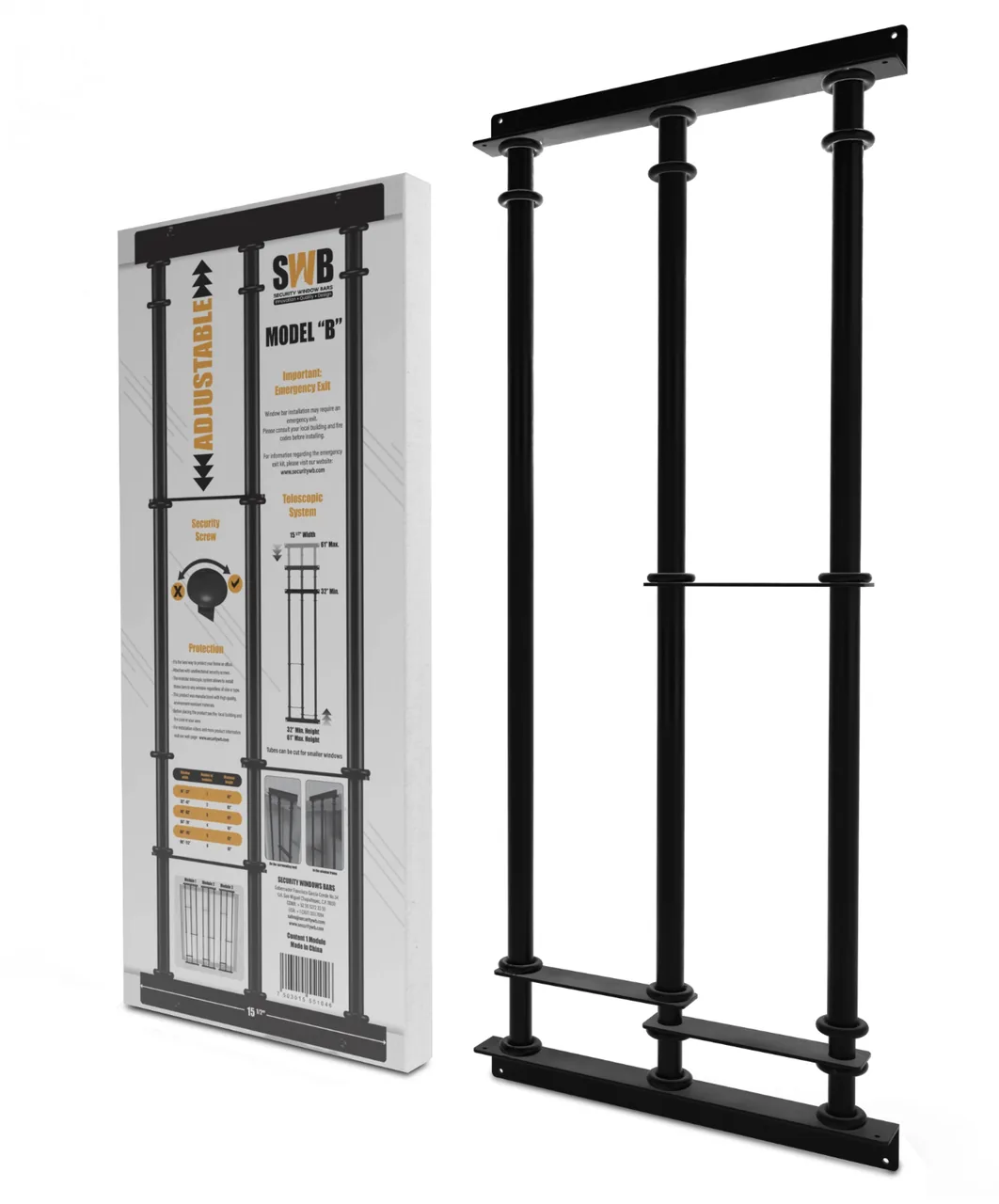
Model B is also $85 per core module, with a height range of 35 to 61 inches. It is a wall-mount bar for masonry, stucco and irregular frames. SWB itself lists it as not rated for fire code or egress, so it goes only on windows that are not escape openings.
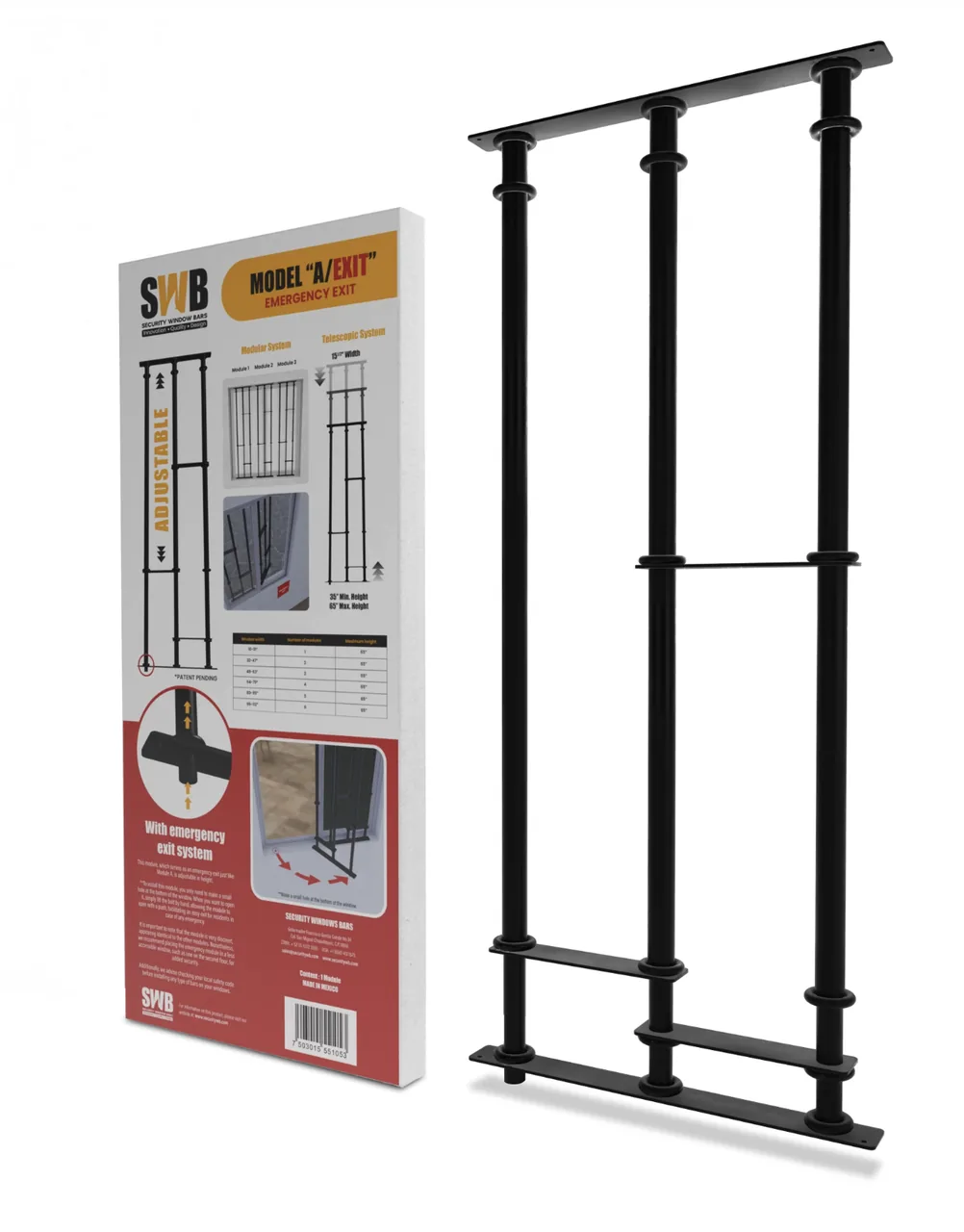
Model A/EXIT is quote only and sold online. It has a 35-inch base that telescopes to 65 inches high, and a 43-inch base width that expands with modules. SWB describes a hand-operated lift-bolt quick-release from inside, with the bar rigid from outside, and calls it the only SWB model with a built-in quick-release. When you shop for fire safety window bars anywhere, ask which release works from inside and read what the maker claims and what it leaves out.
What Should You Check Before You Install and Test Window Bars?
Use this checklist before you buy and again after you install.
- Ask your building department or landlord which windows count as required escape openings.
- Measure the opening and compare it with the bar's published height and width range.
- For any escape window, choose a release that works from inside without keys, tools or special knowledge.
- Check your wall: wood or metal frame, masonry or stucco. The mounting style depends on it.
- Renters: get written approval from your landlord before you drill into anything.
- After installing, open the release from inside, and make sure every adult in the home can do it.
- Test the release again at each home fire drill.
Plan for the real install, too. For Model A the manual calls for pilot holes and the included anchors, and SWB lists 15 to 30 minutes. If you are unsure about your wall, read our window bars installation guide before you start.
Bars are only one layer. The NFPA Smoke Alarms at Home sheet says to put alarms in every bedroom, outside each sleeping area and on every level, including the basement. Test them monthly and replace them at 10 years.
Finally, run the drill. NFPA recommends practicing your home fire drill twice a year and knowing two ways out of every room. If the drill shows that a barred window is slow or confusing to open, fix that before anything else.
Frequently Asked Questions
Where can I find window safety bars nearby?
Hardware stores, home centers and online sellers carry them, but stock varies by city, so call first. Judge a bar by its release, fit and stated purpose, not by distance. SWB sells its steel bars online.
Are window safety bars the same as safety grills?
The names overlap, and both usually mean bars or grilles over a window. Check what the maker says the product is for and whether it opens from inside.
Can window bars stop a child from falling?
SWB bars cannot. They are security bars, and the 5.25-inch spacing does not contain small children or pets. NFPA says a window guard, gate, stop or wedge can help keep a child from falling out of an open window.
Do window bars need to open from inside?
Over bedroom and basement escape openings, the 2021 IRC (R310.4.4) requires bars to be releasable or removable from inside without a key, tool or extra force. Local code may differ, so confirm with your building department.
Does Model A have a quick-release?
No. Model A has no integrated quick-release. SWB describes Model A/EXIT as the only model with a built-in hand-operated lift-bolt quick-release, and the building official decides compliance of the installed window.
Sources (facts checked 2026-11-22)
- Boulder County Building Safety, Emergency Escape and Rescue Openings (B10), 2021 IRC
- NFPA, Security Bar Safety, 2019
- NFPA, Smoke Alarms at Home, 2018
Code numbers refer to the 2021 International Residential Code; your city or state may have adopted a different edition. Confirm with your local building department or fire marshal.
A good search for window safety bars nearby ends with three answers: which windows must stay easy to open, whether you are solving a security problem or a fall problem, and which hardware fits your wall and your window. If you want to compare steel bars for non-escape windows or ask about an inside quick-release for an escape window, you can request a quote and talk it through at your own pace. Whatever you choose, test the release, check your smoke alarms and ask your local building official.
The SWB models
Keep reading

Security Window Bars. Product facts come from SWB's published specifications. Your local building department has the final word on bedroom windows.