Anti-Theft Windows vs Security Bars: Which Stops Break-Ins?
One slows glass penetration. One stops entry completely. Understanding the difference leads to the right combination for your specific threat environment.
Direct Answer
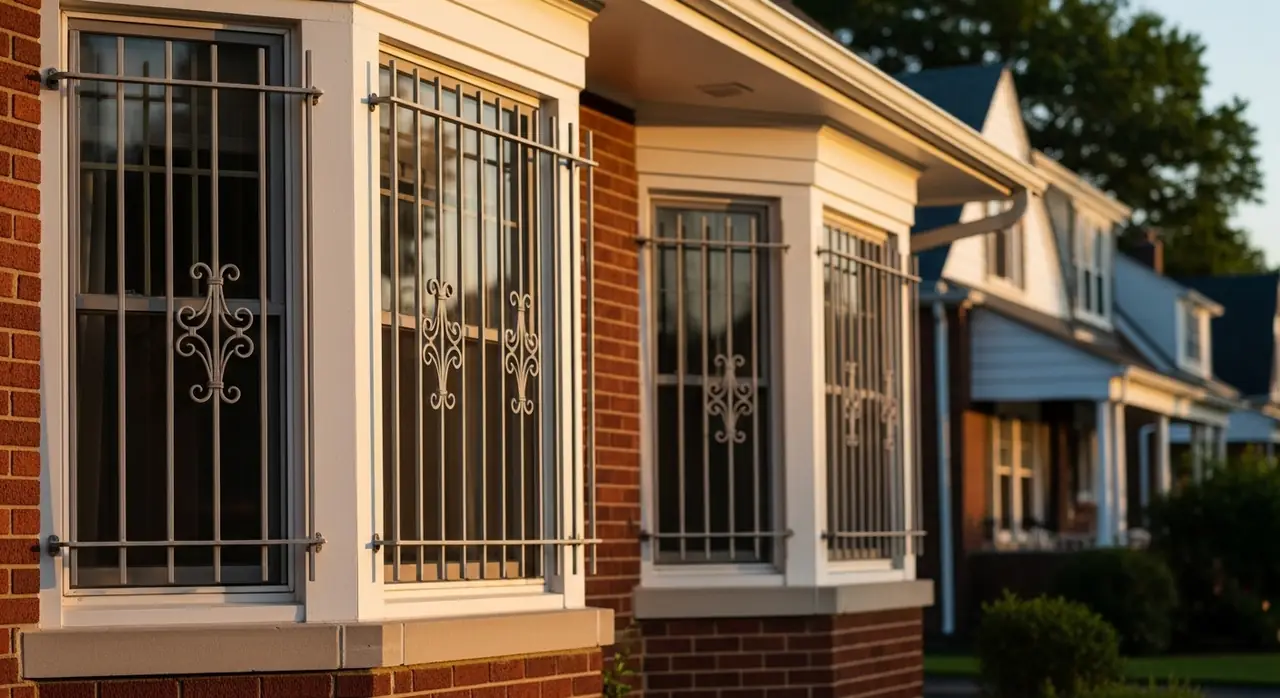
Security bars stop break-ins. Anti-theft window treatments delay them. A 16-gauge steel bar resists 1,000+ lbs — no residential burglar overcomes this. The best security film adds 90 seconds to glass penetration time, which deters most opportunistic attempts but doesn't stop determined ones. For maximum protection: steel bars + window film on any critical window.
The Short Answer: Different Problems, Different Solutions
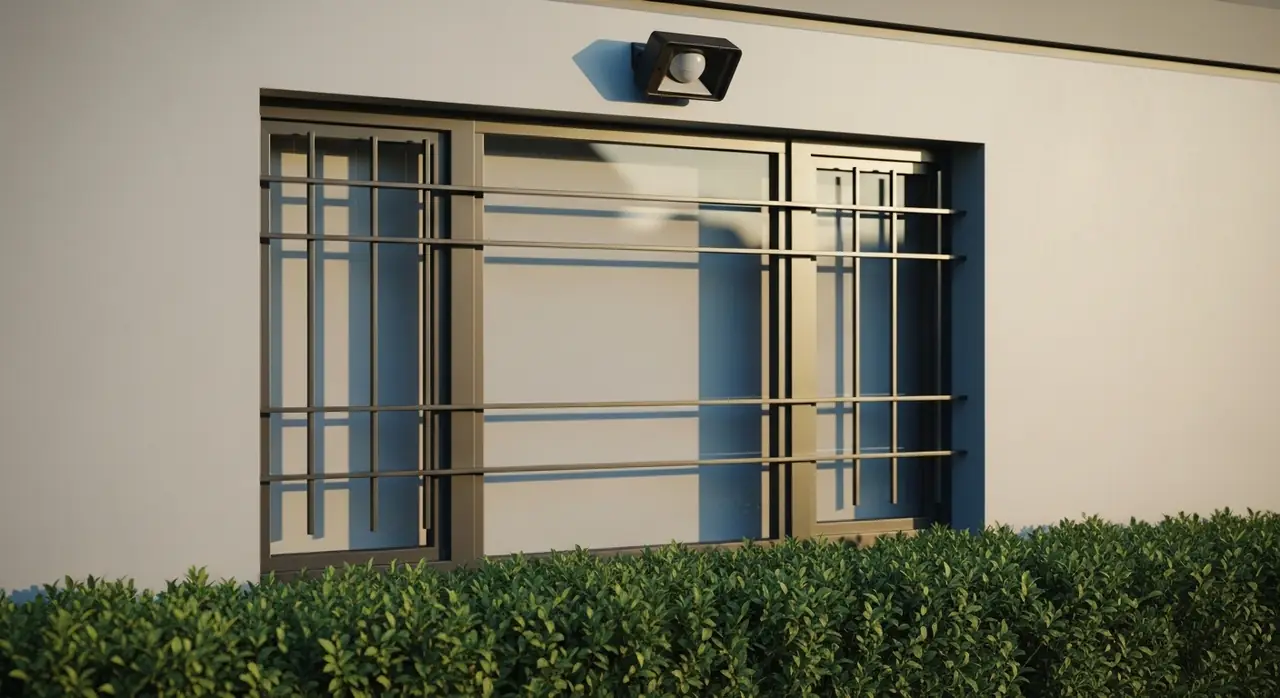
Anti-theft window film is a glass protection product. It holds shattered glass together, slowing the time from first strike to usable opening. Against a hammer or rock: a single layer of standard glass fails in 1–2 seconds. 4-mil security film: 60–90 seconds. High-security laminate: 8–12 minutes.
Security bars are a physical barrier. They don't interact with the glass at all — they prevent entry through the window opening regardless of glass state. A determined attacker can break the glass, remove the shards, and still face the steel bar. The bar is the final layer.
Why This Matters More Than You Think
FBI forced-entry data shows: most residential burglars attempt entry for less than 60 seconds before abandoning a target. The objective for most security products isn't to stop a determined attacker indefinitely — it's to exceed the 60-second threshold that makes a target appear too risky.
Under this framework:
- Window film alone: +60–90 seconds for opportunistic attempt. Sufficient to deter most.
- Security bars alone: Makes forced entry via window technically very difficult — most burglars see bars and skip the window entirely.
- Both: Maximum deterrence. Film prevents the initial "test kick" from immediately succeeding. Bars stop any sustained attempt.
The Full Answer: What the Research Shows

A 2023 UNC Charlotte criminology study found that 83% of convicted burglars altered their behavior based on security hardening they noticed — and window bars were among the highest-weight deterrence factors. Window film was not listed as a noted deterrent because it's invisible from outside.
The practical implication: bars create visible deterrence before an attempt starts. Film creates delay if an attempt starts. Bars are the higher-value investment for deterrence. Film is a valuable addition, not a replacement.
The SWB Solution
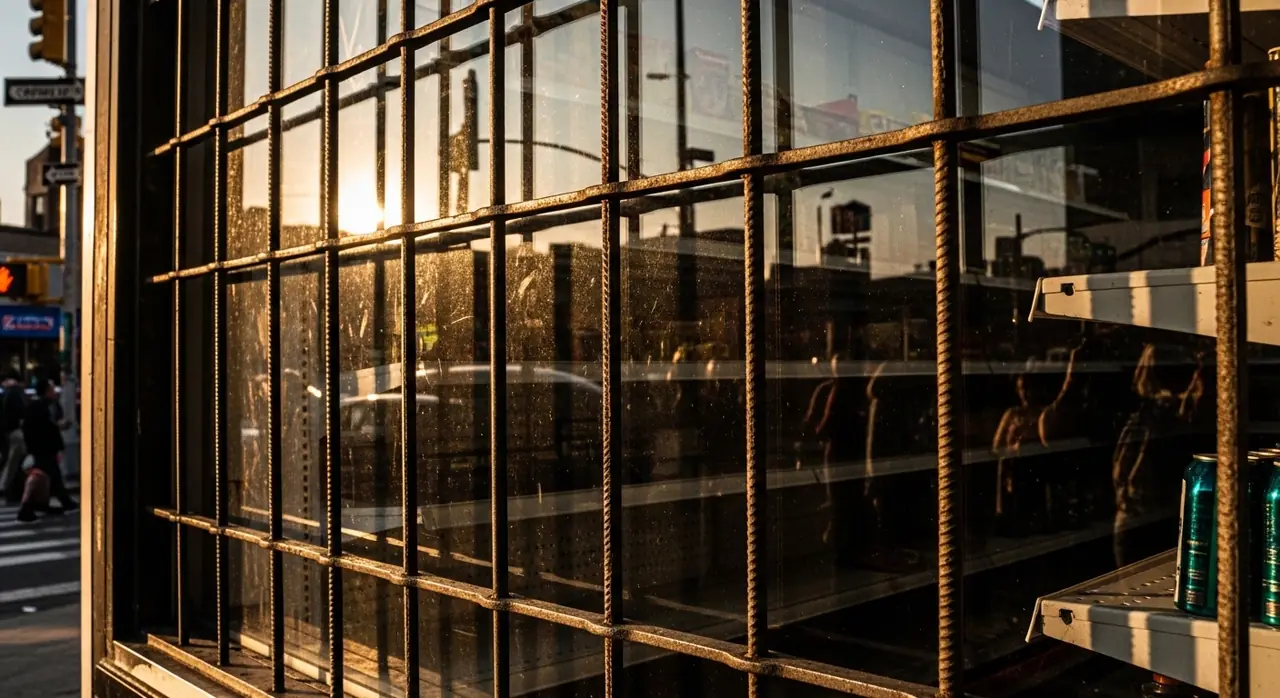
SWB Model A: 16-gauge steel, 1,100 lbs, 27"–48". The physical barrier that ends 99% of attempted window entries before they reach the glass. For windows where both bars and film make sense — ground floor facing alleys or concealed areas — add 3M Safety Series film after bar installation. Under $50 for the film per window.
FAQ
Does anti-theft window film work?
It slows glass penetration — 1–2 seconds without film, 60–120 seconds with 4-mil film, 8–12 minutes with high-security laminate. Delays entry, doesn't prevent it. Deters opportunistic attempts effectively.
Security bars vs reinforced glass?
For forced entry: bars win decisively — 1,000+ lbs vs glass that fails under sustained attack with correct tools. For smash-and-grab deterrence: both work similarly by exceeding the time threshold.
Should I use both?
Yes for maximum security. Bars stop the primary vector. Film protects glass and prevents reach-through if glass is broken. Adding 3M Safety Series film to a barred window costs $35–80 per window.