THEY
WON'T
GET IN.
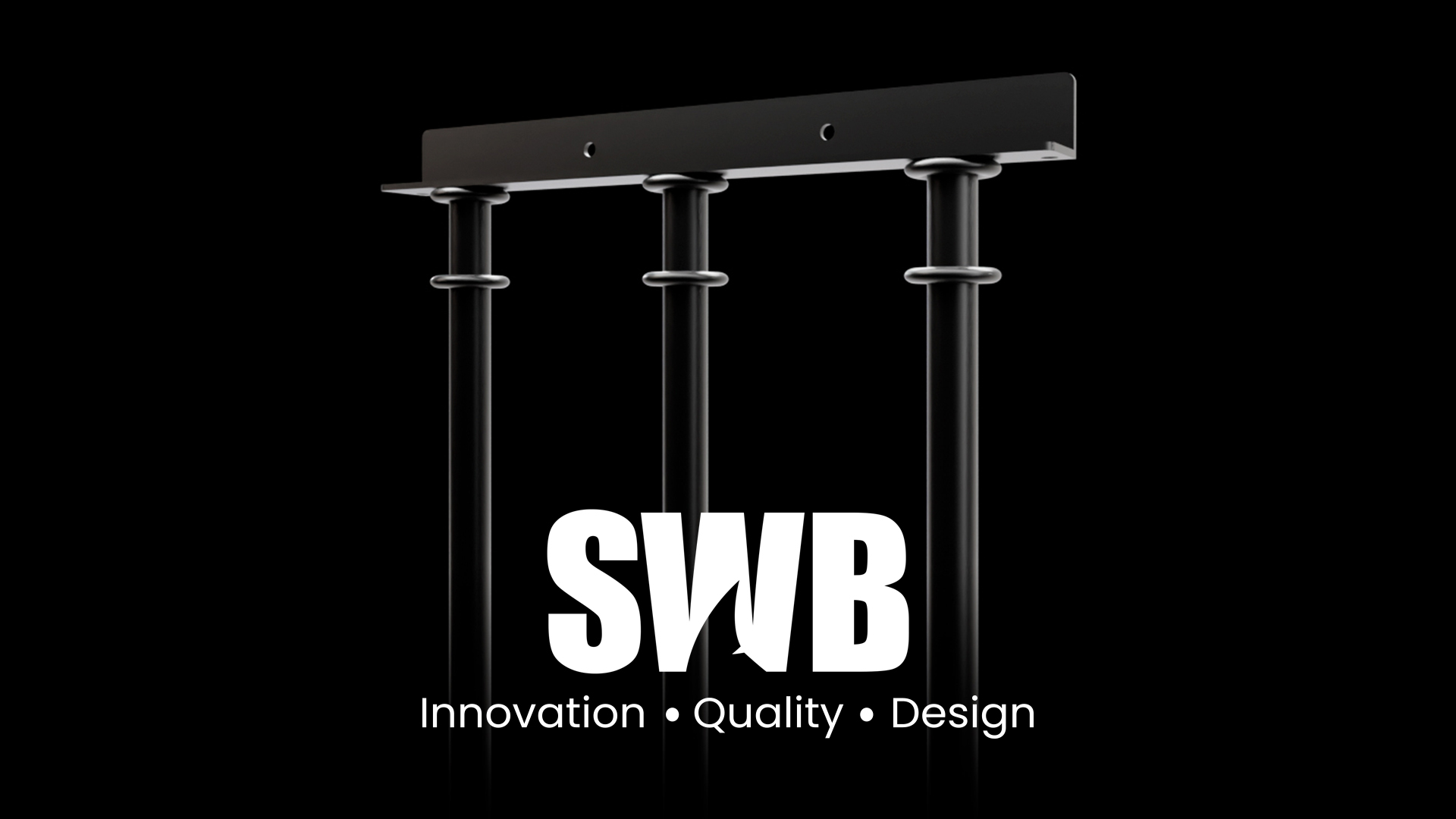
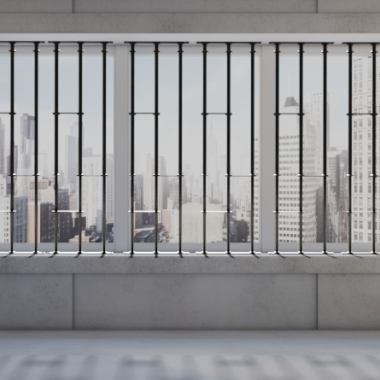
Modern, modular window security bars. Fits any window — 15-min DIY install, no contractor, fire-code compliant.
SWB designs window bars and security bars built for one purpose: keeping intruders out. Our adjustable security window bars fit any opening — telescopic, modular, and fire-code compliant — and install in under 15 minutes without a contractor. From $99.
Every 25 Seconds,
a US Home Is
Burglarized.
Burglars choose homes without visible barriers 3× more often. Ground floor windows are the #1 entry point — yet most homeowners do nothing until after a break-in.
85% of opportunistic burglars abandon an attempt within 60 seconds if they can't get through. Window bars make your home a hard target.
Read the Complete Security Guide→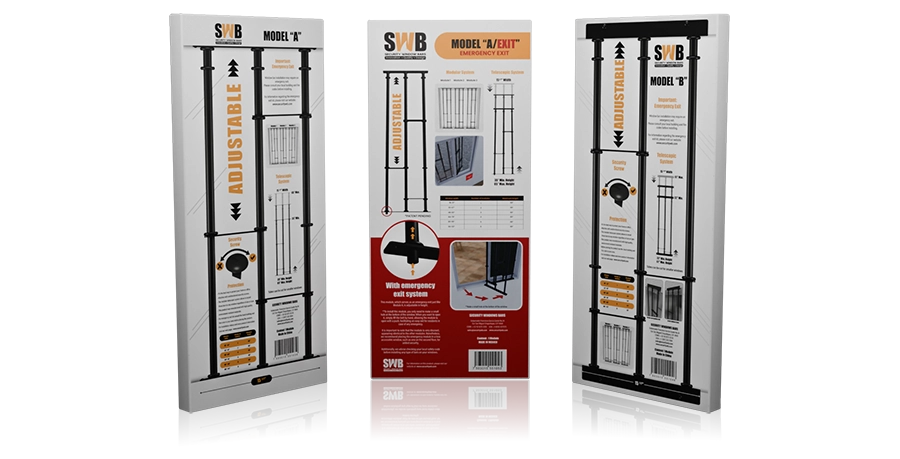
Choose Your
Protection.
Three models. One patented telescopic + modular system. Fits any window — 35" to 65" tall, unlimited width (16" per module, stack as many as needed).
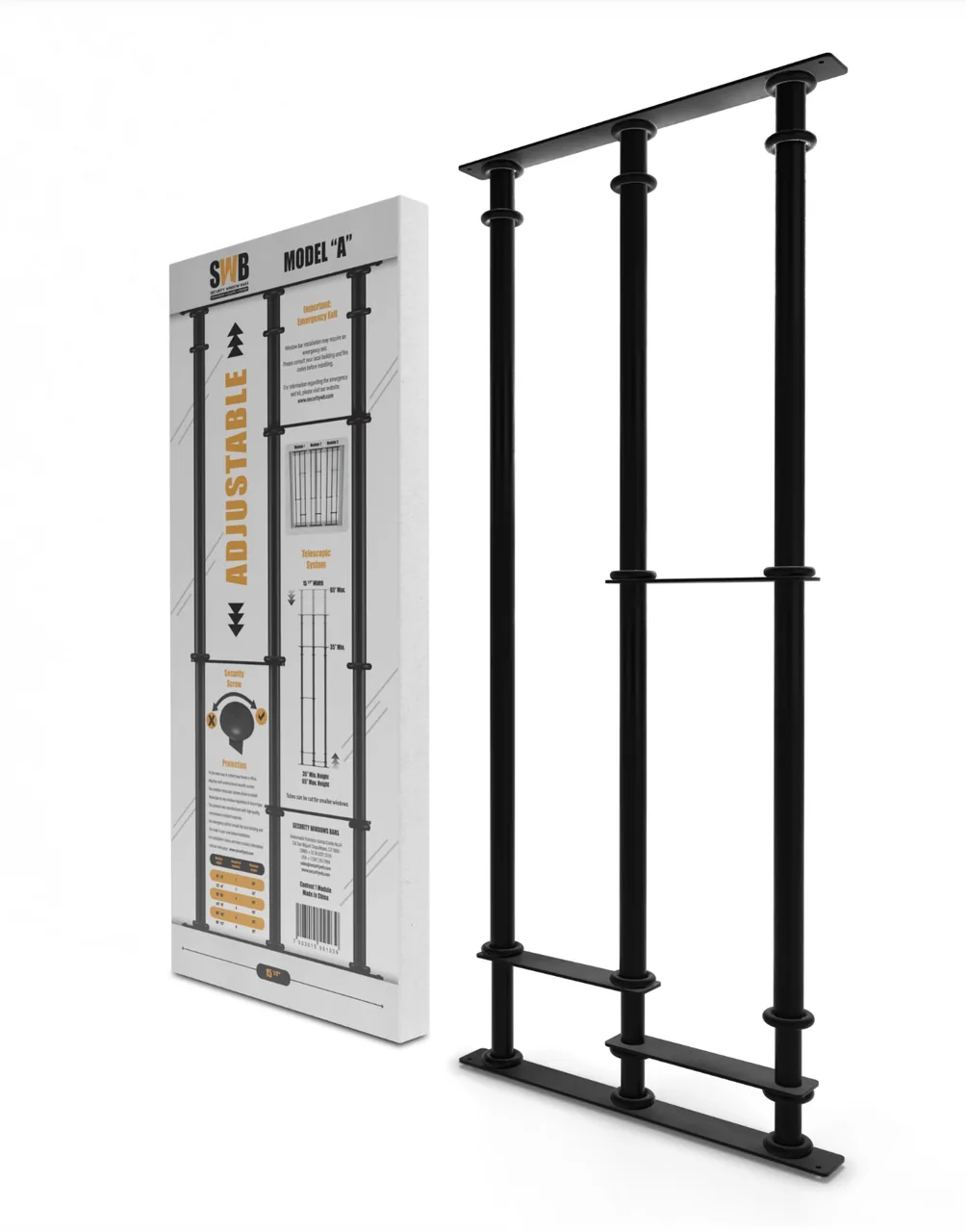
Model A
Heavy-Duty Telescopic Window Bar
The SWB Model A combines telescopic height adjustment with modular width expansion — the only system that fits virtually any window size without custom fabrication.
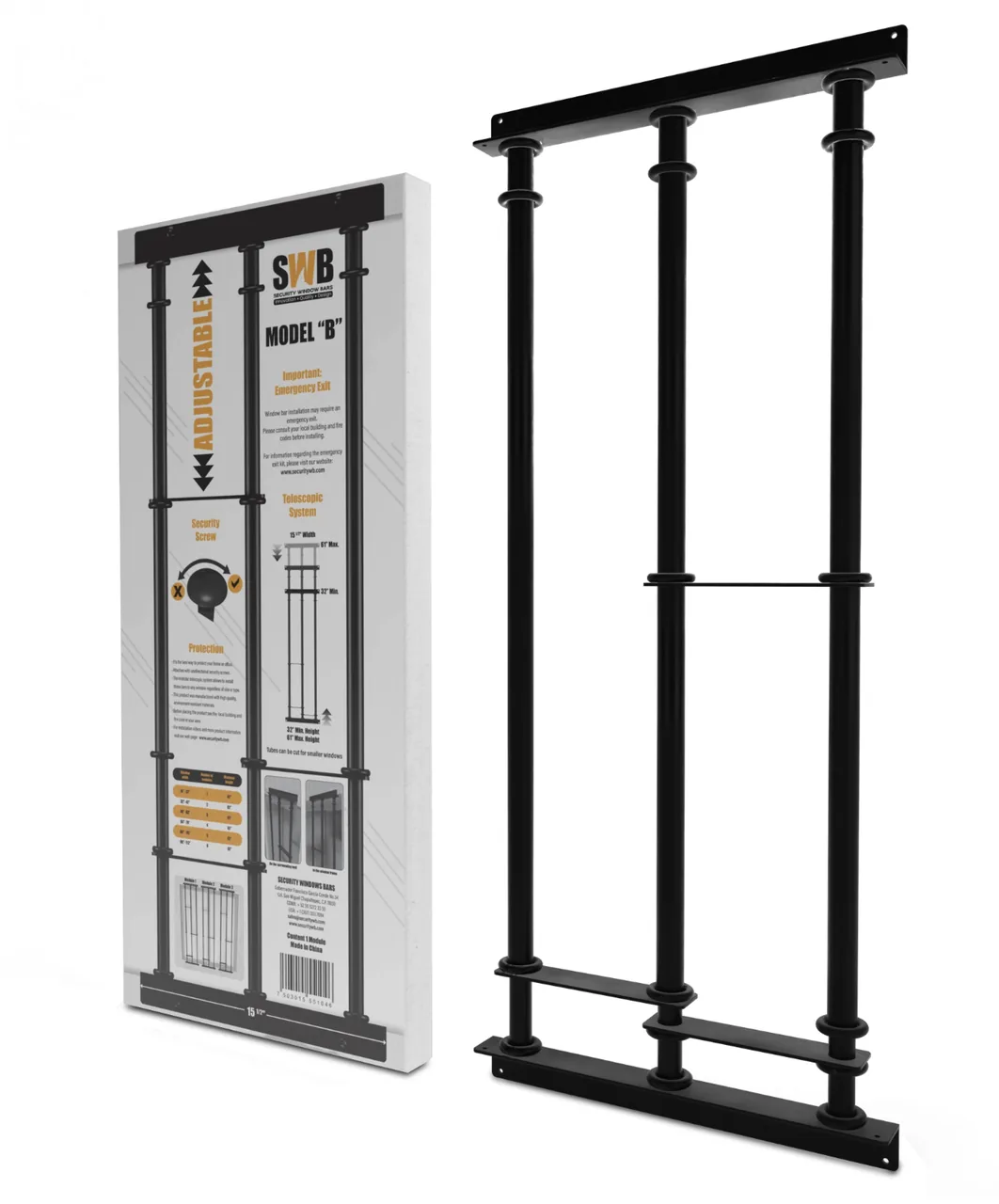
Model B
Flexible Wall-Mount Window Bar
Designed specifically for masonry, stucco, and irregular wall surfaces. The Model B brings the same telescopic + modular system with enhanced wall-anchor hardware.
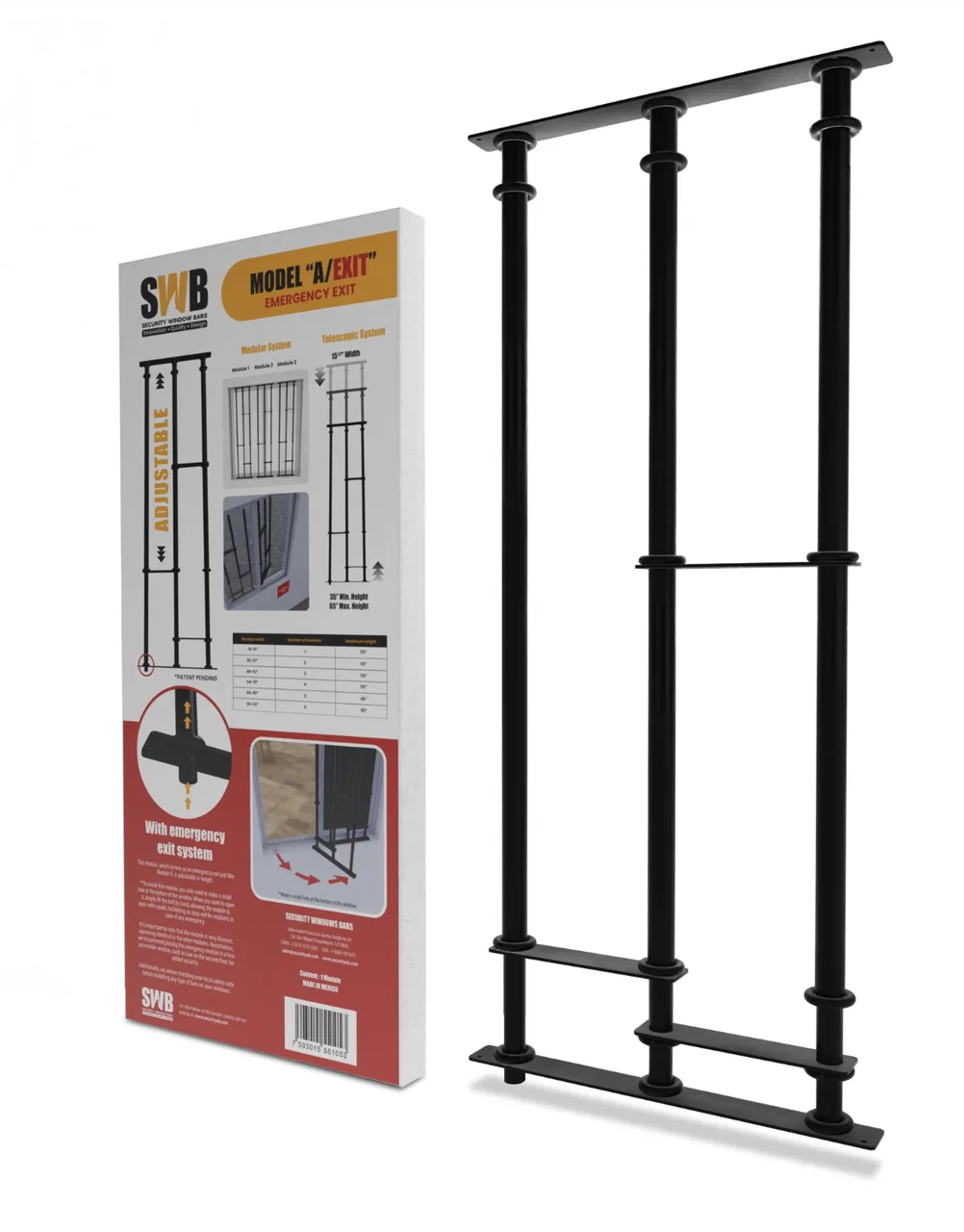
Model A/EXIT
Quick-Release Fire-Safe Window Bar
The only window bar with an integrated quick-release mechanism for emergency egress. IBC and NFPA 101 compliant — required for bedroom windows in most US states.
Installed in
3 Steps.
Measure Your Window
Take two measurements: clear width (jamb to jamb) and clear height. Takes 2 minutes with a tape measure.
Mark & Drill 4 Points
Mark mounting points with a pencil, drill pilot holes. All anchors for any wall type are included in the box.
Slide In & Tighten
Insert the telescopic bar, adjust to your window size, tighten with the included security screws. Done.
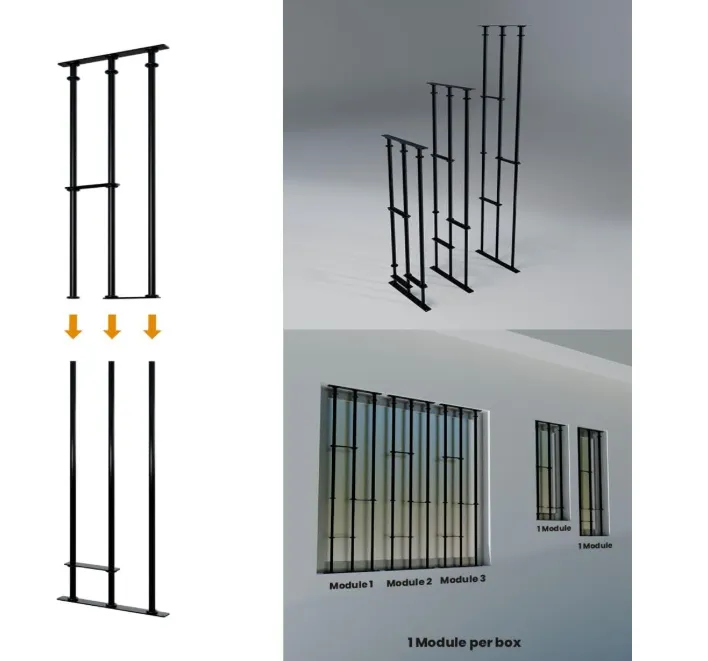
1 BOX =
1 MODULE
Each box ships one telescopic module. Stack them side by side to cover wider windows. The same module works for narrow or wide — no custom cutting, no contractor.
Trusted by
12,000+ Homes.
“We heard noises in the middle of the night. Our cameras showed two people trying to force a window. Thanks to the SWB bars, they couldn't get in and police arrived in time. I can't imagine what would have happened without them.”
“I installed all six windows in an afternoon — took me maybe 3 hours total. The design is clean, doesn't look like a prison at all. My neighbors actually asked me who did it, they thought it was a contractor.”
“After my neighbor's break-in I couldn't sleep. Had SWB bars on all my ground-floor windows in a weekend. The Model A/EXIT in my bedroom means I'm protected AND my family can still get out in an emergency. Peace of mind, finally.”
Not Sure
Which Bar
You Need?
Answer 3 quick questions about your window type, installation surface, and budget — we'll tell you exactly which model is right for you.