BLOG

security window bars
The Ultimate Buyer’s Guide

Window Security Bars (2025): The Ultimate Buyer’s Guide to Safe, Stylish Home Protection

Looking to protect your home without turning it into a fortress? With the right window security bars, you can deter break-ins, stay code-compliant, and keep your style intact. This guide explains every choice—types, quick-release safety, measuring, costs, installation, and maintenance—so you can select window bars that actually fit your windows and your life.

What Are Window Security Bars—and How Do They Work?

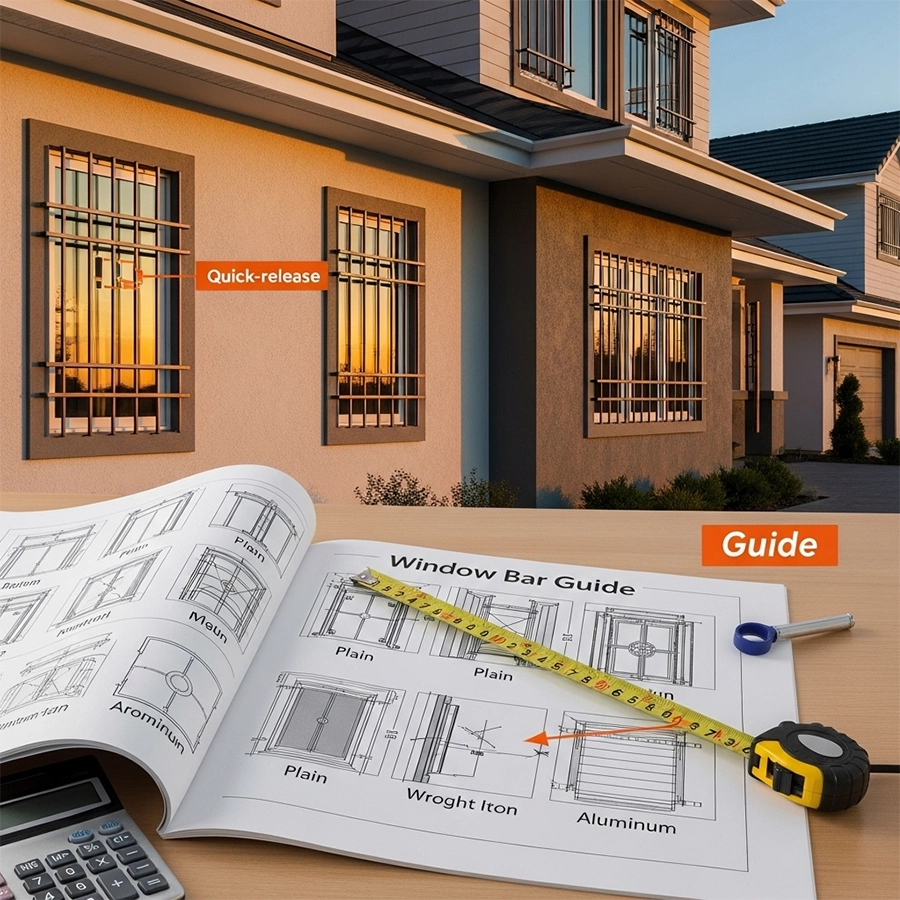
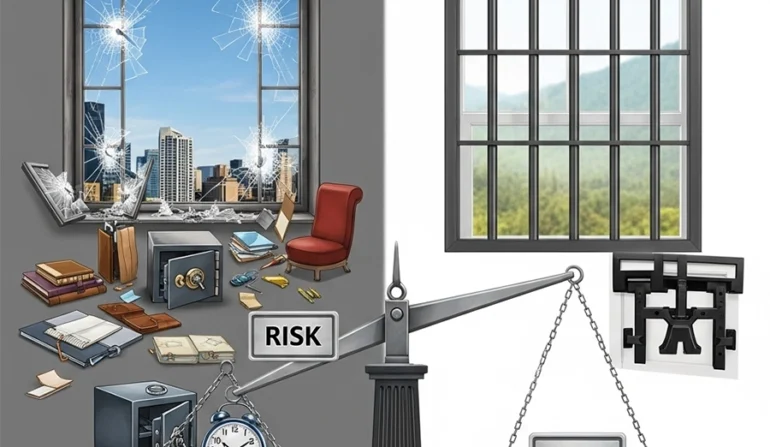
Window bars are rigid, load-bearing barriers mounted across a window opening to resist forced entry. Because burglars often test windows first, bars change the risk-reward equation at a glance. A visible barrier delays intruders, creates noise and effort, and dramatically raises the chance someone notices the attempt. In practice, that deterrence is what keeps most attempts from becoming incidents.

That said, good bars do more than block access. They also:

  • integrate with quick-release hardware to allow emergency egress from inside;
  • fit interior or exterior frames depending on wall depth and trim;
  • adapt to different substrates (wood, masonry, metal) with proper anchors;
  • match the look of your home with decorative patterns and finishes.


Because security is a system, bars perform best when paired with reinforced locks, lighting, and clear sightlines. Nevertheless, they’re one of the few upgrades that protect even when the power or Wi-Fi goes out.

Benefits and Trade-offs (No Hype—Just Facts)

Pros

  • High deterrence: visible protection that stops many attempts before they start.
  • Predictable performance: steel resists cutting and prying better than consumer screens.
  • Custom fit: adjustable and modular options cover unusual sizes, small basements, and rental units.
  • Low maintenance: occasional cleaning and a light inspection keep them reliable for years.

Cons

  • Egress risks—unless designed right: fixed bars can be dangerous in a fire. The solution is quick-release window bars that open from the inside with one motion.
  • Aesthetics: poor designs can look institutional. Modern decorative window security bars solve this with slim profiles, symmetric patterns, and color-matched finishes.
  • Code variance: local rules differ. Choose quick-release interiors for sleeping areas and confirm hardware meets egress requirements.

Types of Window Security Bars (Know Your Options)

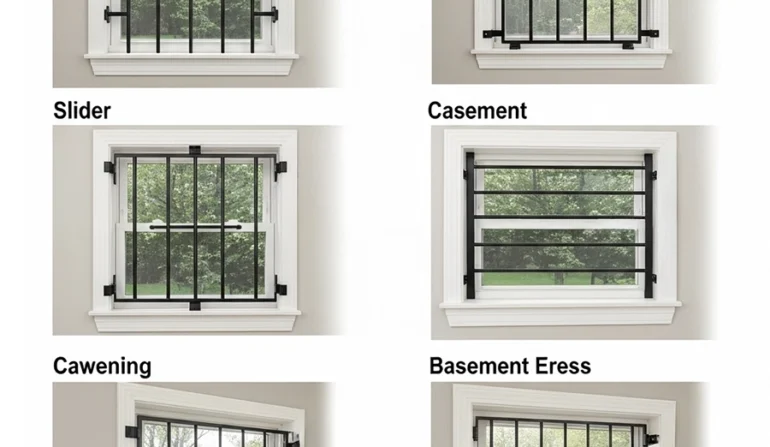
To choose confidently, start with the configuration. Each has a role:

Fixed Window Security Bars

A rigid frame permanently anchored to the opening. They maximize strength and minimize cost. Use them where egress is not required—storage rooms, non-habitable spaces, and high windows.

Hinged Security Bars (Swing-Open)

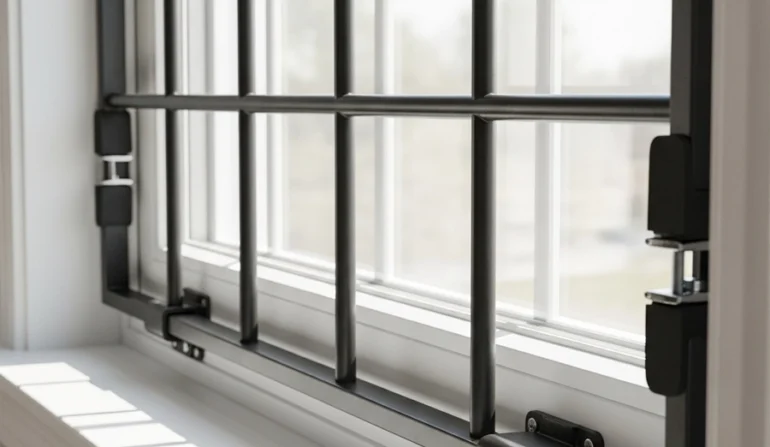
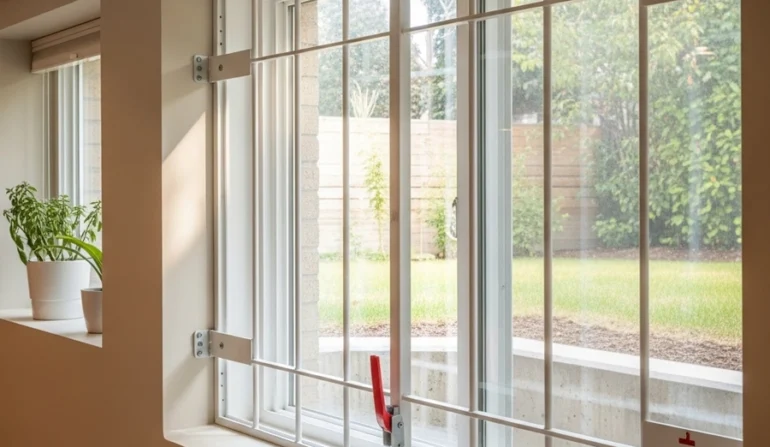
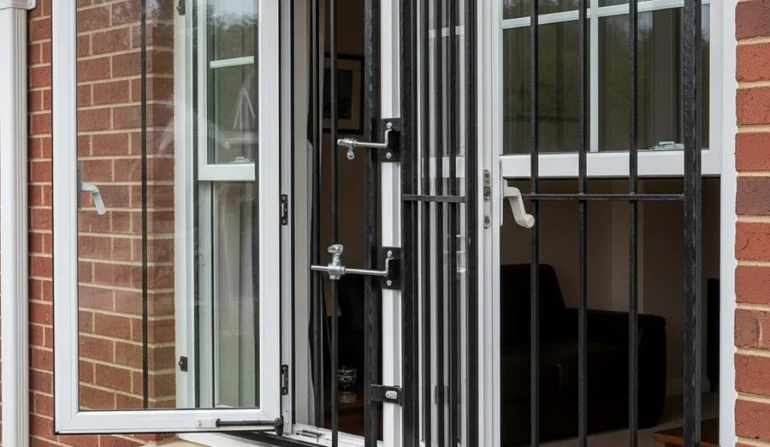
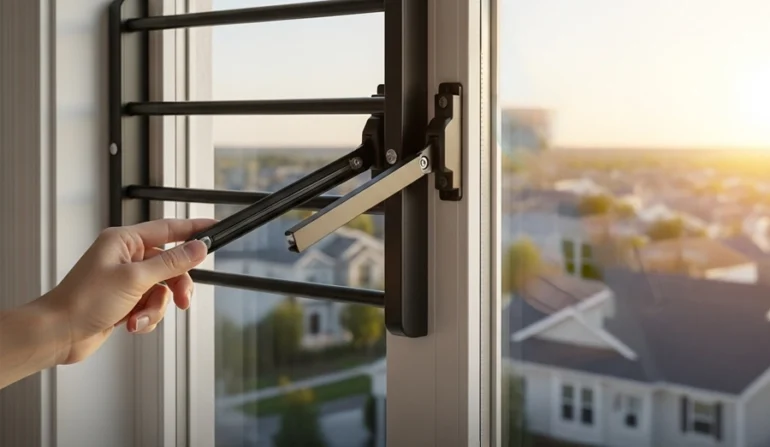
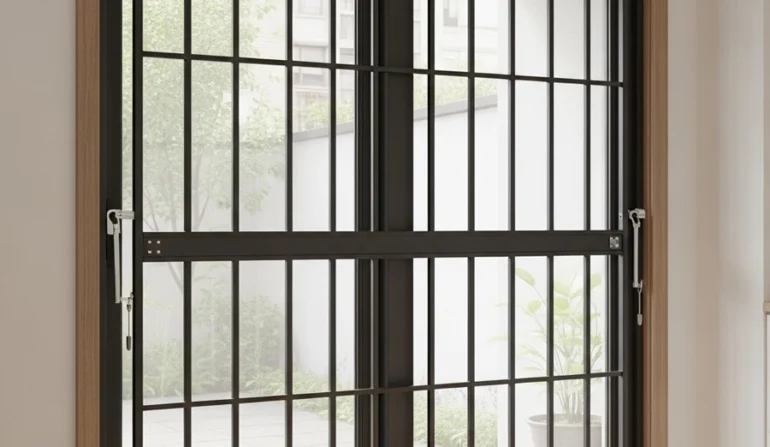
A side-hinged frame that opens like a door. This layout simplifies cleaning and allows emergency exit when paired with quick-release latches. It’s a common choice for bedrooms and basements.

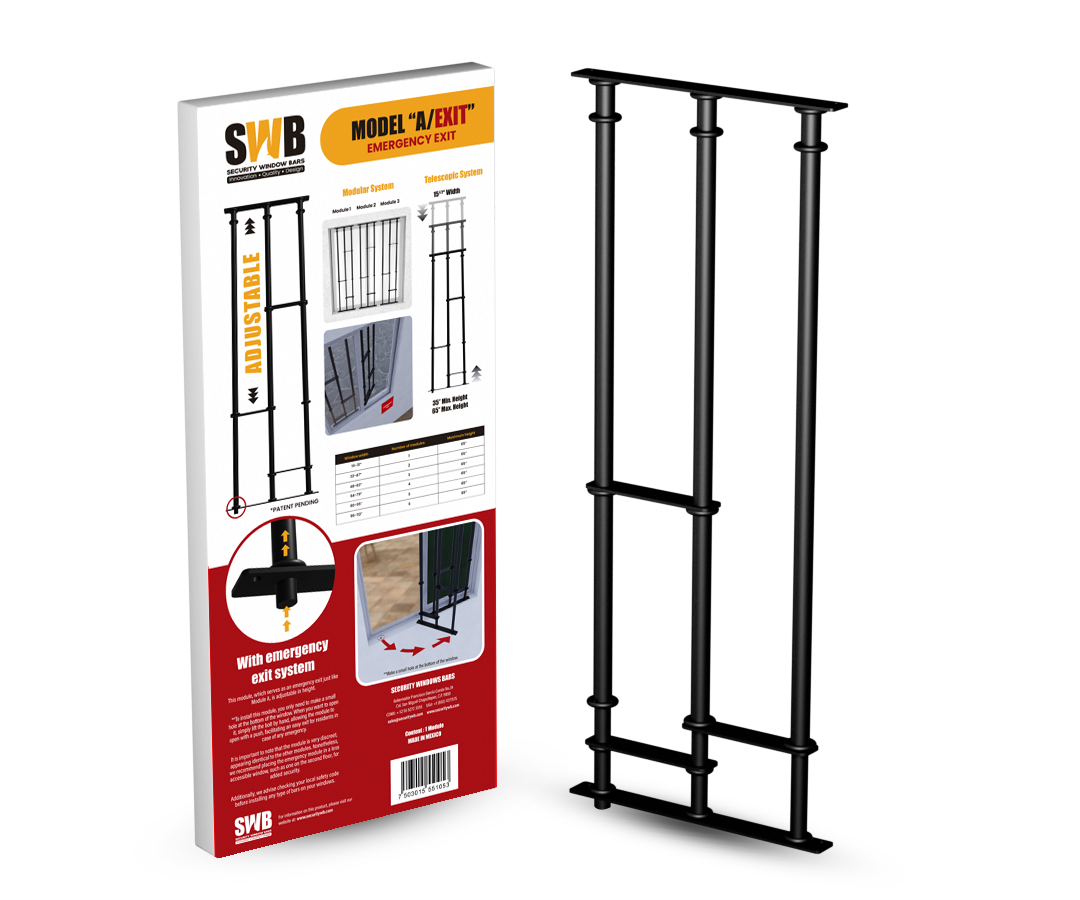
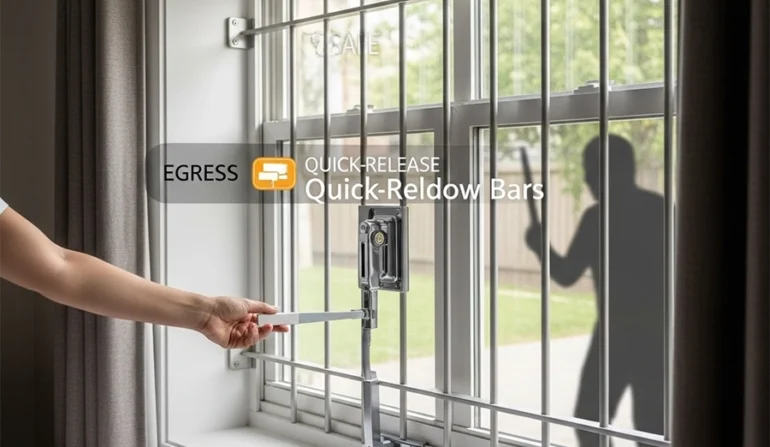
Quick-Release Window Bars (Open from Inside)

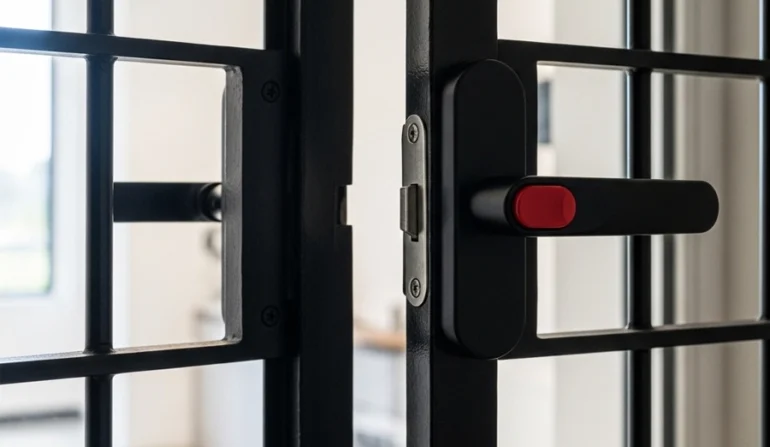
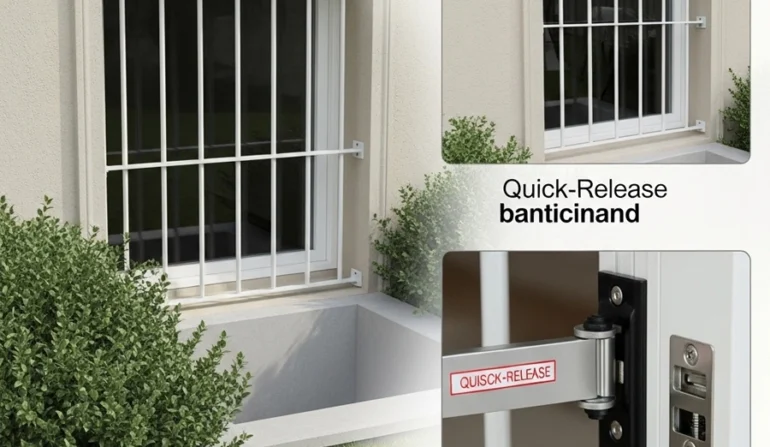
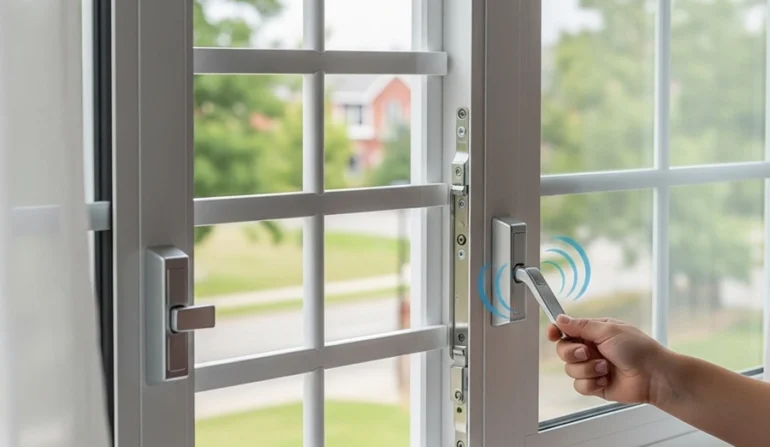
Quick-release systems let you open the bar in seconds from the interior. A single motion—pull, push, or lift—disengages a concealed latch so the frame swings free. For code-compliant egress, the release must be operable without keys, tools, or special knowledge, and children should be able to use it. If your goal is safety plus security, start here.

Removable Window Security Bars

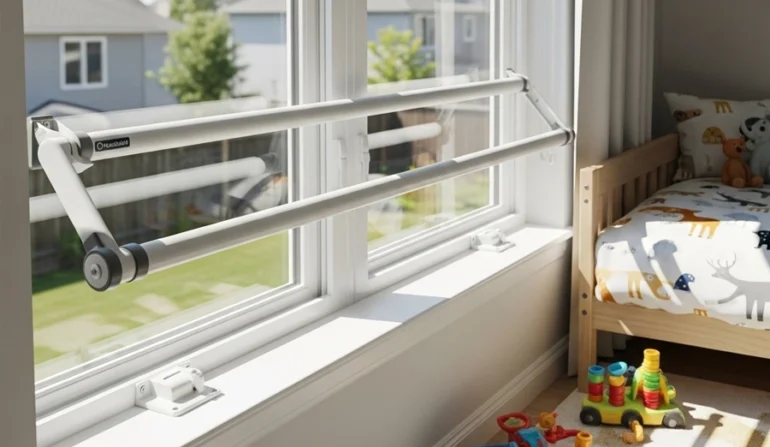
A telescoping or framed unit that can be taken down without heavy tools. Landlords and renters love them because they leave minimal marks and move with you. Modern removable bars still deliver meaningful resistance when correctly braced and secured.

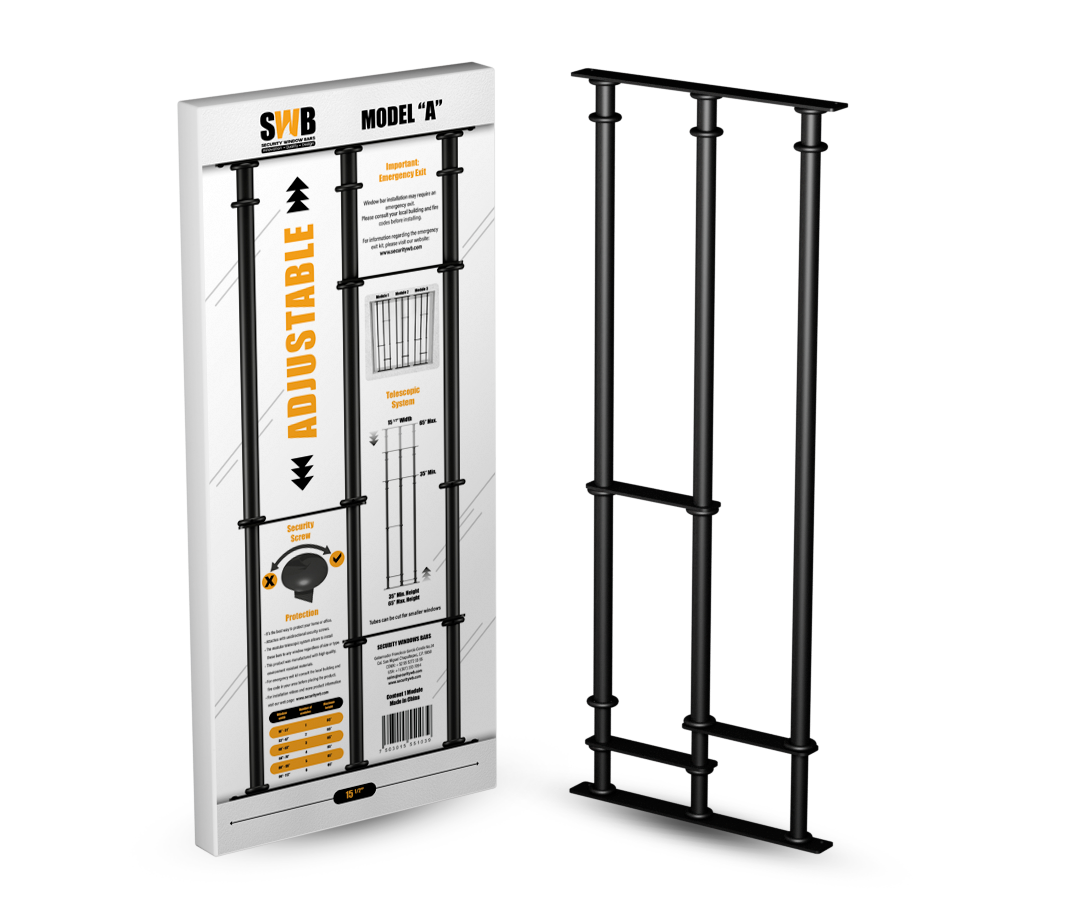
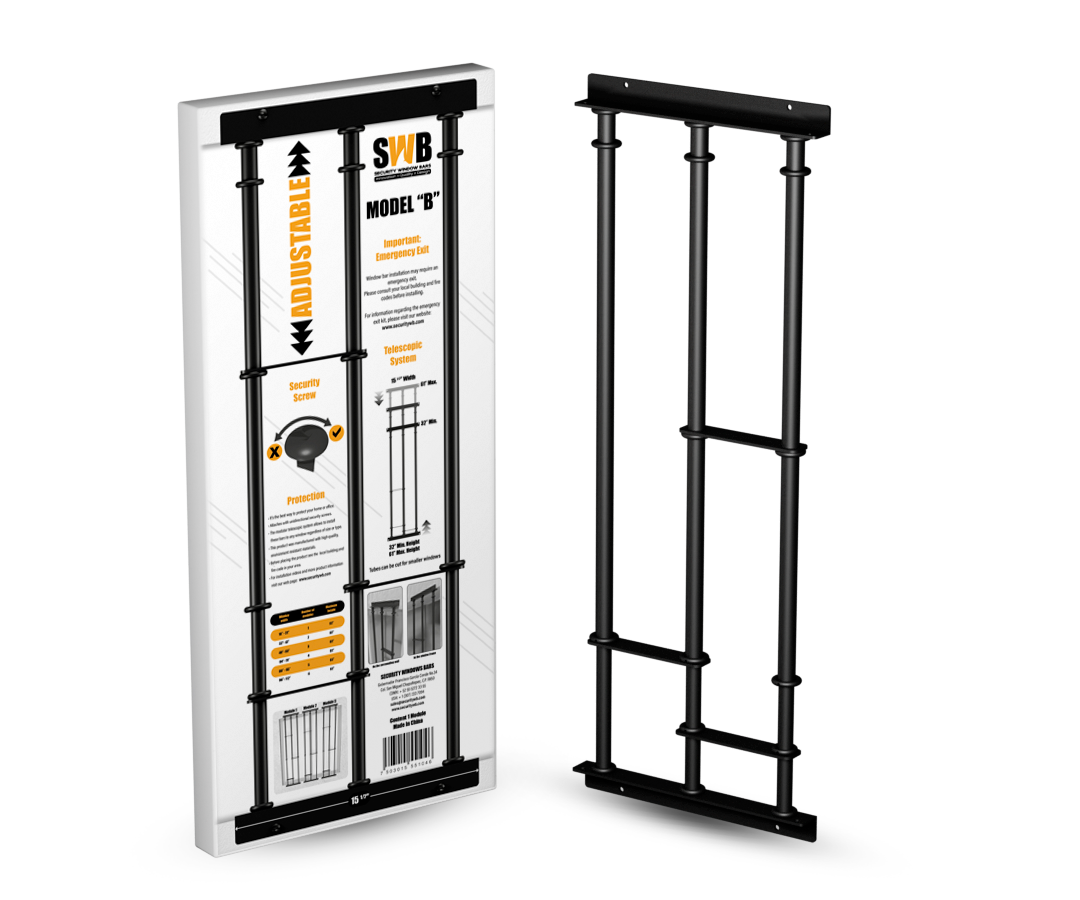
Adjustable Window Security Bars

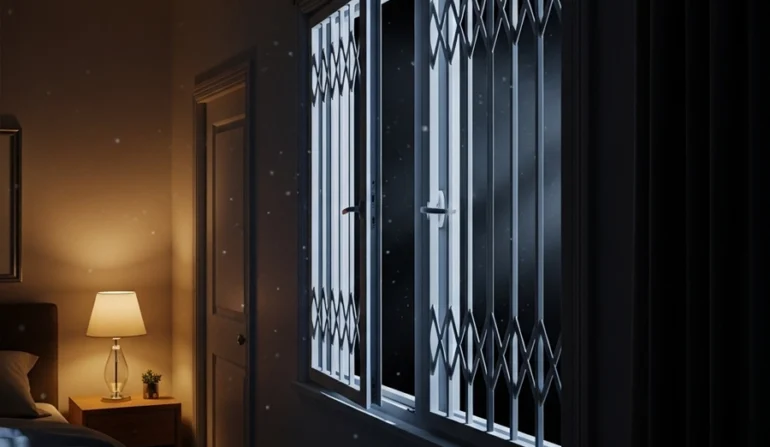
Adjustable bars expand to fit a range of widths and heights, making them ideal for non-standard openings or temporary protection during renovations. They’re also useful as interior window bars when exterior mounting is not possible.

Interior vs. Exterior Window Bars

  • Interior window security bars mount inside the opening. They’re protected from weather, are easier to quick-release, and keep the exterior façade cleaner.
  • Exterior window security bars create a stronger perimeter, especially on masonry. They free up interior sill space and may be preferred on narrow jambs.

Material Choices: Steel vs. Aluminum vs. Composite

  • Steel: best-in-class strength and rigidity. Look for powder-coated, corrosion-resistant finishes; galvanization helps in coastal climates.
  • Aluminum: lighter, easier to handle, and corrosion-resistant by nature, but requires thicker profiles to match steel strength.
  • Composite/clear options: specialty products that focus on visual minimalism. These can be expensive and may not match steel’s resistance.

Safety First: Egress, Codes, and “Window Bars That Open from Inside”

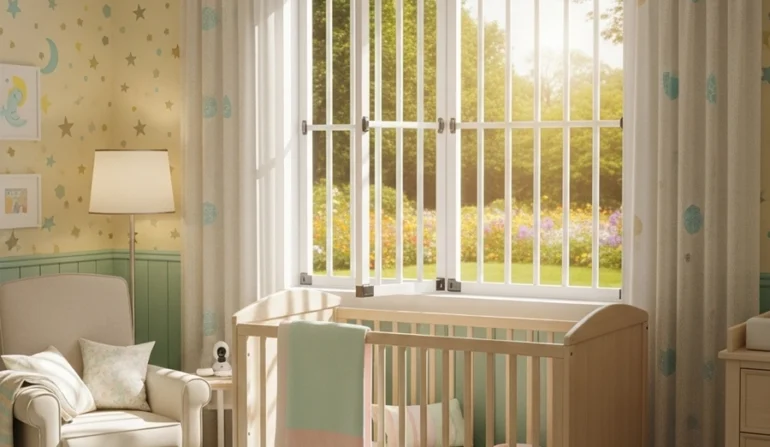
Security means nothing if people can’t get out during an emergency. That’s why window security bars that open from inside—a.k.a. quick-release bars—are the gold standard for bedrooms, nurseries, and basements used as living space.

What to look for in quick-release hardware

  • One-hand, one-motion operation; no keys, no hidden fasteners.
  • Low force: children and seniors should manage it.
  • Tamper-resistant from outside: the release is only reachable from the interior.
  • Durable springs and latch pins rated for repeated cycles.
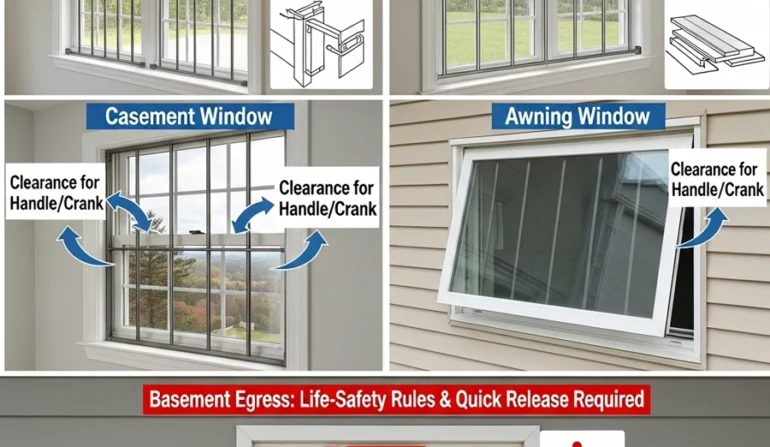
  • Clear swing path free of blinds, furniture, and AC units.

Good practices

  • Test the release monthly.
  • Teach every family member how it works.
  • Keep a small “egress zone” clear around the window.

If your local code references bedroom egress, treat that as a requirement rather than a suggestion. Even where codes are silent, quick-release is the smart choice.

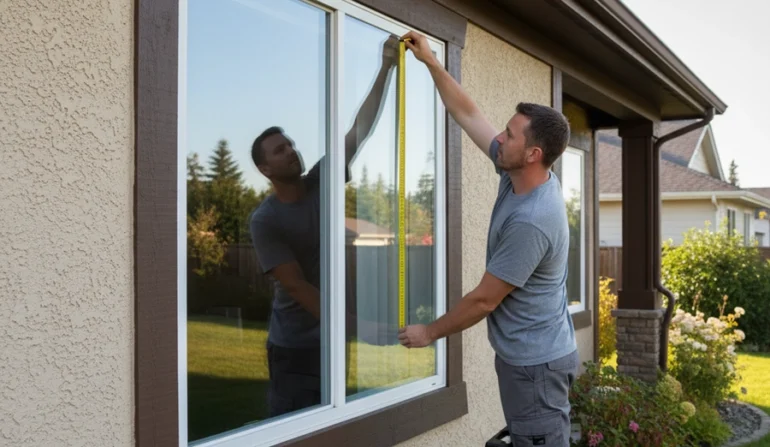
Measuring Like a Pro (So Your Bars Actually Fit)

Accurate measurements save time, returns, and frustration. Here’s a simple, repeatable method:

  1. Decide the mount: interior or exterior; surface-mount or recess-mount.
  2. Measure width in three places—top, middle, bottom—inside to inside of the target frame. Note the smallest number.
  3. Measure height in three places—left, center, right. Note the smallest number.
  4. Check squareness: measure both diagonals; a big difference signals a racked opening. Adjustable or telescoping bars will absorb minor variance.
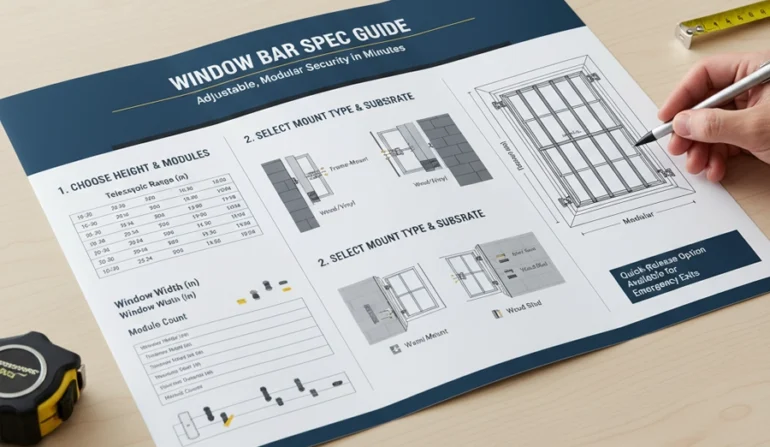
  5. Depth and obstructions: record jamb depth, trim projection, handles, crank hardware, or AC units that could block a hinge or latch.
  6. Pick your clearance: allow a few millimeters for installation tolerances, thermal movement, and paint.
  7. Anchor plan: identify stud locations or masonry density; choose appropriate anchors (lag screws into studs; sleeve or wedge anchors for concrete; shield anchors for brick or block).

Pro tip: If you plan to use adjustable window security bars, verify the manufacturer’s minimum overlap and fastener spacing so the expanded unit still meets strength specs.

Use-Case Guides (Choose the Scenario That Matches Your Home)

Basement Window Security Bars

Basement windows are prime targets due to low height and ground-level access. Bars help, but basements are also common sleeping areas, so choose hinged quick-release mounts. Because foundation walls are usually masonry, use anchors rated for concrete or filled block. Consider window wells: verify the swing path stays clear.

Apartments and Renters: Removable or Interior Bars

For rental units, removable window security bars or interior mounts make sense. Landlords appreciate low-impact installs, while tenants like the ability to relocate them. Use tamper-resistant screws on interior mounts and confirm the release location won’t conflict with blinds or curtains.

Windows with AC Units

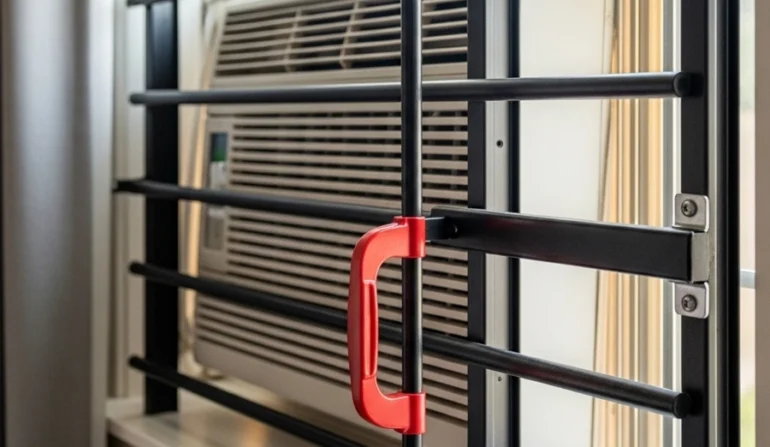
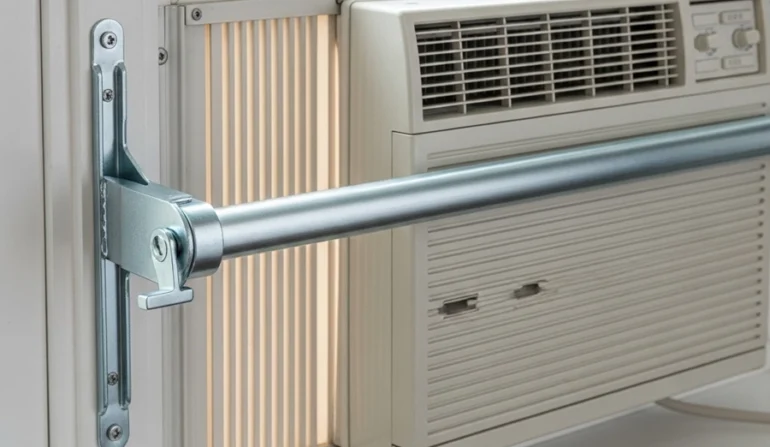
Window-mounted AC adds leverage for intruders. A dedicated window AC security bar stabilizes the unit and blocks prying. If you also want burglary resistance, combine a support bar with interior window bars or choose a hinged frame that clears the AC during egress.

Small and Unusual Windows

Laundries, bathrooms, and garage side windows vary wildly. Adjustable or custom-cut steel bars handle odd sizes. In wet rooms, prep the substrate carefully and seal penetrations to keep moisture away from fasteners.

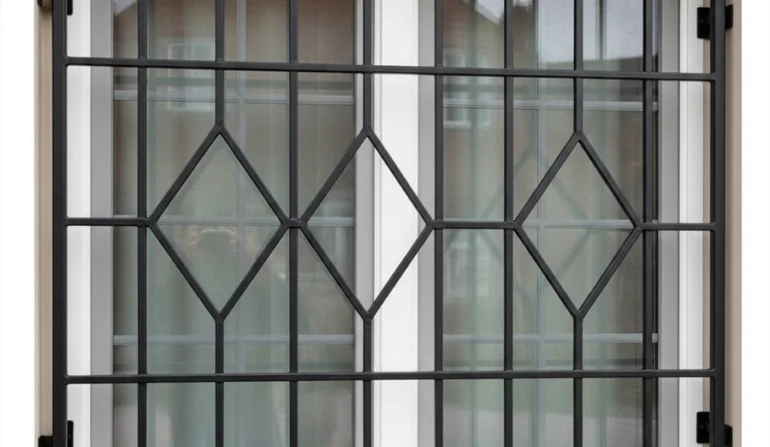
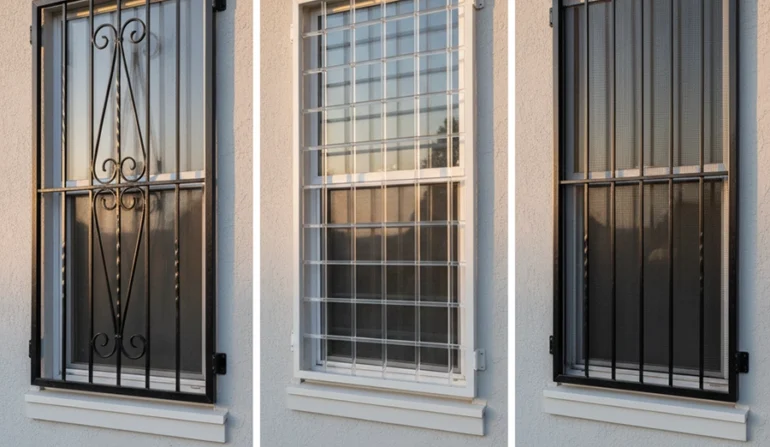
Design Matters: Decorative Security Window Bars That Don’t Look Industrial

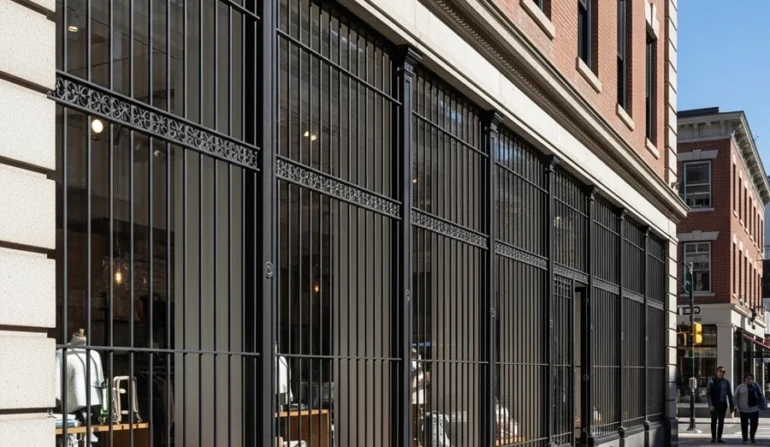
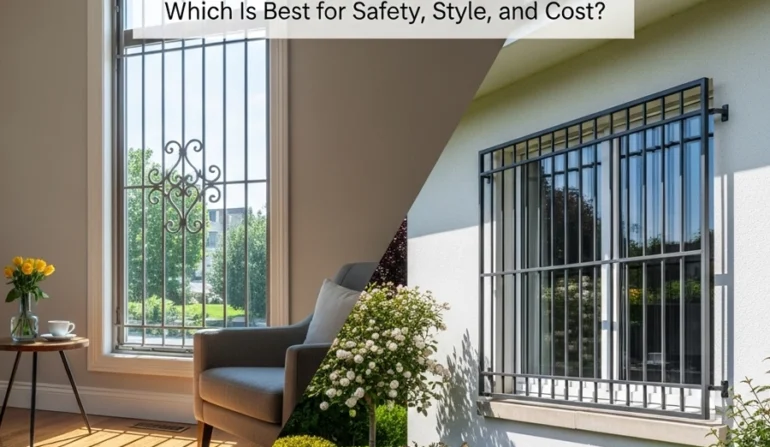
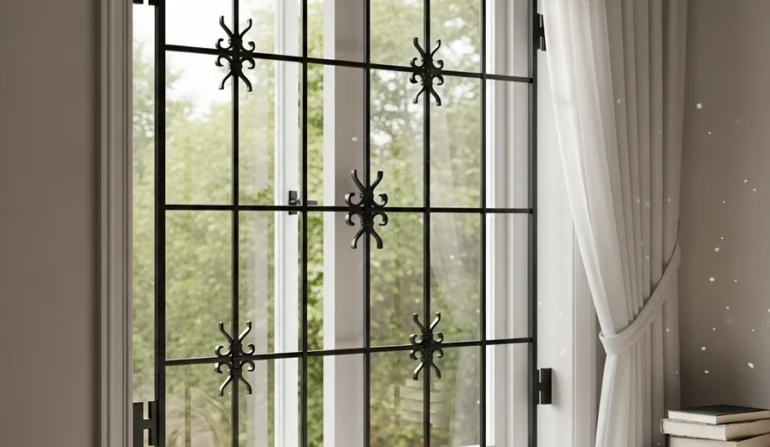
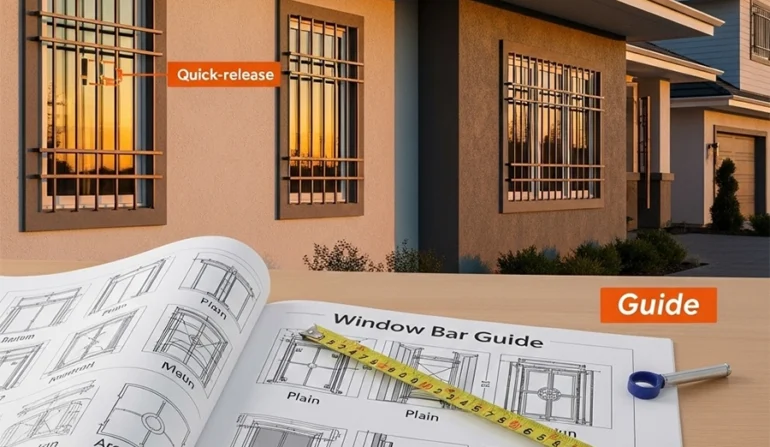
You can have security and curb appeal. Modern decorative window security bars use geometric patterns, tighter sightlines, and powder-coated finishes to blend with trim and shutters. When style is a priority:

  • Choose a pattern that mirrors your home’s architecture (craftsman grids, Spanish scrolls, simple modern lines).
  • Color-match the finish to the window frame—black for contrast, white for minimalism, or a custom color to echo door hardware.
  • Keep standoff depth consistent across the façade so the installation looks intentional.
  • On multi-window sets, align rails and pickets so lines carry across.
  • Consider interior bars to keep exterior elevations clean while still deterring entry.

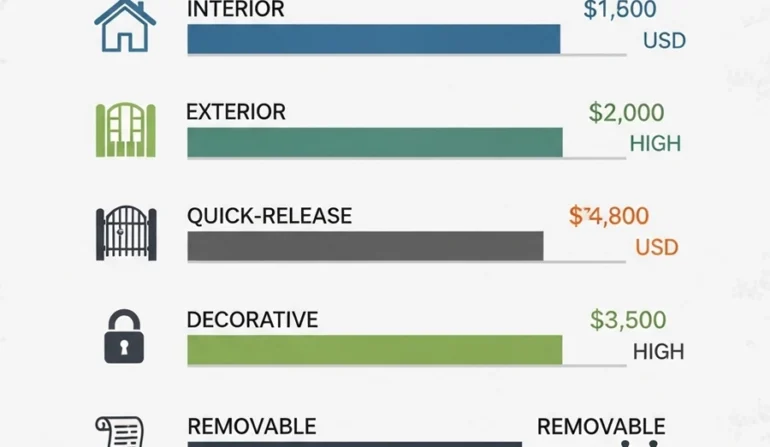
What Do Window Bars Cost in 2025?

Prices vary with size, material, hardware, and whether you want quick-release. The following ballpark ranges help with planning:

  • Fixed steel interior bars (small window): typically economical per opening.
  • Hinged quick-release bars: higher due to latch hardware and reinforced frame.
  • Decorative or custom patterns: add design and finishing time.
  • Professional installation: add labor per opening depending on substrate and access.


Although bars are a one-time investment, remember to budget for quality anchors, sealants, and any paint touch-ups. Because they reduce risk, they may help you avoid costly incidents and deductible claims—an important part of real-world ROI.

DIY or Pro? Installation Overview (Step-by-Step)

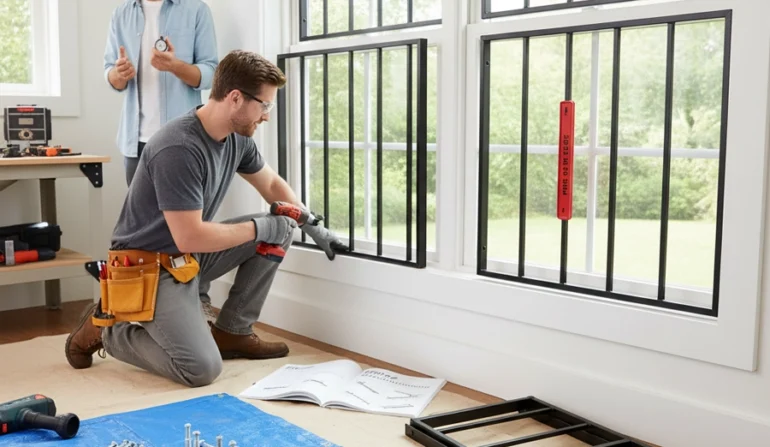
If you’re handy with a drill and level, installing window security bars can be a satisfying weekend project. If the opening involves uneven masonry, complex egress routing, or tall ladders, hiring a pro is smart. For DIYers, here’s a clear, repeatable process.

Tools & Materials

Drill/driver, masonry or wood bits, level, tape measure, pencil, safety glasses, anchors/lags, sockets, caulk/sealant rated for your climate, shims, and touch-up paint.

Step 1: Dry-Fit and Mark

Hold the frame in place with a helper. Center it and confirm the swing direction (for hinged units). Mark pilot holes through the pre-drilled tabs.

Step 2: Pre-Drill

  • Wood framing: pre-drill smaller than the lag diameter to avoid splitting.
  • Masonry: use a hammer drill with the correct bit; vacuum dust from holes for better anchor grip.

Step 3: Anchor the Frame

Start with two opposite corners. Level and plumb the frame, then install remaining fasteners. Do not overtighten—warping the frame can bind hinges or latches.

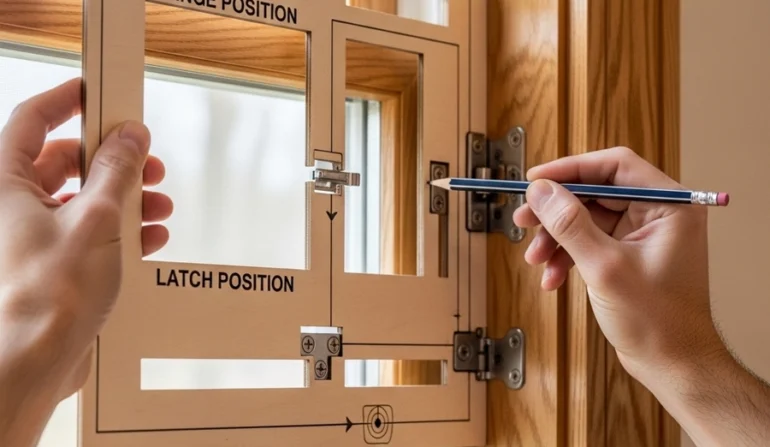
Step 4: Install Quick-Release Hardware

Mount the interior lever or pull according to the template. Test operation repeatedly. The release should open cleanly without binding.

Step 5: Seal and Finish

Apply sealant around exterior penetrations and any trim gaps. On interior mounts, touch up paint or caulk for a clean finish. Finally, reinstall blinds or curtains and verify they don’t obstruct the release.

Step 6: Egress Drill

With the family, practice the release and exit path. Label the release discreetly if guests or caregivers may need to use it.

Maintenance and Care

Good security window bars require little attention, but a five-minute check each season keeps them dependable:

  • Inspect anchors and hinge pins; retighten as needed.
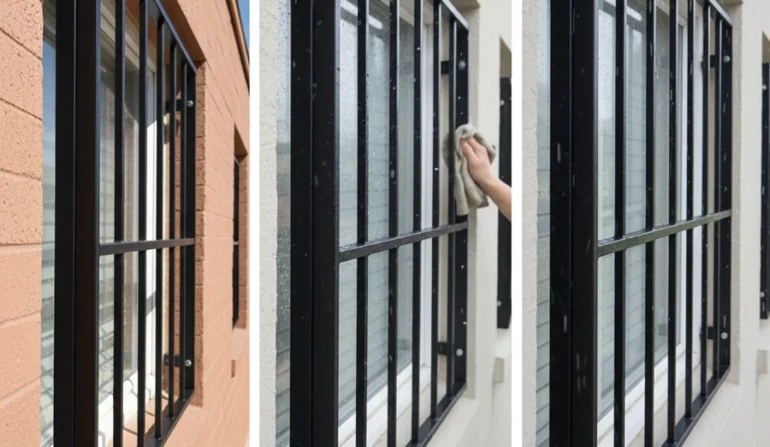
  • Clean dust and pollutants that can degrade finishes over time.
  • Lubricate moving parts with a dry PTFE spray to avoid residue.
  • Test the quick-release monthly; confirm the swing path stays clear.
  • After storms, check for impact marks and repaint chips to prevent rust.

Security Bars vs. Alternatives (Know the Trade-offs)

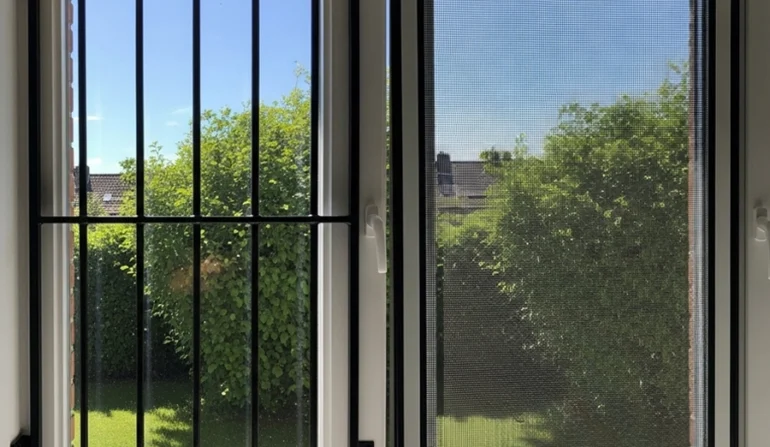
  • Security window screens/mesh: better airflow and nearly invisible, but customization and repairs can be expensive; cutting resistance varies by mesh type.
  • Window locks and sensors: helpful but passive; they don’t physically block entry and rely on power/connectivity.
  • Grilles inside glass: decorative only.
  • Bars: obvious deterrence, high physical resistance, can be egress-ready with quick-release, and work during power cuts.


Because threats, budgets, and aesthetics differ, many homeowners combine solutions: bars at vulnerable ground-level windows and smart sensors throughout.

Buying Checklist (So You Don’t Miss Anything)

  1. Primary goal: deterrence only, or burglary resistance plus egress?
  2. Location: basement, bedroom, bathroom, garage, apartment balcony, or storefront.
  3. Mount: interior vs exterior; hinged, quick-release, or fixed.
  4. Finish: powder-coated in black/white/custom; corrosion protection for coastal zones.
  5. Size: smallest width/height; note obstructions.
  6. Hardware: tamper-resistant fasteners, child-friendly quick-release.
  7. Aesthetics: decorative pattern, rail alignment across multiple windows.
  8. Installation: DIY (with anchors and bits) or professional help.
  9. Compliance: egress in sleeping areas; test monthly.
  10. Warranty & support: parts availability, technical guidance, and post-purchase help.

FAQs

Are window bars legal in the US?

Yes, but sleeping areas usually require an emergency egress path. Choose window security bars that open from inside and confirm local rules. Quick-release hardware solves both safety and compliance.
Do bars lower my home’s value?


Poorly chosen bars can. However, modern designs with slim profiles and color-matched finishes look intentional and can reassure buyers who value security.

Will bars rust?


Quality steel bars are powder-coated or galvanized. Touch up chips promptly, and they’ll last for years—even in humid climates.

Can I install bars on vinyl windows?


Yes. You don’t attach to the sash; you anchor to surrounding framing or masonry. Use the correct fasteners and avoid penetrating weep paths.

What’s the difference between interior and exterior bars?


Interior window bars are protected from weather and integrate easily with quick-release. Exterior bars may increase perimeter strength and keep façades consistent where all openings share the same projection.
How do quick-release bars work?


A concealed latch disengages with one motion—pull, push, or lift—so the frame swings open. The release is accessible from the inside only.

Can I use bars with window AC units?


Absolutely. Use an AC security bar to stabilize the unit and pair it with a hinged or interior security bar that maintains a clear egress path.

Are removable bars secure enough?


Quality removable bars provide meaningful resistance when installed with the right brackets and fasteners. They’re ideal for renters or short-term protection.

Next Steps: Get the Right Bars for Your Windows

When you’re choosing window security bars, start with safety—make egress non-negotiable in rooms where people sleep. Then pick the mount (interior vs exterior), choose finish and pattern, and confirm sizing with careful measurements. If you want help, our team can talk you through hardware options, code considerations, and the fastest way to install.

Ready to protect your home the smart way? Get a no-pressure quote or speak with a specialist today.

EMAIL ADDRESS: sales@securitywb.com
SITE: www.securitywb.com
PHONE:
CDMX: +52 (55) 5272 3355  USA: +1 (650) 4371 575

Recent Post

COOKIES POLICY

Security Window Bars LLC ("SWB") uses cookies and similar technologies to improve your browsing experience and enhance the functionality of our website www.securitywb.com (the “Website”). This Cookies Policy explains what cookies are, how we use them, and how you can manage your cookie preferences.

By using our Website, you agree to our use of cookies as described in this policy.

Last Updated: 01/01/25