Window alarms and window bars are both marketed as window security solutions — but they operate at opposite ends of the security spectrum. Understanding the difference between active alerts and passive prevention determines which you actually need.
Active vs. Passive Security: The Core Distinction
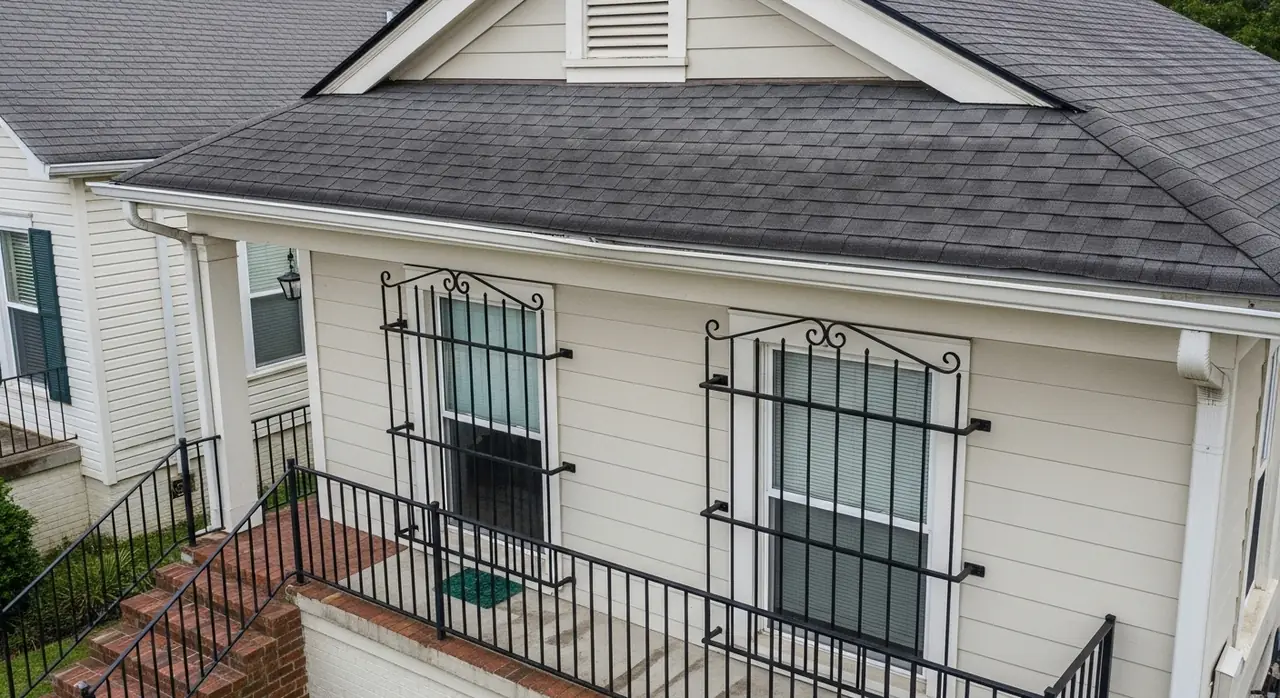
| Factor | Window Bars | Window Alarms |
|---|---|---|
| Security type | Passive (always on) | Active (responds to trigger) |
| Prevents entry | ✅ Yes | ❌ No |
| Alerts on intrusion | ❌ No | ✅ Yes |
| Requires power/battery | ❌ No | ✅ Yes |
| False alarm risk | None | Common (pets, wind, malfunction) |
| Cost per window | $80–$350 | $10–$40 |
| Ongoing cost | None | Battery replacement + optional monitoring |
| Works during power outage | ✅ Always | ⚠️ Battery-dependent |
| Installation complexity | Moderate | Very easy (peel-and-stick) |
How Window Bars Work
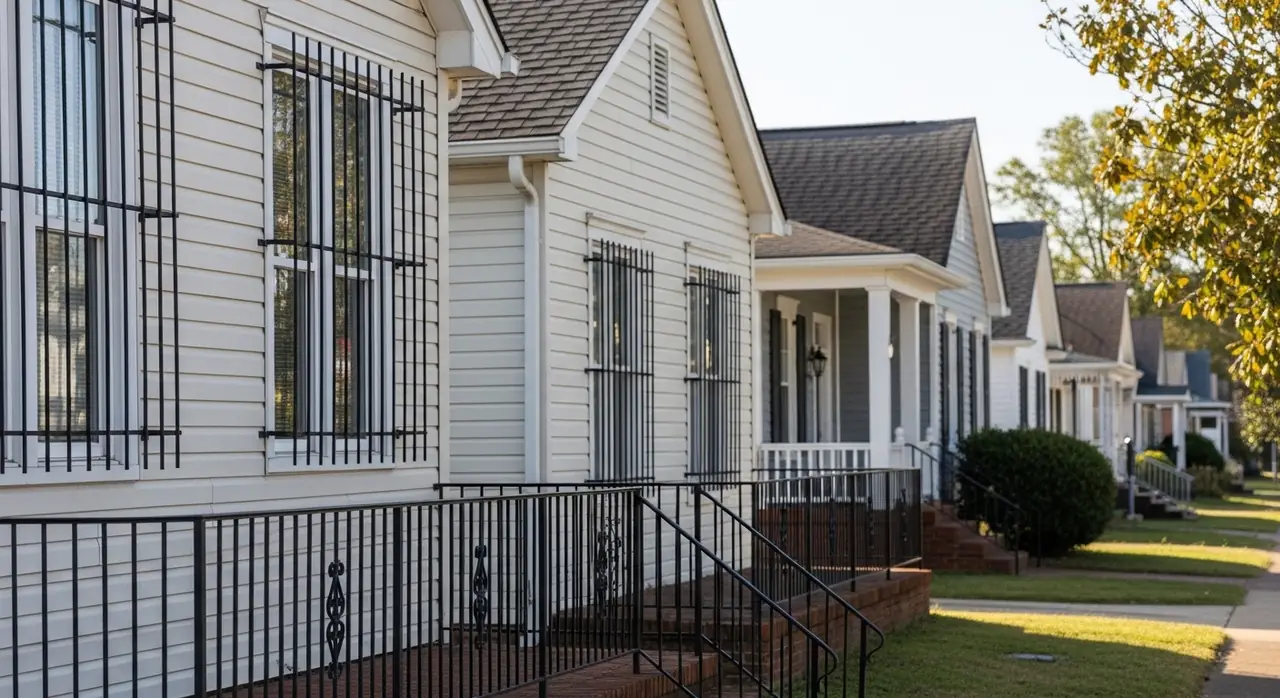
Window security bars are steel barriers installed over window openings. They work 24/7, require no electricity, and cannot be disabled remotely. A burglar who breaks the glass still faces a physical obstacle they cannot pass through without tools, significant time, and unacceptable noise exposure.
Modern quick-release window security bars satisfy building code egress requirements for bedrooms by allowing interior release in case of fire while maintaining full security from the outside.
How Window Alarms Work
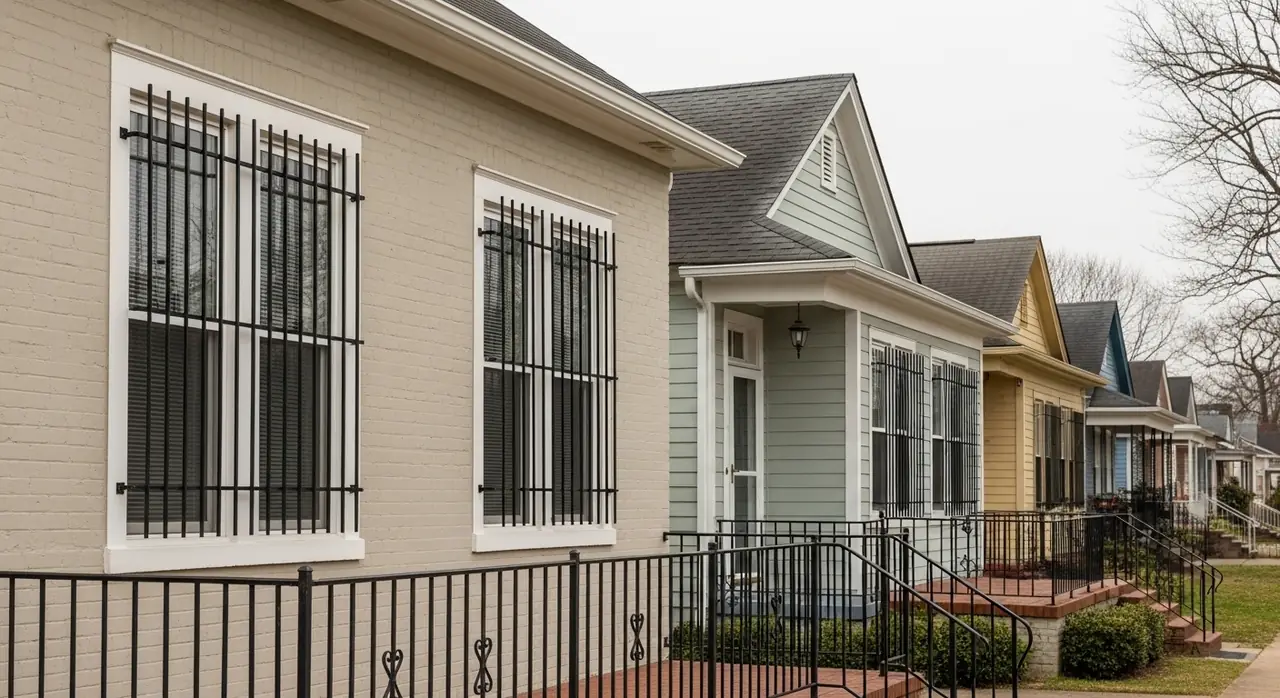
Window alarms use one of three detection mechanisms:
- Magnetic contact sensors — alert when window is opened (gap created between magnet and sensor)
- Vibration/shock sensors — alert when glass is struck or vibrated significantly
- Glass break detectors — acoustic sensors that recognize the frequency signature of breaking glass
Budget window alarms ($10–$40/window) produce a local siren upon activation. Connected smart alarms ($30–$100/window) send notifications to your phone. Professional monitoring systems ($20–$50/month) alert a call center that contacts police.
The Critical Math: Response Time vs. Burglary Duration
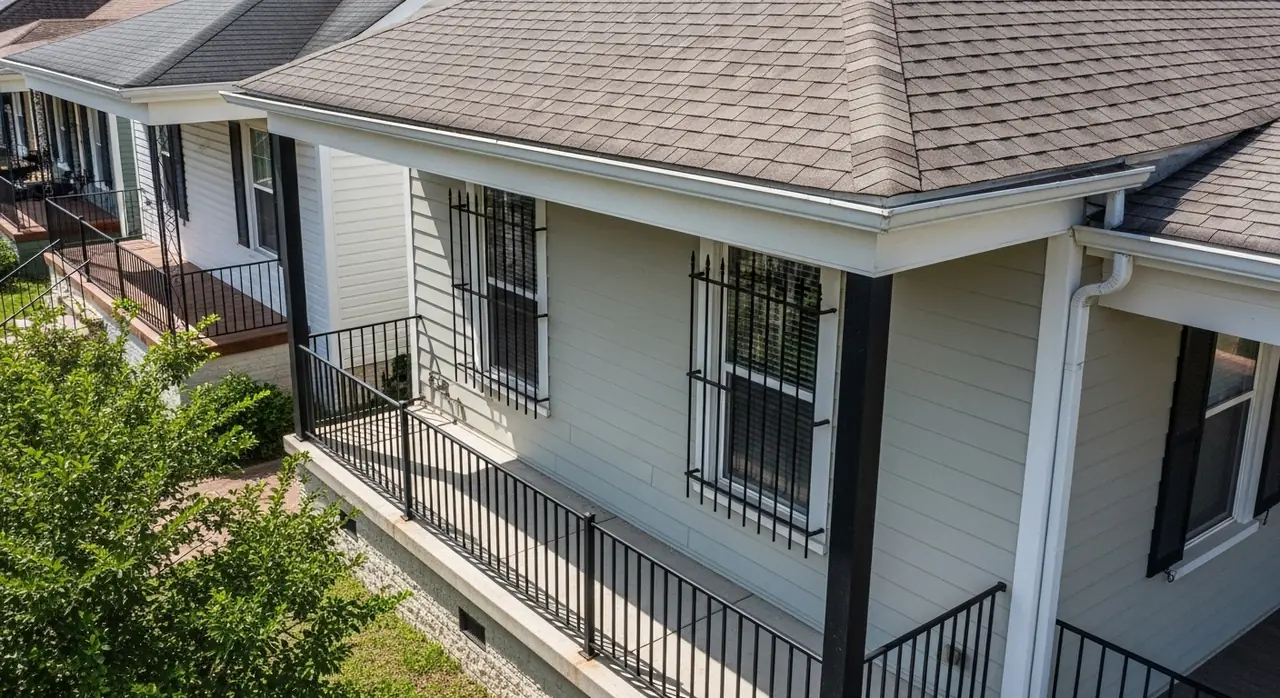
The effectiveness of window alarms depends entirely on what happens after the alert triggers. Here are the numbers that matter:
- Average U.S. police response time: 10–18 minutes for property crime
- Average residential burglary duration: 8–12 minutes total
- Time for burglar to grab valuables and exit: Under 3 minutes in most cases
- Average property loss per burglary: $2,661 (FBI UCR data)
The math is stark: by the time police respond to an alarm — even a professionally monitored one — the average burglary is already over. The alarm documents that entry occurred; it rarely prevents the theft itself.
Window bars change this equation entirely. The crime cannot begin because physical entry is blocked before it starts.
False Alarm Rate: A Hidden Cost of Alarms

The U.S. Department of Justice estimates that 94–98% of alarm activations are false alarms. This creates real problems:
- Police in many jurisdictions de-prioritize or add fees for repeated false alarm calls
- Alarm fatigue causes homeowners to ignore or disable alarms after repeated false triggers
- Pet-triggered alarms, wind-blown contact sensors, and low-battery chirps are common false triggers
Window bars have zero false alarm rate — they are passive and mechanical.
When Window Alarms Make Sense
- Rental properties or apartments where bars cannot be permanently installed
- Upper-floor windows where physical bar installation is impractical
- As a supplement to bars — detecting attempts on windows that aren’t barred
- Interior motion sensors as a last line of defense if perimeter is breached
- Temporary security during construction or vacancy periods
When Window Bars Are the Right Answer
- Ground-floor windows accessible from street or alley
- High-crime neighborhoods where opportunistic entry is a realistic risk
- Properties without 24/7 occupancy (storage units, vacation homes, businesses)
- Protecting vulnerable family members who may not respond quickly to alarms
- Any situation where preventing the crime matters more than documenting it
The Best Approach: Combine Both
A layered security system uses both passive prevention and active detection. Window bars on accessible windows prevent entry. Window or motion alarms on unbarred windows (upper floors, roof access) detect any attempts. Door alarms and interior motion sensors create additional detection layers if any perimeter point is breached.
This combination addresses the main weakness of each: bars prevent but don’t alert, alarms alert but don’t prevent. Together they create defense-in-depth.
Frequently Asked Questions
Do window alarms actually scare off burglars?
Some burglars are deterred by audible alarms — particularly opportunistic ones who fear drawing attention. However, confident or experienced burglars often continue despite local sirens, knowing they have several minutes before anyone responds. Bars deter burglars before any entry attempt by making the window visually clearly hardened.
What’s the best window alarm type: contact sensor, vibration, or glass break?
Contact sensors (magnetic) are most reliable but only detect opening — not glass breaking while closed. Vibration sensors detect impact but have higher false alarm rates. Acoustic glass break detectors are effective at 15–20 foot range but require proper placement. For comprehensive coverage, a combination system with contact + glass break detection is most robust.
Are self-monitored alarms worth it vs. professional monitoring?
Self-monitored systems (phone notifications only) require you to be awake, have your phone, and respond quickly — all conditions that fail at night or during travel. Professional monitoring ($20–$50/month) ensures someone always responds. However, both face the same fundamental response-time problem: police arrive after the burglary is over in most cases.
Can window alarms be jammed or disabled?
Wireless alarm systems can theoretically be jammed using RF jamming devices — a known vulnerability that some sophisticated burglars exploit. Hardwired systems are more robust but expensive to install. Window bars cannot be jammed or remotely disabled — they require physical force to defeat, making them fundamentally more reliable as a security layer.
Related: Cameras