Window Bars vs. Security Screen Windows — Steel vs. Mesh (2026)
April 28, 2026·5 min read·SWB Research Team
Security screens and window bars both protect windows from forced entry — but the similarity mostly ends there. Made from stainless steel mesh vs. solid steel bars, they represent different engineering philosophies and suit different home situations.
What Are Security Screen Windows?
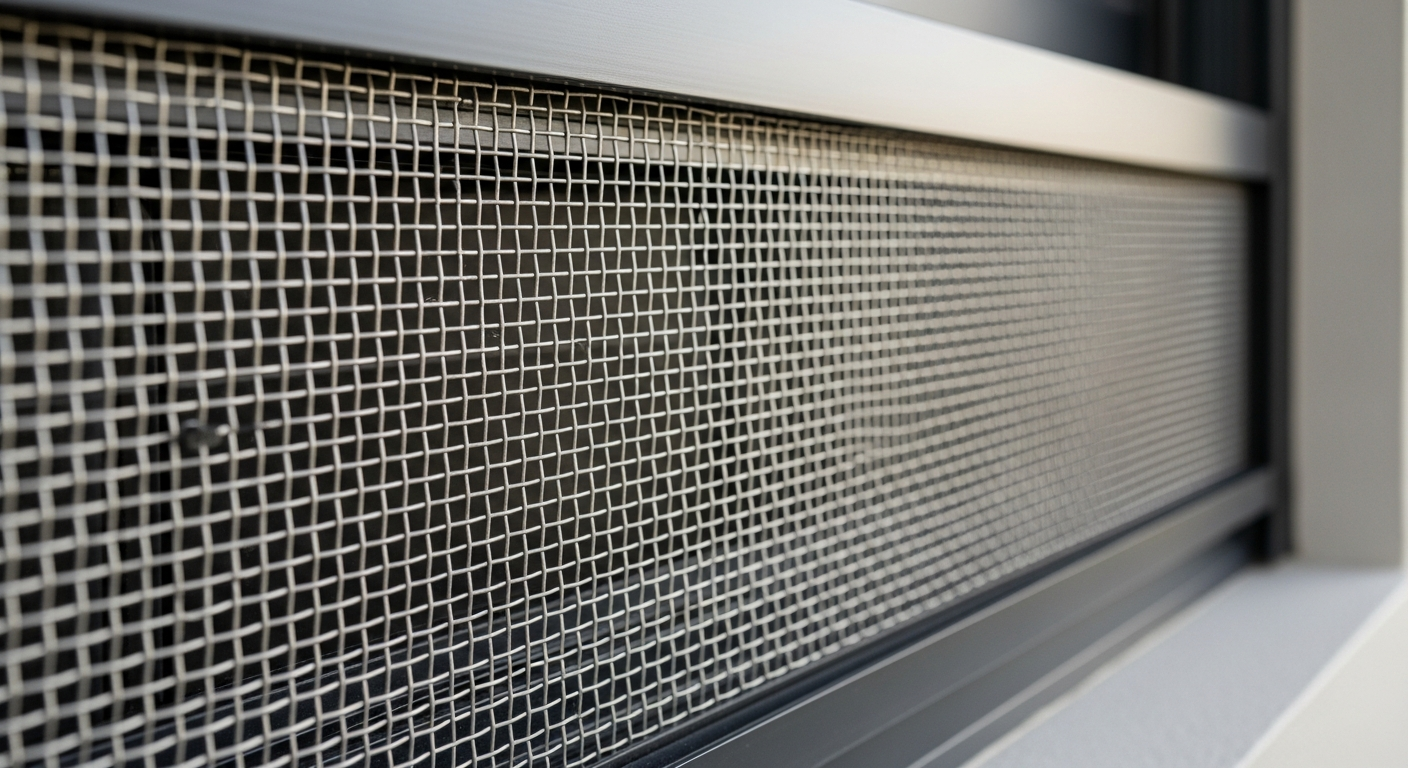
Security screen windows (also called security mesh screens or grille screens) replace standard insect screens with a reinforced mesh made from woven stainless steel or aluminum. Premium brands include Crimsafe (Australia/USA), Invisi-Gard, and Centurion. The frames are typically aluminum and the mesh is welded or screwed at every intersection point.
Security screens allow full ventilation — air flows through the mesh — and are designed to resist knife slashing, impact attacks, and forced lifting. They are nearly invisible from a distance, closely resembling standard insect screens.
What Are Window Security Bars?
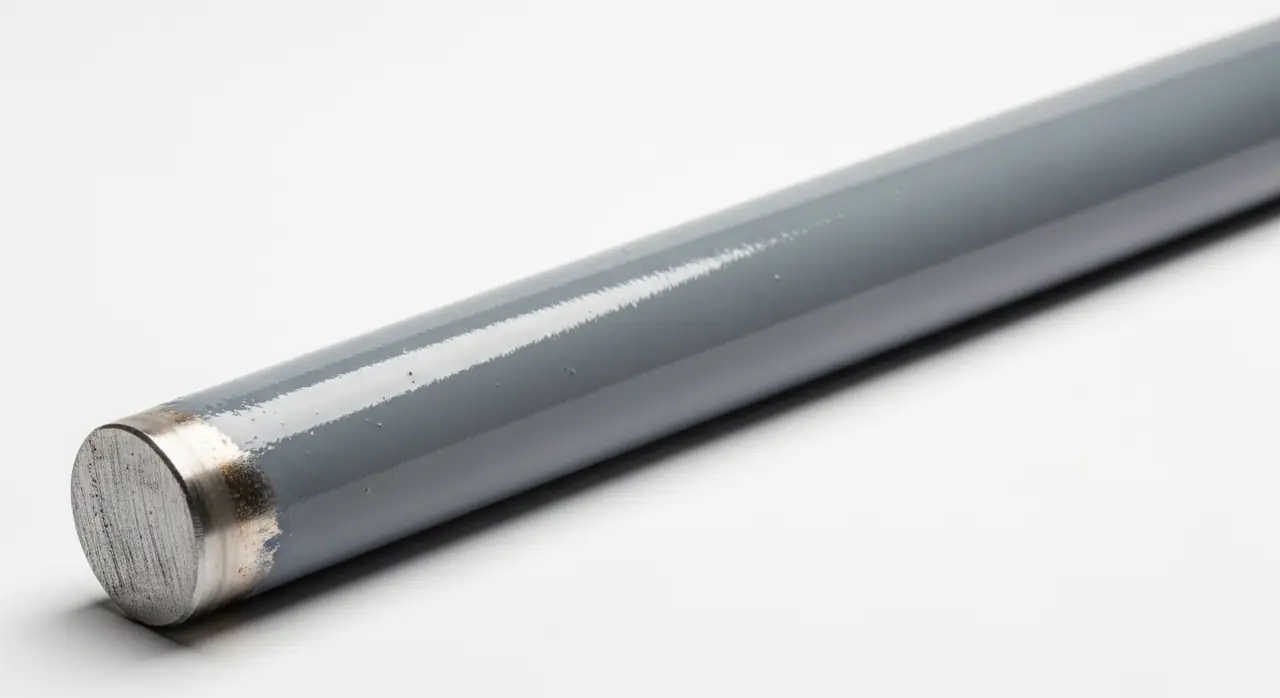
Window security bars are solid steel or iron bars, typically 1/2″ to 3/4″ diameter, installed in a grid pattern over or inside window openings. They create a robust physical barrier that prevents entry through the window opening even if the glass is entirely removed. Modern systems include quick-release mechanisms for emergency egress.
Side-by-Side Comparison
Factor
Window Bars
Security Screens
Material
Solid steel/iron bars
Woven stainless mesh
Security level
Extremely high
High (not equal to bars)
Knife/slash resistance
N/A (bars, not mesh)
Yes (stainless steel mesh)
Impact resistance
Very high
High, but mesh can flex
Sustained attack (crowbar)
Excellent
Good, but can be forced
Ventilation
Limited (bars obstruct)
Full airflow through mesh
Egress issue
Requires quick-release
Minimal (screen lifts)
Visibility / aesthetics
Obviously visible
Nearly invisible
Cost per window
$80–$350
$200–$700+
Installation
Moderate
Complex, usually professional
HOA compatibility
Often restricted
Often allowed
Security Level: Which Is Stronger?
Against Opportunistic Entry
Both products stop the grab-and-go opportunistic burglar. A smash-and-reach attack — break glass, reach through — fails against either security bars or quality security screens. For this threat level, security screens are sufficient and have the aesthetic advantage.
Against Sustained Attack
Solid steel window bars have a significant advantage against sustained, tool-assisted attack. A determined attacker with a crowbar can, over time, pry or lever security screen frames from their mounting — particularly if the frame anchoring is compromised. Solid steel bars require an angle grinder or reciprocating saw to defeat, creating significant noise and time commitment.
For high-risk properties — commercial frontage, ground-floor units in high-crime areas, storage facilities — window bars provide superior sustained-attack resistance.
Ventilation: Where Security Screens Win
This is the most significant practical advantage of security screens. You can open a window for fresh air while maintaining full security — the stainless mesh allows airflow but prevents entry. Window bars, while they don’t seal the window entirely, create more visual and psychological resistance to opening windows for ventilation because of the grid appearance.
In hot climates where natural ventilation is important, security screens dramatically improve livability compared to a bars-only approach.
Aesthetics and HOA Compliance
Quality security screens are virtually indistinguishable from standard insect screens from street view. This matters for:
HOA communities that prohibit visible security hardware on exterior windows
Historic districts where exterior modifications face scrutiny
Rental properties where landlords want to maintain curb appeal
Homeowners who find the visual impact of bars aesthetically unacceptable
Window bars make an unambiguous visual statement. Some homeowners prefer this — it signals hardened security to potential intruders. Others find it institutional-looking. Security screens let aesthetics and security coexist.
Cost Analysis
Scenario
Window Bars
Security Screens (Crimsafe)
Single window (DIY)
$80–$250
$200–$450 (pro required)
Single window (pro install)
$150–$350
$350–$700
8-window home
$640–$2,800
$2,800–$5,600
Lifespan
20+ years
15–25 years
Security screens cost 2–3x more than comparable window bars installations. For budget-conscious homeowners or rental property owners, bars provide substantially more security per dollar spent.
Verdict: Which Should You Choose?
Choose security screens if: ventilation is important, HOA restrictions prohibit visible hardware, aesthetics are a priority, and budget allows for the premium cost.
Choose window bars if: maximum physical strength against sustained attack is needed, budget is a primary consideration, you’re protecting commercial or high-value storage property, or older-construction windows require robust reinforcement.
Consider both: Some homeowners install security bars on rear and side windows (higher risk, less visible) and security screens on front windows (lower risk, aesthetics matter). This hybrid approach is cost-effective and security-optimized.
Frequently Asked Questions
Are Crimsafe screens as strong as window bars?
Crimsafe and comparable premium security screens pass rigorous impact, dynamic load, and knife-shear tests. They are certified to Australian Standard AS 5039 and meet US ASTM F 3090 requirements. Against opportunistic attack, they are equivalent to bars. Against sustained tool-assisted attack with crowbar or cutting tools, solid steel bars have an edge in resistance time.
Can security screens be installed on all window types?
Security screens are available for single-hung, double-hung, casement, sliding, and awning windows — though casement and awning windows require custom fabrication. Standard window bars are also adaptable to most window types, with measurements taken for custom-cut bar panels.
Do security screens require professional installation?
Premium security screen systems (Crimsafe, Invisi-Gard) require professional installation to maintain warranty and security certification. The screw-clamp system and frame anchoring must be done to manufacturer specifications. Window bars, particularly modular systems, are more DIY-accessible.
How do I know if a security screen is actually rated for security vs. just insects?
Look for mesh made from 304-grade stainless steel (not aluminum or fiberglass), frame thickness of at least 1mm, screw-clamp or weld-point mesh attachment (not simple crimping), and certification to ASTM F 3090 or AS 5039. Avoid any screen marketed as “security” without published test certification — most standard screens fail within seconds of a kick or knife test.