Window Bars vs. Security Cameras: Which Stops Break-Ins?
April 28, 2026·5 min read·SWB Research Team
Window bars and security cameras both appear in home security conversations — but they solve fundamentally different problems. Understanding which does what (and why you need both) is the most important insight in home security planning.
The Core Distinction: Prevention vs. Detection
Factor
Window Bars
Security Cameras
Primary function
Prevent entry
Detect / record entry
Stops burglary in progress
✅ Yes
❌ No
Evidence after break-in
❌ No
✅ Yes
Deters by visibility
✅ Strong deterrent
⚠️ Some deterrent
Works during power outage
✅ Always
❌ Often no
Works without internet
✅ Always
⚠️ Local storage only
Cost per window/camera
$80–$350
$30–$400
Monthly fees
None
$3–$30/month (cloud)
Maintenance
Minimal
Software updates, charging
How Window Bars Work
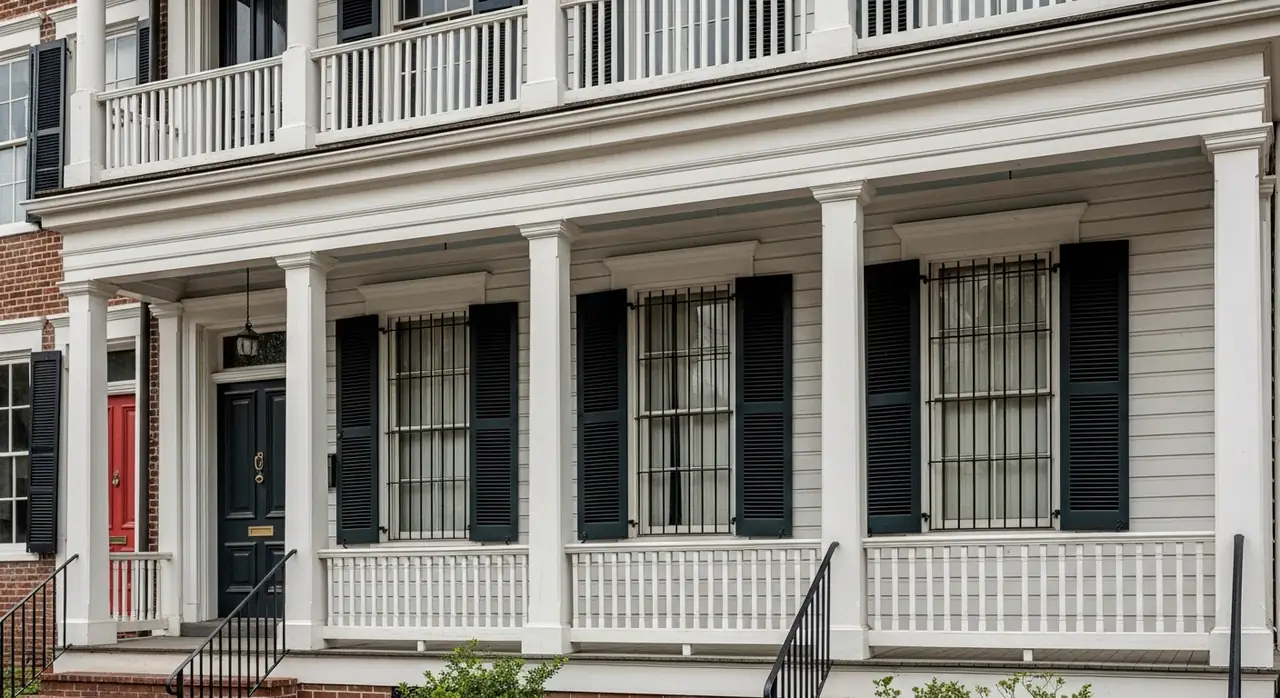
Window security bars create a steel barrier over window openings that cannot be bypassed even if the glass is shattered. They are passive, mechanical, and require no power, internet connection, or monitoring subscription to function.
The security logic is simple: a burglar who cannot physically enter through a window will move to an easier target. Studies of convicted burglars confirm that most abandon attempts when entry requires more than 60 seconds of visible effort. Bars eliminate that window entirely.
Visit our window security bars shop to see quick-release, fixed, and hinged bar configurations for different window types and installation requirements.
How Security Cameras Work
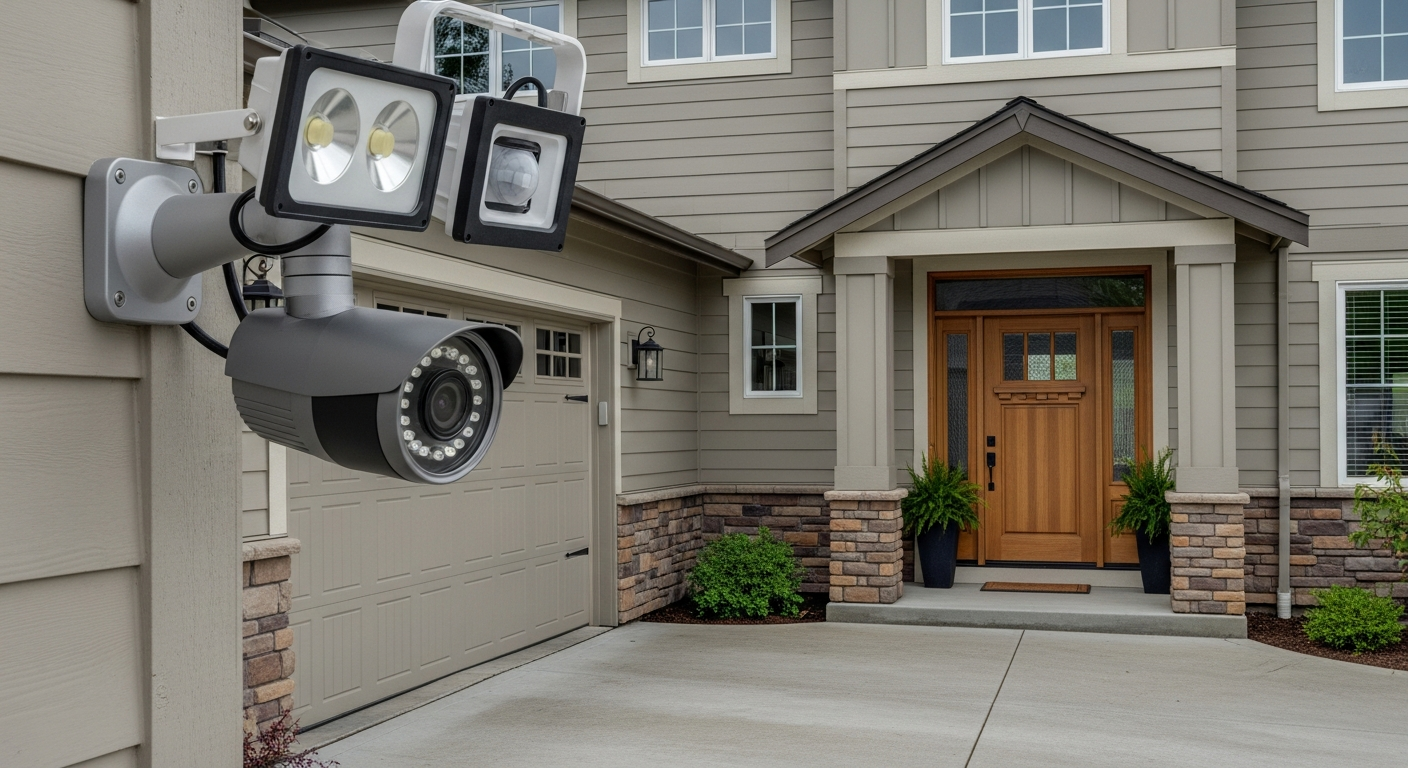
Security cameras capture video footage — before, during, and after an incident. Modern systems (Ring, Nest, Arlo) offer motion detection, cloud storage, and live viewing. Some integrate with professional monitoring services that alert police if triggered.
What cameras cannot do: physically stop anyone from entering. A burglar who notices a camera may avoid their face being captured, but if they’ve determined your home is a target, the camera doesn’t create an obstacle to entry.
The Critical Limitation of Cameras: Response Time
The average U.S. police response time to a burglary-in-progress call is 10–18 minutes. Research from the Bureau of Justice Statistics and independent studies consistently shows that most residential burglaries are completed in under 10 minutes — and many professional burglars are in and out in under 3 minutes.
A camera that alerts you (or a monitoring center) at the moment of entry still cannot stop the burglar from grabbing valuables before police arrive. The FBI reports the average loss per residential burglary is $2,661. Cameras document this loss; bars prevent it.
Limitations of Window Bars
Window bars are not without trade-offs:
No evidence collection — bars prevent entry but capture nothing about who attempted it
Fixed coverage — bars only protect the windows where they’re installed; cameras can monitor driveways, doors, and blind spots
Egress requirements — bedroom windows require quick-release mechanisms per fire code
Aesthetics — visible bars change a home’s appearance; some homeowners find this undesirable
Limitations of Security Cameras
React-only — cameras respond after an intrusion begins, not before
Power and internet dependent — most cloud cameras fail during outages
Privacy concerns — footage of neighbors or public spaces creates legal liability in some states
Defeat-able — spray paint, IR flooding, or simply masking face defeats camera evidence
Cost Comparison
Cost
Window Bars (4 ground windows)
Camera System (4 cameras)
Equipment
$320–$1,400
$120–$1,600
Installation
$0 (DIY) – $600 (pro)
$0 (DIY) – $400 (pro)
Monthly fees
$0
$0–$120/year
5-year total cost
$320–$2,000
$120–$2,200
The Optimal Strategy: Use Both
Law enforcement and professional security consultants agree: the most effective home security strategy layers passive prevention with active detection.
Window bars on ground-floor and accessible windows prevent physical entry — the primary goal
Doorbell camera at the front entrance captures approach footage and deters porch activity
Exterior cameras covering driveway, side gates, and backyard document perimeter activity
Interior cameras (optional) provide evidence if perimeter is bypassed via an unbarred entry point
Research shows mixed results. The UNC Charlotte criminology study found 60% of convicted burglars said cameras would cause them to choose a different target — but 40% said cameras would not change their behavior. Visible, professional-looking camera systems deter opportunistic burglars more than small DIY cameras. Bars deter virtually all opportunistic burglars because the obstacle is physical, not just recorded.
Are window bars enough without cameras?
For basic burglary prevention, yes — bars on accessible windows are highly effective at preventing entry. However, cameras add value for monitoring who approaches your property, recording any attempts, and providing evidence if a burglar bypasses bars via another entry point like a door.
What about smart doorbells — do those replace cameras?
Smart doorbells (Ring, Nest Hello) are excellent for front-door coverage but have limited field of view and don’t cover side or rear windows. They complement but don’t replace a multi-camera perimeter system — and neither replaces physical barriers on vulnerable windows.
Can burglars disable window bars?
Properly installed, anchor-point-compliant window bars require significant time and noise to defeat — typically via angle grinder or reciprocating saw. This level of commitment is extremely rare in residential burglaries, which are predominantly opportunistic crimes of speed. Any attempt to cut bars creates significant noise and extends the time-to-entry dramatically, usually causing abandonment.