Window fall prevention isn’t a “freak accident” category—it’s a predictable household risk with patterns you can design out of your home. In the United States, thousands of children are treated in emergency departments every year after falling from windows, and safety officials have warned for decades that these incidents rise during warmer months when families open windows for ventilation. (U.S. Consumer Product Safety Commission)
The hard truth is simple: a single open window can become a fall hazard in seconds—especially when a toddler discovers a new climbing skill overnight. The room didn’t change. The child changed. That’s why window fall prevention works best when it’s built into your environment, not dependent on perfect supervision.
This guide turns window fall prevention into an actionable, room-by-room system. You’ll learn how falls happen, which rooms create the highest risk, which devices actually work (and which ones don’t), and how to protect kids without creating an emergency trap. Because real home safety is not just “anti-intruder.” It’s anti-tragedy.
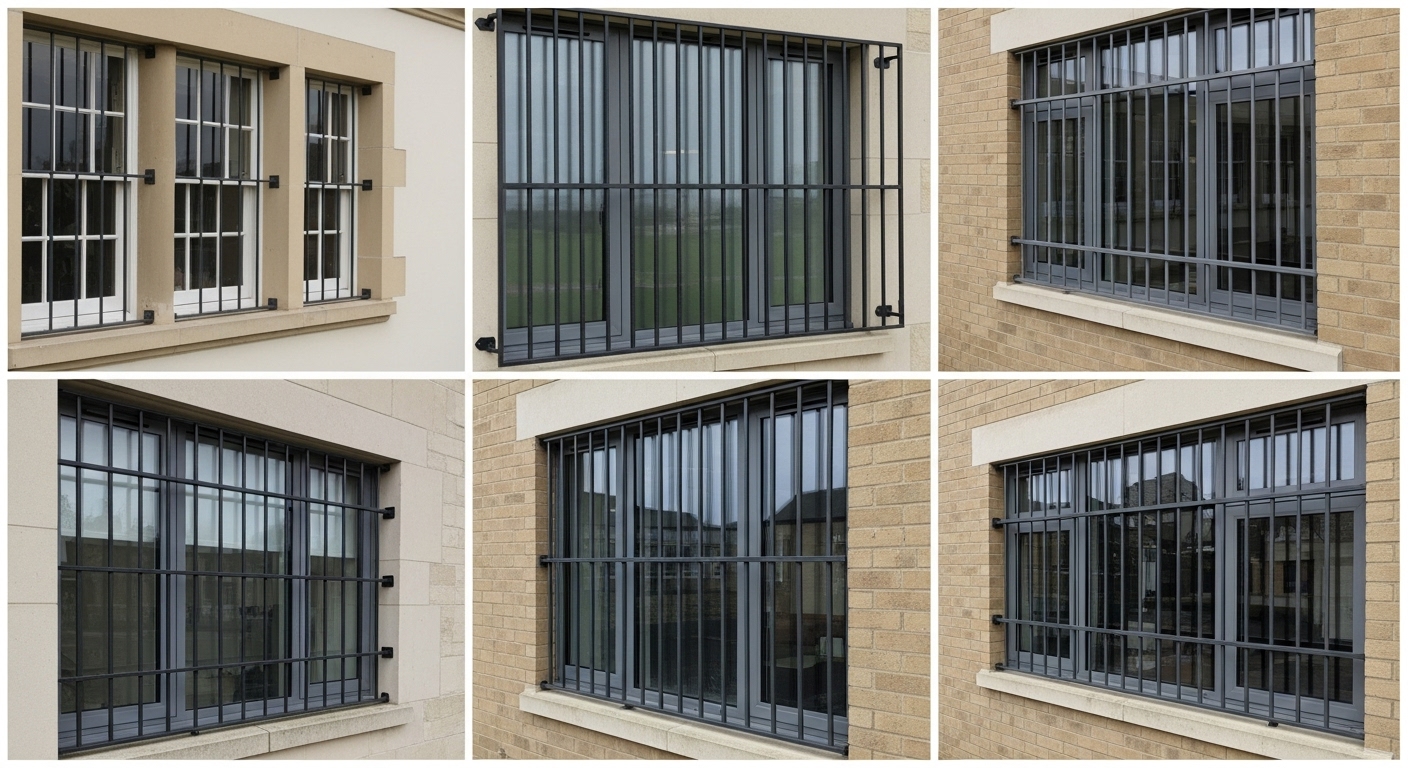
Schools and educational facilities are entrusted with the safety, well-being, and development of students of all ages. These environments must balance openness and accessibility with robust protection against physical threats.
In 2026, window bars for schools and educational facilities remain a vital component of campus security strategies. When thoughtfully designed and correctly installed, window bars enhance safety without creating a prison-like atmosphere or hindering educational activities.
Educational environments differ from other public buildings in both population and purpose. They host minors, young adults, educators, and staff in settings designed for learning rather than security.
Windows in classrooms, offices, libraries, laboratories, and gyms can present vulnerabilities if not properly secured, particularly at ground level or along campus perimeters.
Window bars provide a passive, always-on layer of security that does not depend on staff intervention or electronic systems.
In schools and educational facilities, window bars are commonly installed in:
By physically preventing unauthorized entry, window bars reduce the risk of intrusion, vandalism, and theft without disrupting daily school operations.
Protecting students and staff is the core mission of educational security. Physical measures must support this mission without creating fear or anxiety.
Window bars contribute to safety by:
When integrated thoughtfully, window bars support controlled access while preserving a positive learning environment.
Schools face a range of physical security threats, many of which involve windows rather than main entrances.
Common threat scenarios include:
Window bars mitigate these risks by increasing the effort, time, and visibility required for unauthorized access.
Educational buildings are subject to strict fire, building, and life-safety codes. Any security solution must fully comply with these requirements.
Properly engineered window bars can meet all applicable codes while maintaining effective security.
Window bars used in schools must meet specialized design standards that account for safety, durability, and aesthetics.
These standards ensure that window bars enhance safety without introducing new hazards.
| Security Measure | Effectiveness | Reliability | Impact on Learning |
|---|---|---|---|
| Window Bars | High | Very High | Minimal |
| Electronic Access Control | High | High | Active |
| Security Screens | Low | Medium | Limited |
COOKIES POLICY
Security Window Bars LLC ("SWB") uses cookies and similar technologies to improve your browsing experience and enhance the functionality of our website www.securitywb.com (the “Website”). This Cookies Policy explains what cookies are, how we use them, and how you can manage your cookie preferences.
By using our Website, you agree to our use of cookies as described in this policy.
Last Updated: 01/01/25