
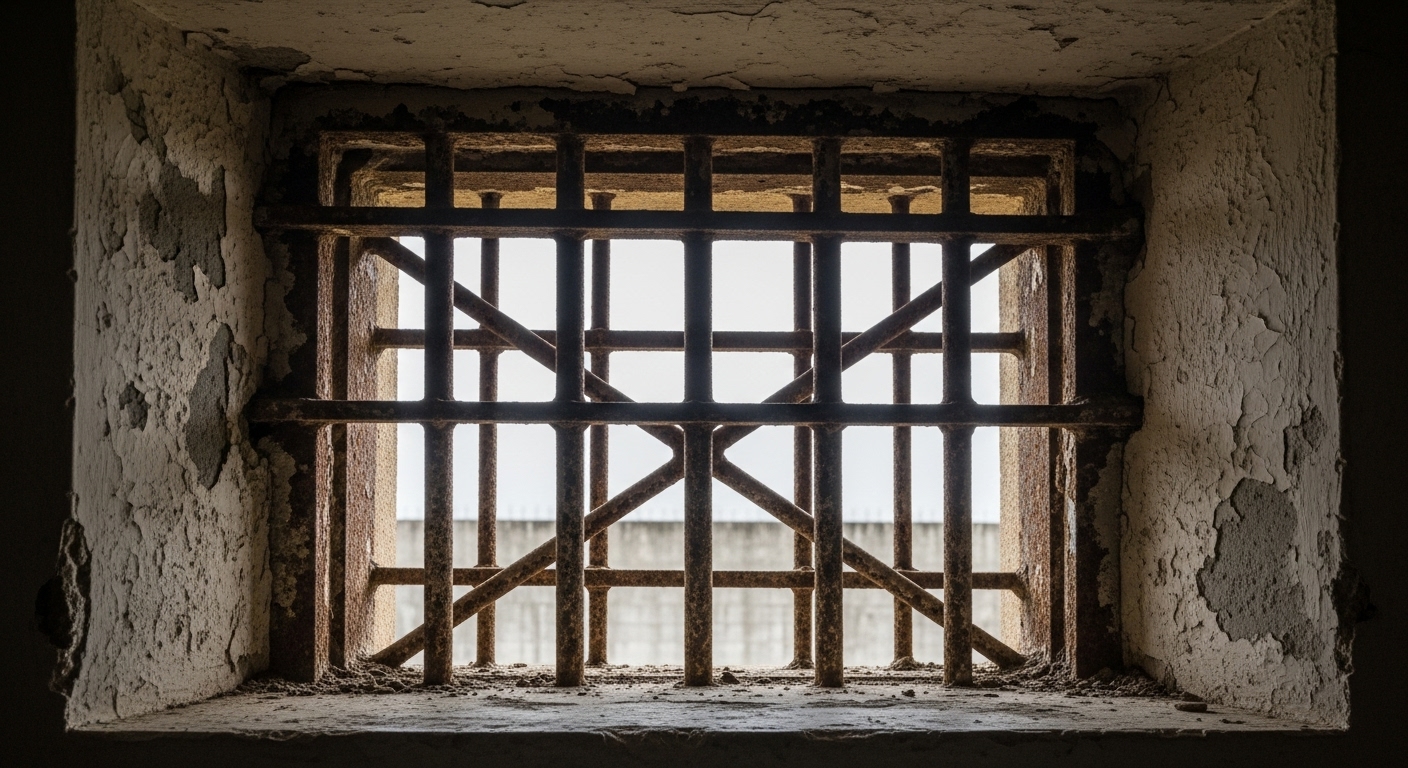
Prisons and correctional facilities operate at the intersection of public safety, legal accountability, and human rights. These institutions must maintain absolute control of their physical environment while ensuring compliance with strict regulatory and life-safety requirements.
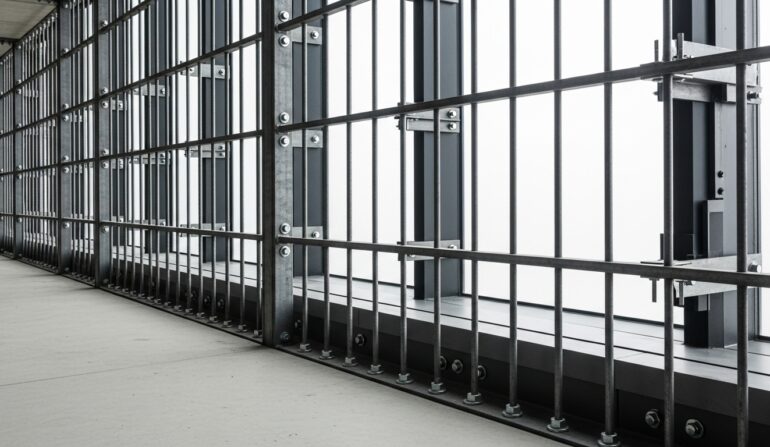
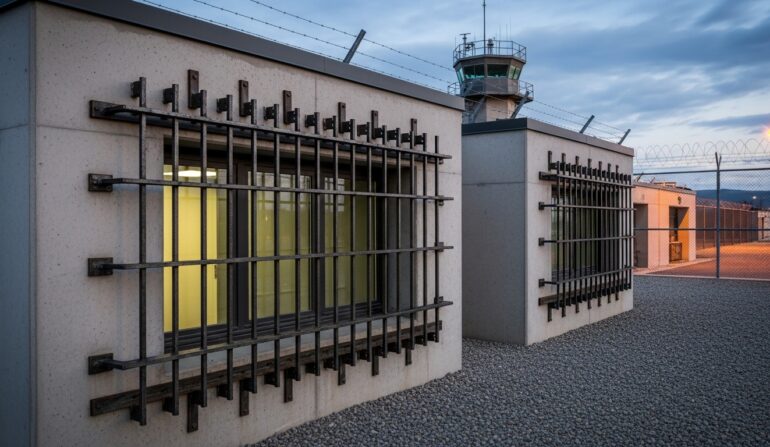
In 2026, window bars for prisons and correctional facilities remain one of the most critical components of physical security design. Properly engineered window bars prevent escape, restrict contraband flow, and reinforce institutional order without compromising safety or legal compliance.
Correctional environments differ fundamentally from any other building type. They are designed to restrict movement, control populations, and withstand continuous stress on both infrastructure and personnel.
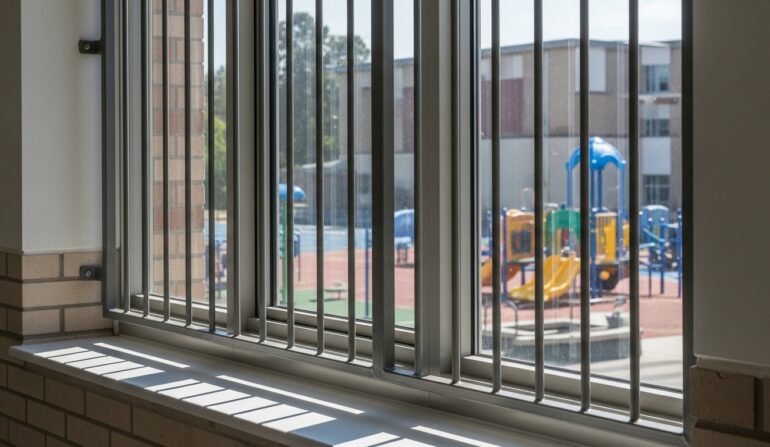
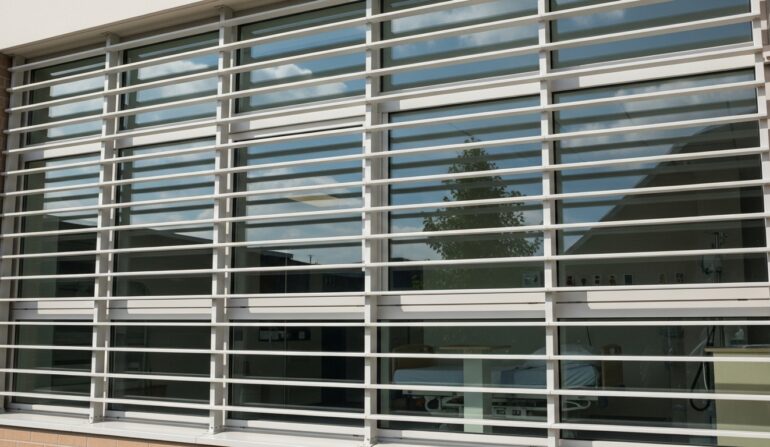
Windows in cells, housing units, administrative areas, and service corridors represent critical security boundaries. Without robust protection, they become points of escape, contraband exchange, or external coordination.
Window bars provide a non-negotiable, passive layer of security that functions continuously regardless of staffing levels or system availability.
In correctional facilities, window bars are commonly installed in:
By physically preventing escape and unauthorized access, window bars form the foundation of correctional facility security architecture.
Maintaining order within correctional facilities depends on controlling the physical environment. Window bars play a direct role in reducing risk to staff and inmates alike.
Window bars contribute to institutional control by:
For correctional officers, reliable physical barriers reduce constant exposure to high-risk situations and improve overall facility safety.
Correctional facilities face persistent and evolving threat scenarios that often center around physical vulnerabilities.
Common threats include:
Window bars mitigate these threats by increasing the difficulty, time, and visibility required to exploit windows.
Despite extreme security requirements, correctional facilities must comply with fire, building, and life-safety regulations as well as human rights standards.
Properly engineered window bars can meet compliance requirements while still maintaining secure confinement.
Window bars in prisons must meet the highest technical and durability standards of any building type.
These standards ensure long-term reliability under constant stress and misuse.
| Security Measure | Effectiveness | Reliability | Suitability |
|---|---|---|---|
| Window Bars | Very High | Very High | Essential |
| Electronic Surveillance | High | High | Supplemental |
| Security Screens | Low | Medium | Inadequate |
Correctional facilities deploy window bars according to strict security classifications, inmate populations, and facility layouts. Their placement is never arbitrary and is typically informed by historical incident data, risk assessments, and operational doctrine.
Common real-world use cases include:
In high-security and maximum-security prisons, window bars are often combined with secondary barriers and controlled sightlines to create layered containment zones that significantly reduce escape probability.
Modern correctional security relies on a layered approach that integrates physical barriers, technology, and human oversight. Window bars form the foundation of this system by eliminating basic physical vulnerabilities.
They are typically integrated with:
By removing window-based escape and contraband vectors, window bars allow security staff to focus on behavioral monitoring and incident prevention.
Correctional facilities must remain secure during riots, lockdowns, natural disasters, and infrastructure failures. Physical security measures must function independently of power and communication systems.
Window bars contribute to resilience by:
This passive reliability is critical during high-stress incidents when staff resources are stretched and rapid decisions are required.
Correctional institutions operate under intense legal scrutiny and public oversight. Security failures can result in lawsuits, federal intervention, and loss of public trust.
Properly specified window bars demonstrate:
From a legal perspective, documented physical security measures help establish that reasonable precautions were taken to protect staff, inmates, and the public.
Correctional architecture must balance uncompromising security with humane conditions and safety standards. Physical barriers must not create unnecessary harm or violate regulatory requirements.
Modern window bar systems for correctional facilities are designed to:
This balance supports institutional control while respecting safety and human rights considerations.
Correctional facilities place extreme demands on physical infrastructure. Security components must be designed for long-term durability and ease of inspection under constant use.
Best practices for managing window bars in correctional environments include:
Lifecycle management ensures continuous compliance and prevents degradation that could compromise security over time.
Yes. Window bars are considered essential in prisons and correctional facilities, particularly in inmate housing and perimeter-facing areas.
While no single measure is absolute, properly designed window bars significantly reduce escape attempts and are a core element of layered security.
Yes. Correctional-grade window bars are engineered to meet applicable fire, building, and life-safety requirements.
Yes. From minimum-security to maximum-security facilities, window bars are adapted to the specific risk profile of each environment.
Yes. By addressing known vulnerabilities, window bars reduce incidents, legal exposure, and operational disruptions.
Window bars for prisons and correctional facilities are not optional security features—they are fundamental to institutional control, public safety, and legal compliance. Their role in preventing escape, reducing violence, and maintaining order cannot be overstated.
By integrating high-performance, correctional-grade window bar systems into a layered security strategy, correctional authorities can protect staff, safeguard inmates, and uphold their responsibility to the public.
In an environment where failure is not an option, investing in reliable physical security measures is both a legal obligation and an operational necessity.
Security WB Home
EMAIL ADDRESS: sales@securitywb.com
SITE: www.securitywb.com
PHONE:
CDMX: +52 (55) 5272 3355 USA: +1 (650) 4371 575
COOKIES POLICY
Security Window Bars LLC ("SWB") uses cookies and similar technologies to improve your browsing experience and enhance the functionality of our website www.securitywb.com (the “Website”). This Cookies Policy explains what cookies are, how we use them, and how you can manage your cookie preferences.
By using our Website, you agree to our use of cookies as described in this policy.
Last Updated: 01/01/25