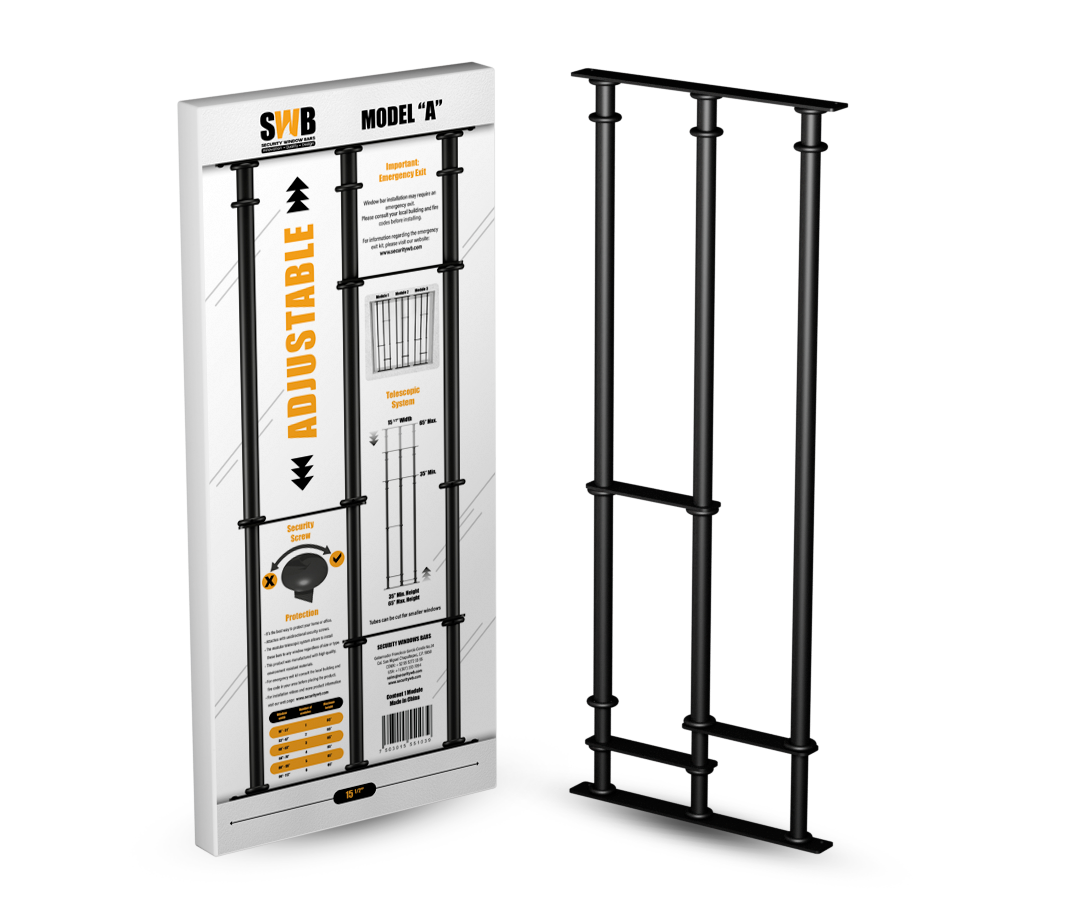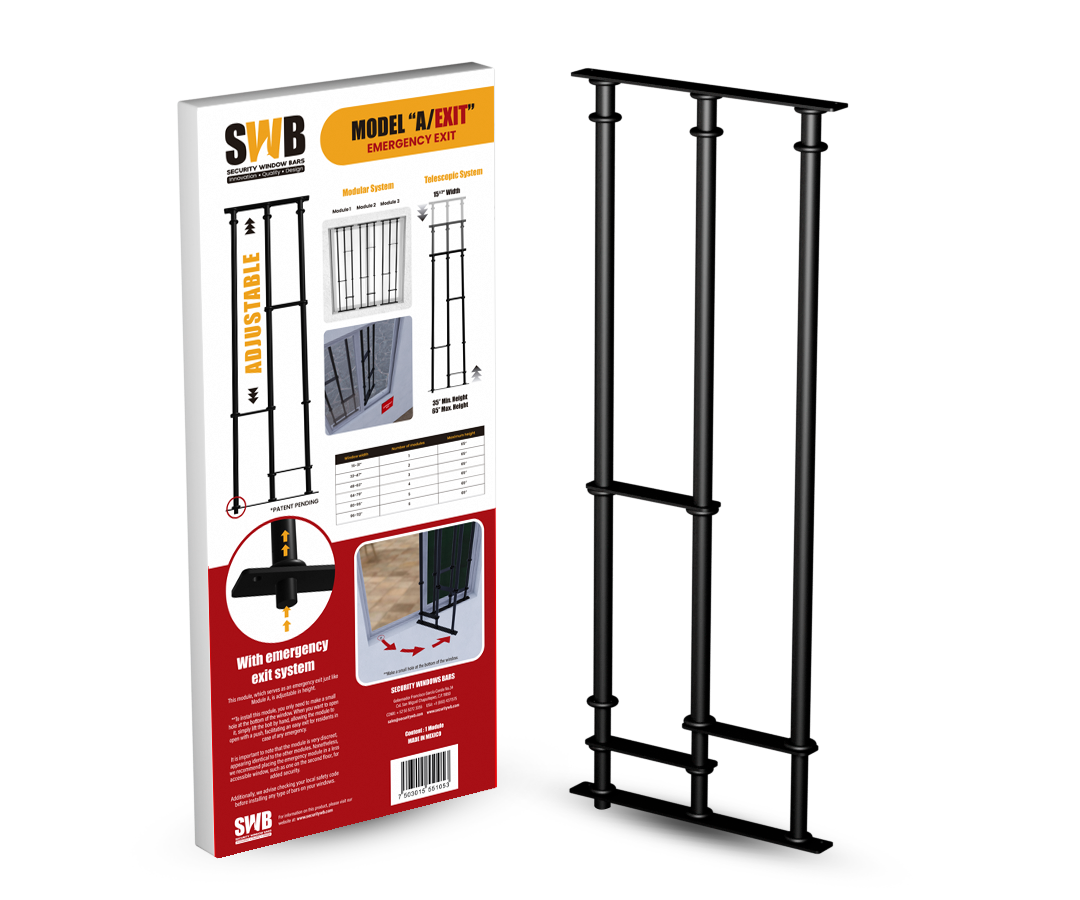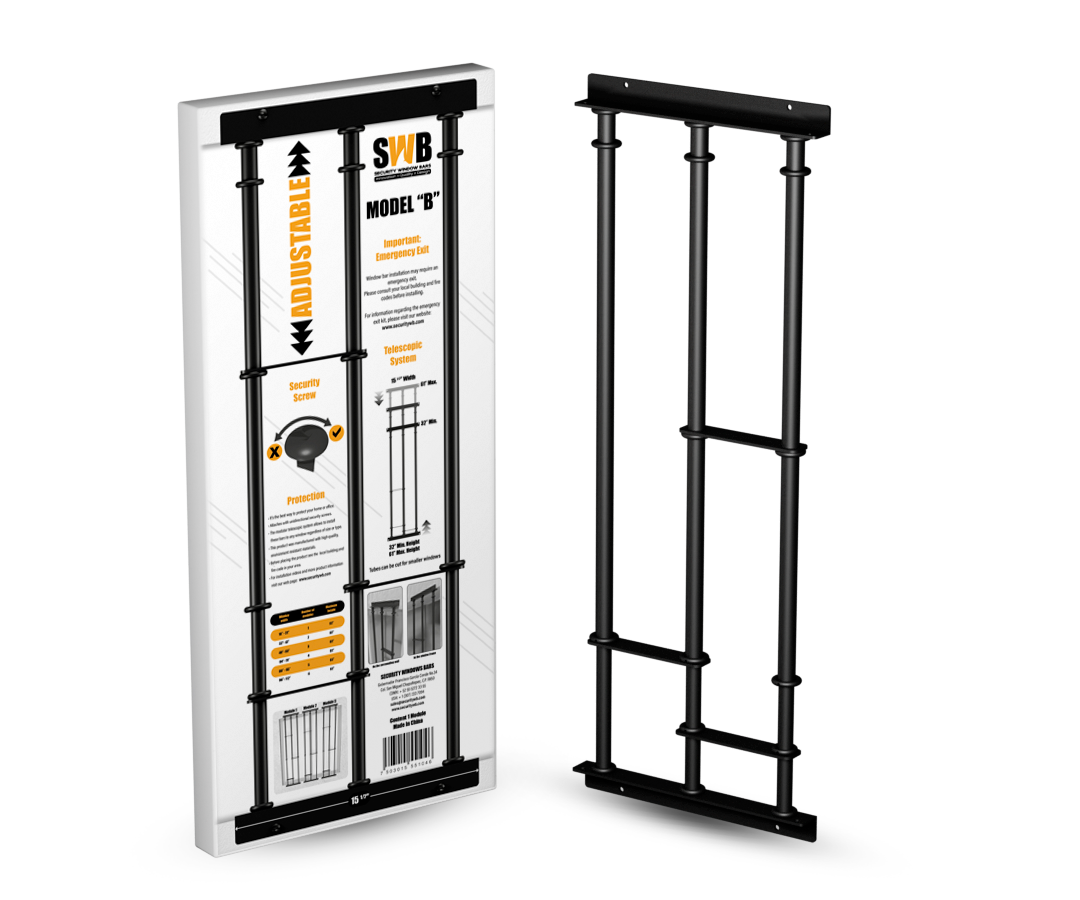

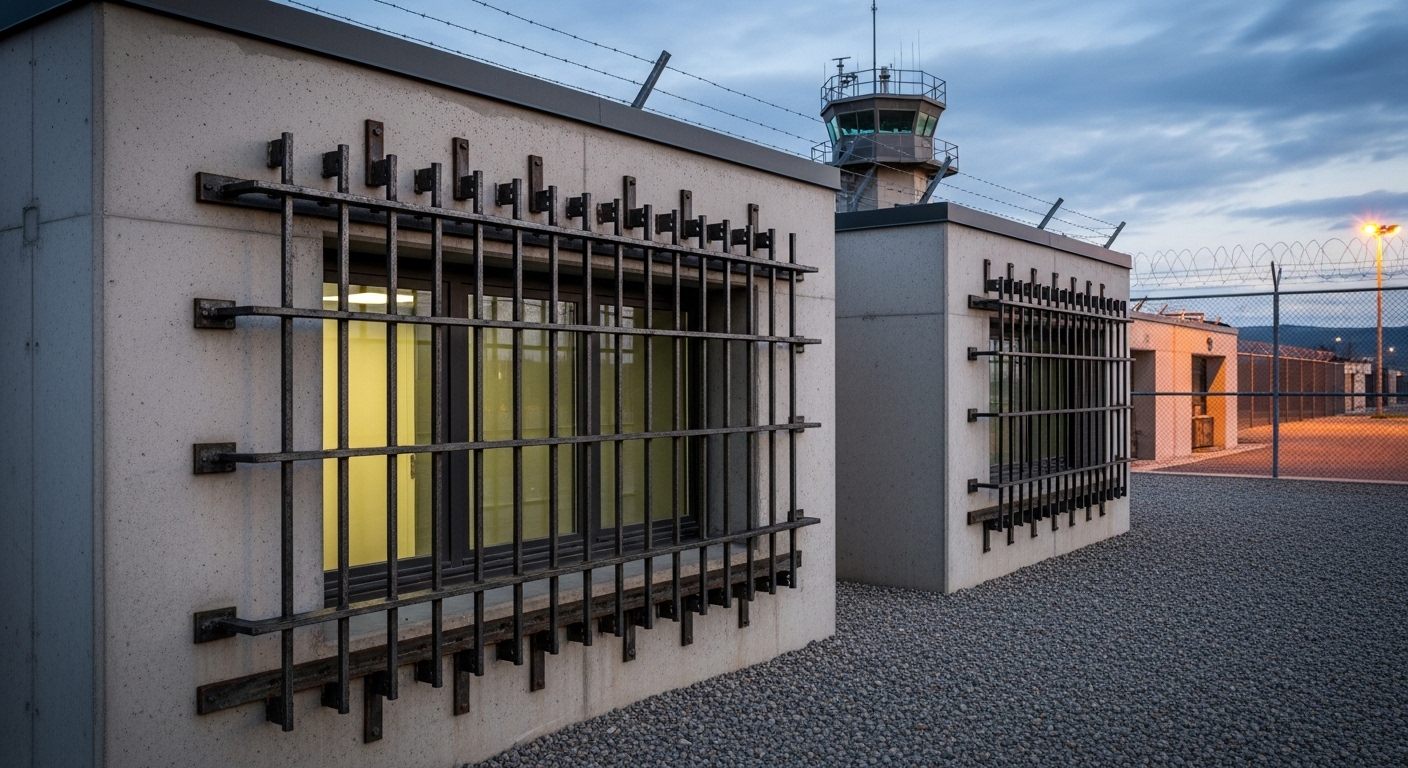
Military bases and defense facilities are among the most security-sensitive environments in the world. They support national defense operations, house critical personnel and assets, and often contain classified systems and mission-essential infrastructure.
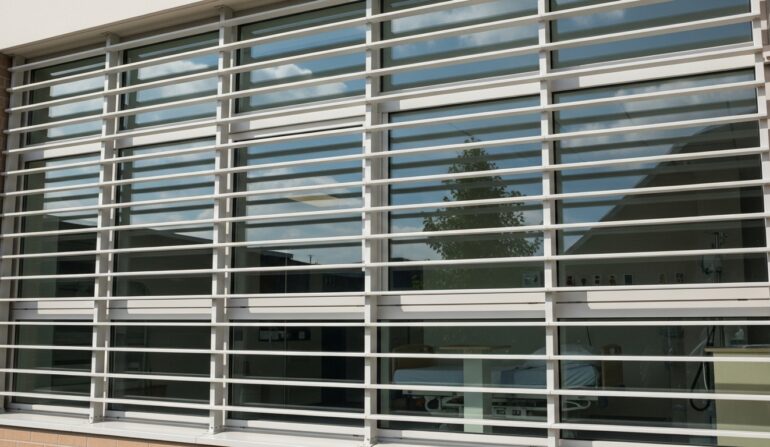
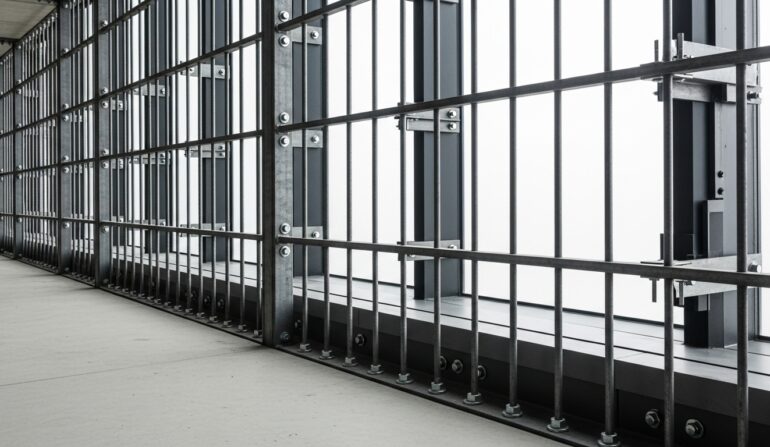
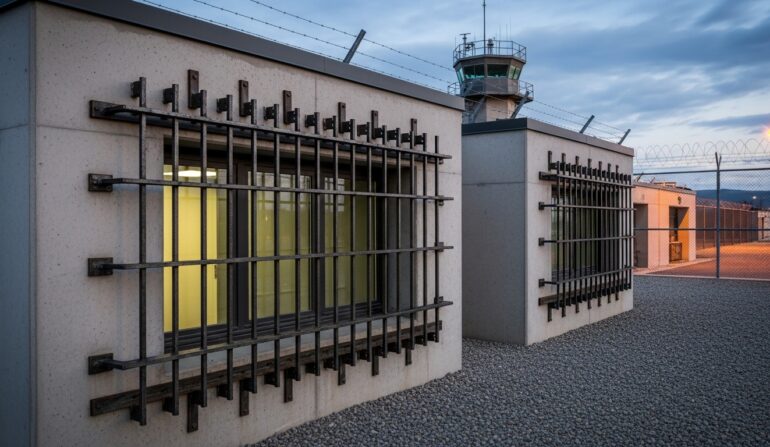
In 2026, window bars for military bases and defense facilities remain a fundamental component of layered physical security strategies. Properly engineered window bars help prevent unauthorized access, reduce sabotage risk, and reinforce force protection without interfering with operational readiness or safety requirements.
Unlike civilian facilities, military bases operate under a threat model that includes both conventional and unconventional risks. These installations are designed to function under elevated security conditions at all times.
Windows in military buildings—such as administrative offices, barracks, logistics centers, and support facilities—can become potential vulnerabilities if not properly secured. Even secondary or non-public windows may be targeted for surveillance, contraband delivery, or forced entry.
Window bars serve as a passive, always-on security layer that complements other defense-grade security measures. Unlike electronic systems, they do not rely on power, networks, or human response time.
In military installations, window bars are commonly deployed in:
By physically preventing unauthorized access, window bars eliminate entire classes of attack vectors and reduce the burden on active security systems.
Force protection is a core principle of military security doctrine. It encompasses measures designed to safeguard personnel, resources, and operations from harm.
Window bars contribute directly to force protection by:
From a personnel safety perspective, window bars also help prevent intrusion during off-duty hours, training periods, and deployment cycles when staffing levels may fluctuate.
Military facilities must account for a wide range of threat scenarios, including those involving insider risk. Windows are often targeted because they are perceived as less monitored than primary entrances.
Potential threat scenarios include:
Window bars mitigate these risks by physically restricting access and limiting the ability to exploit architectural features for hostile purposes.
Despite their enhanced security requirements, military facilities must still comply with fire, building, and life-safety regulations. Window bars can fully comply with these standards when properly specified.
Compliance ensures that security enhancements do not compromise emergency evacuation or personnel safety.
Window bars used in military environments must meet rigorous technical requirements that exceed those of most civilian installations.
These design standards ensure long-term reliability under continuous use and elevated threat conditions.
| Security Measure | Effectiveness | Reliability | Operational Impact |
|---|---|---|---|
| Window Bars | High | Very High | Minimal |
| Electronic Alarms | Medium | High | Reactive |
| Security Screens | Low | Medium | Limited |
Across military bases and defense facilities, window bars are deployed based on mission type, building function, and threat assessments. Their use is highly contextual and guided by force protection doctrines rather than aesthetics alone.
Common operational use cases include:
In forward-operating bases and high-alert installations, window bars often form part of a broader hardened envelope designed to slow, deter, and expose intrusion attempts long before critical assets are reached.
Military security relies on layered defense. No single system is expected to provide total protection on its own. Window bars function as a foundational, passive layer within this architecture.
They are typically integrated with:
By eliminating window-based vulnerabilities, window bars reduce the number of threat vectors that active security systems must monitor, improving overall situational awareness and response efficiency.
Military installations must remain operational during natural disasters, power outages, and hostile events. Physical security measures must therefore function independently of external systems.
Window bars contribute to resilience by:
This reliability is particularly critical in contested or austere environments where electronic systems may be degraded or unavailable.
Defense organizations operate under strict oversight, audits, and accountability frameworks. Physical security measures must be justifiable, documented, and effective.
Properly specified window bars demonstrate:
From a strategic standpoint, reducing preventable security incidents preserves resources, protects personnel, and safeguards mission integrity.
Military facilities must balance robust security with efficient daily operations. Overly intrusive measures can hinder movement, morale, and mission execution.
Modern window bar systems are designed to:
This approach ensures that security enhancements support, rather than obstruct, operational effectiveness.
Defense facilities are long-term assets. Security infrastructure must be durable, maintainable, and adaptable to evolving requirements.
Best practices for managing window bars in military environments include:
Lifecycle management ensures continued compliance and effectiveness throughout the operational lifespan of the facility.
Yes. Window bars are widely used across military bases and defense facilities, particularly in ground-level buildings and sensitive operational areas.
No. When properly designed, window bars include compliant egress solutions where required by safety regulations.
Yes. Defense-grade window bars are engineered to meet or exceed applicable force protection and safety requirements.
They are typically installed in non-public or controlled areas, or integrated in a way that minimizes visual impact.
Yes. By physically eliminating common vulnerabilities, window bars significantly reduce intrusion and sabotage risk.
Window bars for military bases and defense facilities are not optional accessories. They are a core element of force protection, infrastructure resilience, and operational readiness.
By integrating robust, code-compliant window bar systems into a layered defense strategy, military organizations can protect personnel, secure critical assets, and maintain mission continuity under a wide range of conditions.
In an increasingly complex and contested global environment, investing in reliable physical security measures is essential to safeguarding national defense capabilities.
Security WB Home


EMAIL ADDRESS: sales@securitywb.com
SITE: www.securitywb.com
PHONE:
CDMX: +52 (55) 5272 3355 USA: +1 (650) 4371 575
COOKIES POLICY
Security Window Bars LLC ("SWB") uses cookies and similar technologies to improve your browsing experience and enhance the functionality of our website www.securitywb.com (the “Website”). This Cookies Policy explains what cookies are, how we use them, and how you can manage your cookie preferences.
By using our Website, you agree to our use of cookies as described in this policy.
Last Updated: 01/01/25