Window fall prevention isn’t a “freak accident” category—it’s a predictable household risk with patterns you can design out of your home. In the United States, thousands of children are treated in emergency departments every year after falling from windows, and safety officials have warned for decades that these incidents rise during warmer months when families open windows for ventilation. (U.S. Consumer Product Safety Commission)
The hard truth is simple: a single open window can become a fall hazard in seconds—especially when a toddler discovers a new climbing skill overnight. The room didn’t change. The child changed. That’s why window fall prevention works best when it’s built into your environment, not dependent on perfect supervision.
This guide turns window fall prevention into an actionable, room-by-room system. You’ll learn how falls happen, which rooms create the highest risk, which devices actually work (and which ones don’t), and how to protect kids without creating an emergency trap. Because real home safety is not just “anti-intruder.” It’s anti-tragedy.
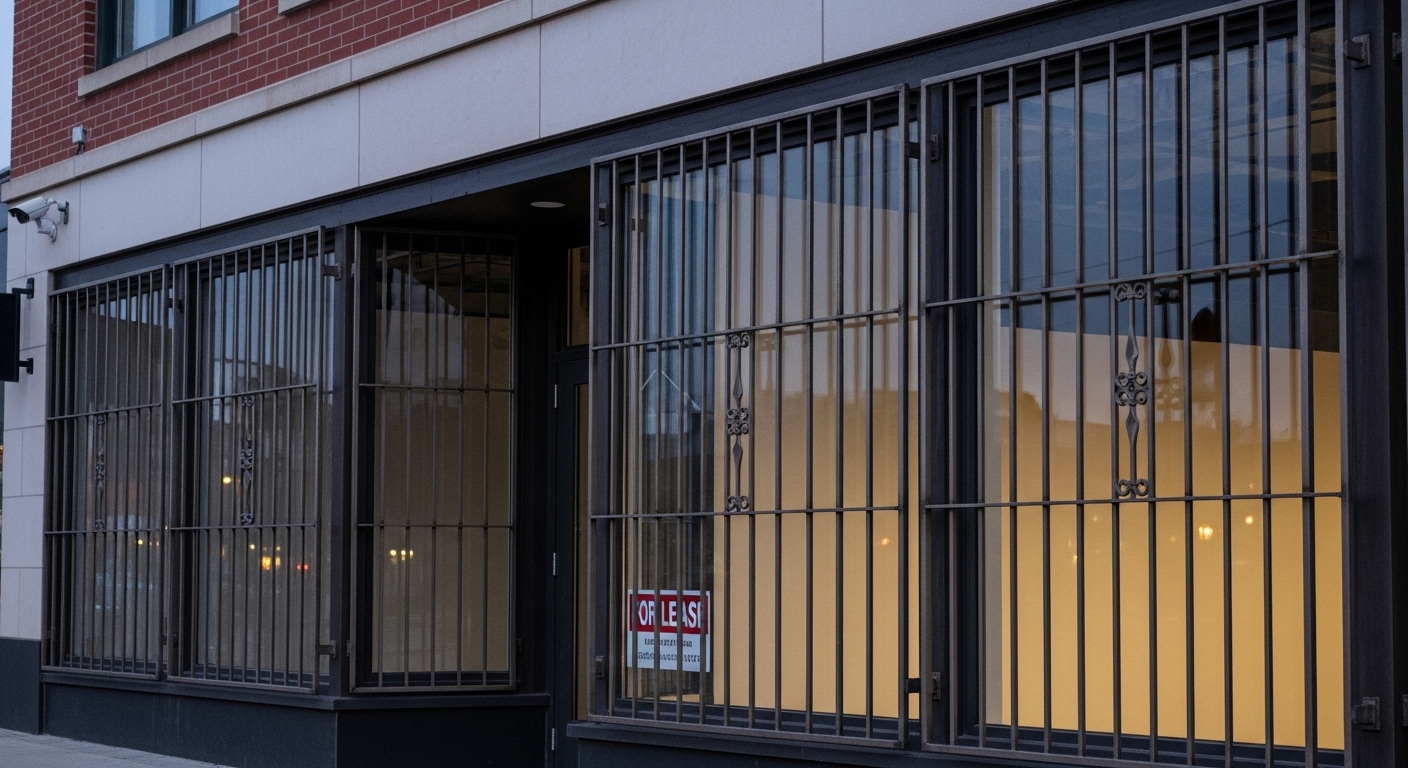
Train stations and rail infrastructure are essential components of modern public transportation networks. They serve millions of passengers daily and must remain open, reliable, and secure under a wide range of operating conditions.
For this reason, window bars for train stations and rail infrastructure are used as part of a layered physical security strategy, protecting critical areas without interfering with passenger movement or emergency procedures.
Rail facilities face unique challenges due to their combination of public access, critical operations, and extended operating hours.
Window bars are typically installed in non-public and semi-public areas of rail facilities, including:
In these contexts, window bars provide constant, passive protection that supports other security measures such as surveillance and access control.
Modern rail facilities operate under strict life-safety regulations. Window bars can be fully compliant when designed with appropriate release mechanisms and approved installation methods.
Rail environments place high technical demands on physical security systems. Window bars must be engineered to withstand:
| Security Measure | Effectiveness | Reliability | Operational Impact |
|---|---|---|---|
| Window Bars | High | Very High | Minimal |
| Alarms | Medium | High | Reactive |
| Security Screens | Low | Medium | Limited |
Rail authorities deploy window bars strategically to strengthen security without compromising accessibility or passenger experience. Typical use cases include:
Yes. When properly designed and approved, window bars are commonly used in rail facilities and comply with safety regulations.
No. They are installed in controlled or non-public areas and do not interfere with passenger movement.
Yes, provided they include compliant release mechanisms where required.
Window bars for train stations and rail infrastructure provide a reliable, long-term security solution that protects public transit systems from intrusion and disruption.
As rail networks continue to expand and modernize, integrating robust physical security measures is essential for safety, resilience, and public confidence.
Security WB HomeCOOKIES POLICY
Security Window Bars LLC ("SWB") uses cookies and similar technologies to improve your browsing experience and enhance the functionality of our website www.securitywb.com (the “Website”). This Cookies Policy explains what cookies are, how we use them, and how you can manage your cookie preferences.
By using our Website, you agree to our use of cookies as described in this policy.
Last Updated: 01/01/25