
Window Bars for Basement Windows Security: The Complete Protection Guide for US Homes
Discover the best window bars for basement windows security in US homes. Installation tips, egress compliance, moisture resistance & top bar styles covered.
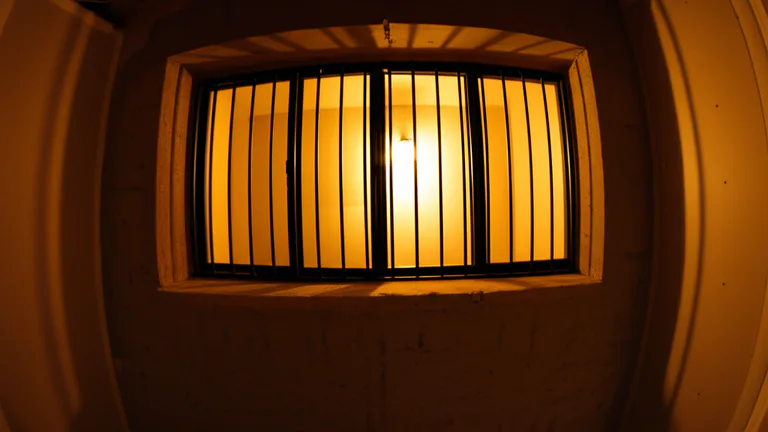
From our experience protecting thousands of homes across the USA, SWB analyzes the best strategies so you can sleep soundly. Window bars for basement windows security represent one of the most overlooked yet critically important upgrades any American homeowner or renter can make. According to FBI Uniform Crime Reports, nearly 60% of all residential burglaries involve ground-floor or below-grade entry points — and basement windows rank among the top three access points exploited by intruders nationwide. In cities like Chicago, Detroit, and Philadelphia, where older housing stock features multiple accessible below-grade windows, this vulnerability is especially acute. Basement windows present a unique set of challenges: they are partially or fully below grade, they are often smaller and irregularly shaped, they are exposed to persistent moisture and condensation, and in finished basements used as sleeping areas, they must comply with strict egress requirements under the International Building Code (IBC) and NFPA 101 Life Safety Code. This guide covers every aspect of selecting, installing, and maintaining the right window bars for basement windows security in any US home.
The FBI Uniform Crime Reports consistently document that burglars enter through windows in approximately 23% of all residential break-ins, making windows the se…
Why Basement Windows Are Your Home’s #1 Security Vulnerability
Most homeowners invest heavily in front-door locks, alarm systems, and porch cameras — yet leave basement windows almost completely unprotected. This is a critical oversight. According to the FBI’s Uniform Crime Reports (UCR), burglars consistently target the path of least resistance, and below-grade windows offer exactly that: low visibility from the street, minimal lighting, natural concealment from shrubs or window wells, and frames that are often older and easier to compromise than main-floor windows. In cities like Detroit, Memphis, and Baltimore — which consistently rank among the highest in residential burglary rates in the USA — ground-floor and basement entry points account for a disproportionate share of break-ins. The National Crime Prevention Council (NCPC) estimates that a determined intruder can breach an unprotected basement window in under 60 seconds using basic tools. What makes basement windows even more dangerous is their psychological effect: most homeowners simply forget they exist as entry points. They are rarely visible from inside living spaces, meaning a breach can go undetected for critical minutes. Installing properly rated window bars for basement windows security is one of the fastest, most cost-effective ways to eliminate this vulnerability entirely — often for under $100 per window, compared to $600–$1,800 for professionally welded bar systems.
The Statistics Behind Basement Window Break-Ins in the USA
The FBI Uniform Crime Reports consistently document that burglars enter through windows in approximately 23% of all residential break-ins, making windows the second most common entry point after doors. When that data is broken down by window type and location, below-grade and ground-floor windows — including basement windows — account for the majority of those incidents. A 2022 study by the University of North Carolina’s Department of Criminal Justice & Criminology found that most convicted burglars specifically avoided homes that showed visible physical security barriers. Window bars, grilles, and security screens were among the top deterrents cited. This means that visible window bars for basement windows security do not just stop a break-in — they prevent the attempt entirely. In high-density urban areas like New York City, Los Angeles, and Houston, where basement and garden-level apartments are common, this deterrence factor carries enormous practical value for renters and property owners alike.
How Burglars Exploit Unprotected Basement Windows
Professional security consultants who work with law enforcement agencies across the USA identify several consistent tactics used to exploit basement windows. First, burglars survey neighborhoods during daylight hours, noting which homes have window wells obscured by overgrown shrubs or deep concrete wells that provide natural concealment. Second, they test window latch strength — many older US homes still have single-latch aluminum or wood-frame basement windows that can be forced open with a simple pry bar in seconds. Third, they target windows on the non-street-facing side of the home, where neighbor visibility is lowest. Installing cross bars in windows or full perimeter security grilles eliminates all three vulnerabilities simultaneously. The physical presence of steel bars makes forced entry exponentially more time-consuming and noisy — two factors that deter the overwhelming majority of opportunistic residential burglars, who according to FBI data typically spend fewer than 90 seconds attempting entry before abandoning a target.
Understanding Basement Window Dimensions and Bar Style Compatibility
Before selecting any window bars for basement windows security, you need to accurately understand what you are working with dimensionally. Basement windows in US residential construction vary enormously depending on the era the home was built, the regional building codes that applied at the time, and whether the basement is fully below grade, partially above grade, or at a walk-out level. Standard basement window rough openings in American homes typically range from 14 inches wide by 10 inches tall (very small utility windows) up to 36 inches wide by 24 inches tall (egress-compliant windows in finished basements). Between those extremes, you will find an enormous variety of widths, heights, and frame configurations — including horizontal sliding windows, single-hung sash windows, hopper-style inward-opening windows, and fixed glass panes. Each style requires a different approach to bar installation, and not all commercial security bar products are designed to accommodate the narrower or more irregular dimensions common in basement applications. This is one of the primary reasons telescopic and adjustable security bar systems have become the preferred solution for below-grade window security across all US climate zones.
Standard vs. Non-Standard Basement Window Sizes in American Homes
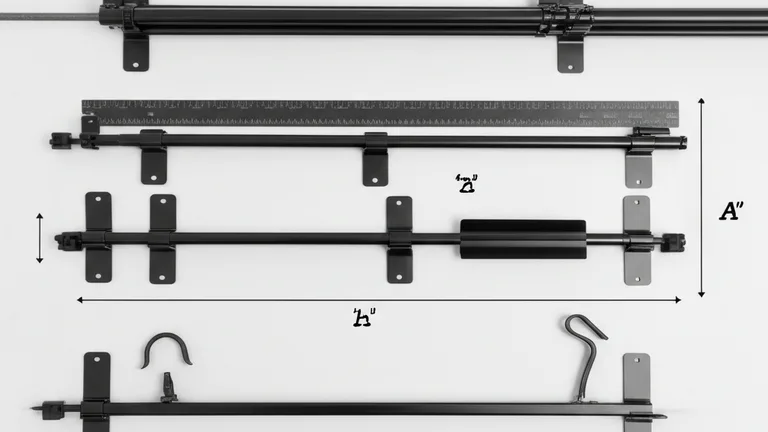
Homes built before 1978 in the USA — which account for millions of properties across the Rust Belt, the Northeast, and the Mid-Atlantic states — commonly feature non-standard basement window openings. These may be as narrow as 16 inches or as irregularly proportioned as 28 inches wide by 14 inches tall. Standard retail security bar products designed for main-floor windows often do not fit these openings without modification. Telescopic window bars, such as SWB’s Model A, address this problem directly with an adjustable range of 22 to 36 inches in width, covering the vast majority of basement window sizes found in US residential properties. For windows narrower than 22 inches, wall-mount fixed bar systems cut to custom dimensions, like SWB’s Model B, provide a reliable permanent solution. Measuring correctly — width at three points (top, middle, bottom) and height at three points (left, center, right) — is essential before ordering any bar product for a basement application where dimensions may be irregular due to settling or older frame construction.
Bar Styles Best Suited for Small or Irregularly Shaped Basement Openings
For small basement windows, the most effective bar styles are vertical bar configurations and cross-bar grid patterns. Vertical bars running from the top sill to the bottom sill maximize structural resistance to horizontal prying forces — the most common forced-entry method used against narrow windows. Cross bars in windows add a secondary barrier grid that reduces individual bar spacing, preventing an intruder from reaching through a single gap to manipulate an interior latch or handle. When evaluating domestic window security grilles for basement applications, prioritize products with bar spacing no greater than 4 inches — a standard referenced in multiple residential security guidelines and consistent with child safety fall-prevention codes used in states like New York and California. SWB’s steel bar systems maintain this critical spacing standard across all models, ensuring that your basement window bars provide genuine physical security rather than purely cosmetic deterrence.
Telescopic Bars vs. Fixed Welded Grilles for Basement Windows
The debate between telescopic adjustable bars and permanently welded fixed grilles is especially relevant in basement applications. Fixed welded grilles, like those offered by competitors such as Grisham (Master Halco), require professional measurement, custom fabrication, and permanent masonry or frame anchoring — a process that typically costs $600 to $1,800 per window when professionally installed in cities like Chicago or Atlanta. Telescopic bars offer a different value proposition: they install in 15 to 20 minutes without drilling in many basement window frame configurations, they adjust to fit irregular openings, and they can be removed and reinstalled when you move — a critical advantage for the 44.1 million renters in the USA (US Census 2023) who cannot make permanent structural modifications to their unit. The SWB Model A Telescopic Window Bars at $90 deliver steel construction strength equivalent to fixed systems at a fraction of the total cost, making them the practical choice for the majority of US basement window security applications.
Moisture Resistance and Corrosion Protection for Below-Grade Window Bars
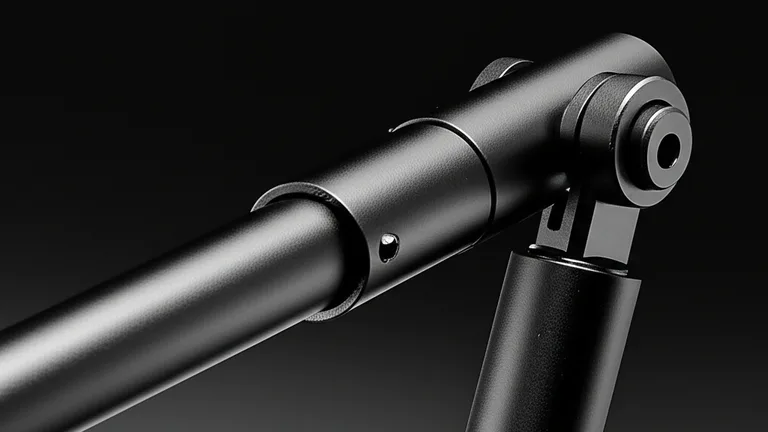
One of the most technically important and most frequently overlooked aspects of window bars for basement windows security is corrosion resistance. Basement windows exist in a uniquely hostile environment for ferrous metals: they are exposed to ground moisture wicking through concrete wells, condensation from temperature differentials between the heated interior and the cold below-grade exterior, occasional water intrusion during heavy rain events, and in northern states like Minnesota, Wisconsin, and Michigan, the freeze-thaw cycles that accelerate metal fatigue and coating delamination. Untreated or poorly coated steel bars installed in these conditions will begin showing rust within 12 to 18 months, and structural integrity can be compromised within three to five years. This is not a cosmetic issue — it is a security issue. A rusted bar system may look intact visually but can be compromised by a motivated intruder using force that the corroded steel can no longer resist. Selecting bar products with industrial-grade protective coatings, and performing periodic maintenance inspections, is essential to long-term basement window security performance.
Powder-Coat Finishes vs. Painted Finishes: What the Difference Means for Basement Bars
Powder coating is the industry standard for exterior and below-grade metal security products in the USA for a very specific reason: it creates a thermally bonded polymer shell over the steel substrate that is four to six times thicker than conventional liquid paint, and it bonds at a molecular level rather than simply adhering to the surface. This means powder-coated bars resist chipping, cracking, and moisture penetration far more effectively than painted alternatives, even in the high-humidity, below-grade environments typical of American basement window wells. SWB’s Model B Wall-Mount Window Bars feature a powder-coated black finish specifically engineered for these conditions. When comparing products, always verify whether a manufacturer specifies powder coating versus spray paint — many lower-cost competitors use the latter, which will fail in basement moisture conditions within the first year. The matte black powder coat finish on SWB bars also provides the visual deterrence of a heavy-duty security system without the institutional appearance of older chrome or galvanized bar styles.
Annual Maintenance Checklist for Basement Window Security Bars
Even the highest-quality powder-coated steel bars require periodic maintenance when installed in below-grade environments. Security professionals recommend a simple annual checklist for any window bars installed in basement or below-grade locations: First, visually inspect every bar and weld point for rust spotting or coating damage — pay particular attention to the ends of telescopic bars where the two steel sections overlap, as moisture can wick into this joint. Second, clean bars with a mild detergent solution to remove mineral deposits from hard water contact, which can trap moisture against the steel surface. Third, apply a thin coat of exterior-grade metal protectant or carnauba-based wax to the bar surface to provide a supplemental moisture barrier. Fourth, check all mounting points — tension mounts, set screws, or wall anchors — for loosening due to thermal expansion cycles. Following this checklist extends the service life of your basement window bars significantly and ensures the security integrity of the installation year-round.
Egress Compliance Requirements for Finished Basement Window Bars
When a basement in a US home is finished and used as a sleeping area — a bedroom, guest room, or habitable living space — the window bars installed in that space are not just a security decision. They are a life safety decision governed by federal building codes, state residential codes, and local fire marshal requirements. The International Building Code (IBC), the International Residential Code (IRC), and NFPA 101 (the Life Safety Code) all require that sleeping area windows in finished basements provide a minimum clear opening of 20 inches in width, 24 inches in height, and a minimum net clear opening area of 5.7 square feet, with a maximum sill height of 44 inches from the floor. These egress requirements exist for one critical reason: in a residential fire, sleeping occupants must be able to escape through the window if interior exit routes are blocked. Window bars that do not include a quick-release mechanism can trap occupants inside a burning building — a scenario that has resulted in preventable deaths in cities from Detroit to New Orleans. This is why egress-compliant window bar systems are not merely a code preference — they are a non-negotiable life safety requirement for any finished basement sleeping area in the USA.
IBC and IRC Egress Standards That Apply to Basement Window Bars
Under Section R310 of the International Residential Code (IRC), every sleeping room below grade must have at least one egress window or exterior door. Window bars installed over egress windows must not reduce the clear opening below the code minimums — and critically, they must be openable from the inside without tools, keys, or special knowledge in an emergency. The IBC and NFPA 101 both specify that any security bars, grilles, or gates covering egress windows in sleeping areas must have a quick-release mechanism operable by a single action from the inside. Failure to comply with these requirements creates significant legal liability for homeowners and landlords, and can invalidate homeowner’s insurance claims related to fire or injury events. In commercial and multi-family residential properties subject to OSHA inspection, non-compliant window bars in below-grade sleeping areas can result in direct citations and fines. Understanding these requirements before purchasing any basement window bar system is essential — not optional.
The SWB Model A/EXIT: Egress-Compliant Security for Finished Basements
Security Window Bars’ Model A/EXIT ($92) was specifically engineered to address the intersection of maximum security and egress code compliance in finished basement sleeping areas. The Model A/EXIT features a patented quick-release mechanism that allows the entire bar assembly to be disengaged from the inside with a single motion — meeting IBC, NFPA 101, IRC, and OSHA egress requirements simultaneously. The system combines the telescopic adjustability of the standard Model A with the egress bar functionality required by law for sleeping areas, making it a single product solution for finished basement bedrooms across all 50 US states. For landlords in states like New York, California, and Illinois — where local fire codes are strictly enforced and tenant safety liability is taken seriously — the Model A/EXIT is the only responsible choice for below-grade sleeping area window security. You can learn more about the full specifications and installation requirements of this egress-compliant system at the dedicated product page: the SWB Model A/EXIT is available directly through securitywb.com and ships via Amazon FBA with fast delivery to all US addresses.
Window Well Covers and Their Interaction with Egress Bar Systems
Many US homes with below-grade basement windows also have exterior window wells — curved or rectangular below-grade enclosures, typically made of corrugated metal, fiberglass, or masonry, that hold back the soil and allow light to reach the basement window. Building codes in most US jurisdictions require that window well covers — when installed over egress windows — must also be openable from the inside without tools. This requirement interacts directly with your window bar selection: your bar system, your window latch, and your window well cover must all be independently operable from inside the basement in an emergency. The Model A/EXIT’s single-action release mechanism integrates cleanly with this requirement, allowing a basement occupant to release the bars, open the window, and push open the well cover in a rapid sequential motion. When planning your basement window security system, always evaluate the full stack of security and egress components together — bars, window hardware, and well cover — rather than treating each element in isolation.
Installation Methods for Basement Window Bars: Below-Grade Considerations
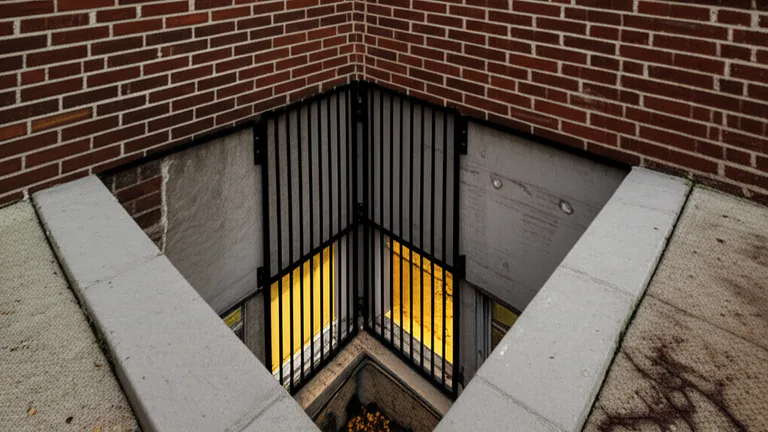
Installing window bars in a basement environment requires different considerations than installing them on main-floor or upper-story windows. The below-grade location introduces specific structural challenges: concrete or masonry surrounds rather than wood framing, limited interior access from cramped window well configurations, potential interference with drainage systems or utility lines running along basement walls, and the physical difficulty of working in tight, low-clearance spaces. Before beginning any basement window bar installation, you should accurately assess the window frame material and structural surround, verify that no utility lines run through the planned anchor points, and determine whether you will be using a tension-mount (no-drill) system or a wall-mount system requiring masonry anchors. For most standard-sized basement windows with intact vinyl, aluminum, or wood frames, telescopic tension-mount bars can be installed without any drilling, making them an ideal first-line solution. For damaged or deteriorated frames, or for windows where maximum security is the absolute priority, wall-mount systems anchored directly into the masonry surround provide the most robust installation.
No-Drill Tension Mount Installation in Basement Window Frames
Tension-mount window bars work by applying controlled outward pressure against the interior faces of the window frame, creating friction-based resistance that holds the bar assembly firmly in place without mechanical fasteners. For basement windows with intact, structurally sound frames — whether vinyl, aluminum, or wood — this method provides a clean, fast, and renter-friendly installation that meets most residential security requirements. The SWB Model A installs using this method in 15 to 20 minutes with no tools beyond a tape measure and possibly a rubber mallet to seat the tension mechanism. Critical installation note for basement applications: always verify that the frame face where the tension ends will bear against is free of moisture damage, rot, or delamination before relying on a friction-mount system. Compromised frame material will not provide adequate resistance, and the bar assembly may shift or release under forced-entry pressure. The complete step-by-step installation guide is available at the SWB installation guide page, which covers basement-specific installation scenarios in detail.
Wall-Mount Masonry Anchor Installation for Maximum Basement Security
For homeowners and property managers who want the highest possible level of basement window security — or who have windows with compromised frames that cannot support tension mounting — wall-mount bar systems anchored directly into the masonry or concrete basement wall provide maximum structural resistance. The SWB Model B Wall-Mount Window Bars are designed specifically for this application: heavy-gauge steel construction with pre-drilled mounting flanges that accept 3/8-inch masonry anchor bolts, creating an installation that is structurally equivalent to professionally welded fixed bars at a fraction of the cost. When drilling into basement masonry for anchor points, always use a hammer drill with a carbide-tipped masonry bit, set anchors at least 2.5 inches into the masonry, and use washers under all fastener heads to distribute load across the mounting flange. For concrete block (CMU) construction, anchor into the solid web sections of the block rather than the hollow cores. This installation method is permanent and provides the highest resistance to forced-entry attempts, making it the preferred choice for unfinished basements used as storage areas where egress compliance is not required.
Comparing Top Basement Window Bar Options Available in the USA
The US market for residential window security bars has expanded significantly over the past decade, with products ranging from budget-priced hardware store items to professionally fabricated custom grilles. For basement window applications specifically, product selection matters enormously because of the unique dimensional, environmental, and egress requirements discussed throughout this guide. Comparing the leading options available to US consumers across the axes of adjustability, corrosion resistance, egress compliance, installation complexity, and total cost reveals clear distinctions that should inform your purchasing decision. When evaluating any basement window bar product, apply a consistent assessment framework: Does it adjust to your specific window dimensions? Is the steel gauge adequate for forced-entry resistance? Is the protective coating rated for high-moisture below-grade environments? If the window is in a sleeping area, does the system include a code-compliant quick-release egress mechanism? And what is the total cost including any professional installation labor versus a DIY system? Using this framework consistently eliminates most of the confusion generated by marketing claims and focuses the decision on the technical factors that actually determine whether a bar system will protect your home effectively.
SWB Model A, Model B, and Model A/EXIT: Which Is Right for Your Basement?
Security Window Bars offers three distinct products that address the full spectrum of basement window security scenarios in US homes. The Model A Telescopic Window Bars ($90) are the optimal choice for basement windows in rental properties, apartments, or any situation where a no-drill, removable installation is required. Adjustable from 22 to 36 inches, they cover the standard range of US residential basement window widths and install without any permanent modifications to the property. The Model B Wall-Mount Window Bars ($91) are the best choice for homeowners seeking maximum security in unfinished basements, garages, or below-grade commercial properties where permanent installation is acceptable and egress compliance is not required. The Model A/EXIT Egress Compliant Window Bars ($92) are the mandatory choice for any finished basement sleeping area in the USA, combining telescopic adjustability with a patented quick-release mechanism that satisfies IBC, IRC, and NFPA 101 requirements. All three models are available through Amazon USA with FBA fast shipping to all 50 states, eliminating the lead times associated with custom-fabricated local alternatives.
How SWB Compares to Grisham, Mr. Goodbar, and Other Competitors for Basement Applications
Competitor products for basement window bars each have specific limitations that make them less suitable for the unique demands of below-grade installation in US homes. Grisham (Master Halco) products, including their spear point vertical steel security guard line, are built to high structural standards but are designed for permanent installation — requiring professional measurement, custom fabrication, and masonry anchoring that puts total installed cost at $600 to $1,800 per window. For most homeowners and virtually all renters, this cost is prohibitive. Mr. Goodbar (Pinpoint Manufacturing) products require permanent drilling into window frames, making them incompatible with rental applications and potentially damaging to older wood-frame basement windows. Unique Home Designs and Prime-Line Products offer hardware-level components but not complete bar systems. SWB’s approach — providing complete, adjustable, steel-construction bar systems at $90 to $92 that install in under 20 minutes — addresses the practical reality of how American homeowners and renters actually need to secure basement windows: affordably, quickly, and without contractor dependency.
Legal Requirements and Local Codes Governing Basement Window Security Bars in the USA
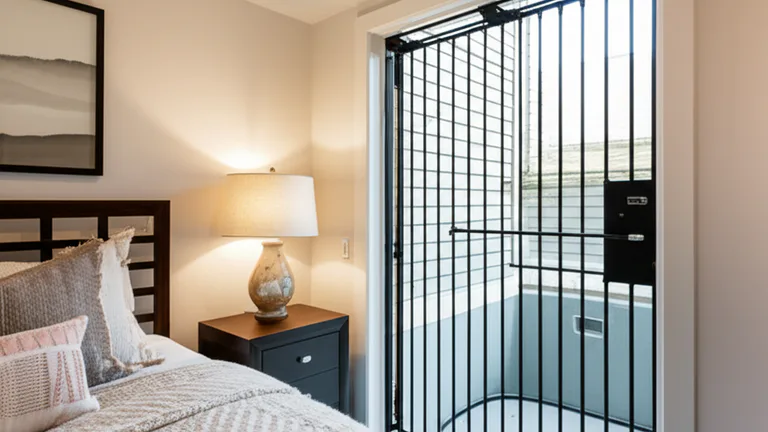
Beyond the federal-level IBC and IRC requirements discussed in the egress compliance section, basement window bars in the USA are subject to a patchwork of state and local building codes, housing codes, and fire safety regulations that vary significantly by jurisdiction. Understanding the legal landscape in your specific state and municipality is an important part of selecting and installing compliant window bars for basement windows security. New York City’s Local Law 57, for example, requires window guards in buildings with children under 10 years of age — and these guards must meet specific load-resistance and spacing requirements set by the NYC Department of Health. California’s Title 24 building codes include specific provisions for window security devices in residential occupancies. Illinois, Texas, and Florida all have state-level residential building codes that incorporate IRC egress requirements by reference, making quick-release mechanisms mandatory in finished basement sleeping areas statewide. Landlords and property managers operating in multiple states should consult with a licensed building code professional to ensure compliance across all jurisdictions — the liability exposure from non-compliant window bars in a fire or forced-entry event can be substantial.
NYC, California, and Texas: Key State and City-Level Basement Bar Regulations
New York City represents the most stringent local regulatory environment for residential window security products in the USA. Under Local Law 57 and subsequent amendments, landlords in buildings with children under 10 must install approved window guards — including on basement and garden-level windows — with specific requirements for bar spacing (no more than 4.5 inches between bars), structural load capacity (withstanding 150 lbs of force), and installation certification. Non-compliance exposes landlords to fines up to $1,000 per window. In California, Title 24 of the California Code of Regulations incorporates the IRC by reference, meaning all egress window requirements including quick-release mechanisms apply statewide to finished basement sleeping areas. In Texas, the Texas Residential Construction Code similarly adopts IRC egress provisions, with local amendments in cities like Houston and Austin that may impose additional requirements in high-crime designated zones. Verifying compliance at the local level before installation is always the responsible approach for landlords and property managers operating in these markets.
Homeowner Liability and Insurance Implications of Non-Compliant Basement Window Bars
From a homeowner liability perspective, the installation of non-egress-compliant window bars in a finished basement sleeping area creates a documented negligence exposure that can have serious consequences in both civil and insurance contexts. If a tenant, family member, or guest is injured or killed attempting to escape through a sleeping area window during a fire, and the window bars lacked a code-required quick-release mechanism, the property owner faces potential wrongful death or personal injury liability. Homeowner’s and landlord’s insurance policies increasingly include exclusion clauses for losses arising from known building code violations — meaning that a claim arising from an injury event associated with non-compliant window bars could be denied. Insurance adjusters in high-burglary metro areas like Detroit, Memphis, and Baltimore also increasingly request documentation of window security systems as part of underwriting for high-crime area properties. Selecting fully compliant bar systems from the outset eliminates these risks entirely and may actually reduce insurance premiums in some jurisdictions.
Choosing the Right Bar Design for Aesthetics and Security in Your Basement
One of the persistent objections to installing window bars for basement windows security — even among homeowners who understand the security benefits — is an aesthetic concern. Traditional bar designs in older US urban housing stock were often heavy, institutional-looking welded steel grilles that communicated a fortress mentality and detracted from home appearance. Modern residential security bar design has evolved significantly, with powder-coated matte black finishes, clean geometric line patterns, and slimmer bar profiles that complement contemporary home interiors rather than conflicting with them. For finished basements used as family rooms, guest bedrooms, or home offices, the visual presentation of window bars is a legitimate consideration alongside security performance. The good news is that the same design evolution that has affected interior window treatments — including the refined aesthetic of georgian bar glazing patterns used in architectural glass and the clean grid geometry of modern domestic window security grilles — has also influenced residential security bar design. Today’s best basement window bar systems are visually neutral, dimensionally precise, and aesthetically compatible with both traditional and modern American home interiors.
Matte Black Finish: The Modern Standard for Residential Security Bars
Matte black has become the dominant finish choice for residential security hardware in the USA for very practical reasons: it is visually neutral against both light and dark wall colors, it does not show fingerprints or surface oxidation as visibly as chrome or galvanized finishes, and it aligns with the broad adoption of black hardware and fixtures across contemporary American home design trends. SWB’s matte black powder-coat finish on all three bar models — Model A, Model B, and Model A/EXIT — was specifically selected to blend with the interior design aesthetic of finished basement spaces without calling undue attention to the security function of the bars. This matters from both an aesthetic standpoint and a security-psychology standpoint: bars that look like a deliberate, considered architectural element rather than a hasty security addition communicate a professional level of property management that deters opportunistic burglars while making guests comfortable in the space.
Grid Patterns, Bar Spacing, and Visual Weight in Basement Window Applications
For small basement windows, bar spacing and grid pattern choice significantly affect both the security effectiveness and the visual weight of the installation. Closely spaced vertical bars with no horizontal cross members provide a clean, modern look but may allow a small hand to reach through at wider spacings. Grid patterns with both vertical and horizontal members — similar in visual concept to the cross bars in windows used in traditional architectural glazing and georgian bar glazing aesthetics — provide a more complete physical barrier and a visually balanced composition that suits finished basement interiors. The key balance point for basement window bars is achieving bar spacing of 4 inches or less for genuine security performance while maintaining a visual weight that does not make the window feel oppressive or cell-like. SWB’s bar geometry achieves this balance through precise engineering of bar diameter, spacing, and finish that creates a security barrier that reads as architectural hardware rather than institutional confinement — an important distinction for livable basement spaces.
🏆 Conclusion
Securing basement windows is one of the highest-impact, lowest-cost home security investments available to American homeowners, renters, and landlords today. The combination of high burglary risk, below-grade concealment, moisture-hostile environments, and egress compliance requirements makes basement window security a multi-dimensional challenge — but one that is fully solvable with the right products and the right knowledge. Security Window Bars offers the only product line in the US market that addresses all four dimensions simultaneously: the Model A Telescopic Bar for renter-friendly adjustable security, the Model B Wall-Mount Bar for permanent maximum-security installations, and the patented Model A/EXIT for finished basement sleeping areas where IBC and NFPA 101 egress compliance is legally required. All three models ship fast across all 50 states via Amazon FBA, install in under 20 minutes, and cost a fraction of professionally welded alternatives. Whether you are securing a basement apartment in Chicago, a finished guest bedroom in Atlanta, or a below-grade storage area in Detroit, SWB has the engineered solution designed specifically for the unique demands of below-grade window security in American homes. Do not leave your home’s most vulnerable entry point unprotected for another day.
Security Window Bars · USA
Secure Your Home Today
Protect your basement windows today with professionally engineered security bars. Shop Security Window Bars on Amazon USA — fast FBA shipping to all 50 states. Or explore the full product lineup at securitywb.com and find the right model for your basement in minutes.
Shop on Amazon →Frequently Asked Questions
For rental apartments, the best basement window bars are telescopic tension-mount systems that require no permanent drilling — specifically designed so they can be installed and removed without damaging the property. SWB’s Model A Telescopic Window Bars ($90) are the top choice for this application: they adjust from 22 to 36 inches to fit most standard US basement window widths, install in 15 to 20 minutes without tools, and can be taken with you when you move. This makes them ideal for the 44.1 million renters in the USA (US Census 2023) who cannot make permanent structural modifications to their units. Always verify with your lease agreement whether any window modifications require landlord approval before installation.
It depends entirely on how the basement space is used. Under the International Residential Code (IRC) Section R310 and NFPA 101 Life Safety Code, any window bars installed over egress windows in sleeping areas — including finished basement bedrooms — must include a quick-release mechanism operable from the inside with a single action and without tools or keys. This is a life safety requirement, not a recommendation. If your basement window is in a sleeping area, you must use an egress-compliant bar system like the SWB Model A/EXIT, which features a patented quick-release mechanism meeting IBC, IRC, and NFPA 101 standards. For unfinished basements used only for storage or utilities, egress compliance is not required.
Preventing corrosion on basement window bars requires selecting a product with an industrial-grade powder-coat finish rather than spray paint, since powder coating creates a thermally bonded polymer barrier four to six times thicker than conventional paint. Beyond product selection, perform an annual maintenance inspection: check for rust spots or coating chips at the bar ends and weld points, clean bars with mild detergent to remove mineral deposits that trap moisture, and apply a thin coat of exterior metal protectant or carnauba wax as a supplemental moisture barrier. Also check all mounting hardware for loosening from thermal expansion. SWB’s powder-coated matte black finish is specifically engineered for high-moisture below-grade environments common to US residential basements.
Yes — for basement windows with structurally intact frames (vinyl, aluminum, or wood), telescopic tension-mount window bars can be installed without drilling by applying controlled outward pressure against the interior frame faces. SWB’s Model A Telescopic Window Bars use this method for tool-free installation in 15 to 20 minutes. The critical prerequisite is that the window frame must be free of moisture damage, rot, or structural deterioration — compromised frame material will not support tension mounting reliably. If your basement window frame is damaged or deteriorated, or if you need maximum security, a wall-mount system like the SWB Model B anchored into the masonry or concrete basement wall surround is the more secure alternative.
US basement window sizes vary widely by home age and construction style. Measure your window opening at three points — top, middle, and bottom — and use the narrowest measurement as your minimum width. Most residential basement windows in the USA fall between 16 and 36 inches in width. SWB’s Model A covers the 22 to 36-inch range, which includes the majority of standard basement window sizes. For windows narrower than 22 inches or with very non-standard proportions, the Model B Wall-Mount system can be configured for custom-dimension installations. Always measure height as well — basement windows are often shorter in height than main-floor windows, and this affects bar quantity and spacing for full-opening coverage.
Yes. New York City’s Local Law 57 and related housing maintenance code provisions require that window guards in buildings with children under 10 years of age — including in basement and garden-level apartments — meet specific structural and dimensional standards: bar spacing must not exceed 4.5 inches, the assembly must withstand 150 lbs of applied force, and installation must be documented. Non-compliant window guards expose landlords to fines up to $1,000 per window. Additionally, all finished basement sleeping area windows in NYC must comply with NYC Building Code egress requirements consistent with the IRC, requiring quick-release mechanisms on any bars installed over those windows. Consult with a NYC-licensed building code professional for full compliance guidance specific to your property.
Professional window bar installation by a licensed contractor or locksmith in the USA typically costs $600 to $1,800 per window, depending on the market (costs in cities like New York, Chicago, and Los Angeles trend toward the higher end). This includes materials, custom fabrication, and labor. By contrast, SWB’s complete steel bar systems cost $90 to $92 per window and install in 15 to 20 minutes as a DIY project requiring no professional help. For a home with four basement windows, the savings compared to professional installation can range from $2,000 to $6,800 — while delivering the same steel-construction security performance. The telescopic design also eliminates the custom fabrication time associated with professionally measured and welded fixed grilles.
Window bars provide both genuine physical protection and powerful psychological deterrence — and research supports both mechanisms. A 2022 study by the University of North Carolina’s Department of Criminal Justice & Criminology found that most convicted burglars specifically avoided homes with visible physical security barriers, with window bars among the top deterrents cited. Physically, properly installed steel window bars require cutting tools or significant time and noise to defeat — two factors that eliminate the majority of opportunistic residential burglaries, which according to FBI data involve intruders who abandon a target if entry takes more than 60 to 90 seconds. For basement windows — which represent one of the top three residential burglary entry points in the USA — security bars are one of the single highest-return-on-investment security upgrades available to American homeowners.