
Window Bars for Basement Windows: Security, Egress, and Home Safety Guide
Protect your home with window bars for basement windows. Learn which styles prevent break-ins, meet egress codes, and install without permanent damage.
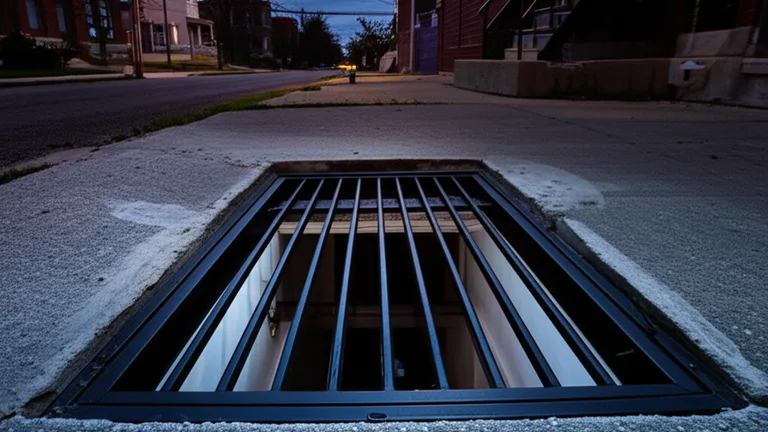
From our experience protecting thousands of homes across the USA, SWB analyzes the best strategies so you can sleep soundly — especially when it comes to the most overlooked vulnerability in residential security: the basement window. Window bars for basement windows are one of the most critical security investments a homeowner or renter can make. According to the FBI Uniform Crime Report, approximately 6.7 million residential burglaries occur in the United States every year, and security researchers estimate that nearly 60% of ground-floor and below-grade window intrusions go undetected until it is too late. Basement windows present a uniquely dangerous combination: they are difficult to see from the street, easy to force open from outside, and — if improperly secured — can trap occupants during a fire or emergency. Whether you live in a ground-floor apartment in Chicago, a split-level home in Atlanta, or a townhouse in Philadelphia, understanding how to properly secure basement windows without violating building codes is essential for every American homeowner.
When a burglar assesses a target property, concealment is the primary factor that determines whether they attempt entry. Basement windows sit below grade, meani…
Why Basement Windows Are the #1 Burglar Entry Point in US Homes
Basement windows consistently rank among the top entry points exploited by residential burglars across the United States. Unlike main-floor or second-story windows, basement windows are almost always obscured by landscaping, exterior walls, stairwell wells, or simple ground-level positioning — giving intruders critical seconds of concealment that they need to force entry without being seen by neighbors, passing cars, or security cameras. According to a landmark study published by the University of North Carolina Department of Criminal Justice and Criminology, burglars actively seek out low-visibility, low-effort access points, and basement windows score high on both criteria. The typical basement window is smaller, older, and more structurally compromised than main-floor units, often featuring original single-pane glass, aging aluminum or wood frames, and worn-out latches that can be defeated with a flathead screwdriver in under 30 seconds. In densely populated urban areas like Detroit, Memphis, and Houston — cities that consistently appear at the top of FBI property crime rankings — basement intrusions have been documented by local police departments as a growing pattern, particularly in neighborhoods with older housing stock dating from the 1940s through the 1970s. For homeowners and renters alike, the solution begins with a single structural upgrade: properly installed window bars for basement windows that combine steel-grade stopping power with code-compliant design.
The Concealment Advantage Burglars Exploit in Basement Entries
When a burglar assesses a target property, concealment is the primary factor that determines whether they attempt entry. Basement windows sit below grade, meaning they are naturally shielded from street-level sight lines by the exterior foundation, window well structures, overgrown shrubs, or parked vehicles. This concealment dramatically reduces the deterrent effect of standard security measures like porch lights or visible alarm system stickers. A 2016 research report by the University of North Carolina found that 60% of convicted burglars said they would abandon a target if it appeared too difficult or risky — and visible, robust window bars are cited as one of the top deterrents. Installing steel security bars on basement windows signals to any potential intruder that the home is hardened, and the psychological deterrent alone significantly reduces risk before any physical confrontation between burglar and barrier ever occurs.
Common Basement Window Vulnerabilities in American Housing Stock
Millions of American homes — particularly those built before 1980 in cities like Cleveland, Baltimore, Chicago, and Pittsburgh — feature single-pane awning-style or hopper-style basement windows with thin aluminum frames that offer virtually no resistance to forced entry. The standard window latch mechanism on these units was never designed to withstand lateral force; a determined intruder can defeat most original hardware with minimal tools and under a minute of effort. Glass breakage is also a primary concern: standard window glass can be shattered silently using modern techniques, allowing a burglar to reach inside and unlatch from within. Steel window bars installed inside or outside the frame eliminate this entire category of vulnerability by placing a physical barrier between the intruder and any interior access point, regardless of what happens to the glass itself.
Building Codes and Egress Requirements for Basement Window Bars in the USA
One of the most critical — and most misunderstood — aspects of installing window bars for basement windows is compliance with US building codes. Many homeowners make the dangerous mistake of installing fixed, non-removable bars without realizing that doing so may violate federal model codes and create a life-threatening entrapment hazard during fires or other emergencies. The International Residential Code (IRC), the International Building Code (IBC), and NFPA 101 (the Life Safety Code) collectively establish minimum egress requirements for basement sleeping areas, and those requirements directly govern what types of security bars are permissible. According to Section R310 of the IRC — which has been adopted in some form by nearly all 50 US states — every basement used as a sleeping room must contain at least one emergency escape and rescue opening with a minimum net clear opening of 5.7 square feet, a minimum opening height of 24 inches, a minimum opening width of 20 inches, and a sill height no more than 44 inches above the finished floor. Any window bar or security grille installed over a qualifying egress window must include a quick-release mechanism operable from inside without a key, tool, or special knowledge. Failure to comply does not only risk code violations and insurance claim denials — it can cost lives.
IRC Section R310: What It Means for Your Basement Security Bars
IRC Section R310 is the foundational federal model code provision governing emergency egress in residential construction. For basement sleeping rooms, it mandates that any window used as an escape route must be operable from the inside without tools and must maintain a minimum net clear opening that meets the 5.7 square foot / 24-inch height / 20-inch width standard. When security bars are installed over these windows, those bars must not impede egress. This means fixed bars welded or bolted permanently to the frame without a release mechanism are non-compliant in any sleeping area. The IRC further specifies that release hardware must be operable by a single motion and must not require the use of a key. Building departments in cities like Los Angeles, New York, and Chicago enforce these standards during certificate of occupancy inspections, and retrofit violations discovered during home sales can trigger mandatory correction orders and significant remediation costs.
NFPA 101 Life Safety Code: Fire Escape Compliance for Window Bars
NFPA 101, the Life Safety Code published by the National Fire Protection Association, is the gold standard for occupant protection in both residential and commercial buildings across the United States. It is adopted by reference in the majority of state and municipal fire codes. NFPA 101 Section 24.2.2 addresses escape windows in one- and two-family dwellings and residential occupancies, requiring that any barrier — including security bars, grilles, or gates — installed over an egress window must incorporate an approved quick-release mechanism. The NFPA specifically notes that the quick-release device must be simple enough to operate under the stress of a fire emergency, which is why spring-loaded or single-lever release systems are the accepted standard. SWB’s Model A/EXIT was specifically engineered to meet both IBC and NFPA 101 requirements, providing the only patented quick-release telescopic bar system that satisfies egress compliance without requiring a permanent installation.
State-Specific Rules: NYC Local Law 57 and Beyond
While the IRC and NFPA 101 provide the national baseline, individual states and cities often impose additional requirements. New York City’s Local Law 57 mandates the installation of window guards in buildings where children under 10 years of age reside, requiring landlords to provide guards upon request and in any unit housing qualifying children. Chicago’s Municipal Code Chapter 13-196 also imposes egress compliance requirements for basement conversions used as dwelling units. California’s Title 24 building standards mandate quick-release hardware on all security bars in sleeping rooms. Property managers, landlords, and real estate investors operating in multiple US markets must be aware that local amendments to the model codes can be more stringent — not less — than the baseline federal standards.
Best Types of Window Bars for Basement Windows: Choosing the Right System
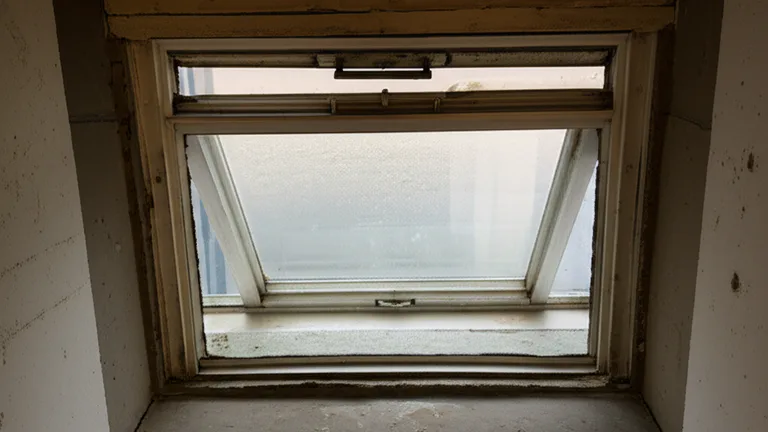
Not all window bars perform equally in a basement environment. Basement windows differ from standard above-grade windows in several meaningful ways: they are frequently shorter and wider, they are exposed to higher moisture levels due to proximity to soil and foundation drainage, they are more likely to be partially or fully obstructed by window wells, and they must often carry the dual burden of serving as both a security barrier and a code-required egress opening. Understanding the functional differences between bar styles — telescopic, wall-mount fixed, and egress-compliant quick-release — is the foundation of making the right choice for your specific basement window application. The SWB product line addresses each of these scenarios with purpose-built systems, and the full range of options including inside window bars, metal bars for windows, and window security bars that open on quick-release mechanisms is covered in depth across our comprehensive guide to window bars inside and related security solutions.
Telescopic Adjustable Bars: The Renter-Friendly Basement Solution
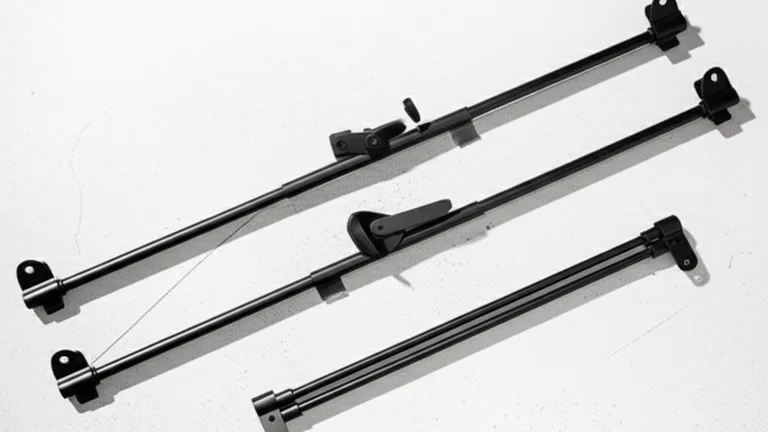
For renters in basement apartments across cities like New York, San Francisco, and Chicago — where below-grade living units are common — the telescopic window bar is the single most practical security solution available. SWB’s Model A Telescopic Window Bar adjusts to fit windows between 22 and 36 inches wide, covers the vast majority of standard US basement window sizes, and installs in 15 to 20 minutes without drilling, permanent anchors, or landlord permission. The steel construction provides equivalent stopping force to welded bars at a fraction of the permanent installation cost, which can range from $600 to $1,800 per window according to national contractor pricing data. When the lease ends, the bars remove cleanly, leaving no marks on the frame — a critical advantage for renters who face security deposit deductions for property modifications. Available at $90 per unit, the Model A represents one of the most cost-effective basement security upgrades available anywhere in the USA.
Wall-Mount Fixed Bars: Maximum Security for Permanent Basement Installations
Homeowners who own their property and are installing bars in non-egress basement windows — such as utility rooms, laundry areas, mechanical rooms, or storage spaces — can benefit from the superior rigidity of a permanently anchored wall-mount system. SWB’s Model B Wall-Mount Window Bar uses heavy-gauge steel with a powder-coated black finish and bolts directly to the masonry or stud framing surrounding the basement window opening. This creates an immovable barrier that is essentially equivalent to a permanently welded custom grille but at a fraction of the fabricated cost. Because these units are installed in non-sleeping-area windows where egress compliance is not a code requirement, the fixed installation is both legal and maximally effective. For commercial property owners and landlords securing basement storage or utility access points in urban areas like Houston, Detroit, and Philadelphia, wall-mount bars provide the highest level of physical deterrence.
Egress-Compliant Quick-Release Bars: The Only Code-Legal Choice for Basement Bedrooms
For any basement window in a sleeping area — whether a finished basement bedroom, a basement in-law suite, or a legally converted basement dwelling unit — only an egress-compliant bar with a certified quick-release mechanism satisfies IRC, IBC, and NFPA 101 requirements simultaneously. SWB’s Model A/EXIT is a patented system that combines the adjustability of a telescopic bar with a quick-release egress mechanism operable from inside without any key or tool. It is currently the only product in its price class — at $92 — to hold a documented patent on this combined telescopic-plus-egress-release design. In an emergency, the occupant activates a single lever that disengages the bar in less than three seconds, opening the full window egress area. For families with children, elderly occupants, or anyone using a basement as a sleeping space, the Model A/EXIT is not optional — it is the minimum responsible standard of care.
How to Install Window Bars on Basement Windows: Step-by-Step for US Homeowners
Installing window bars for basement windows is a manageable DIY project for the vast majority of American homeowners and renters, provided the correct product is selected for the specific window type and code classification. The installation process varies depending on whether you are using a telescopic no-drill system or a permanent wall-mount system, but in both cases the total time investment is between 15 and 45 minutes per window. Before beginning any installation, the first step is always to classify the window: is it in a sleeping area subject to egress requirements, or is it in a non-habitable area where fixed bars are permissible? Once that classification is established, the appropriate product can be selected and the installation can proceed with confidence. SWB’s detailed installation guide walks through every product variant with photographic step-by-step instructions for both interior and exterior mounting configurations.
Pre-Installation Checklist: Measuring and Classifying Your Basement Window
Accurate measurement is the foundation of a successful window bar installation. For basement windows, measure the inside width of the window frame at the narrowest point — not the glass pane itself, but the structural opening between the frame sides. Standard US basement windows commonly measure between 24 and 36 inches wide, which falls within the telescopic adjustment range of SWB’s Model A and Model A/EXIT. Also measure the height of the opening and record the sill height from the finished floor. If the sill height is 44 inches or less from the floor and the window is in or adjacent to a sleeping area, IRC Section R310 applies and you must use an egress-compliant bar. Document the room’s use, take photographs, and if you are unsure of local code requirements, consult your local building department before proceeding. This 10-minute pre-installation checklist protects you legally and ensures the correct product is ordered.
Installing SWB Telescopic Bars Inside a Basement Window Frame
For the SWB Model A and Model A/EXIT telescopic systems, interior installation is the standard configuration for basement windows. Begin by cleaning the inside of the window frame channels where the bar end caps will seat. Adjust the telescopic bar to the measured frame width, compressing it slightly to fit inside the frame opening. Position the bar at the desired height — typically at the lower third of the glass for anti-intrusion coverage — and release the telescopic mechanism to allow the tension caps to seat firmly against both sides of the frame. The spring-loaded tension of the steel telescopic system provides sufficient lateral holding force to resist forced entry. For the Model A/EXIT, additionally verify that the quick-release lever is oriented toward the interior and is unobstructed by curtains, furniture, or window sill objects. Test the release mechanism three times before considering installation complete. Full illustrated instructions are available at the SWB installation guide.
Basement Window Security for Renters: How SWB Solves the No-Drilling Problem
Renters represent one of the most underserved markets in American residential security. According to the US Census Bureau’s 2023 American Community Survey, there are approximately 44.1 million renter households in the United States — a population that faces significantly elevated burglary risk due to the concentration of renter-occupied units in urban, high-density neighborhoods, combined with the near-universal prohibition on permanent property modifications in standard lease agreements. For basement apartment renters in particular, the security challenge is severe. Most lease agreements in cities like New York, Chicago, Los Angeles, and Boston explicitly prohibit drilling into walls, masonry, or window frames without written landlord consent — which is rarely granted. This leaves renters with what appears to be a binary choice: accept the vulnerability or violate the lease. SWB’s telescopic no-drill window bar system eliminates that false dilemma entirely, providing steel-strength security with zero permanent installation impact and full portability between units.
Why 44 Million American Renters Need No-Drill Security Bars Right Now
The math for renter security is stark. A renter living in a ground-floor or basement apartment in a high-crime US city faces a statistically elevated burglary risk compared to homeowners in suburban settings, yet has the fewest legal options for fortification. Professional window bar installation — the solution available to homeowners — typically costs between $600 and $1,800 per window according to HomeAdvisor national pricing data, involves permanent drilling and welding, and leaves physical marks on the property that trigger deductions from security deposits. The SWB Model A at $90 delivered via Amazon FBA to all 50 states represents a 90%+ cost reduction versus professional installation, installs in under 20 minutes, and removes without any trace when the tenant moves out. For renters in basement apartments in neighborhoods like Humboldt Park in Chicago, East New York in Brooklyn, or Kensington in Philadelphia, this is not a luxury upgrade — it is a fundamental layer of personal protection that has previously been out of reach.
Talking to Your Landlord About Basement Window Bars
While SWB’s no-drill telescopic systems do not require landlord permission, opening a dialogue with your property manager about basement window security is both legally prudent and practically valuable. In many states, landlords have an affirmative legal duty to provide habitable and reasonably secure premises under implied warranty of habitability doctrine. In New York, California, and Illinois — three of the highest-renter-population states — courts have consistently interpreted this warranty to include functional window security in basement units. Presenting your landlord with a written request for window security improvements, referencing the applicable state habitability standard, frequently results in landlord-funded improvements. If the landlord declines, you retain the right in most jurisdictions to install non-permanent improvements like telescopic bars at your own expense. Document everything in writing and retain copies.
Fire Safety and Egress: Preventing Basement Window Entrapment
The deadliest risk associated with improperly installed window bars for basement windows is not burglary — it is fire entrapment. The National Fire Protection Association reports that residential fires cause approximately 2,500 civilian deaths in the United States every year, and a disproportionate number of these fatalities involve basement or ground-floor sleeping areas where egress was blocked or impeded. Fixed, welded, or permanently bolted window bars without quick-release mechanisms have been directly cited in fire investigation reports as contributing factors in basement fire fatalities across cities including Cleveland, Detroit, and Philadelphia. The horror scenario is straightforward: a sleeping occupant in a basement bedroom is awakened by smoke, attempts to exit through the window, and finds the bars cannot be removed quickly enough to escape before smoke incapacitation. This scenario is entirely preventable with code-compliant quick-release hardware — and it is the primary reason SWB developed the Model A/EXIT as the cornerstone of its basement window product offering.
The NFPA Data on Basement Fire Fatalities and Window Bar Entrapment
According to NFPA fire investigation data, roughly 21% of residential fire deaths occur in basement or sub-grade rooms, a rate disproportionate to the percentage of sleeping time spent in those spaces. Fire safety investigators have identified fixed window bars as a recurring contributing factor in cases where occupants had access to an egress window but could not operate the bar quickly enough under smoke or heat stress. The combination of disorientation, reduced oxygen levels, and the fine motor skill degradation that occurs in the early stages of smoke inhalation means that any egress mechanism requiring more than a single, obvious, gross-motor action will fail in real emergency conditions. SWB’s Model A/EXIT quick-release mechanism was tested against this human-factors standard: it requires one lever motion, no fine grip strength, and operates in under three seconds from any position within arm’s reach of the window.
Creating a Family Egress Plan for Basement Sleeping Areas
Hardware alone does not save lives — practiced emergency plans do. The US Fire Administration recommends that every household create and rehearse a home fire escape plan at least twice per year, with special emphasis on basement sleeping areas where egress routes are limited. Your plan should identify the primary egress window in each basement bedroom, confirm that the window bar quick-release is operable by every household member including children, establish a designated outdoor meeting point at least 100 feet from the structure, and include a backup route in case the primary egress window is blocked by fire or smoke. Practice the quick-release operation with all household members in the daylight before an emergency occurs. Keep the egress window clear of furniture, curtains, and stored items at all times. Post the escape plan diagram visibly on the basement level, and replace batteries in basement smoke detectors every six months on a fixed schedule.
Moisture, Rust, and Durability: Choosing Steel Bars Built for Below-Grade Conditions
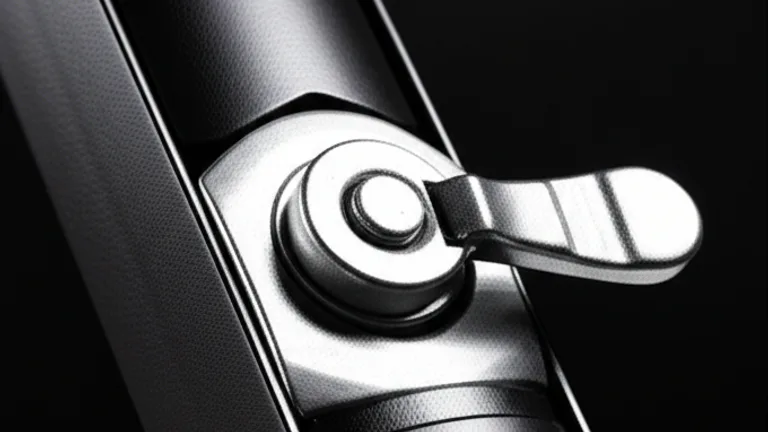
Basement windows exist in a uniquely hostile environment for metal products. Below-grade window openings are consistently exposed to higher ambient humidity than above-grade windows due to ground moisture, foundation seepage, condensation cycles driven by temperature differential between the interior slab and exterior soil, and the drainage dynamics of window wells that may trap standing water after rainfall. These conditions accelerate rust formation and surface oxidation on bare or poorly finished steel, and inferior window bar products — particularly imported bars with thin decorative coatings over low-grade steel — can develop structural rust within one to two years of installation in basement environments. SWB’s product line uses powder-coated steel construction throughout, a finishing process that applies electrostatically charged polymer particles to the steel surface and then cures them at high temperature to create a uniform, adhesive coating that resists moisture, UV exposure, salt, and impact far more effectively than standard paint or spray lacquer. For basement applications specifically, the powder-coat finish is not a cosmetic feature — it is a functional durability requirement.
Why Powder-Coat Finish Matters More in Basement Window Applications
The performance gap between powder-coated steel and paint-finished steel becomes most apparent in high-humidity, below-grade environments. Standard paint — even rust-inhibiting paint — is a film coating that relies on adhesion to the steel surface. When that surface experiences micro-flex from temperature cycling, vibration from foot traffic above, or impact from attempted intrusion, the paint film cracks and moisture penetrates to the bare steel below, initiating galvanic corrosion. Powder coating, by contrast, forms a cross-linked polymer matrix that bonds at a molecular level to the steel substrate. Independent testing by the American Architectural Manufacturers Association (AAMA) demonstrates powder-coat finishes maintaining integrity in salt-spray environments for 1,000+ hours, translating to 10-15 years of effective corrosion protection in typical residential basement conditions. All SWB products ship with a factory-applied matte black powder coat that requires no additional treatment or maintenance for normal residential basement use.
Annual Maintenance Routine for Basement Window Security Bars
Even the most durable powder-coated steel bars benefit from a brief annual inspection and maintenance routine, particularly in basement environments. Once per year — ideally at the change of seasons when temperature swings are most pronounced — inspect the bar surface for any chips, scratches, or bubbled areas in the coating that may indicate moisture infiltration beginning beneath the surface. Address any compromised areas promptly with a rust-inhibiting touch-up paint compatible with the powder-coat base. For telescopic bars, extend and retract the adjustment mechanism twice annually and apply a light film of silicone spray lubricant to the internal channel to maintain smooth operation. For Model A/EXIT egress bars, test the quick-release mechanism and verify it operates cleanly and resets fully. Clean the exterior surfaces with a damp cloth and mild detergent — avoid wire brushing or abrasive pads that can scratch the coating. This 15-minute annual routine preserves both the security function and the structural integrity of the bars for a decade or longer.
Cost Comparison: DIY Basement Window Bars vs. Professional Security Installation
One of the most compelling arguments for SWB’s DIY window bar systems is the dramatic cost differential compared to professionally installed alternatives. The average cost of hiring a licensed contractor or security company to fabricate and install custom welded window bars in the United States ranges from $600 to $1,800 per window, according to HomeAdvisor and Angi pricing data collected across multiple US metropolitan markets. This cost range reflects the labor involved in taking custom measurements, fabricating bars to size in a metal shop, transporting materials, performing anchored installation with masonry drilling, and applying a finish coat on-site. For a typical basement with two or three windows, professional installation can easily cost $1,800 to $5,400 — a budget that is out of reach for the majority of renters and many budget-conscious homeowners. SWB’s complete basement security solution — three windows covered with the appropriate model for each opening — can be purchased, shipped via Amazon FBA to anywhere in the continental United States, and installed in a single afternoon for under $280.
Total Cost of Ownership: SWB vs. Welded Custom Bars Over 10 Years
When evaluating the true cost of basement window security over a 10-year ownership horizon, SWB’s telescopic systems offer compelling financial advantages beyond the initial purchase price. Custom welded bars require professional removal if the window ever needs replacement or the installation needs to be modified, adding $150 to $400 in additional labor costs per window. They cannot be transferred to a new property if the homeowner moves. They may void window manufacturer warranties by obscuring drainage channels or applying stress to frame components. And they provide no egress compliance without a costly aftermarket modification. SWB bars cost $90 to $92 per unit, require zero professional service for installation or removal, are fully transferable to any compatible window in any future property, and the Model A/EXIT provides built-in egress compliance with no add-on cost. Over a 10-year period, the total cost of ownership advantage of SWB over custom installation frequently exceeds $2,000 per window.
Amazon FBA Availability: Fast Delivery to All 50 States Including Alaska and Hawaii
SWB products are fulfilled through Amazon’s FBA (Fulfillment by Amazon) network, which provides access to Amazon Prime two-day delivery infrastructure across all 50 US states, including Alaska and Hawaii — markets that are often underserved by specialty security contractors who either do not operate there or charge premium freight rates. For homeowners in rural areas of Montana, Wyoming, or the Dakotas — regions with long distances between urban service centers and limited local contractor availability — the Amazon FBA delivery model is not merely convenient; it is often the only practical way to access quality window security hardware at fair national pricing. Orders placed through the SecurityWindowBars Amazon storefront ship from domestic fulfillment centers, arrive quickly, and are backed by Amazon’s standard purchase protection and return policies.
🏆 Conclusion
Basement window security is not a secondary consideration — it is a foundational element of whole-home protection for American families, renters, and property owners. The convergence of high intrusion risk, complex egress code requirements, and the hostile below-grade environment for metal products makes basement windows one of the most technically demanding security challenges in residential construction. The right window bars for basement windows must simultaneously resist forced entry, comply with IRC Section R310 and NFPA 101 quick-release requirements for sleeping areas, withstand basement humidity without rusting, and — for the 44 million American renters — install without permanent modification to the property. Security Window Bars’ three-product system — the Model A Telescopic, the Model B Wall-Mount, and the patented Model A/EXIT Egress-Compliant Bar — was specifically engineered to address each of these requirements within a DIY-friendly, Amazon-delivered package that costs a fraction of professional installation. Whether you are securing a basement bedroom in Atlanta, protecting a below-grade apartment in New York City, or hardening a utility room in Houston, SWB provides the steel-strength, code-compliant, renter-friendly solution that every American basement deserves. Do not leave your lowest window unprotected.
Security Window Bars · USA
Secure Your Home Today
Protect your basement and your family today. Shop Security Window Bars on Amazon USA — fast Prime shipping to all 50 states: https://www.amazon.com/stores/SecurityWindowBars. Or browse the full product line at securitywb.com.
Shop on Amazon →Frequently Asked Questions
It depends on how the basement space is used. According to IRC Section R310, any basement room used as a sleeping area must have at least one egress window, and any security bars installed over that window must include a quick-release mechanism operable from inside without a key or tool. Basements used strictly as storage, utility, or mechanical space — not sleeping areas — are not subject to this egress requirement, and fixed non-release bars are code-compliant in those spaces. If you are unsure how your local jurisdiction classifies your basement, consult your local building department before installing any fixed window bar system.
In most US states, renters can install non-permanent security improvements — including no-drill telescopic window bars — without landlord permission, provided no drilling, adhesive, or permanent modification is made to the property. SWB’s Model A telescopic bars install via spring-loaded tension with no drilling required, making them fully renter-compatible in the vast majority of lease situations. However, lease agreements vary, and it is always advisable to review your specific lease terms and, where practical, notify your landlord in writing before installation. In many states including New York, California, and Illinois, landlords also have affirmative legal obligations to provide window security in habitable basement units.
Standard US residential basement windows typically range from 24 to 36 inches in width and 12 to 18 inches in height — dimensions that fall comfortably within the adjustment range of SWB’s Model A and Model A/EXIT telescopic bars, which adjust from 22 to 36 inches wide. Before ordering, measure the inside width of the window frame at its narrowest point — not the glass pane. If your basement window is unusually wide or narrower than 22 inches, contact SWB through the contact page at securitywb.com/contact/ to discuss alternative sizing options or the Model B wall-mount system.
Standard painted steel bars can develop surface rust within one to two years in basement environments due to elevated humidity, condensation cycles, and potential water exposure from window wells or foundation seepage. SWB bars use heavy-gauge steel with a factory-applied powder-coat finish — a process that creates a polymer-bonded barrier far more resistant to moisture and corrosion than standard paint. Under normal residential basement conditions, the SWB powder-coat finish provides 10 to 15 years of effective corrosion resistance with minimal maintenance. An annual inspection and light silicone lubrication of telescopic mechanisms is the only routine maintenance recommended.
SWB’s Model A/EXIT egress-compliant bars feature a patented quick-release lever mechanism that can be activated from inside the room with a single gross-motor motion — no keys, no tools, no fine grip required. In an emergency, the occupant pushes or pulls the release lever, which disengages the telescopic tension lock and allows the bar to be removed or swung clear of the window opening in under three seconds. This release action is specifically designed to function under the physical and cognitive stress of a smoke or fire emergency, including reduced motor coordination caused by early smoke inhalation. The mechanism fully resets after each activation, maintaining normal security function after testing or false alarms.
Window bars and alarm systems address fundamentally different security layers and are most effective when used together. An alarm system detects intrusion after the barrier has been breached and the burglar is already inside. Window bars prevent breach from occurring in the first place — they are a physical deterrent that cannot be hacked, powered down, or defeated by cutting a telephone line. According to the University of North Carolina criminology research cited by security professionals nationwide, visible physical barriers like steel bars are among the top deterrents that cause potential burglars to abandon a target property before any alarm is ever triggered. For basement windows specifically — where concealment gives burglars critical extra time — the physical barrier of steel bars is arguably more important than the alarm, because the concealment that helps the burglar also reduces the response-time value of audible alerts.
Yes, exterior installation is an option for non-egress basement windows such as those in utility rooms, laundry spaces, or storage areas. SWB’s Model B wall-mount bars are designed for exterior as well as interior mounting, anchoring directly to the masonry or framing surrounding the exterior window opening. However, for any basement window in a sleeping area, interior installation is strongly recommended because it keeps the quick-release mechanism — required by IRC R310 and NFPA 101 — accessible from inside the room. Exterior-only fixed bars with no interior release mechanism are non-compliant in sleeping areas and create an entrapment hazard. Always confirm the room classification and applicable code before choosing exterior mounting in a basement application.
Professional fabrication and installation of custom welded window bars in the United States typically costs between $600 and $1,800 per window, according to national contractor pricing data from HomeAdvisor and Angi. A typical basement with three windows would cost $1,800 to $5,400 for professional installation. SWB’s telescopic bars — the Model A at $90 or the Model A/EXIT at $92 — cover each window for under $100, ship via Amazon Prime to all 50 states, and install in 15 to 20 minutes without any professional labor cost. For three basement windows, the total SWB investment is under $280 — a savings of $1,500 to $5,000 compared to the professional alternative, with equivalent steel-strength security and superior egress compliance.