


BLOG

security window bars
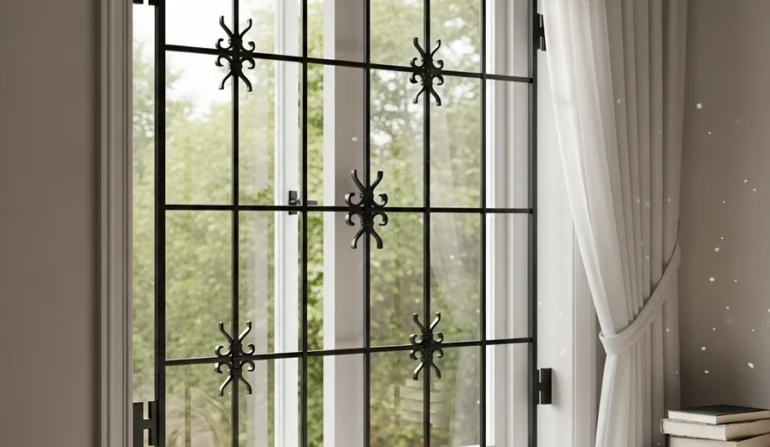
Window Bar Materials & Finishes

Window Bar Finishes Made Simple: Proven Tips for Lasting Durability

A window bar system is only as good as its materials, finish, and maintenance. Whether you’re installing indoors or outdoors, in a dry climate or a coastal city, understanding how steel, coatings, and hardware work together will help your bars last—and look good doing it. This guide covers common materials and finishes, explains how interior vs exterior placements change your care routine, and gives you a practical maintenance schedule with touch-up steps. You’ll also learn how SWB’s modular & telescopic design fits real-world openings without custom fabrication, and how to choose between frame and wall-mount hardware for long-term durability.

Window bar materials—what matters and why

Steel construction (the baseline for durability)

Most quality window bars use steel for strength and predictable performance. What matters more than a single “gauge number” is good welds/joins, proper bracket design, and a finish that seals the steel from moisture.

Hardware & fasteners

  • Interior installs: quality wood screws/structural screws into the frame or wall studs.

  • Exterior/masonry installs: anchors designed for brick/block with correct embed depth.

  • Tamper points: choose hardware and bracket covers that resist easy removal.

SWB kits include frame or wall-mount hardware options so you can anchor into structure, not just finish material. See Install Guides.

Finishes that fight corrosion

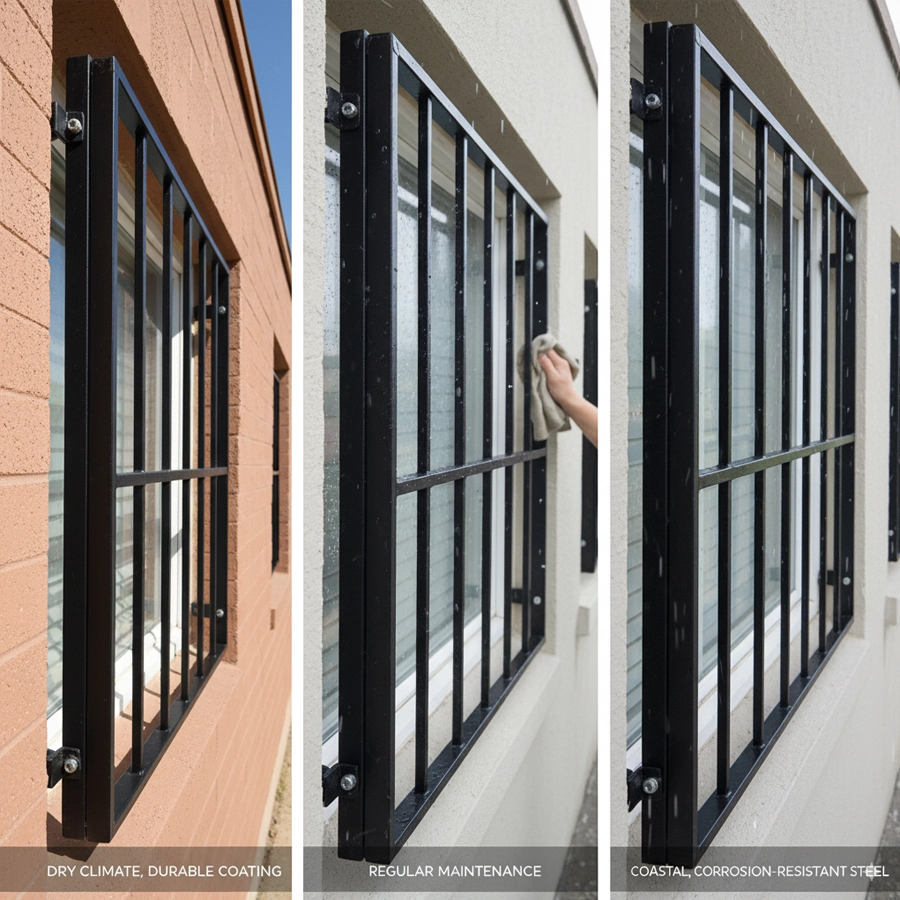
Powder coating (most common, looks great)

A durable color layer that resists scratches better than typical paint and protects the steel beneath. Best practice: keep clean, repair chips promptly.

Zinc-rich or galvanic underlayers (where applicable)

A zinc layer can help resist rust if the coating gets nicked. You still must touch up exposed steel to prevent creep rust.

Paint touch-ups

Even with powder coat, keep a color-matched touch-up on hand. Small chips left unsealed are where corrosion starts.

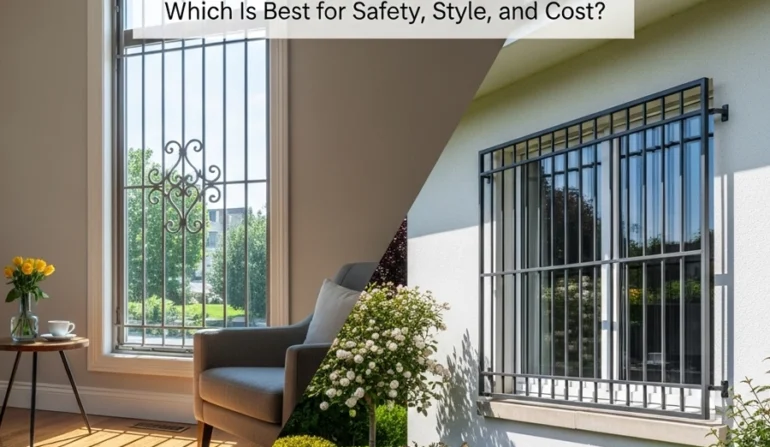
Interior vs exterior durability

Interior installs

  • Protected from weather—less corrosion risk.

  • Watch condensation (bathrooms/basements). Wipe down occasionally and keep airflow if you open windows frequently.

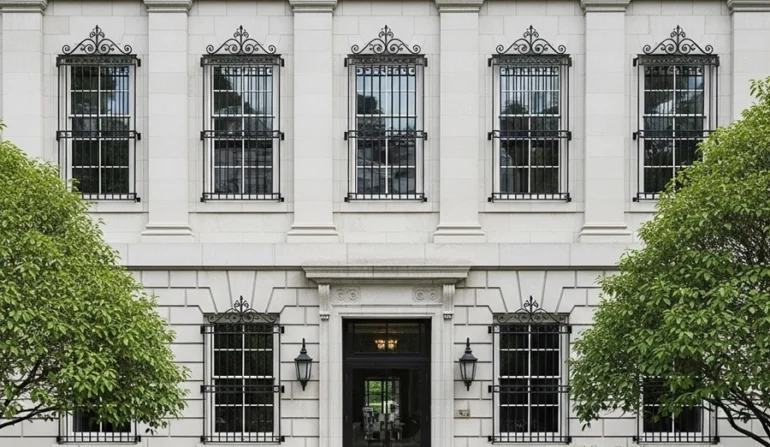
Exterior installs

  • Exposed to UV, moisture, dust, and salt (coastal).

  • Maintain a small standoff from the wall to avoid trapping water; keep weep paths clear.

  • Inspect brackets and anchor heads after storms or power washing.

Deep dive: Interior vs Exterior Window Bars

Environment checklist (choose your care level)

Environment Risk What to do
Inland, dry
Low
Quarterly wipe-down and fastener check
Inland, wet/freeze–thaw
Medium
Add spring/fall inspections; touch up chips before winter
Coastal (salt air)
High
Rinse with fresh water monthly; inspect for chips; touch up immediately
Industrial/urban grime
Medium–High
Gentle soap wash quarterly; check tamper points and anchors

Maintenance schedule

  • Quick rinse/wipe to remove salt or grime.

  • Visual scan for chips, scratches, or rust bloom.

Quarterly (all exterior; interior if humid)

  • Clean with mild soap and water; dry thoroughly.

  • Check fasteners for movement; re-torque if needed.

  • Inspect tamper covers/brackets.

  • If you have a quick-release model, operate the release (see testing below).

After severe weather

  • Inspect brackets, anchor heads, and standoff.

  • Remove debris lodged between bars and trim.

Annually

  • Full clean and wax/seal coat (optional) on powder coat for added sheen.

  • Update your notes with any touch-ups or hardware changes.

Touch-up & rust repair (step-by-step)

  1. Clean the area with mild soap; dry completely.

  2. Lightly sand just the chip/scratch to remove loose material and smooth edges.

  3. Rust converter or primer (if you see any rust color). Let cure per label.

  4. Touch-up paint (color-matched) in thin coats; allow proper dry time.

  5. Final check for coverage; avoid leaving pinholes where moisture can enter.

Store a small touch-up bottle with your paperwork.

Hardware & galvanic caution (mixed metals)

If your anchors or screws are different metals than your brackets, moisture can create galvanic corrosion at contact points. Use the hardware supplied or equivalent corrosion-resistant hardware from reputable brands. Don’t mix stainless, zinc, and plain steel randomly without checking compatibility.

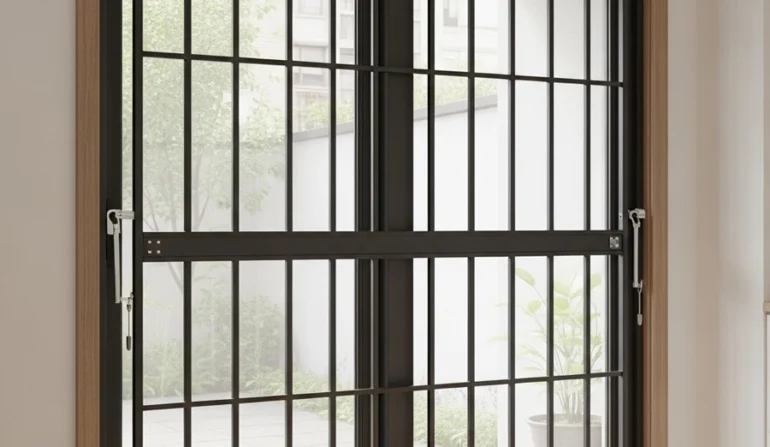
Frame-mount vs wall-mount—longevity notes

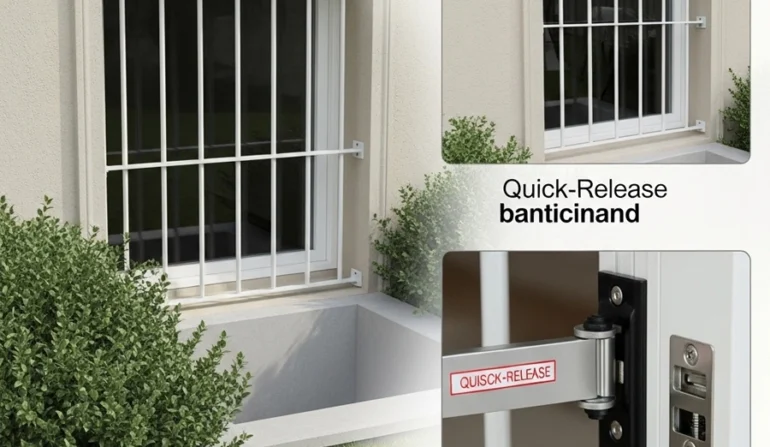
  • Frame-mount (Model A or B): Ideal when jambs are plumb and solid. Keeps hardware protected indoors; minimal standoff.

  • Wall-mount (Model B recommended): Better for masonry or out-of-square frames. Helps long spans (like sliding windows) stay straight and share load across the wall.

More details: Wall-Mount Window Bars

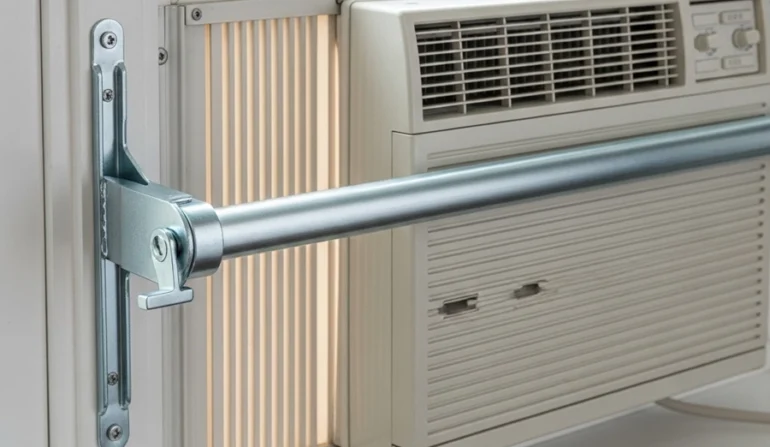
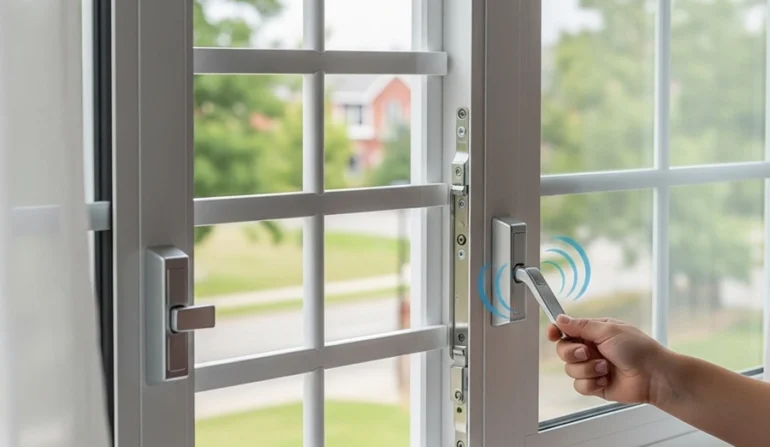
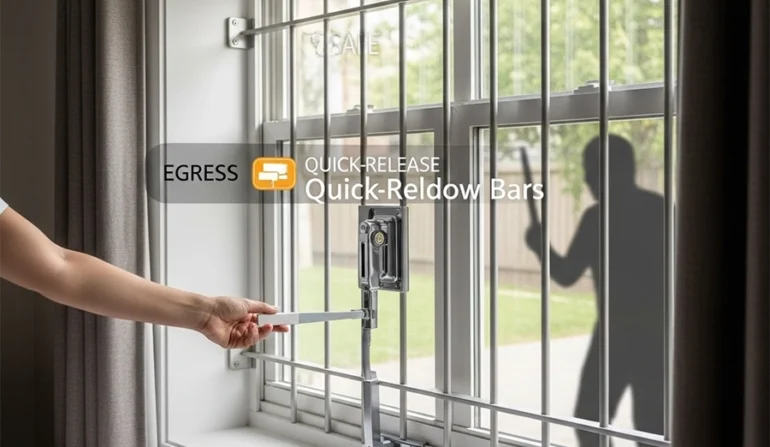
Quick-release (Emergency-Exit) testing & care

For windows that serve as emergency exits, choose Emergency-Exit and test the release:

  1. From inside, operate the release; the assembly should swing/clear freely.

  2. Open the window sash fully to confirm a usable exit path.

  3. Re-latch securely and verify it locks.

  4. Train everyone in the household.

  5. Log the test date; repeat monthly (or quarterly for interior-only in mild climates).

How-to: DIY Installation Guide Install Guides

Cleaning do’s & don’ts

Do

  • Use mild soap and water; soft cloth or sponge.

  • Rinse thoroughly; dry to prevent water spots on dark finishes.

  • Use non-abrasive wax/sealant yearly if desired.

Don’t

  • Don’t use harsh solvents or abrasive pads that can scratch powder coat.

  • Don’t pressure-wash at point-blank range on brackets and fasteners.

  • Don’t ignore small chips—seal them quickly.

SWB models—built for long-term service

  • Model A — The default choice for most openings; telescopic height + modular width; frame or wall-mount.

  • Model B — Emphasizes wall-mount versatility for brick/block and out-of-square frames.

  • Emergency-Exit — Adds an interior quick-release for egress-critical rooms (verify local rules).

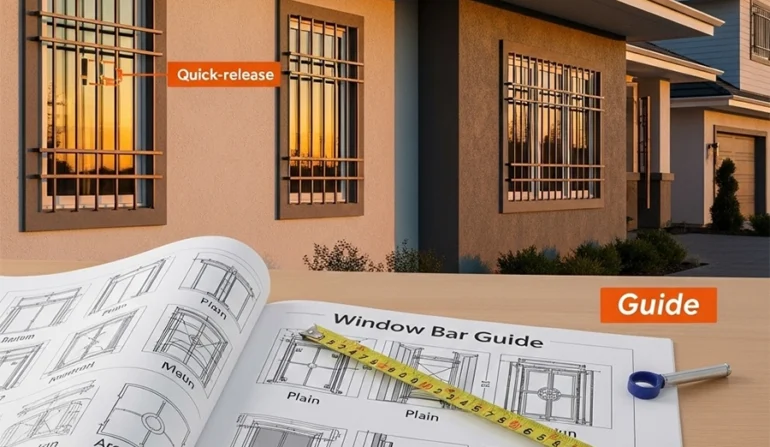
Not sure how many modules you need or which mount to pick? Buy Direct & Save and send your measurements for a same-day recommendation.

FAQs

Will exterior bars always rust eventually?

Any coated steel can corrode if chips go unsealed. Regular cleaning and prompt touch-ups dramatically extend life—especially in coastal climates.

Can I spray a protective clear coat over powder coat?

You can, but use a product designed for powder-coated metals and test a small area first. Annual non-abrasive wax is often enough.

How often should I re-torque fasteners?

Check after the first week, then quarterly (exterior) or biannually (interior).

Do I need stainless hardware?

Use the hardware included with your kit or a recommended equivalent. Stainless can be great but mind galvanic mixing with other metals.

Durability starts with solid steel, the right anchors, and a quality finish, then lives or dies by simple habits: periodic cleaning, fastener checks, and quick touch-ups. With SWB’s modular & telescopic design, you can standardize across different windows and keep maintenance consistent—whether you mount inside or outside, on frame or masonry.

EMAIL ADDRESS: sales@securitywb.com
SITE: www.securitywb.com
PHONE:
CDMX: +52 (55) 5272 3355  USA: +1 (650) 4371 575

COOKIES POLICY

Security Window Bars LLC ("SWB") uses cookies and similar technologies to improve your browsing experience and enhance the functionality of our website www.securitywb.com (the “Website”). This Cookies Policy explains what cookies are, how we use them, and how you can manage your cookie preferences.

By using our Website, you agree to our use of cookies as described in this policy.

Last Updated: 01/01/25