
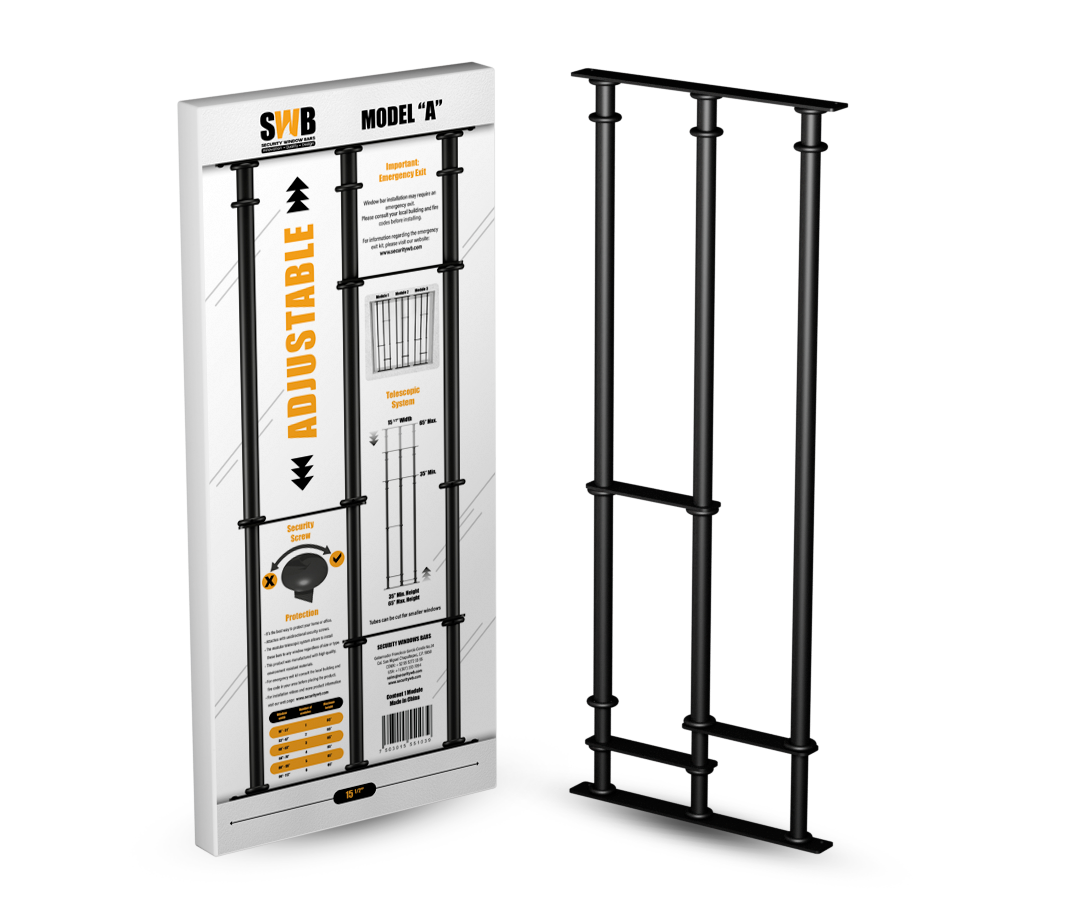
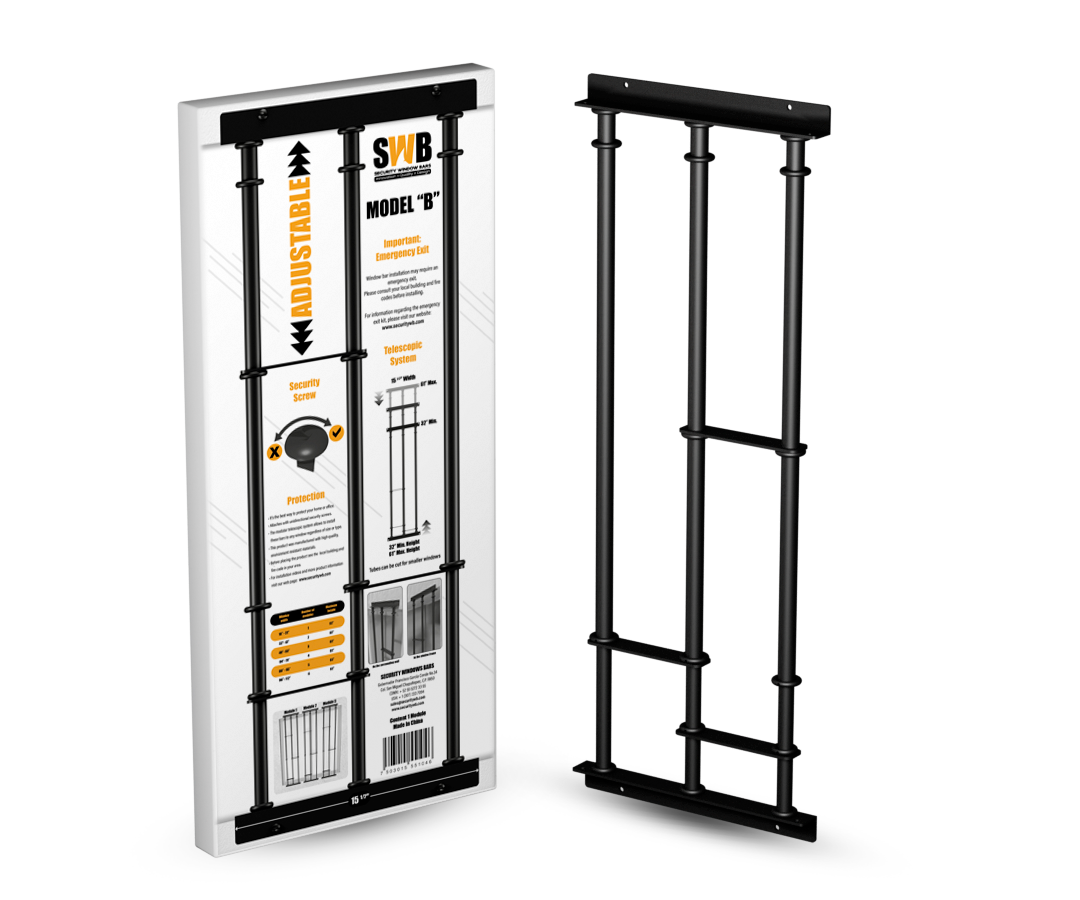
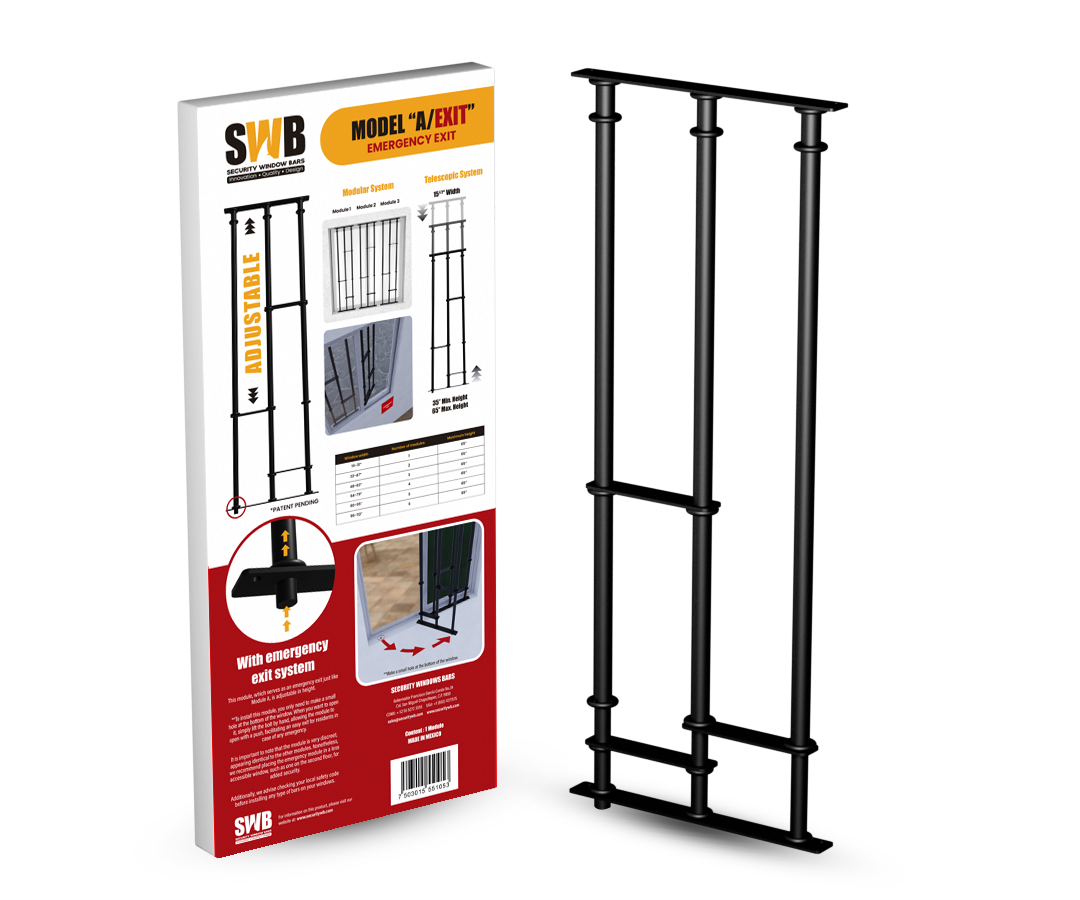
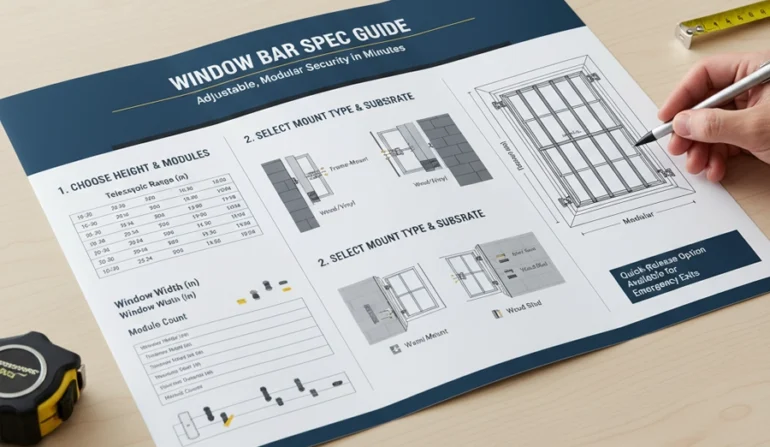

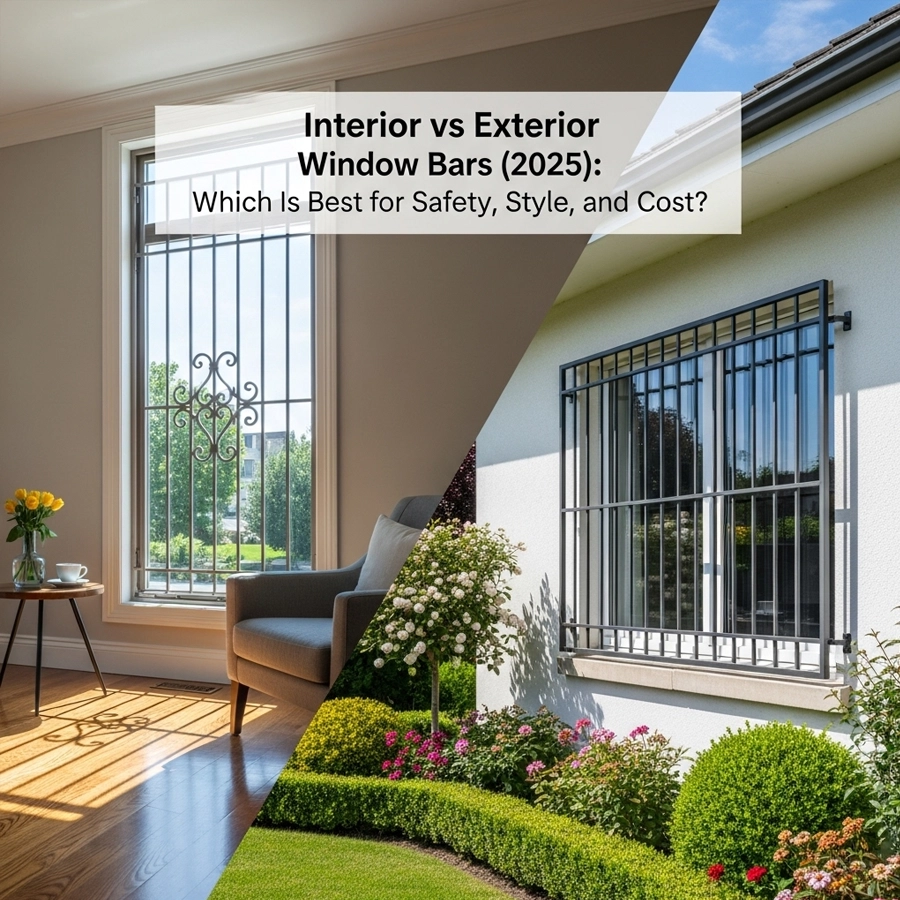
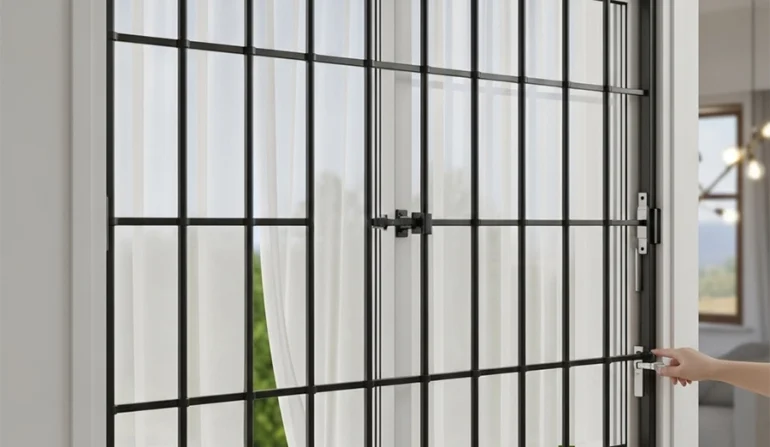
Choosing between interior window security bars and exterior window security bars can feel tricky. Both protect against forced entry. Both deter opportunistic attempts. Yet they behave differently when it comes to egress, installation, moisture, and curb appeal. This guide breaks down the trade-offs clearly—so you pick window bars that fit your windows, meet safety needs, and match your home’s style and budget.
Interior window bars (inside mount)
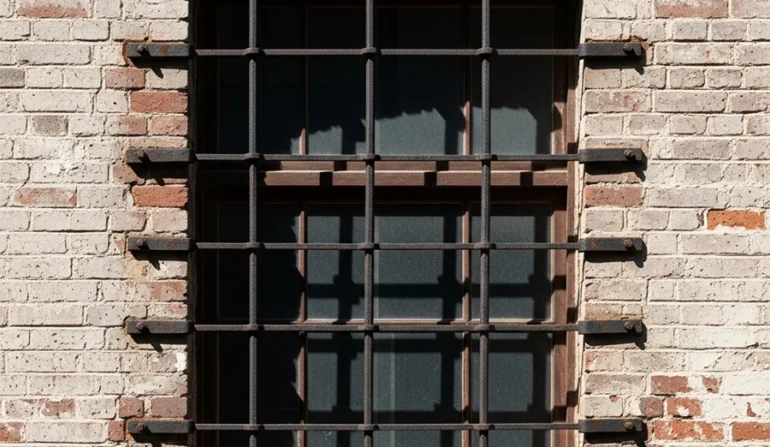
Exterior window bars (outside mount)
If people sleep in the room, interior quick-release window bars usually win. For non-egress utility spaces on masonry, exterior window bars can be the right call.
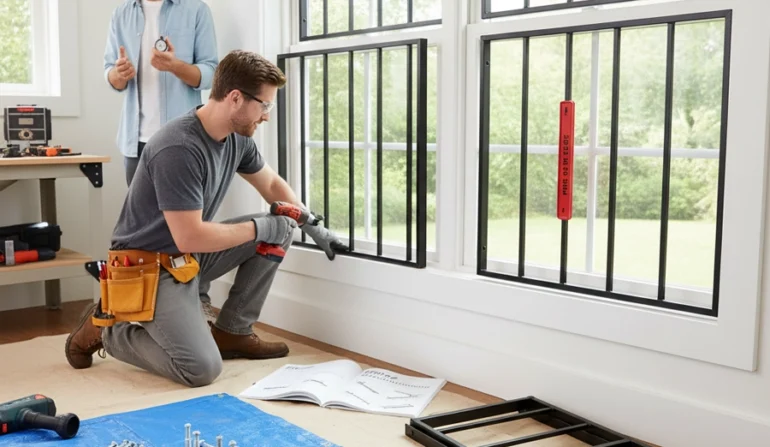
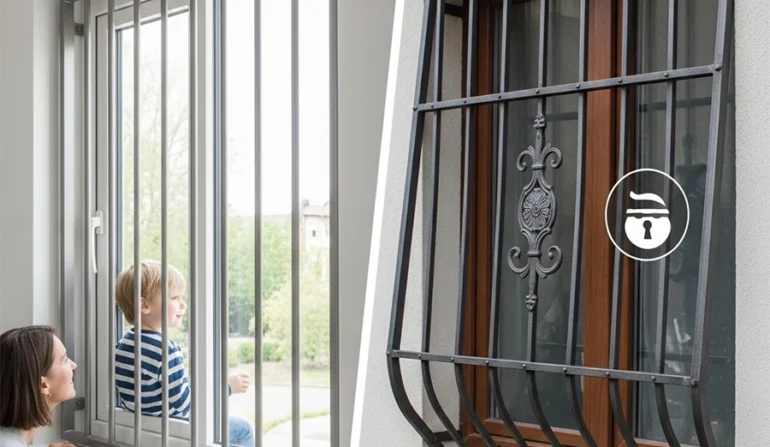
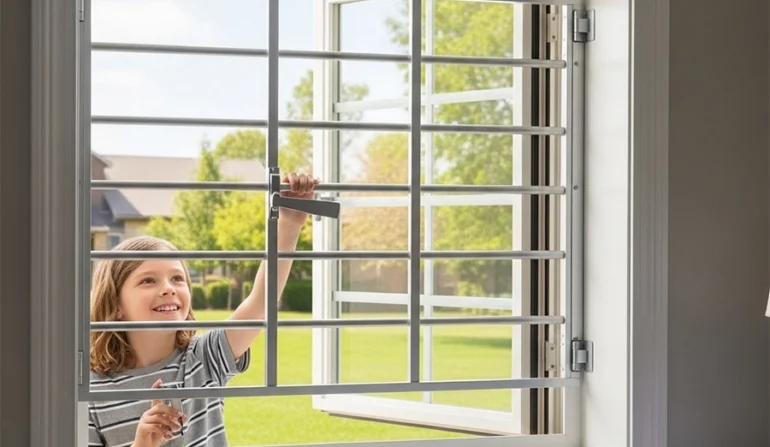
Security is important; escape is non-negotiable. In bedrooms, nurseries, and finished basements, window bars that open from inside with a quick-release are the standard. That’s easier to accomplish with interior window security bars because the handle is right where you need it.
Egress checklist (use this regardless of mount):
Exterior frames can still be egress-ready, but the release must remain strictly interior-only via a protected linkage. That’s doable—just more complex to set up, align, and maintain.
Interior window bars
Exterior window bars
In practice, substrate quality and anchor selection determine real-world strength more than interior vs exterior. Use the right fastener for wood or masonry, and keep spans tight with well-proportioned pickets.
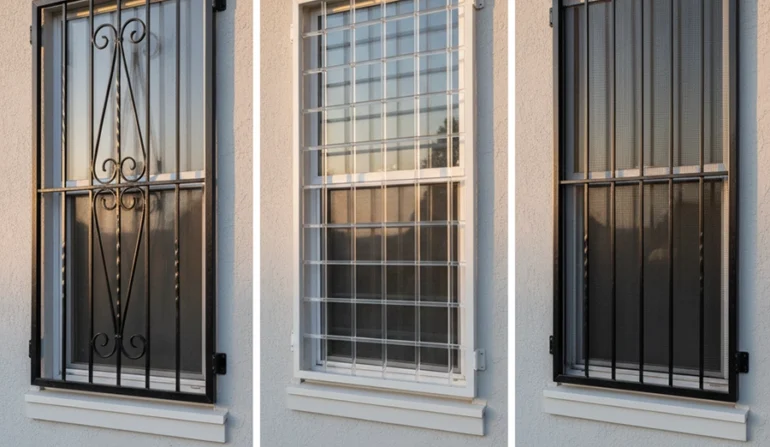
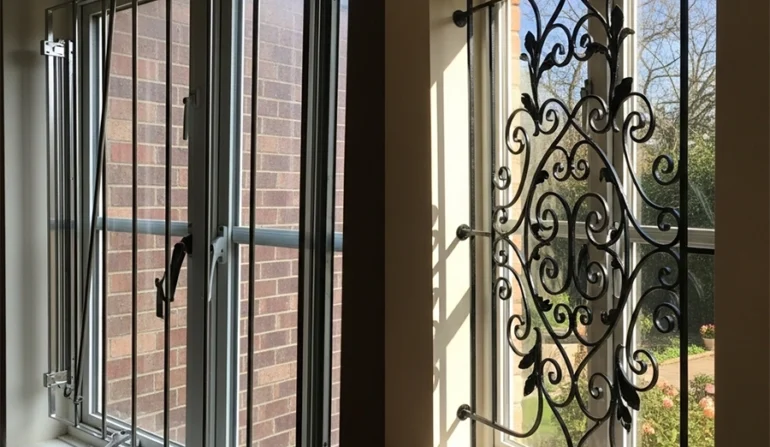
Interior bars keep the exterior clean. From the street, you see glass and trim rather than hardware. That’s perfect if you prefer minimalism or if your HOA wants a uniform look. Inside, you can choose decorative window security bars that align with muntins, match hardware, and complement shades.
Exterior bars can be beautiful too—especially on masonry—when patterns are consistent across windows and projection depth is uniform. A measured reveal and capped fasteners make the set read “built-in,” not “bolted on.”
Color & finish tips
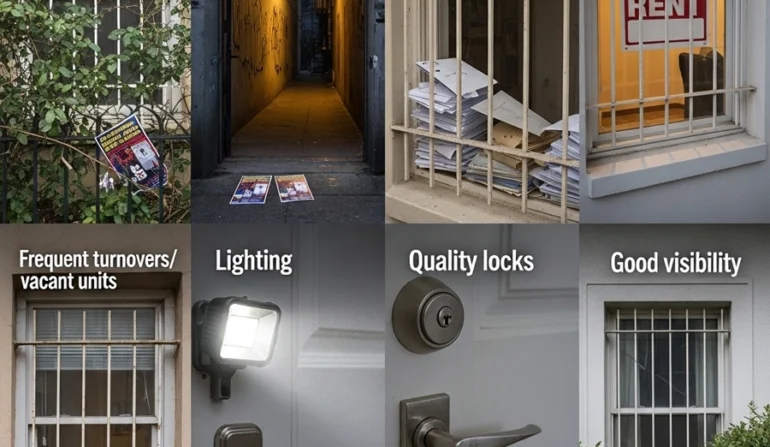
While each project is different, patterns emerge:
Layered protection—like interior quick-release window bars plus better locks and lighting—often beats a single heavy solution for ROI.
Steel (powder-coated)
Aluminum (powder-coated or anodized)
Hardware
Interior Window Security Bars (Wood or Interior Masonry)
Exterior Window Security Bars (Brick/Block/Concrete)
Double-Hung / Single-Hung
Slider (Horizontal)
Casement
Awning / Hopper (Basement)
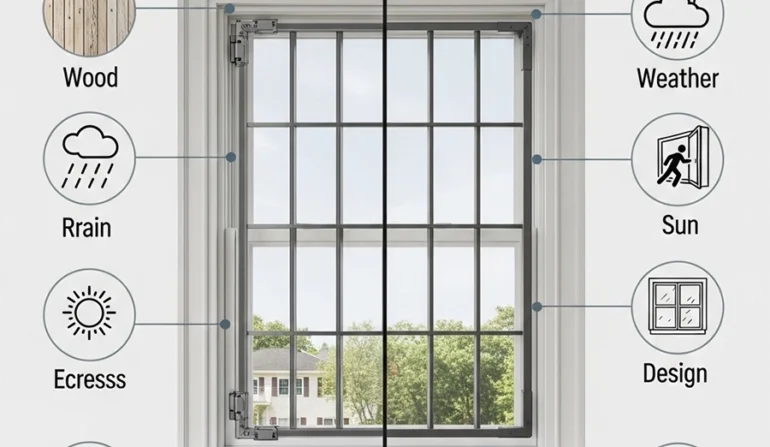
Interior bars avoid rain, UV, and salt—so finishes last longer and releases stay smooth with minimal care. Wipe dust seasonally and hit the hinge pins with dry PTFE.
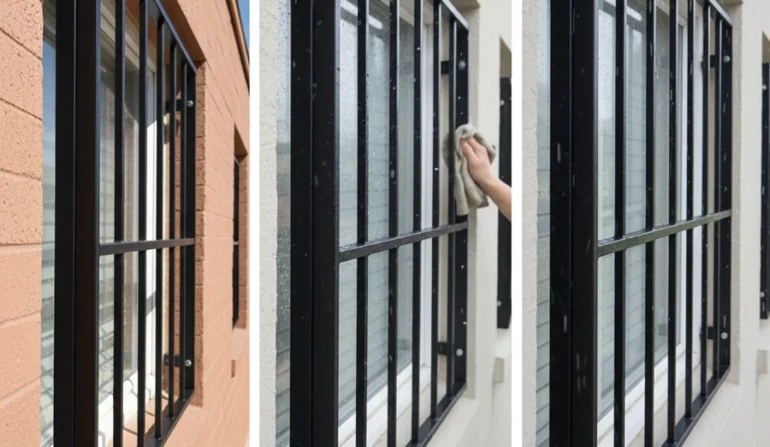
Exterior bars see weather. Protect them with robust finishes, rinse grime seasonally, and touch up chips before rust creeps. After windstorms, verify anchor torque, hinge pins, and keepers.
Light loss is minimal with slim pickets and smart spacing. Align rails with window muntins to make bars visually merge with the glazing pattern.
Whether you mount inside or out, decorative security window bars elevate the result:
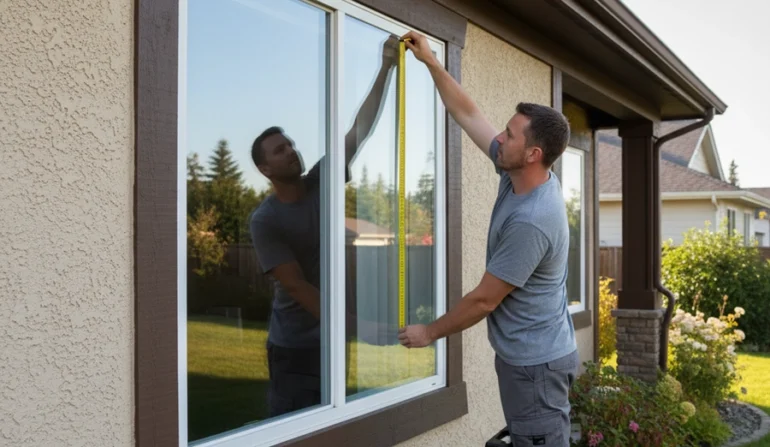
If anyone sleeps in the room, choose interior window security bars with a quick-release—they’re safer to operate, simpler to maintain, and easier to test. For non-egress spaces—especially on masonry—exterior window security bars deliver rugged deterrence and crisp shadow lines. In every case, measure carefully, select the right anchors, and keep the release smooth with monthly drills.
EMAIL ADDRESS: sales@securitywb.com
SITE: www.securitywb.com
PHONE:
CDMX: +52 (55) 5272 3355 USA: +1 (650) 4371 575
COOKIES POLICY
Security Window Bars LLC ("SWB") uses cookies and similar technologies to improve your browsing experience and enhance the functionality of our website www.securitywb.com (the “Website”). This Cookies Policy explains what cookies are, how we use them, and how you can manage your cookie preferences.
By using our Website, you agree to our use of cookies as described in this policy.
Last Updated: 01/01/25