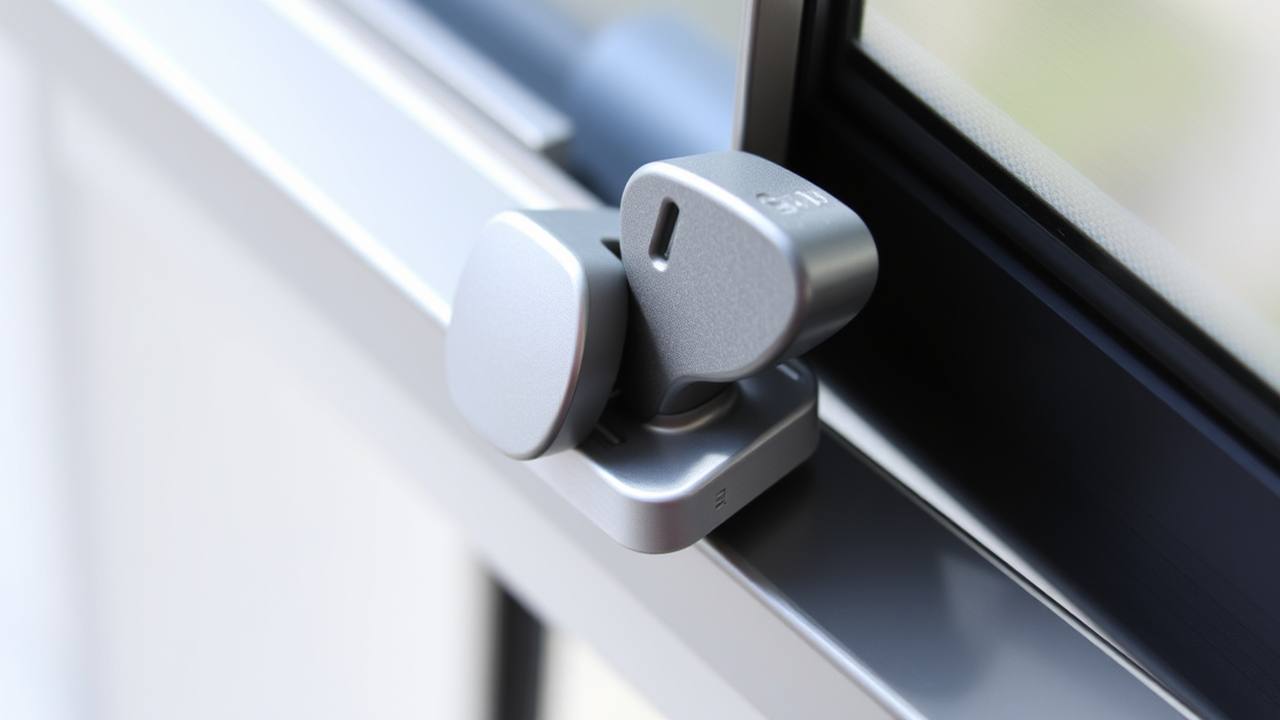

We Tested Our Own Window Bars for 90 Days
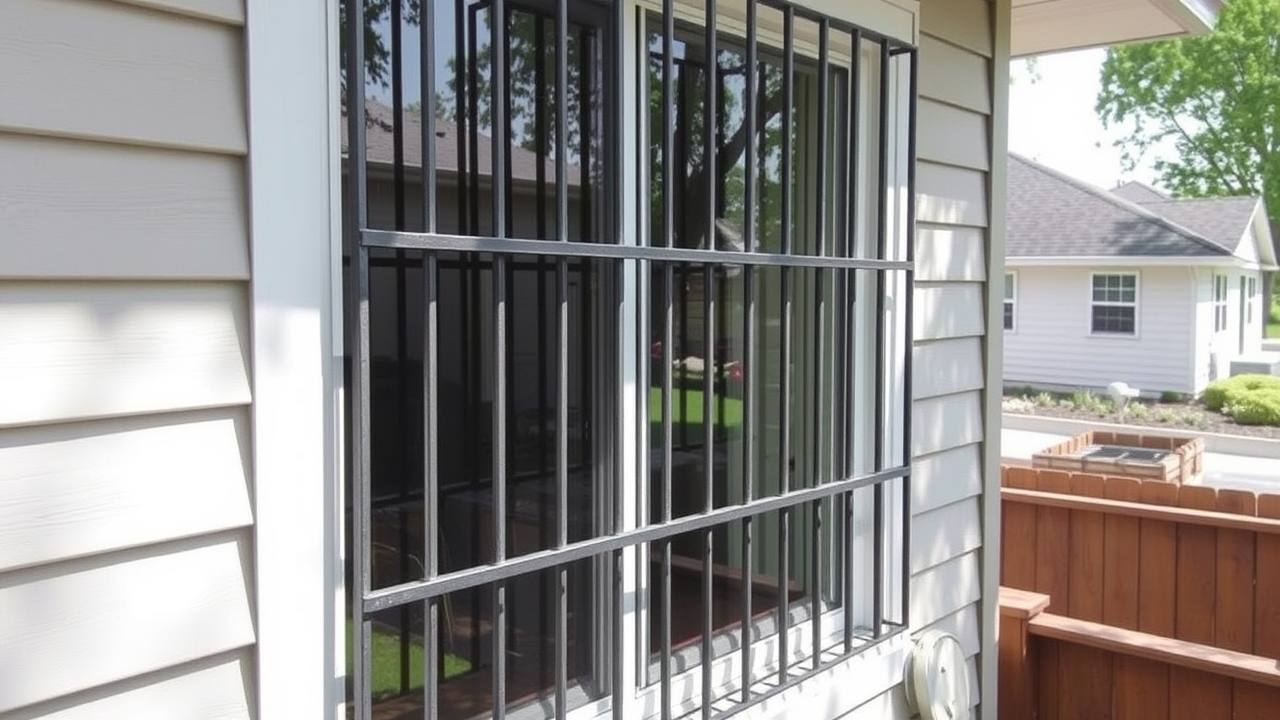
At SWB, we talk a lot about the 15-minute installation, the fire-egress compliance, and the telescopic steel construction that makes our window bars stand out. But claims are easy to make. What we wanted to know — and what we suspected you'd want to know — is what actually happens after installation. Does the tension hold? Do the bars corrode? Do the quick-release mechanisms work reliably after weeks of daily use? Do they stay put through weather changes, humidity swings, and the normal vibration of a lived-in home?
So we ran a 90-day internal test. We installed SWB bars on 12 windows across three test properties with different window types and climates. We tracked installation time, fit quality, structural stability, egress mechanism reliability, and any changes in fit or function over the 90-day period. We also stress-tested a subset of bars to evaluate resistance to forced entry — using methods consistent with documented residential burglary techniques.
This is what we found — the good, the marginal, and the one thing we changed as a result of the test.
Installation Test: How Long Does It Actually Take?
We recruited six people with no prior experience installing window bars and timed their first installation on a standard double-hung window. Instructions were provided but no hands-on guidance was given. Times ranged from 9 minutes (a person who'd done general home improvement work) to 22 minutes (a person who'd never done any home improvement work). Average time: 14 minutes.
We then had the same people install a second bar on the same window type without reviewing instructions again. Average time dropped to 7 minutes. By the third installation, everyone was under 10 minutes. The learning curve is real but extremely short.
The most common first-time mistake: measuring the wrong dimension. Two participants measured the exterior frame width rather than the interior opening width, selecting bars that were too wide. Lesson learned: measure the inside of the window opening — the dimension between the side jambs — not the overall frame width. This is clearly documented in installation instructions, but people skim instructions.
Across all 12 test windows on three properties, total installation time for all bars was 2 hours and 41 minutes including measuring, selecting the right size range, and installing. One person, moving efficiently, could complete the job in an afternoon.
Fit and Stability: 90 Days of Observation
We checked all 12 installed bars at 30-day, 60-day, and 90-day intervals, assessing fit tightness and any visible changes in position or condition.
At 30 days: all 12 bars remained firmly in position. No movement detected on any installation. One bar on a window with a vinyl frame showed a very slight compression mark on the vinyl at the contact points — cosmetically minor, structurally irrelevant.
At 60 days: three bars showed very slight reduction in tension — not loose, but marginally less tight than at installation. These were all on wood-frame windows that experienced more humidity cycling than the others (one test property had no air conditioning). The bars had not shifted position. A half-turn of the tension adjustment mechanism restored full tightness in 30 seconds on each.
At 90 days: no additional changes beyond what was noted at 60 days. The tension reduction on the wood-frame windows did not progress further after the 60-day adjustment. Bars on aluminum and vinyl frames showed no tension change over the full 90 days.
Takeaway: on wood-frame windows in climates with significant humidity cycling, check and re-tighten bar tension once every 30–60 days during the first season. After the wood stabilizes to its current moisture content, adjustments become much less frequent. This is expected behavior with any hardware that bears against wood — wood moves with moisture.
Quick-Release Egress: Reliability Testing
The fire-egress mechanism is the feature we take most seriously, because it exists at the intersection of security and life safety. A mechanism that's stiff, unreliable, or confusing in an emergency is a failure regardless of how well the bar holds against intrusion.

We tested the quick-release mechanism on all 12 bars at 30 and 90 days. We tested with adult users familiar with the mechanism and with users who had never operated it before (simulating the scenario where a household member needs to escape through a barred window without prior training).
At 30 days: all mechanisms released cleanly within 3 seconds of first contact by trained users. Untrained users required 8–15 seconds on first attempt, typically because they initially pushed in the wrong direction before finding the correct release motion. All untrained users successfully released the mechanism within 20 seconds without verbal guidance.
At 90 days: mechanism operation was unchanged from 30 days. No corrosion, stiffness, or binding observed on any test unit. The mechanisms on the no-AC property (higher humidity) showed no degradation compared to climate-controlled properties.
One important finding: when we timed untrained users under simulated stress conditions (asked to release the bar as quickly as possible while a timer counted down), average release time increased to 18–25 seconds compared to 8–15 seconds under calm conditions. This is a known human factors finding — fine motor control degrades under high stress. Our recommendation: practice the egress release with all household members at installation, and repeat annually. The motion becomes automatic with even minimal rehearsal.
Stress Testing: Resistance to Forced Entry Attempts
This was the test we were most curious about — and the test with the most directly useful results for customers. We used methods documented in burglary research as representative of common residential entry techniques: pry bar, hand force (pushing/pulling), and channel-lock pliers on the bar body.
Test conditions: bars installed on wood-frame windows with tension-mount fit (no drill anchors), representing the easiest-to-defeat installation scenario. All tests conducted on bars that had been installed for 60+ days.
Hand force test: Sustained pushing force on the bar center (approximating a person attempting to push bars inward). No movement observed. The telescopic bar's axial compression when pushed inward actually increases the contact pressure against the frame walls — pushing the bar in makes it grip more tightly. This is an elegant mechanical property of the telescopic design.
Pry bar test: Attempting to lever the bar out of the frame by inserting a pry bar between the bar and the window frame at the contact point. With a 12-inch pry bar, we were able to generate enough force to begin deforming the window frame before the bar moved. The bar's resistance exceeded the structural capacity of the wood window frame — meaning the frame would fail before the bar would. (Note: this actually argues for combining bars with frame reinforcement on windows where the frame itself is the weakest link.)
Pliers test: Attempting to crush and deform the bar body using channel-lock pliers to create a gap. The steel construction showed no deformation under hand-strength plier force. Tool-strength force (using a breaker bar for leverage) began to show surface marks after extended effort but no functional deformation. This test took over 4 minutes of sustained effort with tools — well beyond the 60–90 second window documented in burglar behavior research.
Overall forced-entry resistance rating: highly effective against opportunistic attack, effective against moderately prepared attack, resistant but not impervious to extended attack with angle grinder or similar power tools (which apply to essentially all physical security products).
What We Changed Based on Test Results
Honest testing produces honest findings, and two findings from this test directly influenced product recommendations and documentation.

Change 1: Tension check guidance. Based on the 60-day tension reduction observed on wood-frame windows, we added explicit guidance in installation instructions to check tension at 30 days and adjust as needed, particularly for wood-frame windows and humid climates. This is now standard installation advice rather than buried in FAQs.
Change 2: Egress practice recommendation. Based on the stress-condition egress testing, we strengthened our recommendation for household egress practice. We now explicitly recommend a 5-minute practice session with all household members at installation and annual review. The instructions include a simple practice protocol: "simulate a fire emergency — find the bar, activate the release, remove the bar, open the window." Repetition matters for stress performance.
We're also actively evaluating frame reinforcement products to complement bars in situations where the window frame is the weakest link — a finding from the pry-bar test that we think has product development implications.
FAQ
Did any bars fail during the 90-day test?
No bars failed or required replacement during the test period. The only maintenance required was tension adjustment on three bars at the 60-day mark, all due to humidity-related wood-frame movement. All 12 bars were fully functional at 90 days.
What window types performed best in the test?
Aluminum and vinyl frames maintained the most consistent tension over the 90-day period, requiring no adjustment. Wood frames in high-humidity environments required one adjustment. All frame types provided adequate structural support for the bars under forced-entry testing.
Would you recommend SWB bars based on the test results?
Yes — with the caveats the test revealed. Check tension on wood-frame installations at 30 days. Practice egress with all household members. Consider frame condition a factor in your security assessment. Within these parameters, the test results supported the product's security and reliability claims across all test conditions.
Conclusion
Ninety days of real-world testing across 12 windows confirmed what our design and materials specifications predicted — with two refinements that made our recommendations better. SWB telescopic steel bars hold their position reliably, resist forced entry effectively within the parameters that matter for residential security, and maintain quick-release egress function without degradation. The 15-minute installation claim held up across all skill levels. If you're considering window security bars, the test results give you confidence that the product performs as advertised. Browse the SWB catalog, measure your windows, and install before the next opportunist walks past your unprotected ground-floor windows.